
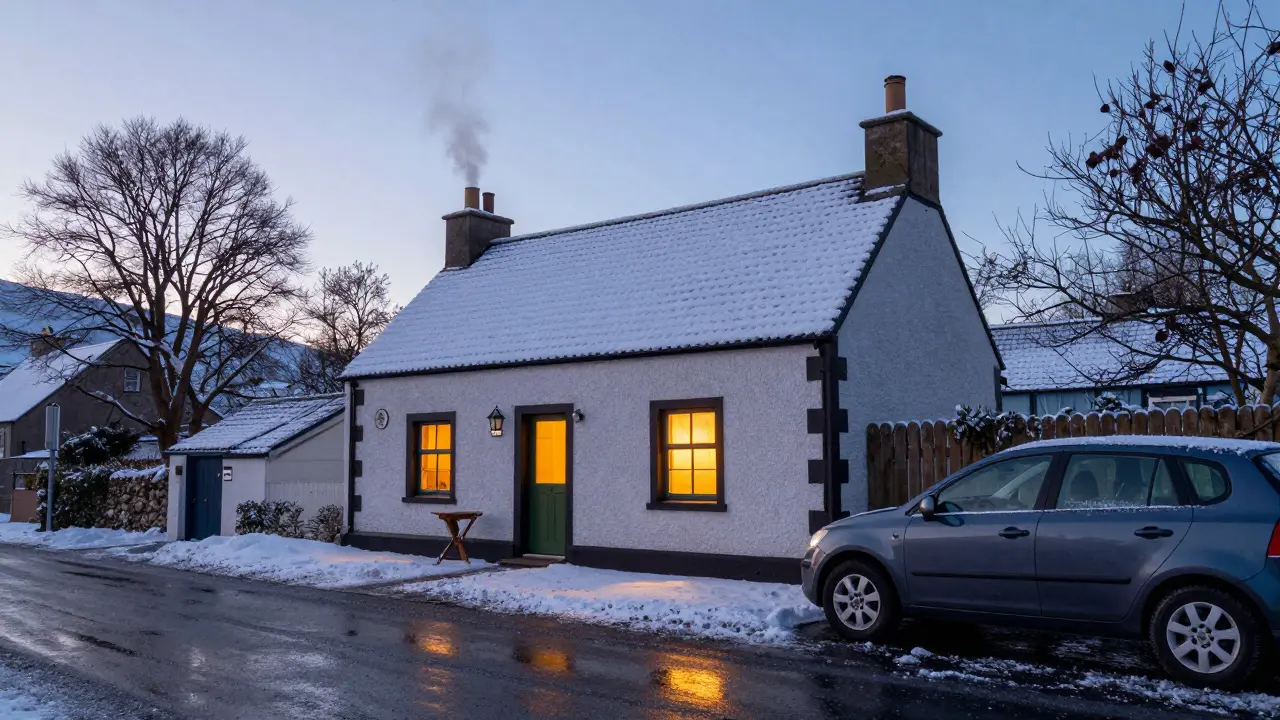
When the snow starts falling in Scotland, things change fast. You might think a cozy cottage or a city hotel is just as easy to book in January as it is in July. But that’s not true. Winter in Scotland brings real challenges-cold that gets into your bones, roads that turn icy overnight, and heating systems that don’t always keep up. If you’re planning a winter stay, you need to know what you’re walking into.
Heating Isn’t Always Reliable
Many older Scottish homes and B&Bs still use electric heaters or old-fashioned radiators. You’ll see signs saying ‘central heating’-but that doesn’t mean it works well. In Dundee, I’ve stayed in places where the boiler broke down and the only heat came from a single space heater in the living room. Bedrooms? Freezing by midnight. Some newer places have heat pumps or underfloor heating, but they’re rare outside of luxury rentals.
Ask before you book: Is the heating gas-fired or electric? Gas heats faster and keeps rooms warm longer. Electric heaters suck power and struggle to warm large spaces. If you’re traveling with kids or elderly family, don’t risk it. Look for properties that mention ‘whole-house heating’ or ‘thermostatically controlled.’
Also, check if the property has a backup generator. Power cuts happen during storms. I’ve been stuck in a remote Highlands cottage for 14 hours with no heat because the grid went down. The owner had a wood stove-but no logs. Always ask: Where are the logs? Do you have a backup?
Roads Are a Different World
Scotland’s roads don’t close like in other countries. They just get dangerous. In January 2025, the A9 between Perth and Inverness had 17 accidents in one weekend. Snowplows don’t come out until after the first major freeze. If you’re driving, assume the roads will be slick, even if it hasn’t snowed in days. Black ice forms overnight, especially on bridges and shaded stretches.
Don’t rent a small car. A compact hatchback won’t cut it on icy A-roads. Go for something with good ground clearance and winter tires. Most rental companies offer them, but you have to request them. Don’t assume they’re standard. I rented a Skoda Octavia last February and got lucky-it had winter tires. The guy at the counter said, ‘Most tourists don’t ask. They regret it.’
Use Traffic Scotland’s live map. It’s free. It shows real-time closures, delays, and weather warnings. If you’re heading to the Cairngorms or the Isle of Skye, check it every morning. Don’t rely on Google Maps. It doesn’t update fast enough.
Availability Is Tighter Than You Think
People think winter is low season. Wrong. Winter stays in Scotland are growing fast. Ski tourists, Northern Lights chasers, and remote workers are all booking early. Places like Aviemore, Fort William, and the Orkney Islands have 80% occupancy from December to February. Even Edinburgh and Glasgow see spikes-especially around Hogmanay and New Year’s.
Book at least three months ahead. If you wait until December, you’re stuck with overpriced last-minute options or places that don’t have working heat. Airbnb has gotten a lot better, but many owners don’t update their listings. Look for properties with verified reviews mentioning winter stays. Search for keywords like ‘winter ready’ or ‘fully heated.’
Also, watch out for cancellations. Some owners cancel winter bookings because they need to do repairs or because they’re using the place themselves. Always ask: Is this booking guaranteed? If they say ‘subject to availability,’ walk away.
What About Public Transport?
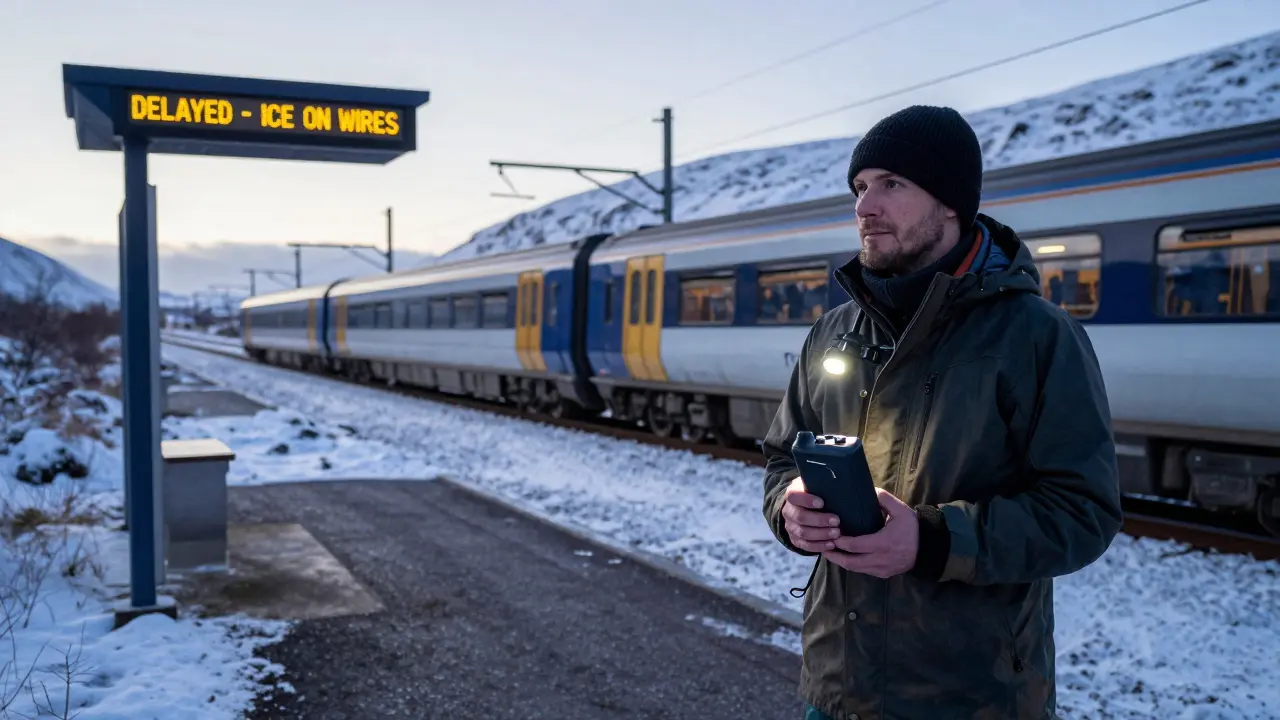
If you’re not driving, trains and buses still run-but they’re slower. In the Highlands, buses often get delayed by snowdrifts. ScotRail has a winter schedule, but delays are common. The train from Inverness to Kyle of Lochalsh was canceled for three days in January 2025 because of ice on the overhead wires.
Plan for extra time. If your train leaves at 10 a.m., aim to be at the station by 9:15. Always check the operator’s website the night before. ScotRail and Stagecoach both send out delay alerts via email and SMS if you sign up.
Consider staying near train stations. If you’re going to the West Coast, stay in Fort William instead of trying to drive there from Glasgow. You’ll save stress, time, and money.
Where to Stay: Real Options That Work
Not all accommodations are equal in winter. Here are the types that actually deliver:
- Hotel chains (Premier Inn, Travelodge): Reliable heating, 24/7 front desk, and often on main roads. Good for solo travelers or couples.
- Self-catered cottages with gas heating: Look for ones with log burners and backup generators. Avoid places that only mention ‘wood-burning stove’ as the main heat source.
- Hostels with private rooms (YHA Scotland): Often have central heating and communal kitchens. Great for budget travelers who don’t mind shared spaces.
- Coastal B&Bs (e.g., Isle of Mull, Arran): These can be hit or miss. Ask about insulation. Many are old stone buildings with single glazing. Cold drafts are common.
Stay away from places that say ‘rustic charm’ or ‘traditional Scottish experience’ without listing heating specs. That’s code for ‘we don’t have proper heating.’
What You Need to Pack
Forget the fancy coat. You need layers. Thermal base layers, fleece mid-layers, and a waterproof outer shell. I’ve seen people show up in designer boots and freeze on the way to their B&B.
Bring:
- Hand warmers (the reusable kind)
- A portable power bank (for phone charging during outages)
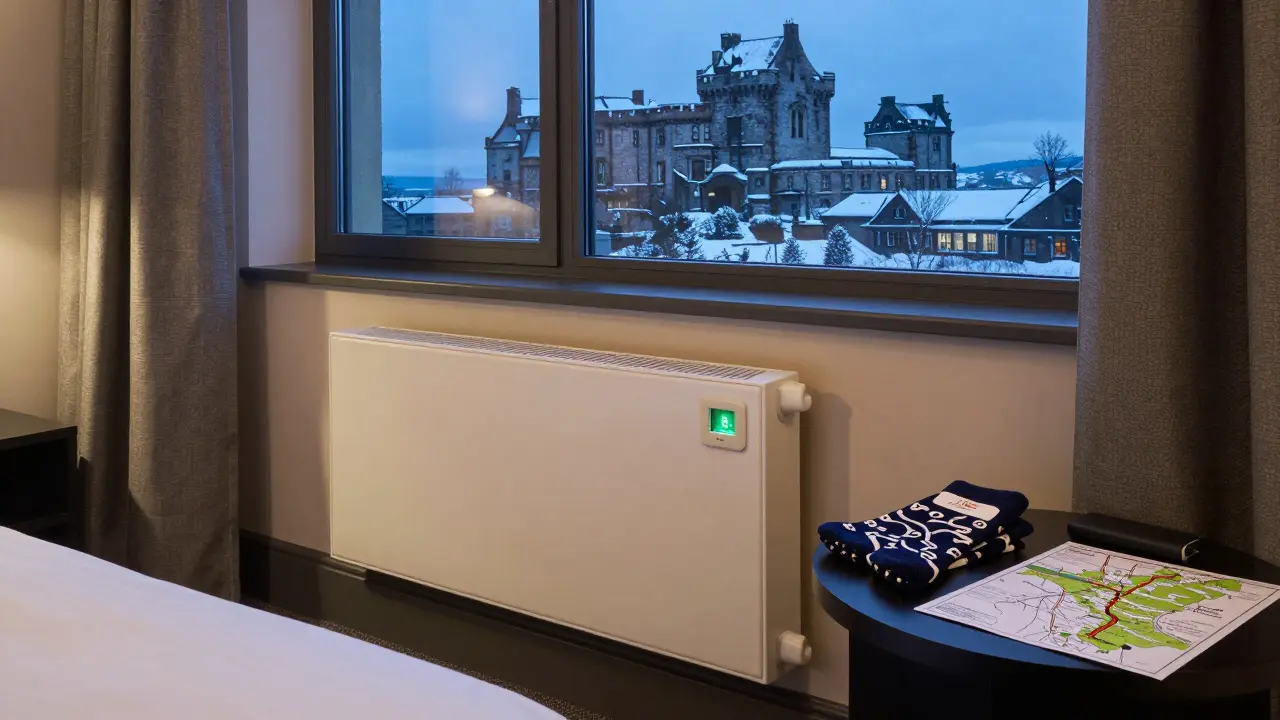
- Thermal socks (at least 3 pairs)
- Waterproof boots with grip soles
- A small first-aid kit (for minor frostnip or slips)
And don’t forget a headlamp. If the power goes out, you’ll need light without fumbling for candles.
Final Tip: Know the Local Help Lines
If you get stranded, call the local council’s winter emergency line. Every council has one. In Dundee, it’s 01382 434343. In Inverness, it’s 01463 276666. They’ll send out gritters or help you find a warm place to wait. Don’t wait until you’re shivering to call.
Winter in Scotland is beautiful-but it doesn’t forgive mistakes. Plan ahead. Ask the hard questions. Don’t assume anything works. And always, always check the heating before you pay.
Is it safe to drive in Scotland during winter?
Yes, but only if you’re prepared. Roads are rarely closed, but they become extremely slippery due to black ice, especially on bridges and shaded stretches. Always use winter tires, avoid driving at night, and check Traffic Scotland’s live map before heading out. If you’re not confident, use trains or buses instead.
Do all Scottish accommodations have heating?
No. Many older homes, B&Bs, and holiday cottages rely on electric heaters or wood stoves, which often can’t heat entire buildings. Gas-fired central heating is more reliable. Always ask the host directly: ‘Is the heating gas-powered? Does it work in all rooms? Is there a backup?’ Don’t trust listings that say ‘cozy’ or ‘traditional’ without specifics.
When should I book a winter stay in Scotland?
Book at least three months in advance. Popular areas like the Highlands, Isle of Skye, and Aviemore fill up fast. Even Edinburgh and Glasgow see high demand around Hogmanay. Last-minute bookings often mean overpriced options or places without reliable heating. The best deals are found between April and August for winter stays.
Are public transport services reliable in winter?
Trains and buses run, but delays are common. Snowdrifts, ice on tracks, and frozen switches cause cancellations. ScotRail and Stagecoach update schedules daily. Sign up for their alerts and allow extra travel time. If you’re traveling to remote areas, consider staying near a train station to avoid risky road journeys.
What should I do if I get stuck during a winter storm?
Call your local council’s winter emergency line. They’ll send gritters or direct you to the nearest warming center. In Dundee, dial 01382 434343. In Inverness, it’s 01463 276666. Stay inside if possible, keep warm with layers, and use a mobile phone with a power bank. Never try to walk long distances in icy conditions.
If you’re heading to Scotland this winter, remember: preparation beats luck. Check the heating. Check the roads. Book early. And don’t let the beauty of snow-covered castles blind you to the real risks. Stay smart, stay warm, and enjoy it.
Comments (14)
-
Jim Sonntag February 23, 2026I booked a cottage in the Highlands last January. Said 'central heating.' Turned out to be one electric radiator in the kitchen. Bedroom was colder than my ex's heart. Learned the hard way: always ask for the boiler model. And bring a space heater. Just in case.

-
Deepak Sungra February 24, 2026bro honestly why are you stressing so much about heating? it's just snow. you're not in Antarctica. i've been to scotland in december and i wore a hoodie and a beanie. survived. maybe you're just weak.

-
Samar Omar February 25, 2026The architectural heritage of Scotland’s rural dwellings is, frankly, a testament to centuries of stoic endurance against climatic adversity. To expect modern thermal efficiency in a 17th-century stone cottage with single-glazed windows is not merely unrealistic-it is a profound misreading of cultural context. One does not visit the Highlands for HVAC comfort; one visits for the sublime isolation, the whisper of wind through peat moss, the quiet dignity of a life lived in harmony with elemental forces. If you require a thermostat-controlled environment, perhaps you should reconsider your destination-or your soul.

-
chioma okwara February 25, 2026u shudnt b driving in scotlnd in winter at all. i know this guy who tried it and his car slid into a ditch. he had to walk 8 miles. no joke. also why do ppl think airbnbs are good? most are just some old lady's basement with a space heater and a sign that says 'cozy' which means 'freezing'

-
John Fox February 27, 2026I drove the A9 in February. Black ice on every bridge. No snow. Just slick. No panic. Just slow. Winter tires made all the difference. No drama. Just drive like your life depends on it. Because it does.

-
Tasha Hernandez March 1, 2026I can't believe people still think 'rustic charm' means anything other than 'we don't have a working boiler.' I once stayed in a place that proudly advertised a 'wood-burning stove' as its primary heat source. It was 10 degrees. The stove was 3 feet from the bed. I spent the night huddled in a sleeping bag, eating cold soup, and wondering why I ever thought this was a good idea. And don't get me started on the 'cozy' B&Bs that smell like wet dog and regret.

-
Anuj Kumar March 3, 2026this whole post is a government scam. they want you to rent big cars so they can charge more. and those 'winter tires' are just a way to make you spend more. i drove a fiat 500 in scotland in january. no problems. the snow never even touched the road. they just scare you so you'll buy more stuff.

-
Christina Morgan March 3, 2026This is actually one of the most helpful guides I’ve read in ages. So many people overlook how brutal Scottish winters can be. I’ve been traveling there for 15 years, and I always book with Premier Inn or YHA for winter trips. Reliable heat, clear policies, and staff who actually know what’s going on. Also, thermal socks. Always thermal socks. And a headlamp. You won’t regret it.

-
Kathy Yip March 5, 2026I wonder if the real issue isn't the heating or the roads, but our assumption that comfort should be guaranteed. Scotland in winter is not a resort-it's a landscape that demands respect. I once got stuck for 12 hours on a bus in the Cairngorms. No heat. No phone signal. Just silence and snow. And you know what? I felt more alive than I had in months. Maybe we need to stop trying to control nature and learn to sit with it.

-
Bridget Kutsche March 6, 2026Just a quick tip: if you're booking an Airbnb, message the host and ask for a video of the heating system turning on. I did this last year and found out the 'gas central heating' was actually an electric fan heater in the hallway. They didn't mention that. Also, always check the power outlet count. If you need to charge 3 devices and there's one outlet, you're in trouble. Bring a power strip.

-
Jack Gifford March 7, 2026I'm a grammar nerd so I'll say this: 'heat pumps' not 'heatpumps.' But seriously, this post is gold. I'm going to Scotland in December. Got my winter tires booked. Got my thermal layers. Got my power bank. And I'm not even nervous anymore. Just excited. You can do this.

-
Sarah Meadows March 8, 2026This is why America is better. We have infrastructure. We have zoning laws. We have energy grids that don't collapse when it snows. Scotland's entire winter strategy is 'hope for the best.' That's not a plan. That's a prayer. And if you're going to visit, you're basically volunteering for a survival test. Good luck.

-
Nathan Pena March 8, 2026The entire premise of this article is flawed. It assumes that winter in Scotland is uniquely dangerous. It's not. The same conditions exist in Vermont, Alberta, and Lapland. What this piece really reveals is a cultural bias toward comfort and consumerism. The romanticization of 'winter readiness' is just another form of performative preparedness. You don't need a backup generator. You need to accept that discomfort is part of the experience. And if you can't handle that, maybe you shouldn't be there.

-
Jim Sonntag March 9, 2026Nathan, you're missing the point. This isn't about romanticizing discomfort. It's about not dying. I spent 14 hours in a cottage with no heat because the owner didn't have logs. That's not 'experience.' That's negligence. And yes, I'm glad I'm alive.