
Ever taken a sip of Scotch and wondered why one tastes like seaweed while another feels like honey? It’s not just the brand. It’s the place. The soil, the water, the peat smoke drifting across the landscape-it all gets locked into that spirit. If you are planning a whisky tour in Scotland, understanding the differences between Islay, Speyside, and the Highlands is your cheat sheet to enjoying every dram.
I’ve spent years walking these distilleries, from the wind-battered coast of Islay to the rolling hills of the Highlands. Here is the real deal on how these three major regions define the character of Scotch whisky.
The Peaty Powerhouse: Islay
| Attribute | Value/Description |
|---|---|
| Flavor Profile | Smoky, medicinal, briny, maritime |
| Key Ingredient | Peat moss (high phenol levels) |
| Famous Distilleries | Laphroaig, Ardbeg, Lagavulin, Caol Ila |
| Water Source | Spring water influenced by Atlantic tides |
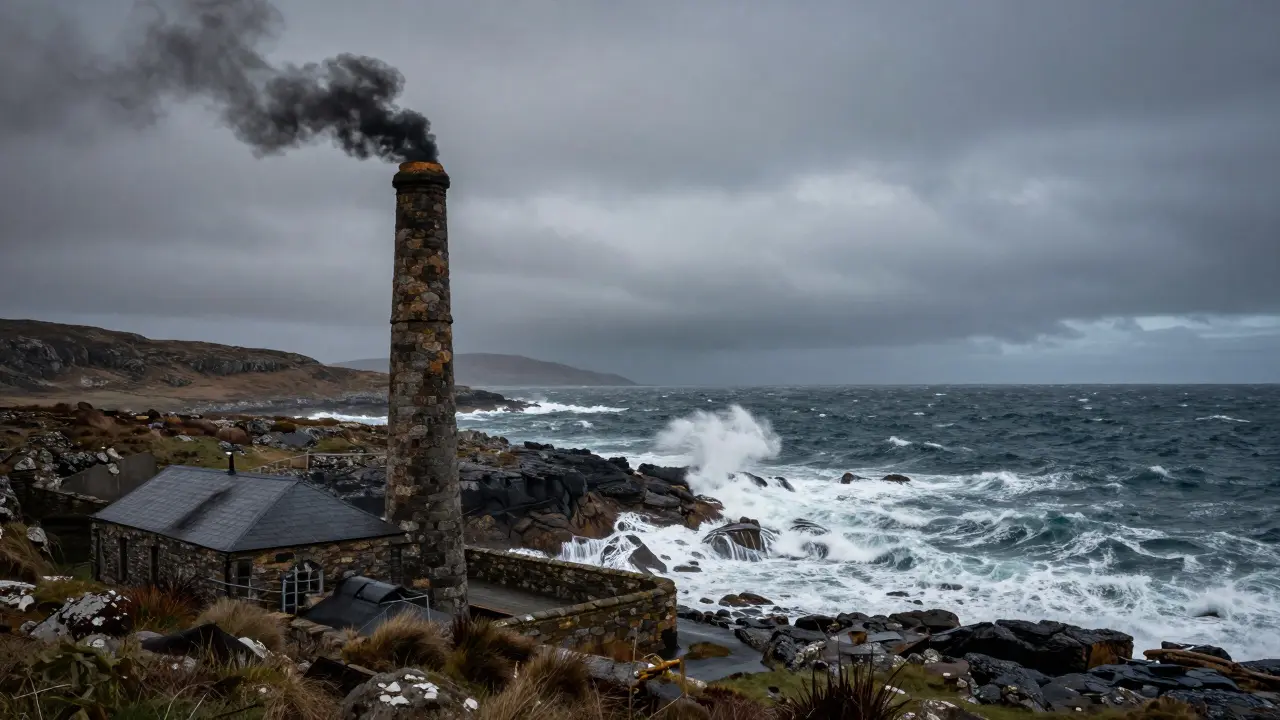
Let’s start with the one that divides people: Islay. This small island off the west coast of Scotland is famous for one thing-peat. When malted barley is dried over fires fueled by peat moss, it absorbs compounds called phenols. These phenols give the whisky its signature smoky, medicinal taste. Think bonfire, iodine, or even antiseptic cream. Sounds harsh? Maybe. But it’s also incredibly complex.
The ocean plays a huge role here too. The distilleries are often right on the coast, so the salty air seeps into the warehouses during maturation. This adds a briny, sea-spray quality to the flavor. If you drink an Laphroaig is a single malt Scotch whisky known for its intense peat smoke and medicinal notes, you’re tasting the island itself. It’s bold, unapologetic, and unforgettable.
Not all Islay whiskies are this heavy. Some, like Bowmore or Bunnahabhain, use little to no peat, offering sweeter, fruitier profiles. But when people talk about Islay, they usually mean the smoke. For tourists, visiting Islay means driving narrow coastal roads, stopping at tiny shops, and watching the sunset turn the sky purple over the distillery chimneys. It’s an experience as much as a drink.
The Fruity Heartland: Speyside
If Islay is the rebel, Speyside is the diplomat. Located in northeastern Scotland, this region produces more than half of all Scotch whisky. Why? Because the conditions are perfect. The climate is mild, the water is pure, and the grain grows well. But the real magic is in the flavor.
Speyside whiskies are generally light, smooth, and sweet. You won’t find much peat here. Instead, expect notes of apple, pear, vanilla, and honey. They are approachable and easy to drink neat or with a splash of water. This makes them popular with beginners and experts alike.
Think of brands like Glenfiddich is one of the world's best-selling single malts, known for its fruity and floral character or Macallan. Glenfiddich offers crisp green apple and citrus, while Macallan leans toward rich oak and dried fruits. The difference comes from the casks used during aging. Sherry casks add sweetness and spice; bourbon casks bring out vanilla and coconut.
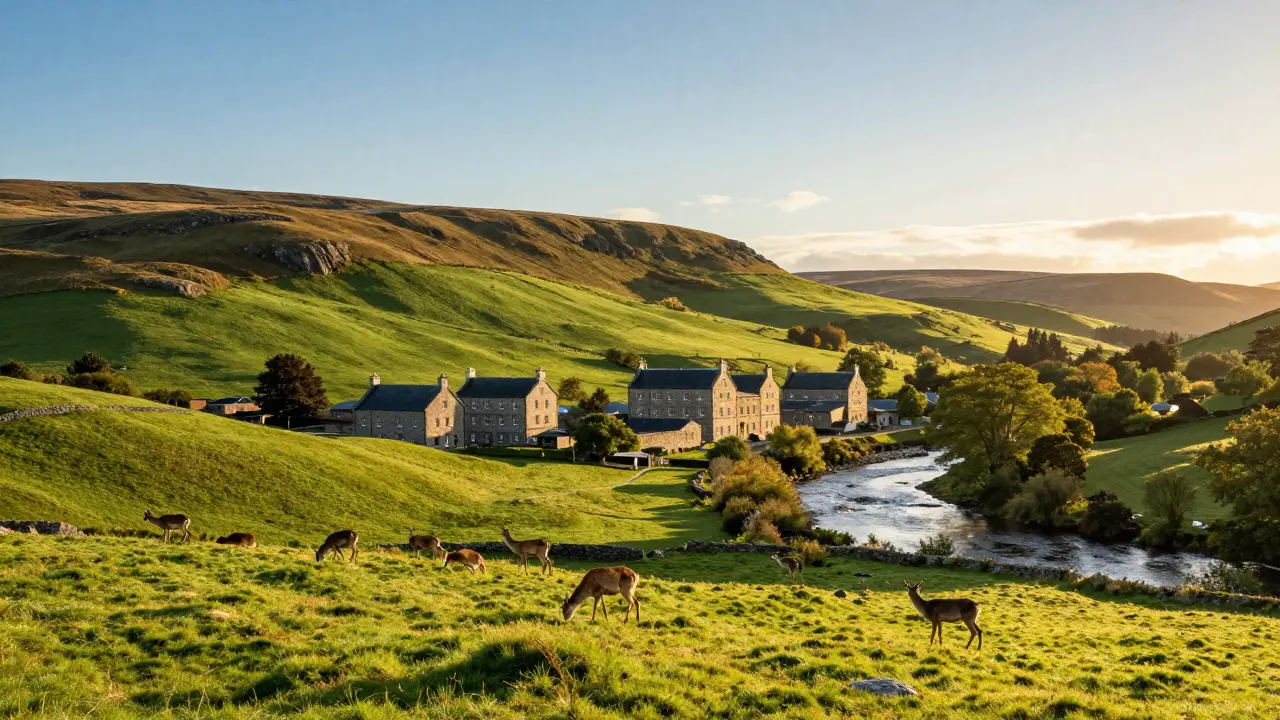
For a whisky tour, Speyside is a dream. The distilleries are clustered together along the River Spey, making it easy to visit several in one day. You can hop from a historic stone building to a modern facility, seeing how tradition meets innovation. The scenery is lush and green, with deer roaming the hills. It’s peaceful, picturesque, and packed with history.
The Diverse Giants: The Highlands
Now we get to the big one. The Highlands cover most of northern Scotland. Because the area is so vast, there is no single "Highland flavor." Instead, you get variety. Some whiskies are light and grassy; others are heavy and peaty. It depends on where exactly in the Highlands the distillery sits.
In the western Highlands, closer to the coast, you might find some peat influence, similar to Islay but milder. In the eastern Highlands, near Speyside, the styles blend together-smooth and fruity. In the north, like at Dalmore or Talisker, the sea breeze adds a salty tang.
One standout is Talisker is a Highland single malt from Skye, known for its spicy and peppery profile with a hint of smoke. It’s grown on the Isle of Skye, technically part of the Highlands region. Talisker has a distinct pepper kick and a touch of smoke, showing how local ingredients shape the taste. Another example is Oban, which balances maritime freshness with sweet fruit notes.
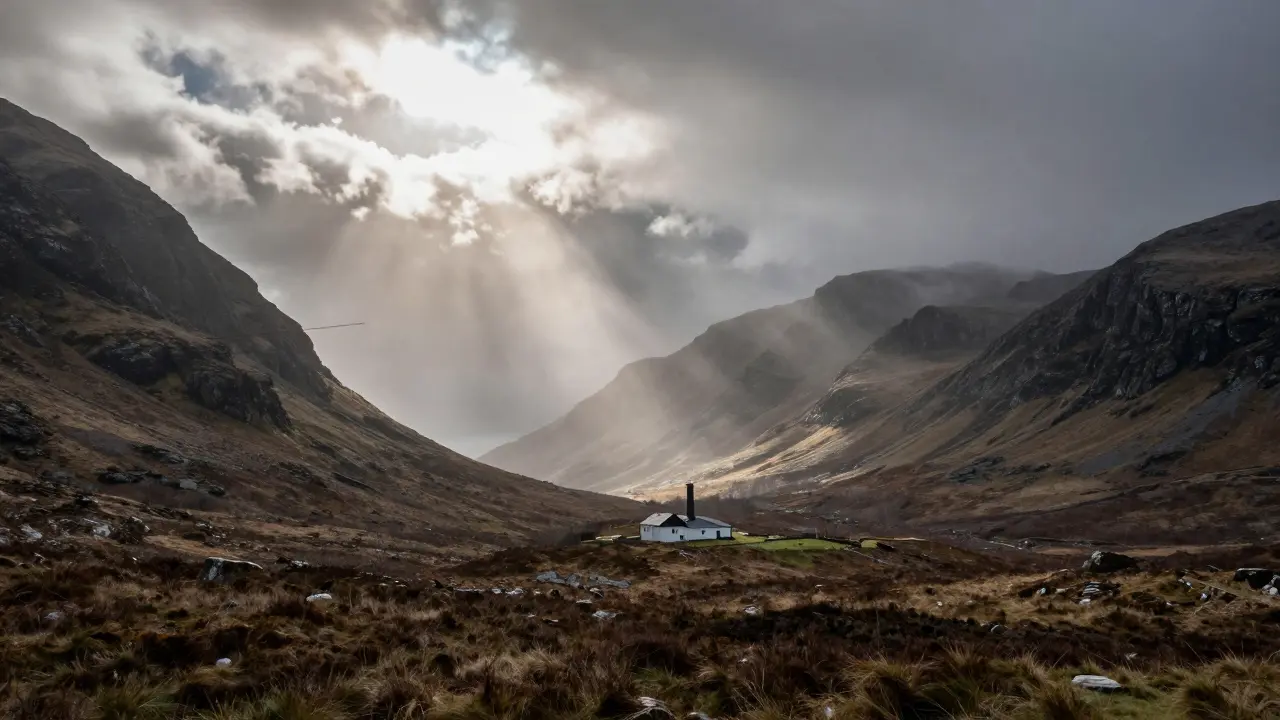
Visiting the Highlands means embracing adventure. Roads are long, weather changes fast, and distilleries are spread out. But that’s part of the charm. You might stop at a remote spot, watch rain sweep across the moors, and taste a dram that captures that raw, wild energy. It’s less polished than Speyside but more authentic.
How Geography Shapes Taste
You might wonder why location matters so much. It’s simple: nature does the work. Water quality affects fermentation. Air temperature influences evaporation rates in barrels. Local grains and yeast strains contribute unique flavors. Even the type of wood used for casks varies by region due to availability.
In Islay, the peat is shallow and easily accessible, leading to high smoke levels. In Speyside, the river water is soft and mineral-rich, creating a clean base for delicate flavors. In the Highlands, diverse landscapes mean diverse outcomes. A distillery in the shadow of Ben Nevis will taste different from one near the Moray Firth.
This connection between land and liquid is what makes Scotch special. It’s not just alcohol; it’s terroir. Just like wine, the environment leaves its fingerprint on the final product. Understanding this helps you appreciate each sip more deeply.
Planning Your Whisky Tour
So, which region should you visit? It depends on what you want. Love smoke and drama? Go to Islay. Prefer smooth and sweet? Choose Speyside. Want variety and scenery? Head to the Highlands.
Most tours offer guided tastings, factory visits, and sometimes barrel room access. Book ahead, especially in summer. Wear comfortable shoes-you’ll be walking a lot. And don’t drive after drinking! Hire a driver or join a group tour.
Bring an open mind. Try samples side-by-side. Ask questions. Talk to the staff. They love sharing their passion. You’ll leave knowing not just how to drink Scotch, but why it tastes the way it does.
What is the main difference between Islay and Speyside whisky?
The biggest difference is peat. Islay whiskies are heavily peated, giving them a smoky, medicinal flavor. Speyside whiskies are typically unpeated, offering sweet, fruity, and floral notes. Islay is bold and intense; Speyside is smooth and approachable.
Which Scotch region is best for beginners?
Speyside is usually the best starting point. Its whiskies are lighter and sweeter, making them easier to enjoy without prior experience. Brands like Glenfiddich or Balvenie are great introductions to single malt Scotch.
Are Highland whiskies always peaty?
No, Highland whiskies vary widely. Some have no peat at all, while others, like Talisker or Clynelish, have moderate smoke. The diversity of the Highlands means you can find almost any style within this region.
Can I visit multiple distilleries in one day?
Yes, especially in Speyside where distilleries are close together. In Islay and the Highlands, distances are greater, so plan for longer travel times. Always book tours in advance and arrange safe transport home.
Does the age of the whisky affect the regional flavor?
Age adds complexity but doesn’t erase regional traits. An old Islay whisky will still be smoky, though perhaps smoother. Age allows more interaction with the cask, enhancing vanilla or sherry notes, but the core character remains tied to its origin.