
Quick Wins for First-Timers
- The Mix: Expect a blend of traditional Delta blues, modern acid jazz, and avant-garde experimental sets.
- The Vibe: It's less about formal attire and more about comfortable shoes for hopping between venues.
- The Logistics: Most events center around the Grassmarket and the Royal Mile, making it walkable.
- Pro Tip: Get to the smaller cellar bars 30 minutes early; they fill up fast and the intimacy is where the best music happens.
The Rhythm of the Streets: Parades and Public Squares
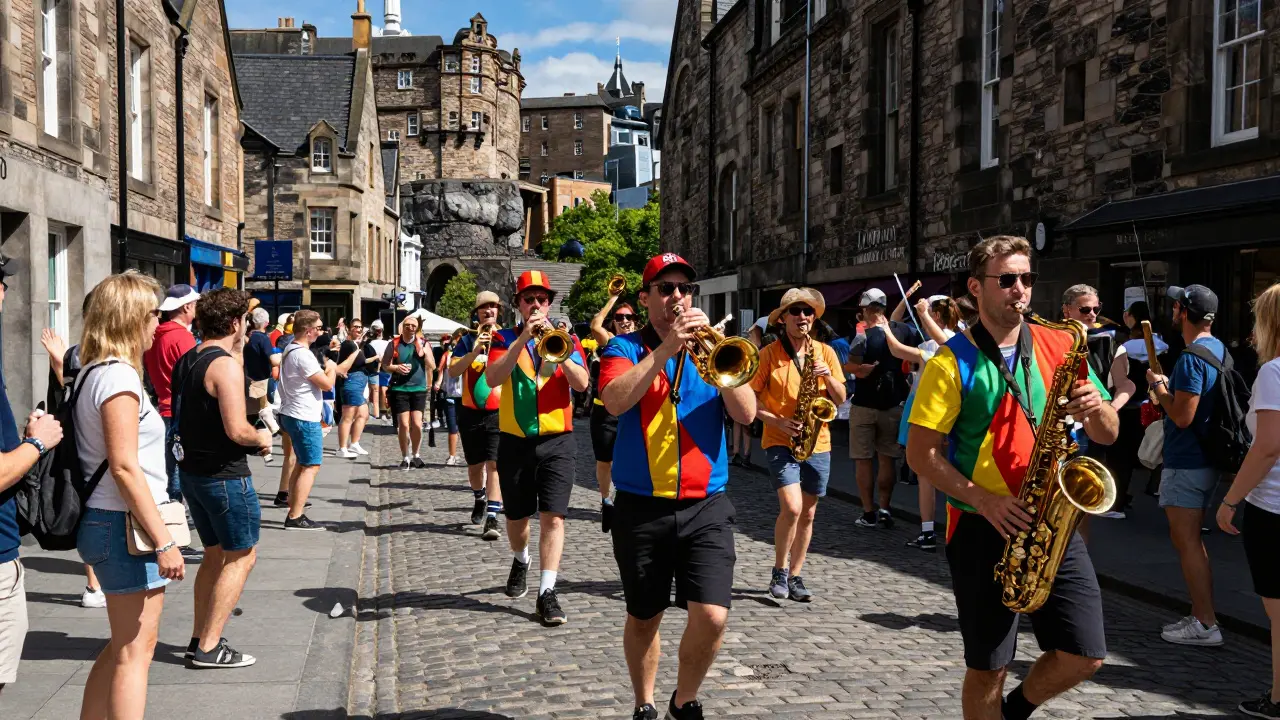
The heart of the event isn't actually inside the buildings-it's in the streets. The parades are where the festival truly breathes. Picture a brass band leading a crowd of hundreds through the narrow wynds of the city, with the sound echoing off the volcanic rock of Edinburgh Castle. These marches aren't choreographed drills; they're spontaneous celebrations. You'll see musicians interacting with the crowds, taking requests, and turning a simple walk to the pub into a full-blown party.
The public squares, especially around the Grassmarket, become makeshift arenas. Local artists often set up without amplifiers, relying on the natural acoustics of the surrounding tenements to carry their soulful melodies. It's here that you see the intersection of professional touring acts and hungry students from the local conservatories, often jamming together in a way that only happens during the summer peak.
Where the Music Lives: Venue Selection
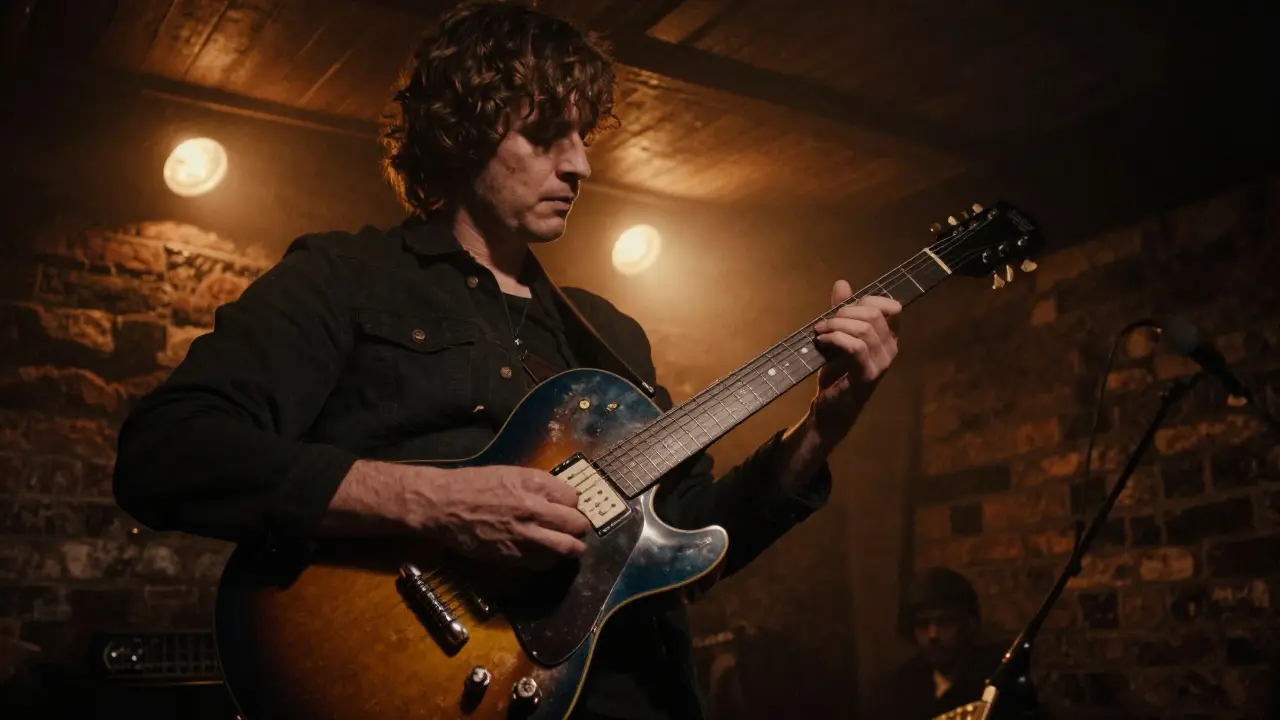
Finding the right spot determines your experience. The festival spreads across a variety of environments, each offering a different sonic flavor. If you want that smoky, authentic feel, head to the basement bars. These venues, often centuries old, have low ceilings and brick walls that soak up the sound, creating a heavy, warm atmosphere perfect for a slow blues guitar solo.
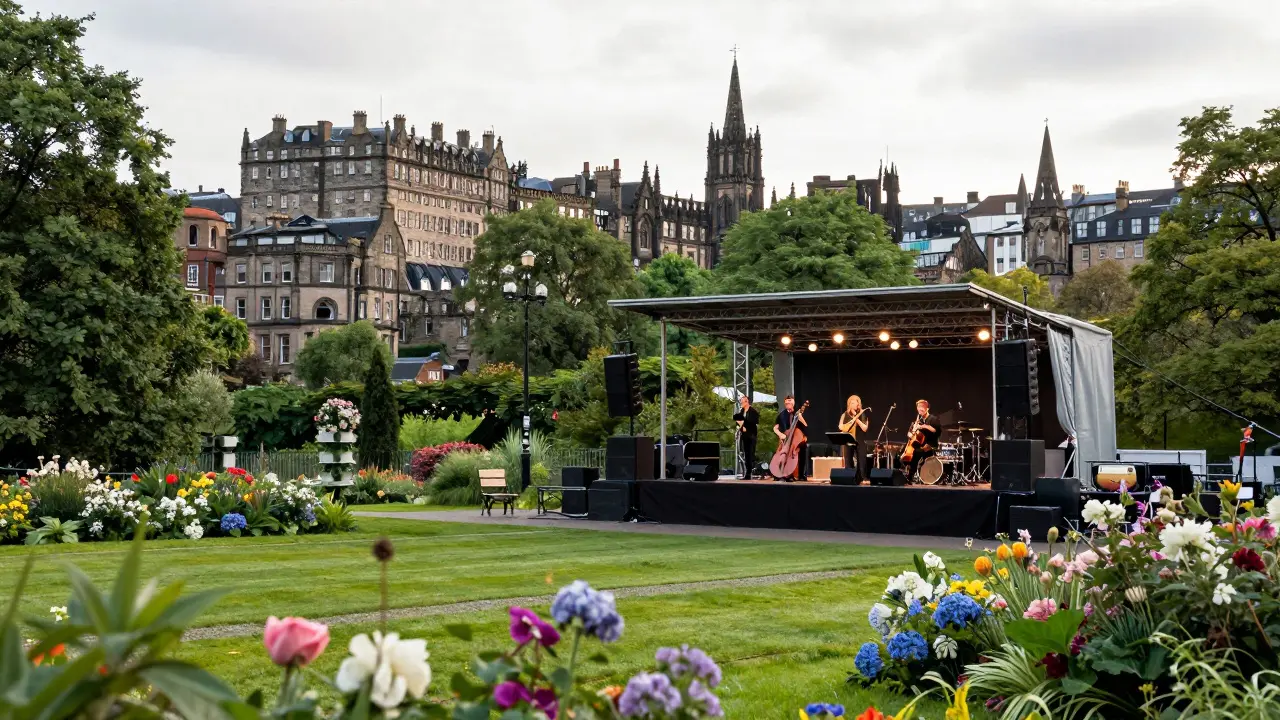
For those who prefer a more refined experience, the larger concert halls provide the acoustic precision needed for big-band jazz. These spaces allow the complex layers of a 15-piece orchestra to be heard clearly, from the subtle brush of the snare drum to the piercing high notes of the trumpet. But don't overlook the pop-up stages in the Princes Street Gardens, where the greenery provides a lush backdrop for afternoon sets while the city skyline looms overhead.
| Venue Type | Best For... | Vibe | Crowd Level |
|---|---|---|---|
| Cellar Bars | Dirty Blues & Solo Jazz | Intimate, Smoky | High (Cramped) |
| Open-Air Squares | Parades & Street Acts | Energetic, Social | Very High |
| Concert Halls | Big Band & Orchestral | Polished, Relaxed | Moderate |
| Garden Stages | Chill-out & Fusion | Breezy, Casual | Variable |
Navigating the Genre Blur: Jazz vs. Blues
If you're new to these styles, you might wonder why they're paired together. While Jazz is often about complex harmony and spontaneous improvisation, Blues is rooted in raw emotion, repetition, and a specific 12-bar structure. In Edinburgh, these two worlds bleed into each other. You'll find "Jazz-Blues Fusion" acts that use the emotional weight of the blues but the intellectual curiosity of jazz.
Watch for the "Blues Hour" sessions, where musicians strip everything back to just a guitar and a voice. It's a stark contrast to the high-energy brass parades. The transition from a loud, booming parade in the afternoon to a quiet, soulful set in a dimly lit bar at midnight is what makes the Edinburgh Jazz and Blues Festival so dynamic. It follows the emotional arc of a day-starting with high energy and ending with deep reflection.
The Local Connection: Scottish Influence
While the festival attracts global talent, the local Scottish scene is the secret sauce. Scotland has a long history of folk and traditional music, and you'll notice a unique "Celtic twist" in many of the jazz sets. Local players often incorporate traditional Scottish rhythms or melodies into their improvisations, creating a sound that you won't hear at festivals in New Orleans or London.
Support the local pubs in the Old Town. Many of these establishments have been hosting musicians for decades and have a curated relationship with the festival. They often host the "after-hours" jams where the official headliners drop in to play with local students. These are the unplanned moments that define the experience; there's nothing quite like seeing a Grammy winner sharing a stage with a 20-year-old from the Royal Conservatoire of Scotland.
Survival Guide for the Summer Heat (and Rain)
Edinburgh in the summer is unpredictable. One minute you're basking in the rare Scottish sun during a parade, and the next, you're dodging a sudden downpour. The key is layering. A light waterproof jacket is non-negotiable. Because the festival involves so much walking between the Royal Mile and the various garden venues, your footwear will make or break your trip. Avoid heels or dress shoes; stick to broken-in sneakers.
Hydration is also a factor. Between the alcohol in the bars and the walking, it's easy to crash by 6 PM. Most venues have water stations, but carrying a reusable bottle is the way to go. Also, keep a digital copy of the festival map on your phone, but don't be afraid to put it away. Some of the best discoveries happen when you follow a sound you don't recognize down a side street.
Planning Your Perfect Weekend
If you only have 48 hours, don't try to see everything. You'll end up exhausted and overwhelmed. Instead, pick one "Anchor Event" per day-usually a headline act in a major hall-and fill the rest of your time with exploration. Start your Friday with the street parades, let the music lead you to a random cellar bar, and end with a late-night jam session.
Saturday should be about contrast. Spend the morning in the gardens listening to fusion jazz, then move toward the Grassmarket for the raw energy of the blues. The beauty of this festival is that it doesn't demand a strict schedule. The most rewarding experiences are the ones that happen when you deviate from the plan.
Do I need to buy tickets in advance for the parades?
No, the street parades and public square performances are free and open to everyone. You just need to show up and join the crowd. Tickets are only required for indoor club dates and major concert hall performances.
Is the festival kid-friendly?
Absolutely. The daytime parades and garden stages are great for families. However, be mindful that the evening cellar bar sessions are often adults-only or have age restrictions due to the nature of the venues.
How different is this from the Fringe Festival?
While the Fringe is a massive, eclectic mix of comedy, theater, and art, the Jazz and Blues Festival is a specialized musical celebration. It's more focused and typically has a more laid-back, soulful atmosphere compared to the high-intensity energy of the Fringe.
Where is the best place to stay to be close to the action?
Look for accommodations in the Old Town or near the Grassmarket. Staying in these areas puts you within walking distance of the majority of the street events and the most atmospheric bars.
What should I expect if I've never heard live blues before?
Expect a lot of emotion and "call and response" between the singer and the instrument. Blues is designed to be felt rather than analyzed. Don't be surprised by the raw, gravelly vocals or the slow, heavy tempo of the songs.
Comments (8)
-
NIKHIL TRIPATHI April 10, 2026
Solid breakdown of the venues. I've always found the cellar bars way more authentic than the big halls, even if you're basically sardines in there.

-
Vishal Gaur April 11, 2026
honestly i think the whole idea of walking around an old city in the rain just to hear some saxofone sounds like a lot of work but then again maybe if the music is realy good its worth the soggy shoes and the craudy streets which i guess is just part of the experience lol anyway i probbly wouldnt go unless someone else paid for the hotel

-
Nikhil Gavhane April 11, 2026
It sounds like such a wonderful way to experience the city. The idea of musicians from all over the world jamming with students is truly inspiring and shows how music connects us all regardless of where we come from.

-
Rakesh Dorwal April 13, 2026
Sounds cool but let's be real, these western festivals are probably just fronts for some globalist agenda to keep us distracted from what's actually happening in the shadows. Still, the music is probably fine, just keep your eyes open guys!

-
Rajat Patil April 14, 2026
I believe that the blending of Celtic rhythms with jazz is a very beautiful example of cultural harmony. It is a pleasure to see different traditions coming together in such a peaceful manner.

-
deepak srinivasa April 16, 2026
The mention of the Royal Conservatoire of Scotland is interesting. It makes me wonder how the academic approach to jazz differs from the raw street style seen in the Grassmarket.

-
pk Pk April 16, 2026
If you're planning to go, just dive in and don't overthink the schedule. The best way to learn about music is to get out there, get uncomfortable, and let the rhythm take over. Trust me, the spontaneous jams are where the real growth happens for any artist or listener. You gotta be assertive about finding those hidden spots if you want the real deal. Stop playing it safe with the big halls and get into the dirt of the cellar bars. That's where you'll find the soul of the city and the true spirit of the blues. It's about the grit and the passion, not the polished acoustics. Just bring a raincoat and an open mind and you'll be golden. Don't let the fear of a little rain stop you from a life-changing musical experience. This is how you actually experience a city, not through a tour bus window. Go get lost in those alleys and let the saxophone lead the way. It's the only way to truly feel the electric vibe mentioned. Be bold, be curious, and just enjoy the ride.

-
Shivani Vaidya April 16, 2026
the advice regarding footwear is very practical i agree that comfort is essential for such an event
