
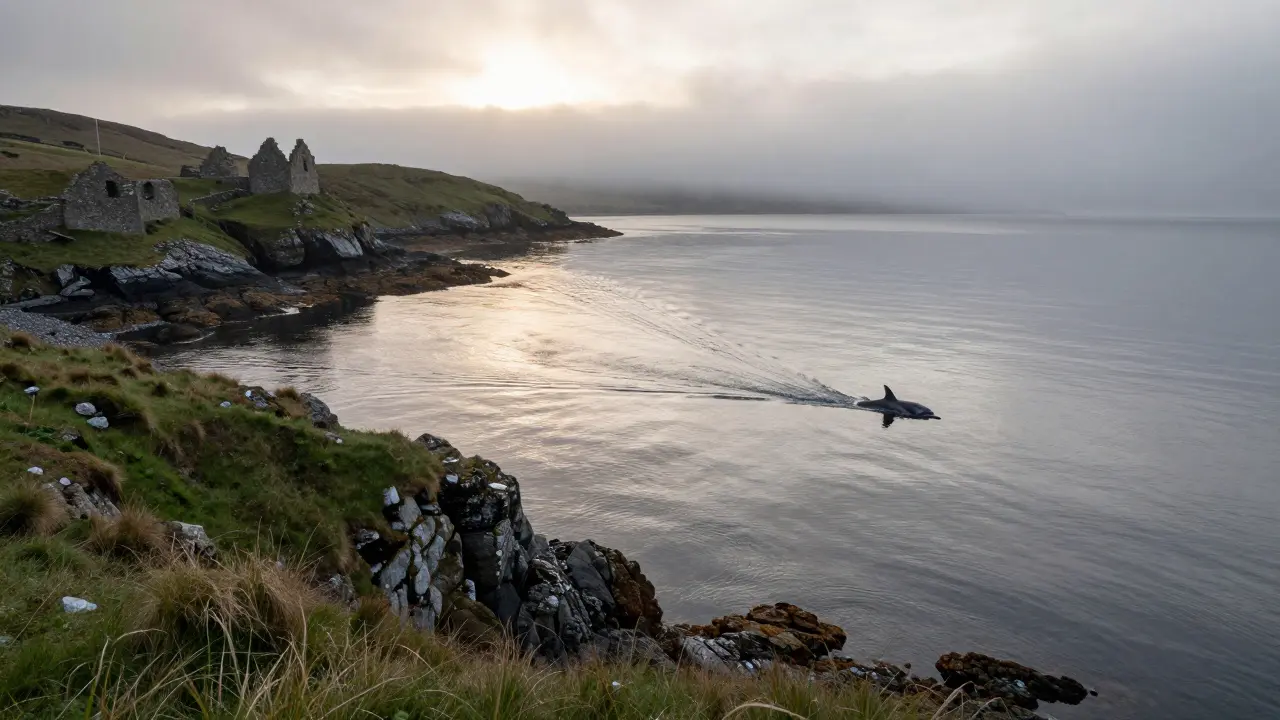
There is a specific kind of magic that happens when you spot a dark grey fin slicing through the water off the coast of Scotland. It’s not just any marine animal; it’s a resident bottlenose dolphin, a species that has chosen the waters of the Moray Firth as its permanent home. While most dolphin sightings around the British Isles are transient visitors passing through on migration routes, the group in the Moray Firth is unique. They live here year-round. This makes the area one of the best places in Europe to see these intelligent creatures in their natural habitat without relying on luck or seasonal migrations.
If you are planning a trip to northern Scotland, seeing these dolphins should be at the top of your list. But there is a catch. You can’t just walk onto any beach and expect to see them. The Moray Firth is vast, and while the dolphins have a core range, they move around based on food sources and weather conditions. Knowing where to stand on the shore or which boat trip to book can mean the difference between a memorable encounter and an empty horizon. Here is everything you need to know about finding them, whether you prefer staying dry on land or getting wet on the water.
The Unique Residents of the Moray Firth
To understand why this location is special, you have to look at the biology and behavior of the Moray Firth bottlenose dolphin population. These animals form distinct social groups, often referred to as pods, which number between 50 and 100 individuals depending on the season and survey methods. Unlike their oceanic cousins who might travel hundreds of miles daily, these dolphins exhibit high site fidelity. They return to the same areas generation after generation.
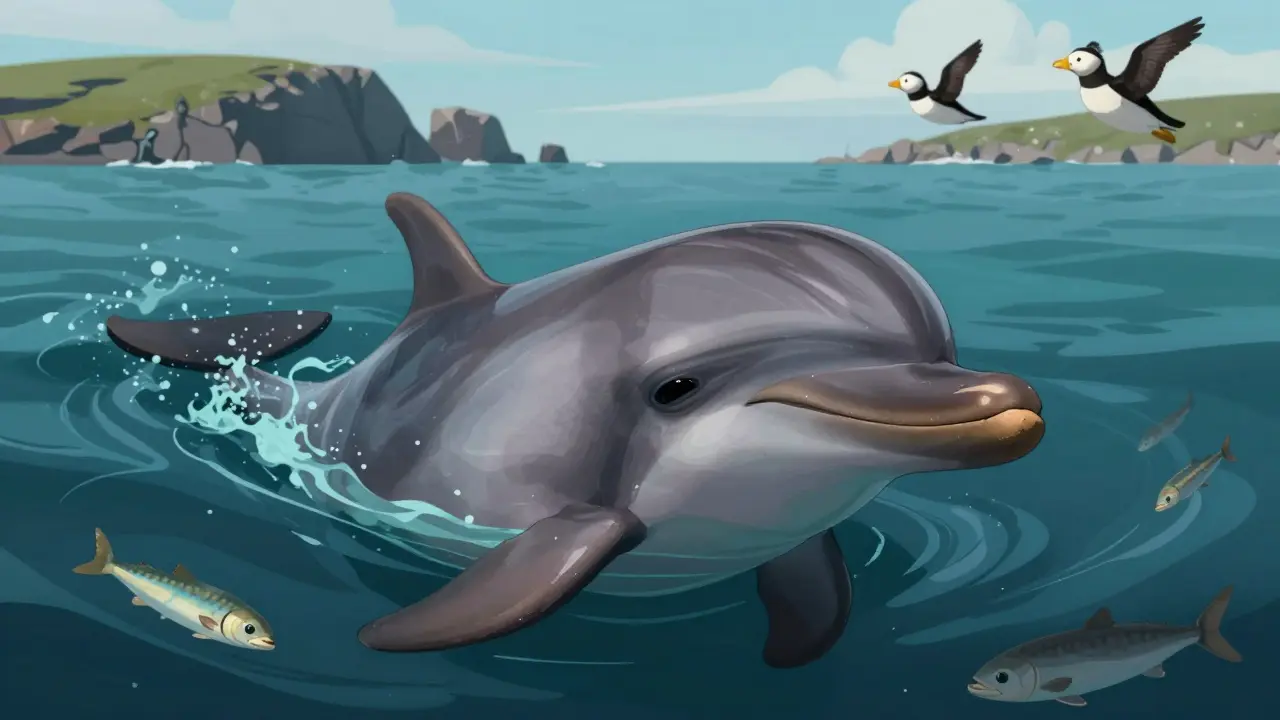
This residency is largely driven by food. The Moray Firth is rich in prey, particularly sand eels and herring, which thrive in the nutrient-rich waters created by the mixing of Atlantic currents and freshwater runoff from the surrounding Highlands. Because the food source is reliable, the dolphins don’t need to migrate far. For a visitor, this predictability is a goldmine. It means that if you go to the right spots at the right time, your chances of success are significantly higher than almost anywhere else in the UK.
However, "predictable" does not mean "guaranteed." Dolphins are wild animals. They are influenced by tides, wind direction, and the movement of their prey. A calm morning with a gentle breeze pushing surface fish toward the shore is ideal. Stormy seas or strong offshore winds can push the dolphins further out to sea, making them invisible from the coast. Understanding these variables is key to planning your visit.
Best Locations for Shore Viewing
You do not need to spend money on a boat ticket to see dolphins, though it helps. There are several vantage points along the coast where sightings are frequent. The key is elevation and visibility. You want to be high enough to scan the horizon but close enough to the water to spot splashes or dorsal fins breaking the surface.
- Findhorn Bay: This is arguably the most famous spot. The village of Findhorn sits on a sheltered bay that acts as a nursery and resting ground for the dolphins. From the cliff tops near the Findhorn Castle ruins, you have a panoramic view of the bay. Early mornings are best here, as the light is softer and the water is calmer.
- Fearn Ness: Located slightly east of Findhorn, this headland offers a different perspective. It’s less crowded and provides a good view of the open water where larger pods often feed. The path down to the beach can be muddy, so wear sturdy boots.
- Rosneath Point: Further west, near Lossiemouth, this point sticks out into the firth. It’s a great spot for spotting dolphins moving between the inner and outer parts of the firth. Binoculars are essential here because the distance can be greater.
- Cromarty Bay: If you are heading further north towards Inverness, Cromarty Bay offers another excellent viewpoint. The cliffs provide height, and the bay’s shape funnels marine life into viewable areas.
A pro tip for shore viewing: bring binoculars. A pair of 8x42 or 10x50 binoculars will help you distinguish a dolphin’s back from a wave crest or a piece of floating debris. Look for the distinctive tall, curved dorsal fin and the splash pattern as they breathe. Dolphins usually surface every 30 to 60 seconds, so keep scanning the same patch of water patiently.
Choosing the Right Boat Trip
If you want a closer experience, joining a dedicated wildlife boat tour is the way to go. However, not all boat trips are created equal. Some are general sightseeing tours that only check for dolphins if time permits, while others are specialized wildlife expeditions led by expert guides who actively search for marine mammals.
| Trip Type | Duration | Focus | Sighting Guarantee? | Best For |
|---|---|---|---|---|
| Specialized Wildlife Tour | 2-3 hours | Dolphins & Seals | High (90%+) | Enthusiasts, Photographers |
| General Sightseeing Cruise | 1-2 hours | Coastal Scenery | Low/Moderate | Casual tourists, Families |
| Seabird Watching Tour | 2-3 hours | Birds & Marine Life | Moderate | Bird lovers, Nature buffs |
When booking, look for operators based in Findhorn, Cullen, or Hopeman. These villages are closest to the core dolphin range. Reputable companies like Dolphin Discovery or Moray Firth Wildlife Cruises employ captains and guides who know the local waters intimately. They monitor radio channels shared by other wildlife watchers and use knowledge of tidal flows to predict where the dolphins might be feeding.
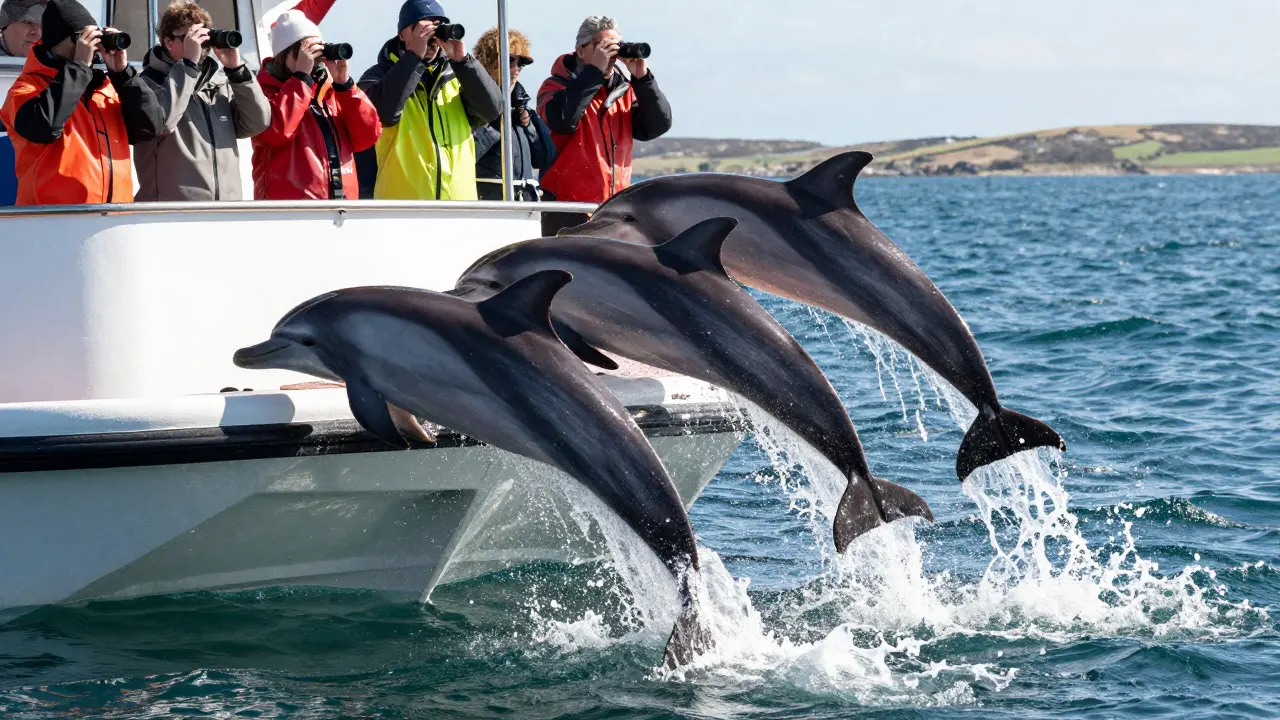
One critical factor to consider is the ethical conduct of the boat operator. Responsible tourism is vital for protecting these sensitive animals. Look for companies that adhere to the Scottish Natural Heritage guidelines for watching marine mammals. These guidelines dictate that boats must maintain a minimum distance of 100 meters from dolphins, avoid cutting off their path, and limit engine noise. If a company promises "close encounters" or chases the animals, avoid them. Good operators will approach slowly, quietly, and respectfully, allowing you to observe natural behaviors without causing stress to the dolphins.
Timing Your Visit for Maximum Success
While the dolphins are present year-round, the quality of your viewing experience can vary dramatically depending on the time of day and season. Weather plays a huge role in visibility and dolphin activity.
Seasonal Trends: Spring (April to June) and early Autumn (September to October) are often considered the prime seasons. During spring, the water temperatures begin to rise, and food becomes abundant. The weather is generally milder, with fewer storms than winter. Summer months (July and August) are popular with tourists, which means more boats on the water, but also better daylight hours. Winter can be challenging due to rough seas and shorter days, but dolphins are still active, and you’ll have fewer crowds.
Time of Day: Dawn and dusk are the most productive times for spotting dolphins. This is when they are most likely to be feeding near the surface. Morning tours tend to offer calmer seas and clearer light for photography. Afternoon tours can be busier with other tourist boats, potentially increasing competition for space near the dolphins, but they also benefit from the cumulative knowledge of morning sightings-guides may already know where the pods were spotted earlier in the day.
Tidal Influence: Pay attention to the tide charts. Incoming tides often push prey closer to the shore, attracting dolphins. Outgoing tides can pull them further out. Many experienced guides prefer starting their trips on a rising tide.
What to Expect During an Encounter
Seeing a bottlenose dolphin in the wild is unlike anything you’ll see in an aquarium. These are powerful, agile animals capable of speeds up to 20 mph. When a pod approaches your boat or swims past the shore, you might see them leaping completely out of the water (breaching), slapping their tails or flippers against the surface (lobtailing), or swimming in synchronized patterns.
They are curious creatures. Often, they will investigate your boat, swimming alongside it or looking up at you from below the surface. Their eyes are expressive, and you can sometimes see individual personality traits-some are shy, while others are bold and playful. Keep your camera ready, but remember to put it down occasionally to just watch. The moment is fleeting, and you don’t want to miss the action behind the lens.
It’s also common to see other marine life during these trips. Grey seals are frequently seen basking on rocks or swimming nearby. Puffins, guillemots, and kittiwakes may circle overhead, especially if you’re on a longer tour. The Moray Firth is a biodiversity hotspot, and a dolphin sighting is often part of a broader wildlife experience.
Practical Tips for Visitors
Preparing properly ensures you get the most out of your trip. Here are some practical advice points based on real-world experience in the region.
- Dress for the Weather: The weather in the Moray Firth can change rapidly. Even in summer, it can be windy and cool on the water. Wear layers, including a waterproof jacket and windproof trousers. Comfortable, non-slip shoes are essential for both shore viewing and boat trips.
- Bring Essentials: Pack binoculars, a camera with a zoom lens, sunscreen, and a hat. Seasickness medication is recommended if you’re prone to motion sickness, even on calm days. Small boats can rock more than large ferries.
- Book in Advance: During peak season (June-August), boat trips fill up quickly. Booking online ahead of time secures your spot and often allows you to choose a specific departure time.
- Be Patient: Whether on shore or boat, patience is key. It might take 20 minutes or two hours to spot the dolphins. Trust your guide and keep scanning the water.
- Respect the Environment: Do not litter, stay on marked paths when shore viewing, and follow all instructions from boat crew regarding safety and wildlife interaction.
Supporting Conservation Efforts
Your visit can contribute positively to the conservation of these dolphins. The Moray Firth population faces threats from pollution, fishing gear entanglement, and climate change affecting prey availability. Several organizations work tirelessly to protect them, including the Sea Watch Foundation and Marine Conservation Society.
Consider donating to these charities or participating in citizen science projects. Some boat tours encourage passengers to report sightings via apps or websites, helping researchers track dolphin movements and population health. By choosing responsible operators and supporting conservation initiatives, you help ensure that future generations can also enjoy the thrill of seeing these magnificent animals in the wild.
Can I swim with the dolphins in the Moray Firth?
No, swimming with wild dolphins is illegal and unethical. It disturbs their natural behavior and can cause stress or injury. Always observe from a safe distance on a boat or from the shore.
What is the best month to see dolphins in the Moray Firth?
Dolphins are present year-round, but April to October offers the best weather conditions and highest sighting probabilities. May and September are particularly good due to mild temperatures and active feeding.
Are boat trips suitable for children?
Yes, many operators welcome families. Ensure the boat has appropriate safety equipment like life jackets for kids. Shorter trips (1-2 hours) are better for younger children who may get bored or cold.
Do I need a guide to see dolphins?
Not necessarily, but a guide significantly increases your chances. They know where to look, how to read the water, and can identify dolphins from a distance. Without a guide, you rely on luck and your own observation skills.
What should I do if I see a stranded dolphin?
Do not touch the animal. Contact the RSPCA or the local coastguard immediately. Provide the exact location and details about the dolphin’s condition. Trained professionals will handle the rescue.
Comments (15)
-
Nathan Pena May 23, 2026
It is rather tedious to read such a pedestrian overview of cetacean observation. The author fails to acknowledge the socio-economic stratification inherent in 'responsible tourism.' While the text suggests booking with operators like Dolphin Discovery, it ignores the fact that these entities often commodify wildlife experiences for the leisure class, thereby exacerbating habitat disturbance under the guise of conservation. Furthermore, the assertion that spring and autumn are 'prime' seasons is a gross oversimplification that disregards complex hydrodynamic variables specific to the Moray Firth's unique estuarine interface. One must possess a certain level of intellectual rigor to truly appreciate the nuances of marine mammal ethology, which this post clearly lacks.

-
Kieran Danagher May 24, 2026
Ah yes, because nothing says 'intellectual rigor' like pretending you've never been cold and wet on a boat while trying to spot a fin. You clearly haven't stood at Findhorn Bay in April wind. Save the pretentious lecture for your diary, mate. Most people just want to see the dolphins without feeling judged by someone who thinks they're better than them for enjoying nature.

-
Sarah Meadows May 26, 2026
The geopolitical implications of unregulated marine tourism in sovereign waters cannot be overstated. We are seeing a clear erosion of national sovereignty as foreign entities exploit our natural resources without adequate oversight or benefit to the local populace. The Moray Firth is British territory, and its inhabitants-both human and cetacean-should be protected from the encroachment of globalized tourism conglomerates that prioritize profit over patriotic stewardship. It is imperative that we assert strict jurisdictional control over these viewing zones to ensure that American and other foreign tourists do not degrade the ecological integrity of our nation's heritage sites through their chaotic and unmanaged presence.

-
Mbuyiselwa Cindi May 27, 2026
I actually went to Cullen last summer and can confirm that the early morning trips are worth every penny. The guides were super knowledgeable and really emphasized keeping distance. I saw about six dolphins swimming right alongside the boat for ten minutes! It was magical. Just make sure you wear layers because even in July it gets chilly when the sun goes down behind the hills. Highly recommend bringing good binoculars too.

-
Mike Marciniak May 29, 2026
You think those dolphins are wild? Please. They are being tracked and monitored by government agencies using acoustic tags that transmit data directly to naval intelligence databases. The 'tourism' is a cover operation to justify the surveillance infrastructure being built along the Scottish coast. Have you noticed how many new 'research stations' have popped up near Findhorn? It is all part of a larger agenda to map ocean currents for submarine deployment. Do not let them fool you into thinking this is about nature. It is about control.

-
Krzysztof Lasocki May 29, 2026
Wow, okay, Mike. Next you will tell me the seagulls are drones. Seriously though, if you are going to go, just book a trip and enjoy yourself. Life is short. Don't let paranoia ruin your chance to see some cool animals. Although, I suppose if you believe the government is watching the dolphins, they are definitely watching you too. So maybe stay home? Just kidding! Or am I?

-
poonam upadhyay May 30, 2026
Oh my gosh!!! I literally screamed when I saw them!! It was the most AMAZING thing ever!!! I took so many pictures but my hands were shaking so much they were blurry lol. But who cares?! The feeling was incredible!!! Everyone needs to go there!!! It changes your life!!! Seriously!!! Don't listen to the haters!!! Just GO!!!

-
Shivam Mogha June 1, 2026
Keep distance. Respect wildlife. Follow rules.

-
OONAGH Ffrench June 1, 2026
the silence of the water before they appear is profound. one learns to wait. to breathe with the tide. the dolphin does not perform for us. it exists. we are merely observers of a truth older than language. findhorn holds this stillness well. do not rush it.

-
VIRENDER KAUL June 2, 2026
let me clarify something for you all because your understanding is fundamentally flawed. the social structure of bottlenose dolphins is not simply 'pods'. it is a fission-fusion society driven by complex kinship networks and resource competition. the article mentions sand eels but fails to discuss the trophic cascade effects of overfishing in the North Sea which directly impacts prey availability. furthermore the ethical guidelines mentioned are insufficient. boats should maintain 200 meters minimum not 100. the stress hormones released in dolphins due to low frequency noise pollution are measurable and detrimental to calf survival rates. you are all participating in a destructive industry without realizing it.

-
ujjwal fouzdar June 3, 2026
We are but dust motes dancing in the sunbeam of existence, fleeting shadows against the eternal blue. To seek the dolphin is to seek the mirror of our own soul, wild and untamed, yet bound by the invisible chains of circumstance. Why do we watch? Because in their leap, we see the possibility of flight, of transcending the gravity of our mundane lives. The Moray Firth is not a location; it is a state of mind, a liminal space where the human and the divine intersect in the spray of the sea. Oh, the tragedy of beauty!

-
Henry Kelley June 5, 2026
hey guys just wanted to say thanks for sharing this info. i was planning a trip with my family and this helped a lot. also sorry if i spelled anything wrong im typing fast. hope everyone has a safe trip out there. dont forget sunscreen!

-
Rahul Borole June 6, 2026
It is incumbent upon the discerning traveler to approach this endeavor with utmost professionalism and preparedness. The Moray Firth presents a unique opportunity for educational enrichment regarding marine biology. However, one must adhere strictly to the protocols established by scientific authorities. Failure to do so constitutes a breach of ethical conduct and undermines the integrity of conservation efforts. I strongly advise consulting the latest publications from the Sea Watch Foundation prior to departure. Knowledge is power, and preparation is key to success.

-
mani kandan June 7, 2026
beautiful place. very peaceful. the water is like glass sometimes. i sat there for hours just watching. no words needed. just peace. the dolphins are shy but if you wait long enough they come close. it is a gift. cherish it.

-
Bhavishya Kumar June 8, 2026
The grammatical structure of the provided text is acceptable however the use of colloquialisms such as 'catch' and 'goldmine' detracts from the academic tone required for such a subject. Additionally the punctuation in several sentences is inconsistent. For instance the phrase 'predictable does not mean guaranteed' requires quotation marks around predictable and guaranteed for clarity. Furthermore the citation of sources would enhance credibility. The table formatting is adequate but could benefit from more precise terminology regarding sighting probabilities. Overall it is readable but lacks scholarly rigor.
