
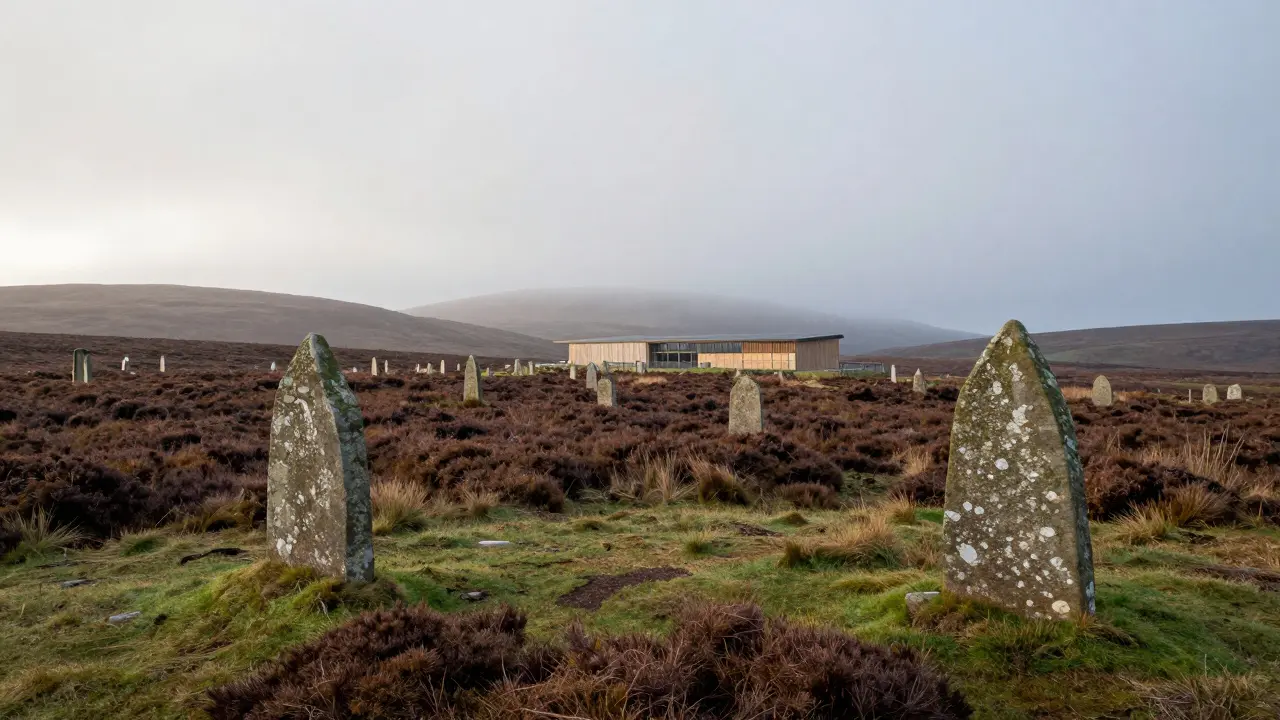
Standing on a windswept hill in the Scottish Highlands, it is easy to forget that the ground beneath your feet once echoed with the clash of steel and the roar of thousands. For many travelers, these sites are not just scenic stops; they are portals to a turbulent past. However, visiting historic battlefields requires more than just reading a map. It demands an understanding of the landscape, the history, and the deep respect owed to those who died there.
Scotland’s history is written in its terrain. From the lowland plains of Stirling to the rugged moors of Inverness-shire, the geography dictated the strategy, the outcome, and often the fate of nations. If you plan to explore these grounds, knowing where to go, what to see, and how to behave will transform a simple walk into a profound experience.
The Landscape as a Witness
Before discussing specific locations, it is crucial to understand why these places look the way they do today. Unlike European battlefields marked by grand monuments or manicured gardens, Scottish battlefields are often open land. They are working farms, public parks, or wild moorlands. This lack of obvious infrastructure can be confusing for first-time visitors. You might drive past a field thinking nothing happened there, only to realize later that it was the center of a pivotal conflict.
This invisibility is part of the challenge and the charm. The landscape itself is the primary artifact. To truly engage with these sites, you need to read the topography. A slight dip in the ground might have been a defensive ditch. A ridge could have been the final stand of a clan army. Without context, these features are just natural variations. With knowledge, they become stories.
| Feature | Significance | Visitor Tip |
|---|---|---|
| Open Moorland | Allows for wide-scale maneuvers; offers panoramic views of tactical positions. | Wear sturdy boots; weather changes rapidly. |
| Agricultural Land | Many fields are still farmed; crops may obscure archaeological remains. | Stay on designated paths; respect farm boundaries. |
| Wooded Areas | Often mark old fortifications or provide shelter for historical markers. | Check for signage at tree lines; use audio guides. |
Culloden Moor: The Heartbreak of the Highlands
No discussion of Scottish battlefields is complete without mentioning Culloden Moor. The site of the last pitched battle fought on British soil, which ended the Jacobite rising of 1745.. Located just east of Inverness, this site carries a heavy emotional weight. It was here that the Highland clans made their final stand against the Hanoverian government forces.
The battlefield itself is hauntingly flat. Today, it is managed by the National Trust for Scotland and features a modern visitor centre designed by architect Kengo Kuma. The building is intentionally unobtrusive, blending into the horizon so as not to distract from the open space. Inside, you will find personal artifacts-buttons, musket balls, and letters-that humanize the statistics of war. These objects remind you that the people who died here were farmers, shepherds, and artisans, not just abstract soldiers.
Walking the field, you will encounter stone cairns marking the graves of individual clansmen. Each cairn tells a story of a family line extinguished or scattered. The atmosphere is solemn. Visitors often speak softly, if at all. This quiet reverence is appropriate. The tragedy of Culloden is not just military defeat; it is the cultural suppression that followed, including the banning of tartan and bagpipes. Understanding this context adds depth to your visit.
Bannockburn: Strategy and Stone
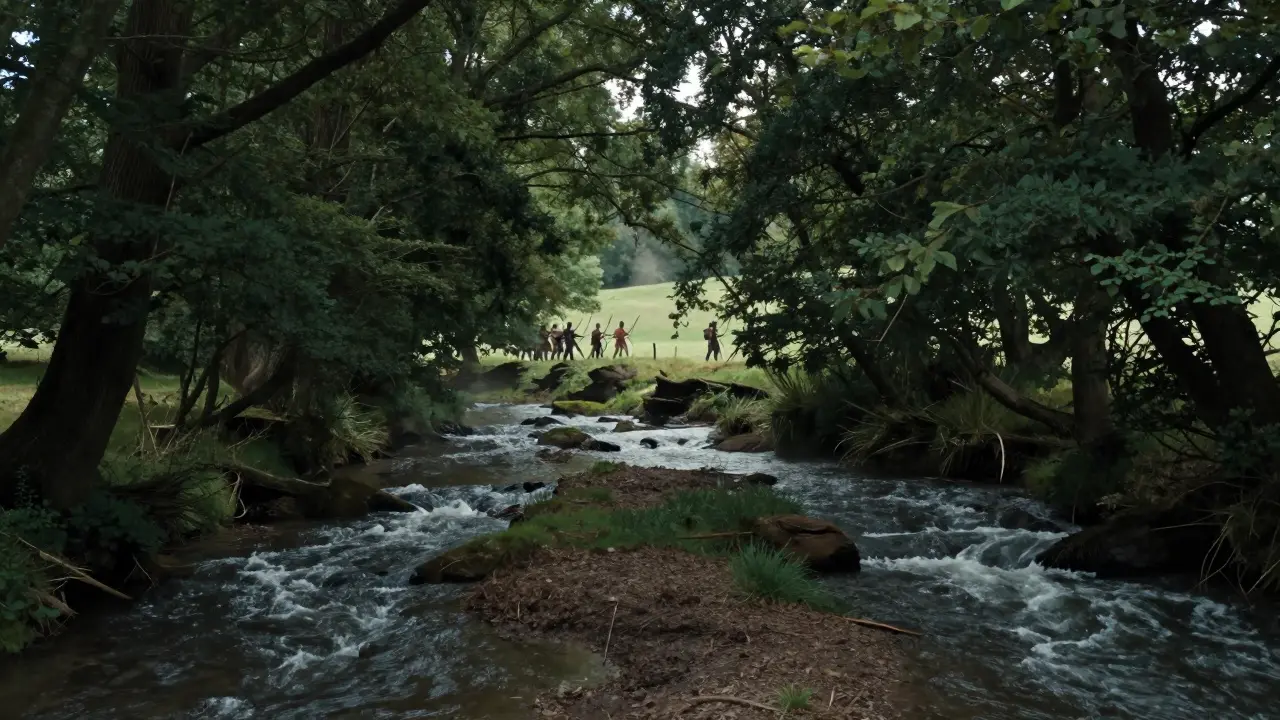
Moving south to the Lowlands, we find Bannockburn. The site of Robert the Bruce’s decisive victory over Edward I of England in 1314.. Unlike Culloden, Bannockburn is defined by its strategic use of terrain. Robert the Bruce chose a narrow strip of land between two burns (streams) and a dense forest called the Devil’sden. This forced the English army to fight in cramped conditions, neutralizing their numerical advantage.
The visitor centre at Bannockburn, operated by Historic Environment Scotland, uses immersive technology to bring the battle to life. You can watch films that reconstruct the chaos of combat and listen to expert analyses of the tactics used. The centre also houses the original monument erected in 1825, which stands tall against the sky. While the monument is impressive, the real lesson lies in the surrounding parkland. Walking through the woods, you can imagine the tension of the Scottish archers hidden among the trees, waiting for the signal to strike.
Bannockburn is significant because it secured Scottish independence for nearly three centuries. It is a place of national pride, but also a complex reminder of medieval warfare. The sheer brutality of hand-to-hand combat is evident in the archaeological findings, including mass graves discovered in recent years. These discoveries have reshaped our understanding of the battle’s duration and intensity.
Flodden Field: The Far-Flung Tragedy
Not all significant battles involving Scots took place within Scotland’s borders. Flodden Field. A battlefield in Northumberland, England, where James IV of Scotland died in 1513.. This site is crucial for understanding the Anglo-Scottish wars. James IV invaded England to support France, fulfilling an ancient alliance known as the Auld Alliance. The result was catastrophic for Scotland. James IV and much of the nobility were killed, leaving the country leaderless and vulnerable.
Visiting Flodden requires a trip across the border into England, but the connection to Scottish history is undeniable. The site is managed by the Battlefields Trust and features informative panels explaining the movement of troops. The landscape is rolling and green, now peaceful, but it once hosted one of the bloodiest conflicts in British history. The scale of death was immense, with estimates suggesting up to 10,000 men perished. Many bodies were never recovered, leading to local legends of haunted fields.
The significance of Flodden extends beyond military loss. It triggered political instability in Scotland and led to the eventual union of the crowns. Visiting this site helps contextualize the long-standing rivalry between England and Scotland, showing how deeply intertwined their histories are.
Respectful Engagement: How to Visit
Visiting battlefields is different from visiting a museum or a castle. These are sacred spaces for many, particularly descendants of those who fought and died. Respect is paramount. Here are some guidelines to ensure your visit is meaningful and appropriate.
- Stay on Paths: Many battlefields contain fragile archaeological remains. Walking off-trail can damage buried artifacts and disturb the soil. Stick to designated routes to preserve the site for future generations.
- No Picnics or Alcohol: Eating and drinking alcohol on active battlefields is generally frowned upon. It trivializes the gravity of the events that occurred there. Choose nearby cafes or designated picnic areas instead.
- Silence and Reflection: Speak quietly. Allow others space for reflection. Photography is usually permitted, but avoid posing for frivolous selfies near memorials. Capture the landscape and the markers, not yourself.
- Leave No Trace: Take all litter with you. This includes biodegradable items like fruit peels. The goal is to leave the site exactly as you found it.
- Honor Memorials: If you wish to pay respects, a moment of silence is sufficient. Do not move stones or add unauthorized offerings unless it is a recognized tradition at that specific site.
The Role of Visitor Centres
Modern visitor centres play a critical role in interpreting these landscapes. They provide the narrative framework that makes sense of the physical evidence. At sites like Culloden and Bannockburn, these centres are state-of-the-art facilities that combine education, conservation, and accessibility.
They offer guided tours led by experts who can answer questions and share lesser-known stories. Audio guides allow you to explore at your own pace while receiving detailed commentary. Interactive exhibits help visualize troop movements and weaponry. For families, these centres often have educational programs tailored to children, making history accessible and engaging.
Supporting these centres by purchasing tickets or memberships contributes directly to the preservation of the sites. Maintenance of the land, repair of monuments, and archaeological research require ongoing funding. Your visit is not just a leisure activity; it is an investment in heritage conservation.
Practical Tips for Your Journey
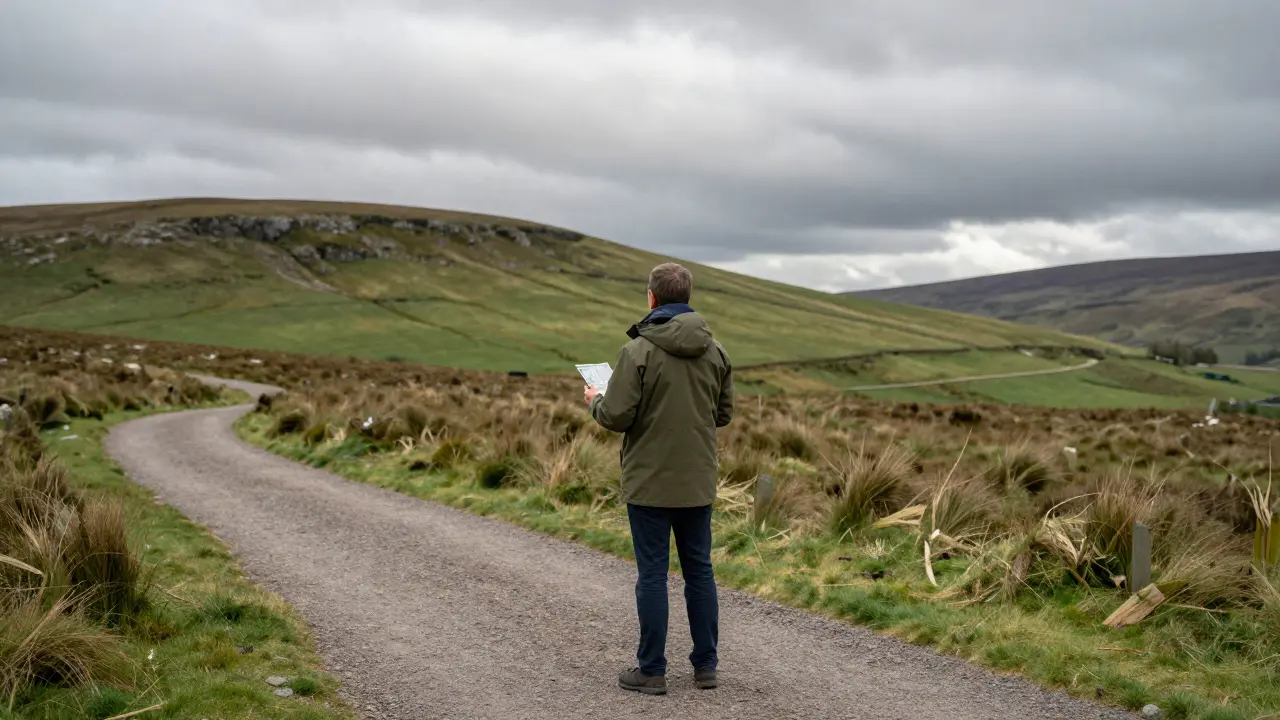
Planning a trip to Scotland’s battlefields requires some preparation. Weather in Scotland is unpredictable, so dress in layers and waterproof gear. Comfortable walking shoes are essential, as many sites involve uneven terrain. Check opening times in advance, as some centres may have reduced hours in winter.
Consider combining visits with other historical attractions. For example, a trip to Culloden can easily include a visit to Inverness Castle or the nearby Clava Cairns. Similarly, Bannockburn is close to Stirling Castle and the Wallace Monument. This allows you to create a comprehensive itinerary that covers multiple aspects of Scottish history.
Finally, take time to read before you go. Books, documentaries, and online resources can enrich your experience significantly. Knowing the key figures, dates, and outcomes will help you appreciate the nuances of each site. History is not just about what happened; it is about why it matters. By approaching these places with curiosity and respect, you honor the past and deepen your understanding of Scotland’s identity.
Are there any free battlefields to visit in Scotland?
Yes, several battlefields are freely accessible. For example, the field at Prestonpans is open to the public without charge. However, most major sites like Culloden and Bannockburn charge an entry fee to support maintenance and interpretation services. Some sites may offer free access on certain days or for members of heritage organizations.
Can I visit Culloden Moor during the winter?
Yes, Culloden Moor is open year-round. The visitor centre has seasonal hours, so check their website before visiting. Winter visits can be atmospheric but require warm clothing due to wind and rain. The shorter daylight hours mean you should plan your visit carefully to maximize your time on the field.
Is it appropriate to wear traditional Scottish attire when visiting these sites?
Wearing kilts or tartan is generally acceptable and common, especially at sites like Culloden. However, it is important to be mindful of the context. At Culloden, wearing tartan can be seen as a reclamation of culture after the ban imposed following the battle. Ensure your attire is respectful and not worn in a mocking manner.
Are there guided tours available for battlefields?
Yes, both official visitor centres and independent tour operators offer guided tours. Official tours are led by trained interpreters who provide accurate historical context. Independent tours may offer more personalized experiences or focus on specific aspects like clan history. Booking in advance is recommended, especially during peak tourist seasons.
What should I do if I find an artifact on a battlefield?
Do not pick it up. Removing artifacts is illegal under the Ancient Monuments and Archaeological Areas Act 1979. Report any finds to the site management or local authorities immediately. Preserving the context of artifacts is crucial for archaeological research and historical understanding.