
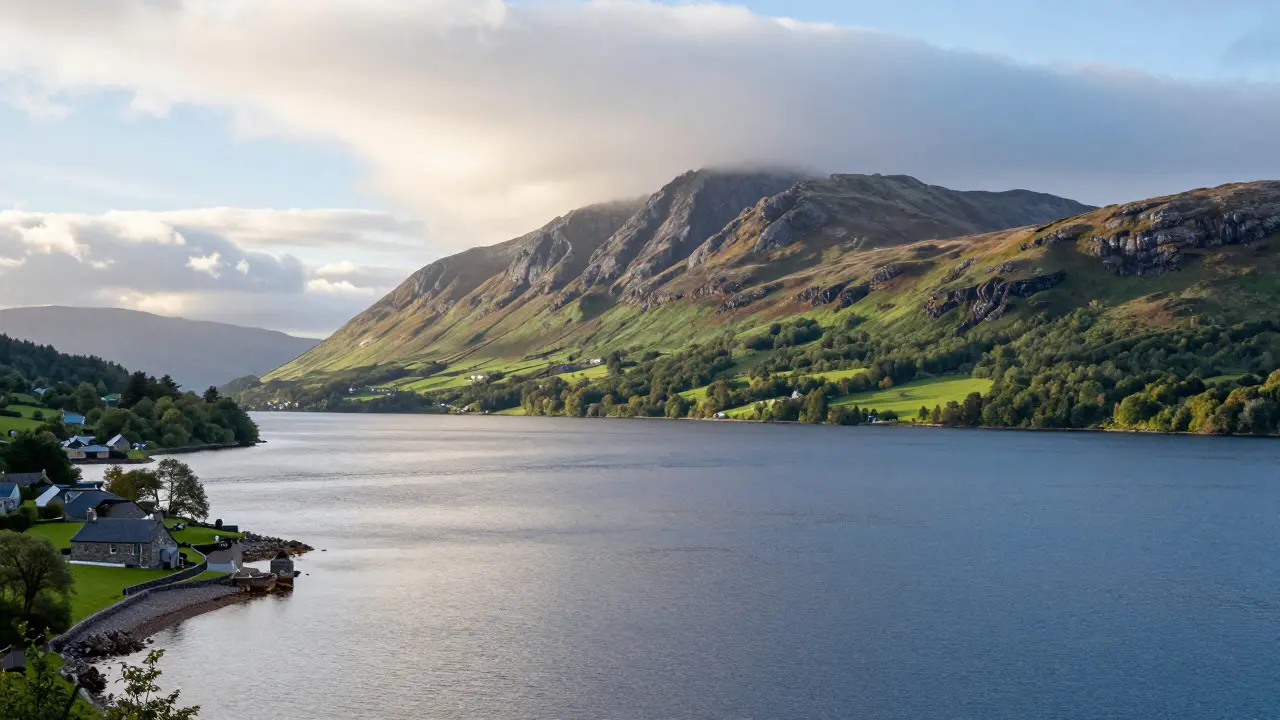
Imagine standing on a train platform in central Glasgow, the rain just stopping, when you realize you can be sitting by one of Scotland’s most iconic lakes within forty-five minutes. That is the magic of Loch Lomond, a large freshwater loch in the Central Lowlands of Scotland that forms part of the boundary between the local government areas of Stirling and West Dunbartonshire. It isn’t just a pretty postcard; it is a playground for hikers, paddlers, and anyone who wants to escape the city without spending hours on the road.
If you are planning a quick getaway, knowing how to navigate this area efficiently makes all the difference. You don’t need a week-long itinerary to enjoy the Highlands’ gateway. With the right route, transport choices, and activity picks, you can pack a full day of adventure into a single weekend slot. Here is everything you need to know about making the most of your time at Loch Lomond, specifically tailored for travelers coming from Glasgow.
Getting There: The Glasgow Connection
The first decision you face is how to get there. For many visitors, driving seems like the obvious choice, but public transport has improved significantly in recent years. The distance from Glasgow City Centre to the southern end of the loch (Balloch) is roughly twelve miles, while the northern end near Inverarnan is closer to thirty miles.
If you prefer not to drive, the ScotRail service runs frequent trains from Glasgow Queen Street Station directly to Balloch. The journey takes about forty to fifty minutes. This is ideal if you plan to stay in the southern half of the park. However, if you want to reach the wilder northern sections or hike up Ben Lomond, the highest mountain in the Lowlands of Britain with an elevation of 974 meters, you will likely need a car or a pre-booked tour bus. Bus services exist but run less frequently than trains, so checking the Stagecoach Highland timetable before you leave is crucial.
| Method | Travel Time | Cost Estimate (One Way) | Best For |
|---|---|---|---|
| Train (to Balloch) | ~45 mins | £8 - £12 | Budget travelers, no-car access |
| Car | 45-60 mins | Fuel + Parking (£3-£5) | Flexibility, Northern Loch access |
| Bus (Stagecoach) | ~60 mins | £5 - £8 | Mid-range flexibility |
Parking is a major pain point during summer weekends. If you drive, aim to arrive before 10:00 AM. Popular spots like Luss and Balmaha fill up quickly. Using the train to Balloch avoids this stress entirely, as the station connects directly to the waterfront via a short walk or the Balloch Ferry.
Top Day Trip Routes and Scenic Spots
Once you are at the loch, the question becomes: where do you go? The landscape changes dramatically as you move north. The southern end is manicured, with golf courses and family-friendly parks. The northern end is rugged, remote, and breathtakingly beautiful.
Luss, a small village on the eastern shore of Loch Lomond known for its historic church and scenic views is often cited as the prettiest village in Scotland. It is worth the detour. Walk along the promenade, visit the old churchyard with its view over the water, and grab coffee at one of the independent cafes. From Luss, you can take the Balloch Long Bridge walk back toward the south, or continue north toward Tarbet.
For a more active experience, consider the Loch Lomond Shores Trail. This long-distance path follows the western shore. You don’t need to walk the whole thing. A popular segment is from Rowardennan to Inversnaid. This section offers dramatic views of the waterfall at Inversnaid, where the river Leven exits the loch. The drop in water level here is significant, creating a powerful visual contrast between the calm lake and the rushing river.
If you have a car, drive up to Tarbet at the northern tip. It feels worlds away from Glasgow. The air is cooler, the trees are denser, and the silence is profound. From here, you can see the Munros (mountains over 3,000 feet) in the distance, marking the transition into the true Highlands.
Watersports: Paddling, Sailing, and Swimming
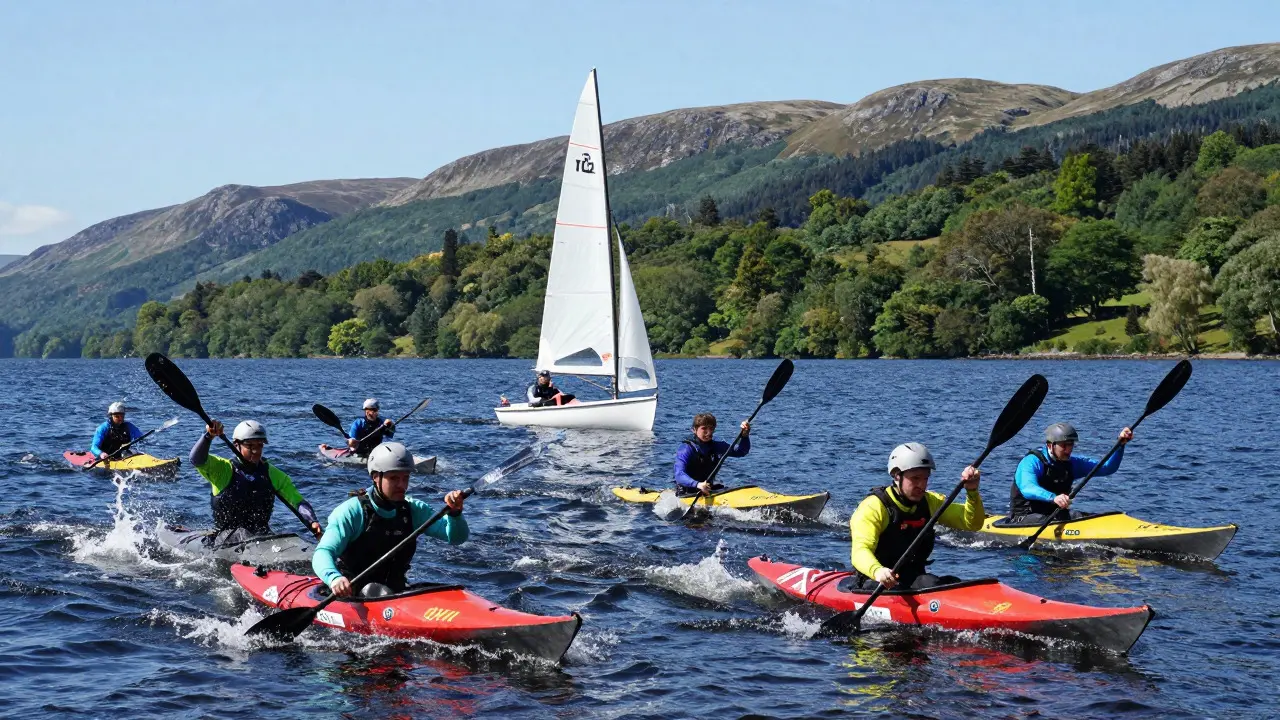
Loch Lomond is not just for looking at; it is for getting on. The water sports scene here is mature and well-regulated. Whether you are a beginner or an experienced sailor, there are options available.
Kayaking is perhaps the most accessible activity. Several companies operate out of Balloch, Balmaha, and Luss. You can rent kayaks for hourly slots or join guided tours. A two-hour paddle from Balmaha allows you to explore the sheltered bays and potentially spot red deer grazing on the opposite shore. Remember that the weather on the water can change faster than on land. Always check the forecast and wear a life jacket, even if you are a strong swimmer.
Sailing enthusiasts flock to Rowardennan, which serves as the base for the Scottish Canoe Association and various sailing clubs. If you want to try your hand at dinghy sailing, look for lessons offered through the Royal Yachting Association accredited centers nearby. The winds on the open loch can be strong, making it excellent for learning wind dynamics, but challenging for novices without instruction.
Swimming is becoming increasingly popular, especially in the summer months. Designated swimming areas are marked at Balloch Castle Country Park and near Luss. The water temperature rarely exceeds 15°C (59°F), even in August. This means wetsuits are recommended for extended swims, but many locals brave the cold for short dips. Always enter the water gradually to avoid shock.
Hiking: Beyond Ben Lomond
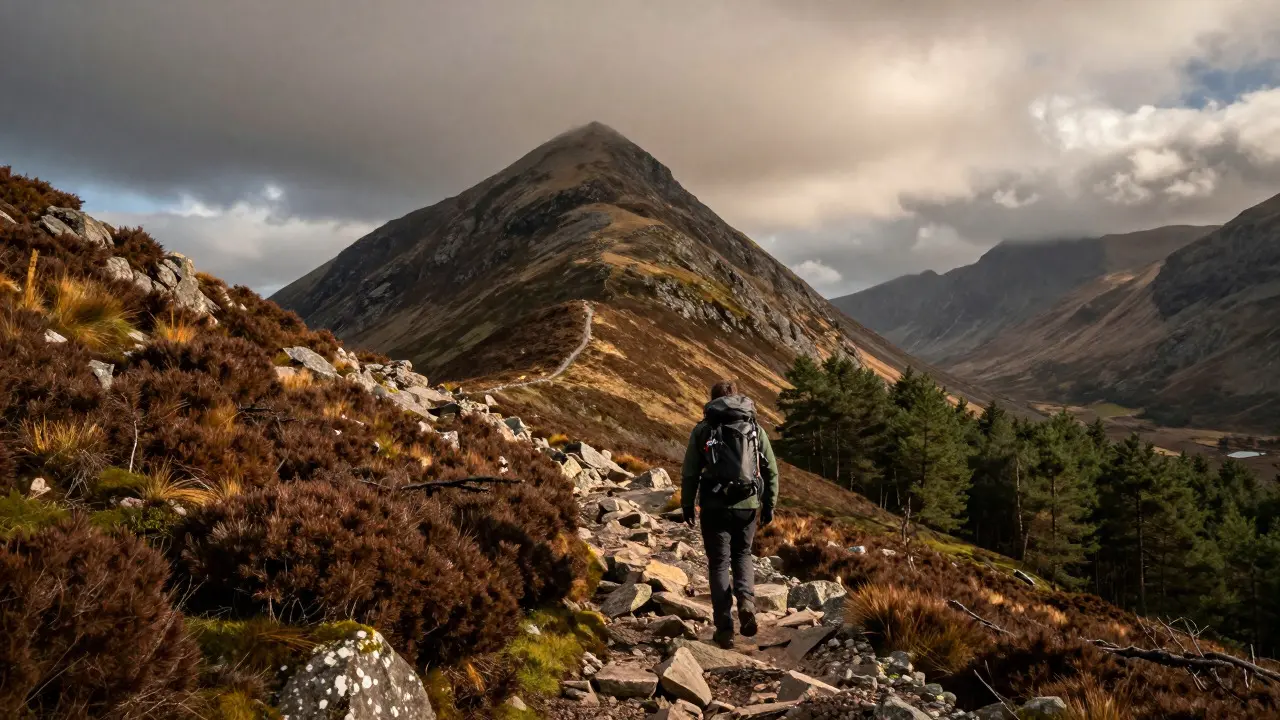
While Ben Lomond is the star attraction, it gets crowded. The standard ascent from Balmaha is straightforward but busy. If you want solitude, consider alternative routes. The path from Inversnaid is steeper and less trafficked. It requires better fitness levels but rewards you with fewer people at the summit.
For those who prefer gentler walks, the Trossachs National Park, Scotland's first national park, established in 2002, covering the Loch Lomond and Trossachs region offers numerous circular trails. The Glendoe Circular Walk is a favorite. It starts near Drymen and leads through ancient woodland to a stunning glacial valley. The trail is well-marked and suitable for families, taking about three to four hours to complete.
Always carry appropriate gear. Weather in the hills can turn in minutes. Waterproof layers, sturdy boots, and a map are essential. Mobile phone signal can be patchy in the deeper valleys, so downloading offline maps is a smart precaution.
Food and Drink: Where to Eat
A day trip isn’t complete without good food. The area around Loch Lomond has seen a boom in quality dining. Avoid the generic fast-food outlets near the main car parks. Instead, seek out local pubs and cafes.
In Luss, the Luss Hotel offers traditional Scottish fare with a modern twist. Their fish and chips are made with locally sourced seafood. For a quicker bite, the cafe in the Balloch Castle grounds provides decent sandwiches and pastries with a view of the castle ruins.
If you are heading north, the Bridge of Orchy Inn is slightly outside the immediate loch area but worth the drive. It is famous for its steak and ale pie. Booking ahead is essential, especially on weekends.
Don’t forget to support local producers. Many farms around the loch sell cheese, honey, and whisky directly. A stop at a distillery like Glenfiddich or GlenDronach (both nearby) can extend your day into the evening with a tasting session.
Practical Tips for Your Visit
- Check Opening Times: Attractions like Balloch Castle and museums may have reduced hours in winter. Always verify online before traveling.
- Dress in Layers: Temperatures can vary by 10°C between the lowlands and the hilltops. Start warm and strip down as you exercise.
- Respect Wildlife: Red deer and otters are common. Keep dogs on leads near livestock and avoid feeding wildlife.
- Leave No Trace: Take all litter home. The beauty of the loch depends on keeping it clean.
- Book Ahead: During peak season (July-August), accommodation and popular tours sell out weeks in advance.
Conclusion: Why It Works
Loch Lomond works as a day trip because it compresses diverse experiences into a small geographic area. You can hike a mountain, paddle a lake, eat fresh seafood, and return to Glasgow in time for dinner. It is efficient, beautiful, and deeply connected to Scottish culture. By planning your transport, choosing your activities wisely, and respecting the environment, you ensure a memorable experience that doesn’t feel rushed or overcrowded.
How far is Loch Lomond from Glasgow?
The southern end of Loch Lomond (Balloch) is approximately 12 miles from Glasgow city center, taking about 45 minutes by train or car. The northern end is further, around 30 miles.
Is it possible to visit Loch Lomond without a car?
Yes. Trains run regularly from Glasgow Queen Street to Balloch. From there, you can walk, cycle, or use local buses to explore the southern part of the loch. Accessing the northern areas without a car is difficult.
What is the best time of year to visit?
Summer (June-August) offers the warmest weather and longest days, ideal for watersports. However, it is also the busiest. Spring and autumn provide fewer crowds and vibrant foliage, though temperatures are cooler.
Can I swim in Loch Lomond?
Yes, designated swimming areas are available at Balloch and Luss. The water is cold year-round (averaging 15°C in summer), so wetsuits are recommended for comfort and safety.
Is Ben Lomond a difficult hike?
It is considered a moderate hike. The path is well-defined, but the ascent is steep and exposed. Good fitness and waterproof clothing are essential. It typically takes 5-6 hours round trip.