
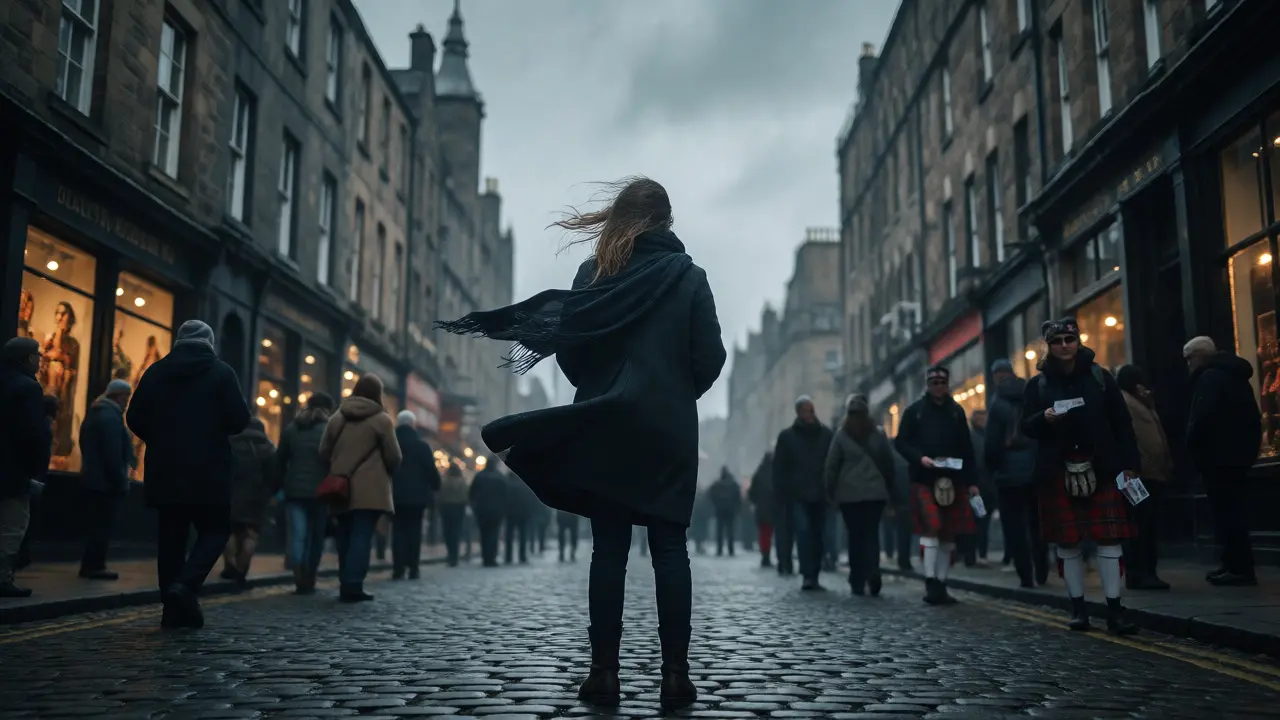
You’re standing on the Royal Mile. The wind is cutting through your coat, and you’ve got about three hours before dinner. You want something authentic, not a tourist trap that shoves a plastic cup of blended scotch in your hand while a guide reads from a script written in 1995. You want to understand why this amber liquid matters so much to Scotland, and more importantly, you want to taste the difference between a smoky Islay dram and a fruity Speyside single malt without needing a PhD in chemistry.
Here’s the truth: Edinburgh has more whisky experiences per square mile than almost anywhere else in the UK. But most visitors pick the wrong tour. They end up in a dark basement with no windows, drinking cheap blends they could buy at a supermarket for half the price. Or they spend £60 on a "premium" tasting where they get five tiny sips and a lecture on distillation temperatures they didn’t ask for.
Why Do Whisky Tours in Edinburgh Differ So Much?
The market is flooded. From the moment you step off Waverley Station, you’ll be handed flyers by people in kilts promising "the real Scottish experience." But there are two distinct types of operators here, and knowing the difference saves you money and disappointment.
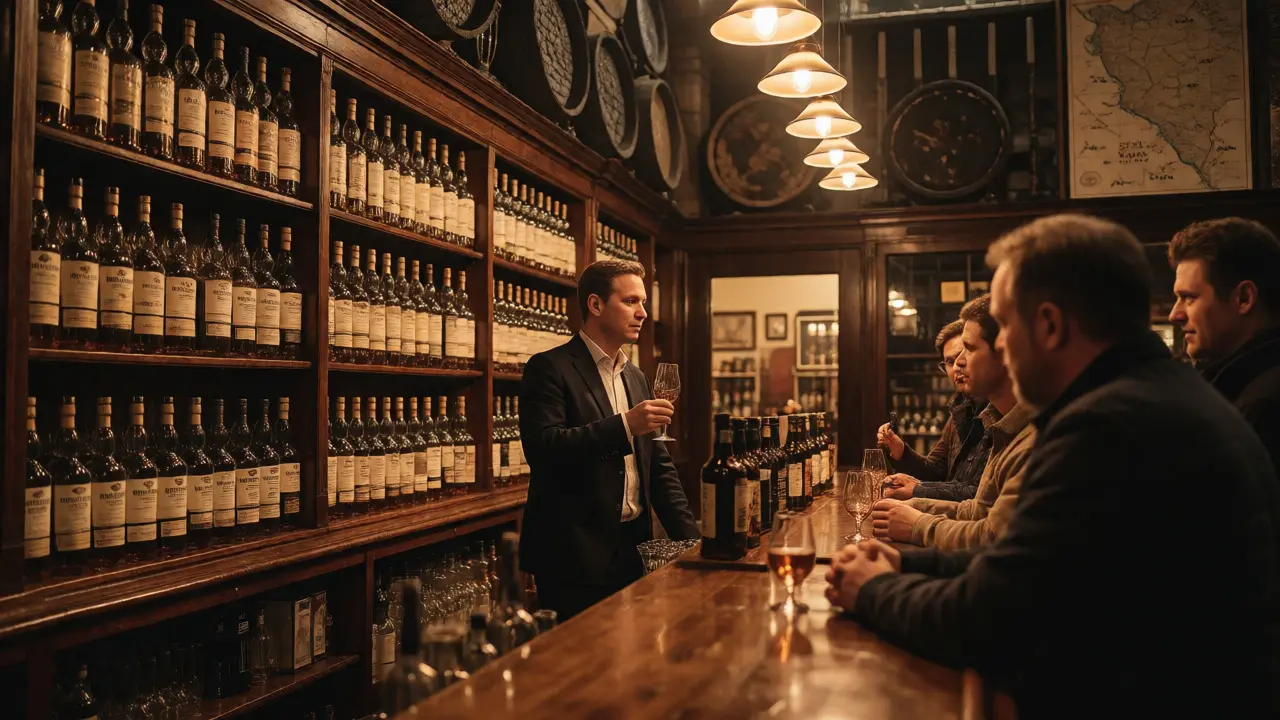
First, there are the High-Volume Tour Companies. These run groups of 20-30 people. They have fixed schedules, loud guides, and a focus on speed. You get in, you drink, you leave. It’s efficient if you’re short on time, but you won’t learn much beyond the basics. The second type is the Specialist Tasting Rooms. These are smaller, often family-run businesses located in hidden courtyards or historic buildings near the Old Town. They cap groups at 8-12 people. The staff are usually certified whisky ambassadors who actually enjoy talking about cask maturation. If you care about learning, go with the specialists.
| Feature | High-Volume Tours | Specialist Tastings |
|---|---|---|
| Group Size | 20-30 people | 4-12 people |
| Cost (Avg) | £25-£35 | £45-£70 |
| Educational Depth | Basic history & geography | Cask types, regional profiles, nosing techniques |
| Whisky Quality | Entry-level blends & standard singles | Rare bottlings, cask-strength options |
| Best For | Quick overview, large groups | Enthusiasts, curious beginners wanting depth |
Where Should You Actually Go? Top Locations in the City Centre
Location matters less than the host, but proximity helps when you’ve already walked 10,000 steps around Holyrood Palace. Here are the three zones that offer the best balance of quality and convenience.
The Grassmarket & Victoria Street Area
This is the heart of the tourist action, but also home to some surprisingly good spots. Look for venues tucked away in the closes (alleys) off the main drag. Many of these places started as independent bottle shops and expanded into tastings because customers kept asking, "What does this actually taste like?" Because they sell bottles, their incentive is to find a whisky you love, not just dump stock. You’ll often find hosts who will let you smell the empty casks or show you the raw barley samples.
The New Town (George Street & Thistle Street)
If you prefer a quieter, more refined atmosphere, head north of Princes Street Gardens. The New Town offers Georgian elegance and slightly higher-end selections. Places here tend to focus on premium single malts and rare imports. It’s a better fit if you’re looking for a sophisticated evening rather than a rowdy pub crawl vibe. Expect longer explanations on production methods and fewer jokes about kilts.
Leith Walk (The Modern Hub)
A bit further out, but worth the tram ride. Leith has undergone a massive regeneration over the last decade. It’s now packed with craft cocktail bars and dedicated whisky lounges that feel modern and unpretentious. This area is great if you want to pair whisky with food-think smoked salmon crostini or dark chocolate truffles. The vibe here is younger, more experimental, and often cheaper than the Old Town equivalents.
What Will You Actually Learn? Breaking Down the Curriculum
A good tour isn’t just about drinking; it’s about training your palate. Most reputable Edinburgh experiences follow a similar structure, but the depth varies. Here’s what you should expect from a quality session.
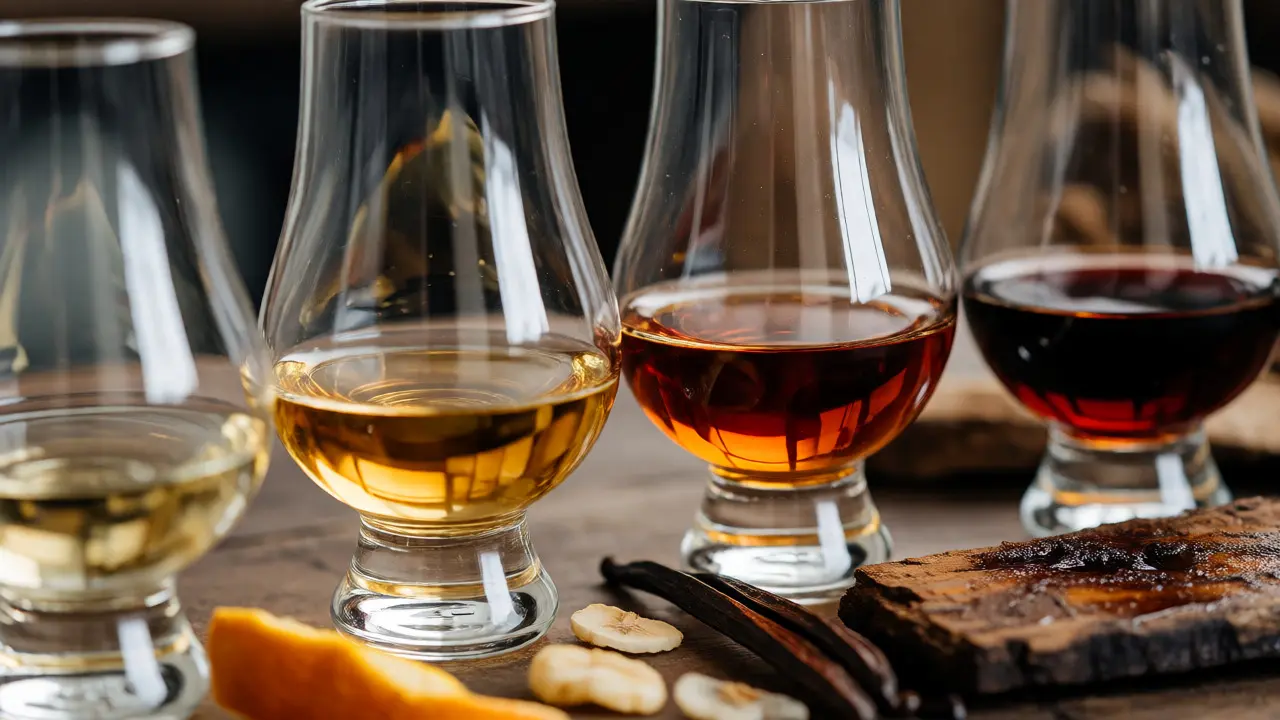
- The Nosing Technique: Hosts teach you how to hold the glass, why you shouldn’t swirl it like wine (alcohol evaporates too fast), and how to take small sips. You’ll learn to identify primary notes like vanilla, peat smoke, citrus, or oak.
- Regional Differences: You’ll compare drams from different areas. A classic lineup might include a light Lowland grain, a spicy Highland malt, a rich Speyside, and a heavily peated Islay. This contrast is crucial for understanding why "Scotch" isn’t one flavor.
- Cask Influence: Over 60% of whisky’s flavor comes from the wood. Good tours explain the difference between ex-bourbon barrels (lighter, vanilla notes) and sherry casks (darker, dried fruit notes). Some even let you touch a piece of charred oak.
- Water Matters: Since Scotch must be made in Scotland using local water, tours often discuss how mineral content affects the final product. Soft water from the Highlands produces a smoother spirit; harder water elsewhere can add bite.
One common misconception is that age equals quality. A 12-year-old whisky isn’t automatically better than an 8-year-old. It depends entirely on the cask. If a tour tells you older is always better, walk away. That’s outdated marketing.
How Much Does It Cost and Is It Worth It?
Budget expectations vary wildly. Here’s the realistic breakdown for 2026:
- £20-£30: Basic intro tours. Usually includes 3-4 small samples (15ml each). Often part of a larger walking tour. Good for a quick fix, but don’t expect deep insights.
- £40-£60: Dedicated tasting rooms. Includes 4-6 samples, sometimes including a rare or aged expression. Educational component is strong. This is the sweet spot for most travelers.
- £70+: Premium experiences. May include food pairings, visits to a working distillery within the city limits (rare), or access to exclusive cask strength bottlings. Worth it only if you’re a serious enthusiast.
Is it worth the money? Yes, if you choose correctly. Buying a £50 bottle of Macallan blind is risky. Spending £50 on a tour lets you try five different styles for the same price. If you find one you love, you can buy a sample size or a full bottle afterward, often with a discount offered to tour participants. That’s smart consumerism.
Pitfalls to Avoid: How Not to Get Rip-Off
I’ve seen tourists make the same mistakes repeatedly. Here’s how to dodge them.
The "Free" Sample Trap: If someone on the street offers you a free shot of whisky, be cautious. It’s usually a very low-quality blend designed to get you into their venue. Once inside, you’ll face high-pressure sales tactics. If you want a free taste, go to a licensed bar during happy hour instead.
Ignoring the Spitting Option: If you’re driving or have a busy schedule, ask if you can spit out the samples. Reputable hosts encourage this. It allows you to taste six whiskies without getting drunk. Bad hosts look annoyed if you don’t finish everything. Their attitude tells you everything about their professionalism.
Booking Last Minute on Weekends: Edinburgh fills up fast, especially during festivals (August) or Christmas markets (December). Popular specialist rooms book out days in advance. If you wait until you arrive, you’ll likely end up with the high-volume group tours. Book online at least 48 hours ahead.
Pro Tips for Getting the Most Out of Your Visit
You don’t need to be an expert to enjoy these tours, but a little preparation enhances the experience.
- Eat Beforehand: Drinking whisky on an empty stomach hits hard. Have a meal first. The fats and proteins help coat the stomach lining, making the alcohol easier to handle.
- Avoid Strong Perfumes: Smell is 80% of taste. If you’re wearing heavy cologne or perfume, you’ll mask the subtle aromas of the whisky. Keep it neutral.
- Ask Questions: Don’t be shy. Ask "Why is this smoky?" or "What makes this expensive?" Hosts love engaged audiences. You’ll often get extra tips or stories that aren’t in the script.
- Take Notes: Write down the names of whiskies you liked. You can use apps like Vivino or dedicated whisky trackers later to remember what you enjoyed. This helps when buying gifts back home.
Frequently Asked Questions
Do I need prior knowledge of whisky to join a tour?
No. Most tours are designed for beginners. Hosts assume zero prior knowledge and explain terms like "peat," "cask strength," and "maturation" in simple language. In fact, complete novices often ask the best questions, which keeps the session lively for everyone.
Are these tours suitable for non-drinkers?
It depends on the venue. Some allow you to participate by smelling and spitting out the samples, effectively treating it as a sensory workshop. Others require consumption. Always check the policy before booking if you don’t drink alcohol. Some venues offer tea or juice alternatives, but the educational value drops significantly.
Can I buy whisky directly after the tasting?
Yes, nearly all specialist tasting rooms operate as retail shops. They typically offer a 10-15% discount to tour participants on bottles purchased immediately after the session. This is a great way to bring home a specific memory of the trip.
How long do these experiences last?
Standard tastings last between 60 and 90 minutes. Walking tours that include whisky stops may last 2-3 hours. Premium masterclasses can extend to 2 hours. Check the duration carefully when booking, especially if you have tight connections or dinner reservations.
Is there a minimum age requirement?
In Scotland, the legal drinking age is 18. Most venues strictly enforce ID checks. Some family-friendly tours allow under-18s to attend if accompanied by an adult, but they will not receive alcoholic samples. Verify this policy beforehand if traveling with teenagers.