
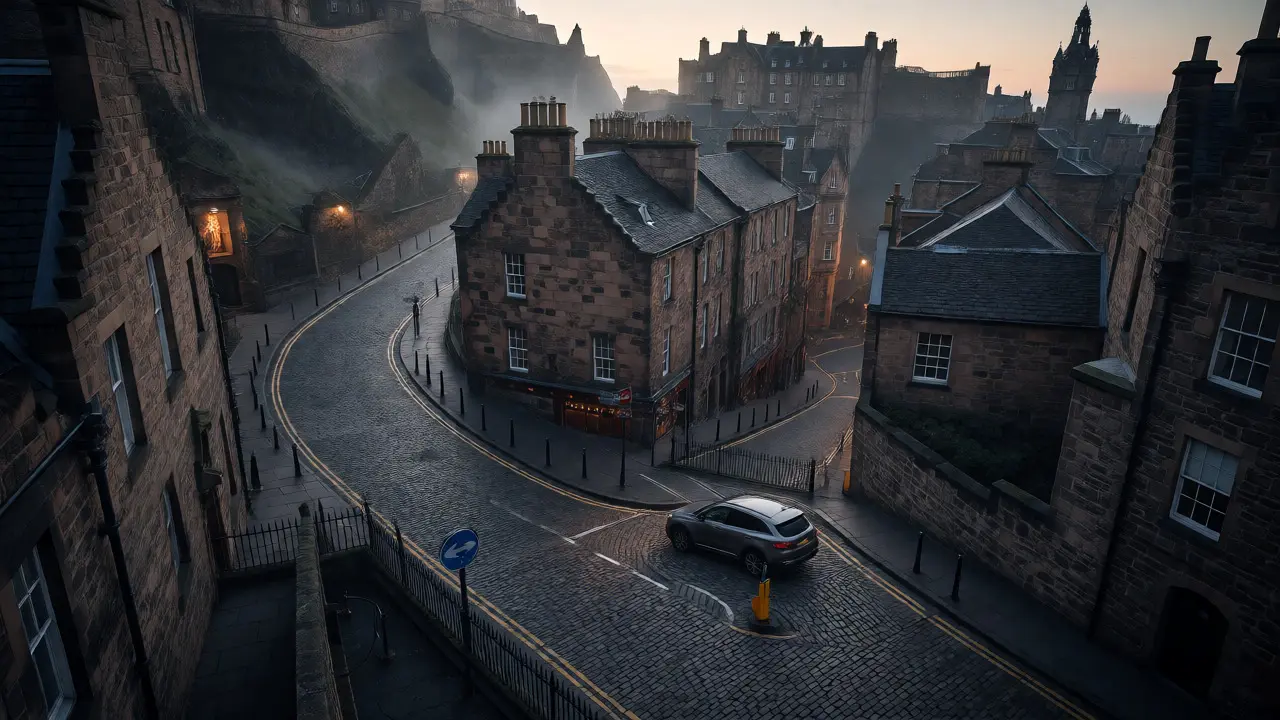
Trying to drive into Edinburgh’s city center is a bit like trying to thread a needle while riding a unicycle. It’s doable, but you need precision, patience, and a good map. If you’re planning a trip to Scotland’s capital by car, you’ll quickly realize that the narrow medieval streets and steep hills aren’t exactly designed for modern SUVs. But don’t panic. With the right knowledge of Edinburgh parking zones, emission rules, and smart alternatives, you can navigate the city without losing your mind or your wallet.
The Big Change: The Low Emission Zone (LEZ)
Before you even turn on your engine, you need to know about the Low Emission Zone (LEZ) a designated area where vehicles must meet minimum emission standards to enter without paying a daily charge. As of August 30, 2024, this zone covers all areas within the City Bypass and Forth Road Bridge, excluding the M90 and A90(M). This isn’t just a suggestion; it’s strictly enforced via cameras.
If your vehicle doesn’t meet the standards, you pay £11 per day. Miss it? That penalty jumps to £60 if paid within 14 days, or £130 after that. Here’s the quick breakdown of what passes:
- Petrol cars/vans: Must meet Euro 4 standards (generally registered from January 2006 onwards).
- Diesel cars/vans: Must meet Euro 6 standards (generally registered from September 2015 onwards).
- Buses/coaches/heavy goods vehicles: Must meet Euro VI standards.
Living in Dundee, I see plenty of older diesel vans getting caught out by this. Check your registration on the Transport for Scotland website before you leave. It takes two minutes and saves you a headache later.
Understanding Edinburgh Parking Zones
Once you’ve cleared the LEZ hurdle, you face the second boss level: Controlled Parking Zones (CPZ) areas with specific waiting and loading restrictions enforced by signs rather than yellow lines. Edinburgh is divided into several CPZs, each with different hours and rules. You can’t just guess which one you’re in.
The main zones are:
- Zones 1-10: Cover most of the city center, New Town, and Leith. Restrictions usually apply Monday to Saturday, often from 8:30 AM to 6:30 PM.
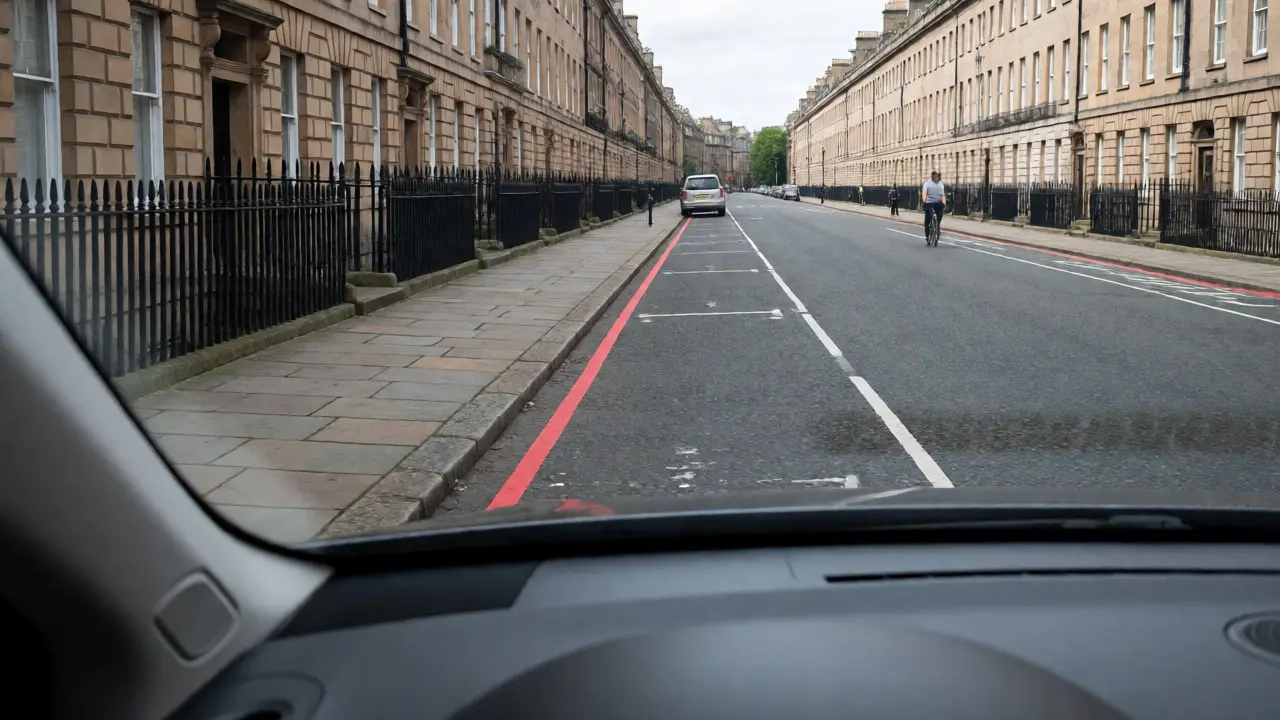
- Yellow Lines: Double yellow means no waiting at any time. Single yellow means no waiting during specified times shown on nearby plates.
- Red Routes: Found on major arterial roads like the A720 bypass. No stopping whatsoever, except in marked bays.
Here’s a common mistake tourists make: seeing an empty space and assuming it’s free. In Edinburgh, if there’s no sign saying "Pay & Display," check the curb color. Red curbs mean no stopping at any time (often near bus stops or junctions). White lines might indicate resident-only permits. Always read the plate.
| Location Type | Avg. Hourly Cost | Max Stay | Best For |
|---|---|---|---|
| City Center On-Street | £2.50 - £3.50 | 2-4 Hours | Short visits |
| NCP / Q-Park Garages | £3.00 - £5.00 | All Day | Convenience & Security |
| Park & Ride | £1.50 - £2.50 | All Day | Tourists & Long Stays |
| Leith Waterfront | £2.00 - £3.00 | Varies | Shopping & Dining |
The Smart Move: Park and Ride
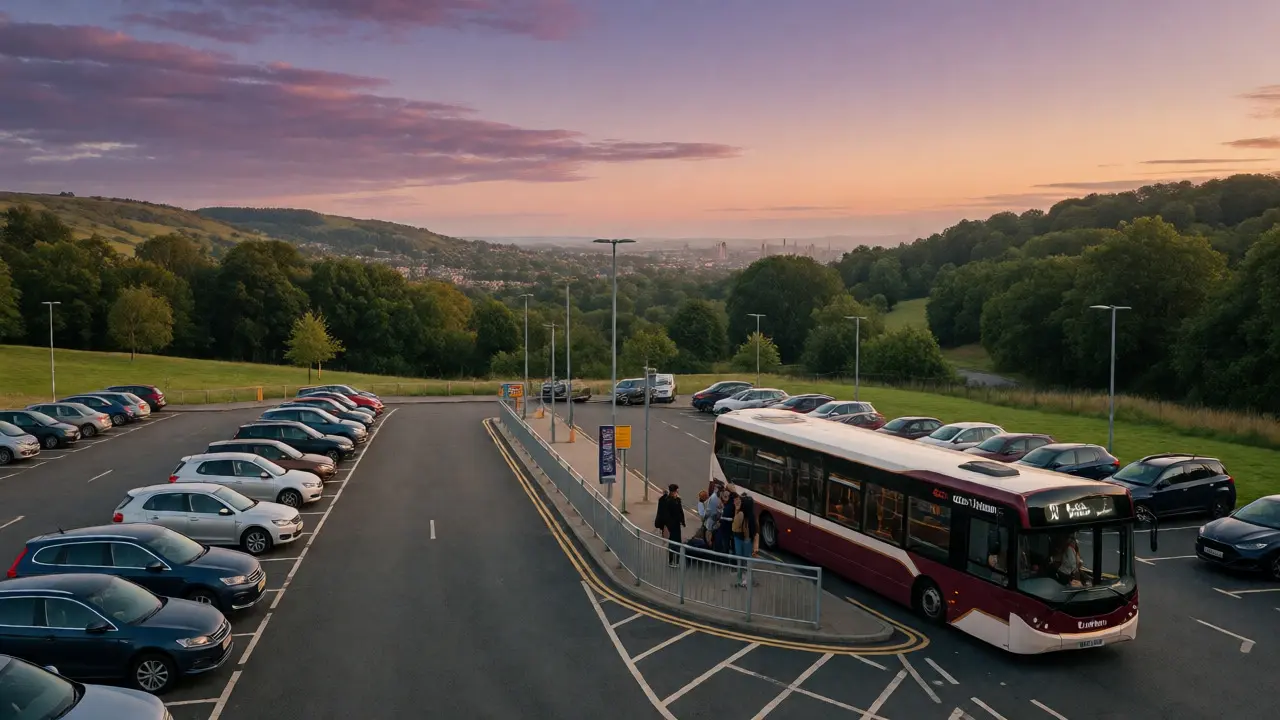
If you want to avoid the stress of circling for a spot, use Park and Ride public transport services that allow drivers to park outside the city center and take a bus into town. Edinburgh has four main sites, all operating from early morning until late evening.
Why bother? Because parking in the West End or Old Town can cost upwards of £20 for a few hours, whereas Park and Ride costs around £1.50-£2.50 per person per day (bus fare included). Yes, per person. If you’re traveling as a couple or family, this is significantly cheaper than a garage ticket.
The four sites are:
- Inverleith: North side, good for exploring the New Town or Royal Botanic Garden.
- Ingliston: Near the airport, ideal if you’re landing in Edinburgh and heading straight downtown.
- Sheriffhall: East side, close to Holyrood Palace and Arthur’s Seat.
- Wester Hailes: South side, convenient for shopping centers and the university area.
Pro tip: Buy your bus ticket via the Lothian Buses app before boarding. Drivers don’t accept cash anymore, and fumbling with change while kids scream in the back isn’t fun.
Special Cases: Loading, Taxis, and Residents
If you’re dropping off luggage or picking up friends, you need to understand Loading Bans restrictions preventing vehicles from stopping to load or unload goods during peak hours. These are distinct from waiting bans. You might see a sign saying "No Waiting" but allowing loading for 20 minutes. However, in busy areas like George Street or Princes Street, loading bans often run all day.
Also, watch out for taxi ranks. Yellow hatched markings on the road usually indicate taxi stands. Stopping here, even briefly, can result in a fine. And if you’re staying in a hotel, ask them if they have a dedicated drop-off point. Many hotels in the New Town have private lanes that bypass public restrictions.
Residents’ permits are another layer. If you see a bay marked "Permit Holders Only," do not park there unless you have the permit displayed. Enforcement officers scan license plates automatically. Ignorance is not a defense.
Driving Tips for Edinburgh Streets
Edinburgh’s geography is brutal for drivers. The city sits on volcanic rock, meaning steep gradients and sharp bends. Here’s how to survive:
- Use Your Gears: Don’t rely solely on brakes when descending steep hills like Calton Hill or the slopes toward Portobello. Use lower gears to control speed.
- Mirror Checks Are Vital: Cyclists and pedestrians are everywhere. Edinburgh has expanded its cycle lanes significantly. Assume cyclists will be in your blind spot.
- One-Way Systems: The Old Town is a maze of one-way streets. GPS apps sometimes suggest routes that involve impossible turns. Trust local signage over satellite navigation if they conflict.
- Winter Driving: If you’re visiting between November and March, ice is real. The city gritters work hard, but shaded corners stay icy. Keep extra distance behind other cars.
I once tried to navigate the Royal Mile in reverse because I missed a turn. Do not try this. Pedestrians own the pavement, and drivers own nothing but their mistakes.
Alternatives to Driving
Let’s be honest: sometimes the best way to handle Edinburgh is not to drive at all. The Tram Network an electric light rail system connecting the airport, city center, and western suburbs is efficient and clean. It runs from Edinburgh Airport to Newhaven, passing through key hubs like Haymarket and St Andrew Square.
If you’re coming from Glasgow or Aberdeen, train travel is often faster than driving, especially considering traffic jams on the M8 or A90. Once you arrive at Waverley Station, you’re in the heart of everything. Most tourist attractions are within walking distance or a short bus ride.
For those who must drive, consider parking on the outskirts and using buses. Lothian Buses cover the entire city comprehensively. Their network is reliable, frequent, and integrates well with Park and Ride schemes.
Key Takeaways
- Check LEZ Compliance: Ensure your car meets Euro 4 (petrol) or Euro 6 (diesel) standards to avoid fines.
- Respect CPZ Signs: Read every sign carefully; rules vary by street and time of day.
- Use Park and Ride: It’s cheaper and less stressful than city-center garages for multi-day stays.
- Download the App: Use the Lothian Buses app for tickets and City of Edinburgh Council app for parking payments.
- Avoid Rush Hour: Try to enter the city before 8:30 AM or after 6:30 PM if possible.
Do I need a permit to park in Edinburgh?
Visitors do not need a residential permit. However, you must pay for parking in Controlled Parking Zones (CPZs) using pay-and-display machines or mobile apps. Residential permits are only for locals living in designated areas.
How much does the Edinburgh Low Emission Zone cost?
If your vehicle does not meet the emission standards, the daily charge is £11. Failure to pay results in a Penalty Charge Notice of £60 if paid within 14 days, increasing to £130 thereafter.
Is Park and Ride cheaper than parking in the city center?
Yes, typically. Park and Ride costs around £1.50-£2.50 per person per day including bus fares. Central city parking can cost £3-£5 per hour, making Park and Ride significantly more economical for stays longer than 3-4 hours.
Can I park overnight in Edinburgh?
Most on-street CPZs have time limits and do not allow overnight parking. Some multi-story car parks offer 24-hour access, but they are expensive. Park and Ride sites generally close at night, so you cannot leave your car there overnight unless specified.
Are there electric vehicle charging points in Edinburgh?
Yes, Edinburgh has numerous EV charging points located in council car parks, retail centers, and some on-street bays. Look for chargers operated by providers like BP Pulse or Osprey. Note that standard parking charges still apply while charging.