
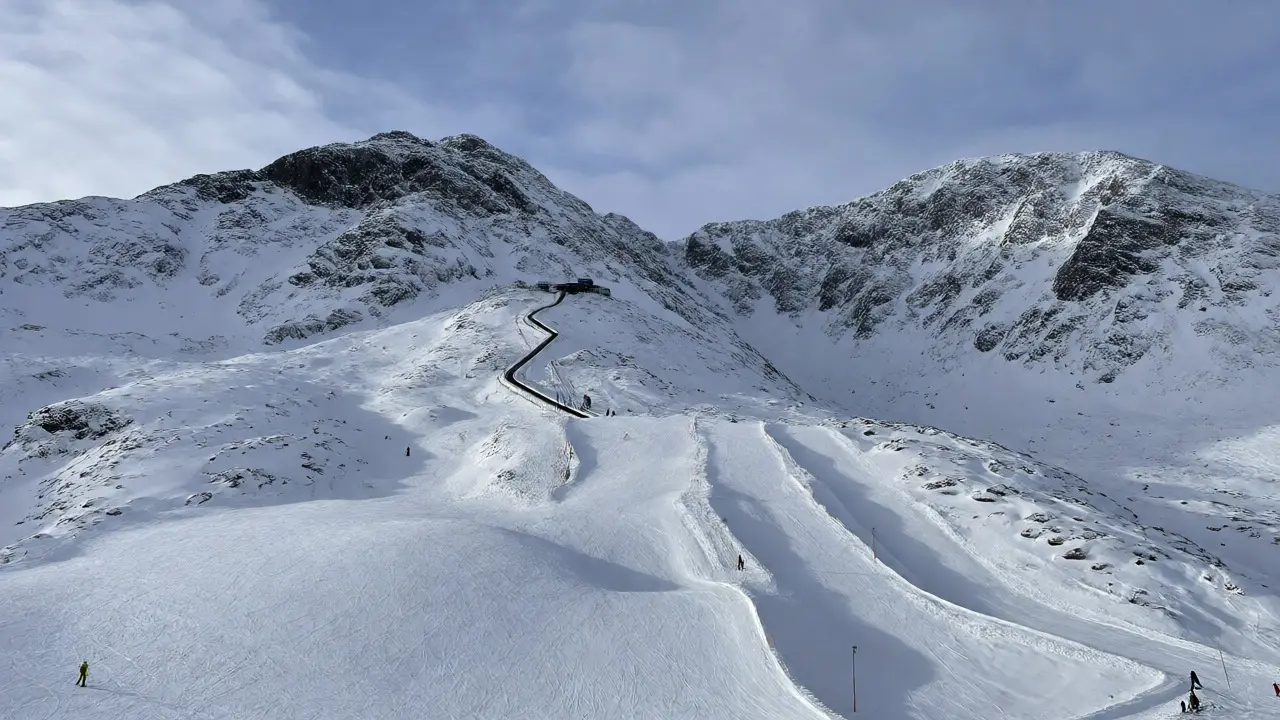
Thinking about hitting the slopes? You might picture the Alps or the Rockies, but Skiing and Snowboarding in Scotland is a surprisingly viable winter sport that has been growing steadily for decades. It’s not just about surviving the grey drizzle; it’s about chasing those rare, crisp days when the Cairngorms turn white and the powder sticks to your skis. If you’re looking for a winter getaway that combines rugged mountain terrain with easy access from major UK cities, this guide breaks down exactly where to go, what to expect from the unpredictable weather, and how to pack so you don’t freeze on the lift.
The Reality of Scottish Winter Sports
Let’s be honest: Scotland doesn’t have the consistent snowfall of Switzerland or the massive vertical drops of North America. But here’s the twist-modern snowmaking technology has changed the game. The central entity here isn't just "snow," it's artificial snow coverage combined with natural accumulation. Most major resorts now rely heavily on snow cannons to guarantee open runs even during lean winters. This means you can plan a trip with reasonable confidence, provided you book during peak holiday weeks like Christmas or February half-term.
The season typically runs from late November to April. However, the quality varies wildly. Early December often features icy, hard-packed surfaces because the base hasn’t had time to settle. By January and February, if you’ve had a cold snap, you might find genuine powder stashes in the backcountry areas. March offers longer daylight hours, which is a huge plus if you want to ride until 4 PM without headlamps. Your job-to-be-done here is managing expectations: you are buying into an adventure, not a guaranteed alpine experience. Check live webcams before booking accommodation; they are the only truth-tellers in the industry.
Top Resorts: Where to Ride
Scotland has five main commercial centers, each with its own vibe. Choosing the right one depends on your skill level and how much you hate driving.
| Resort | Location | Best For | Lift Capacity | Notable Feature |
|---|---|---|---|---|
| CairnGorm Mountain | Aviemore, Highlands | Beginners & Families | High (Funicular + Chairlifts) | Only funicular railway in the UK |
| Glenshee | Braemar, Perthshire | Intermediates & Off-piste | Medium | Largest number of runs (16+) |
| Nevis Range | Fort William | Freeriders & Terrain Parks | Low (Gondola only) | Closest to Ben Nevis, great views |
| Lecht | Aberdeen | Quick Trips & Beginners | Low | Easiest access from Aberdeen airport |
| Tweedsmuir | Clydesdale | Locals & Day Trippers | Very Low | Smallest resort, community feel |
CairnGorm Mountain is the heavyweight champion. Located near Aviemore, it’s the most developed resort. The funicular takes you up to the Ptarmigan restaurant, offering stunning views even if you aren’t skiing. Below that, you’ll find wide groomed runs perfect for learning. The downside? Lift queues can get brutal during school holidays. If you’re there for the social scene and reliable infrastructure, this is your spot.
Glenshee, located in Perthshire, feels more raw. It has more terrain variety than CairnGorm, including some genuinely challenging off-piste couloirs that attract advanced riders. The drive is scenic but winding. If you’re tired of manicured pistes and want to explore tree runs or steep bowls, Glenshee delivers. Just note that parking fills up fast on weekends.
Nevis Range sits right next to Fort William, making it ideal if you’re combining skiing with other outdoor activities like climbing or hiking. It has a single gondola lift, which limits capacity but keeps things quiet. The terrain park here is well-regarded among freestyle riders. Plus, being at the foot of Britain’s highest mountain adds a dramatic backdrop to every run.
Understanding Conditions and Weather
Weather in the Scottish Highlands is notoriously fickle. One minute you’re basking in sunshine; the next, horizontal rain is stinging your face. Understanding microclimates helps. The Cairngorms tend to hold colder air, meaning better snow retention. Western resorts like Nevis Range get more precipitation due to Atlantic winds, which can mean heavy wet snow or high winds closing lifts entirely.
Wind chill is the real killer. Temperatures might read -2°C, but with a 40mph gust, it feels like -15°C. Always check the Met Office mountain forecast specifically for wind speeds, not just temperature. A common mistake tourists make is dressing for static cold rather than dynamic wind exposure. Layering isn’t optional; it’s survival.
Snow depth reports are crucial. Resorts publish these daily. Look for base depths above 30cm for decent coverage. Anything less, and you’re likely scraping rocks on the edges of your skis. Also, pay attention to avalanche risk levels if you’re venturing off-piste. Scotland has a low but real risk, particularly after heavy snowfall followed by rapid warming. Stick to marked boundaries unless you’re trained in mountain safety.
Gear Guide: What to Pack
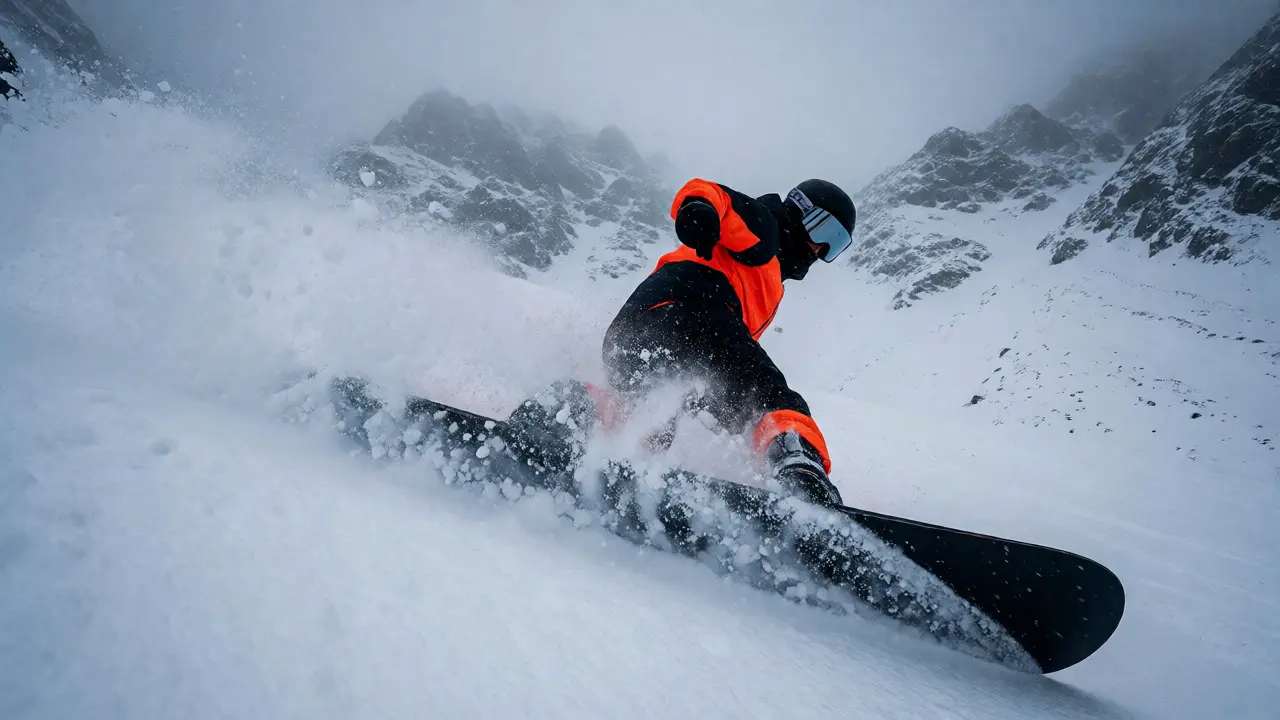
You don’t need to buy everything new. Rental shops at all major resorts offer full packages-skis/snowboard, boots, poles, and helmets-for around £25-£40 per day. This is usually the smart move for first-timers. However, clothing is where you should invest in quality, because rental clothes often lack breathability and waterproofing.
- Base Layers: Merino wool is king. It wicks moisture away from your skin while keeping you warm, even when damp. Avoid cotton at all costs-it holds sweat and makes you freeze.
- Mid-Layers: A fleece or light down jacket provides insulation. Choose something breathable so you don’t overheat on the climb.
- Outer Shell: Look for a jacket and trousers with a minimum waterproof rating of 10,000mm and taped seams. Ventilation zips under the arms are a lifesaver when you’re working hard.
- Accessories: Goggles with anti-fog coating are essential. Balaclavas protect your face from windburn. Thick socks (one pair, not two) prevent blisters.
If you’re bringing your own board or skis, ensure they’re serviced. Rusty edges or dull bases will ruin your glide. Waxing them before you leave home saves time and money on-site. Remember, Scottish snow is often abrasive due to underlying rock and vegetation, so edge damage happens faster than in the Alps.
Getting There and Accommodation
Most people fly into Edinburgh or Glasgow and drive north. The M9 motorway gets you to Stirling quickly, then the A9 heads into the Highlands. Allow extra time for traffic; the A9 is a single-carriageway road for long stretches, and overtaking slow caravans can add an hour to your journey. Train options exist via ScotRail to Aviemore or Pitlochrie, but you’ll still need local transport to reach the actual slopes.
Accommodation ranges from budget hostels in Aviemore to luxury lodges in Glencoe. Book early for Christmas and New Year. Prices spike significantly during these periods. If you’re flexible, mid-week stays in January offer the best value. Many hotels offer ski-in/ski-out privileges or free shuttle services to the lifts, which is worth paying extra for when you’re lugging gear in the dark.
Après-Ski and Local Culture
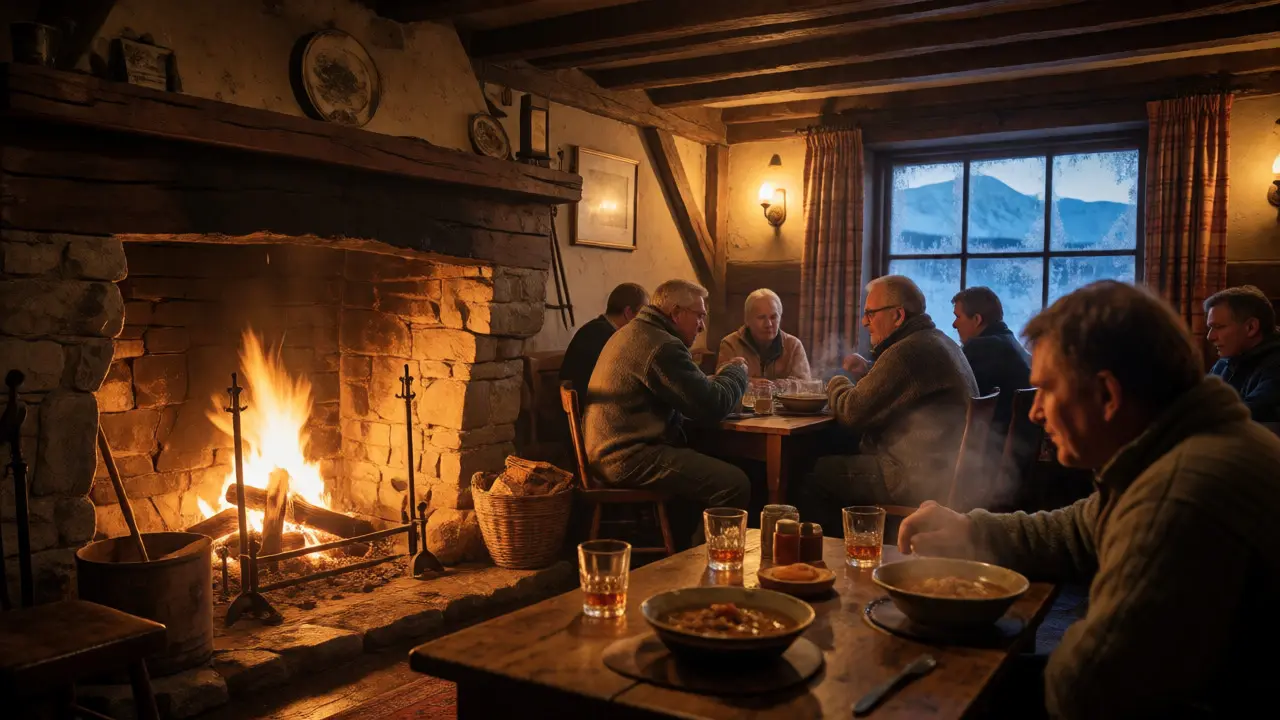
Skiing in Scotland isn’t just about the slopes. The après-ski culture is unique. Instead of loud clubs blasting techno, you’ll find cozy pubs with log fires, local whisky tastings, and hearty stews. In Aviemore, try the The Old Post Office for traditional Highland food. In Fort William, The Loch Ness Hotel offers a relaxed atmosphere with live music.
Combine your ski trip with other activities. Ice climbing in Coire Gabhail is world-class for intermediate climbers. Or spend a day exploring the historic town of Inverness. The contrast between the adrenaline of the slopes and the calm of a forest walk in Glen Affric creates a balanced holiday. Don’t underestimate the power of a hot bath after a day in the cold-it’s practically a ritual here.
Frequently Asked Questions
Is skiing in Scotland worth it compared to the Alps?
It depends on your goals. If you want vast terrain, guaranteed snow, and international flair, the Alps win. But if you prefer shorter travel times from the UK, lower costs, and a rugged, authentic wilderness experience, Scotland is excellent. It’s also far more accessible for weekend trips.
Do I need to bring my own ski equipment?
No, all major resorts offer comprehensive rental packages. For beginners, renting is recommended to avoid the hassle of transporting bulky gear. Advanced riders who prefer specific setups might bring their own boards or skis, but ensure they are properly waxed and tuned for rougher Scottish conditions.
Which resort is best for beginners?
CairnGorm Mountain is generally considered the best for beginners due to its gentle, wide slopes and extensive instruction programs. Lecht is another good option if you are based in Aberdeen, as it is small and less intimidating, though it has fewer facilities.
What is the best month to visit for snow?
January and February typically offer the coldest temperatures and best chance of natural snow accumulation. March is also popular due to longer daylight hours, though snow quality can become slushier in the afternoon. Always check live snow reports before booking.
Can I ski in Scotland without a car?
Yes, especially for CairnGorm. Trains run to Aviemore, and local bus services connect the town to the resort. However, having a car gives you flexibility to visit multiple resorts or explore surrounding attractions. Public transport schedules can be limited outside peak tourist seasons.