
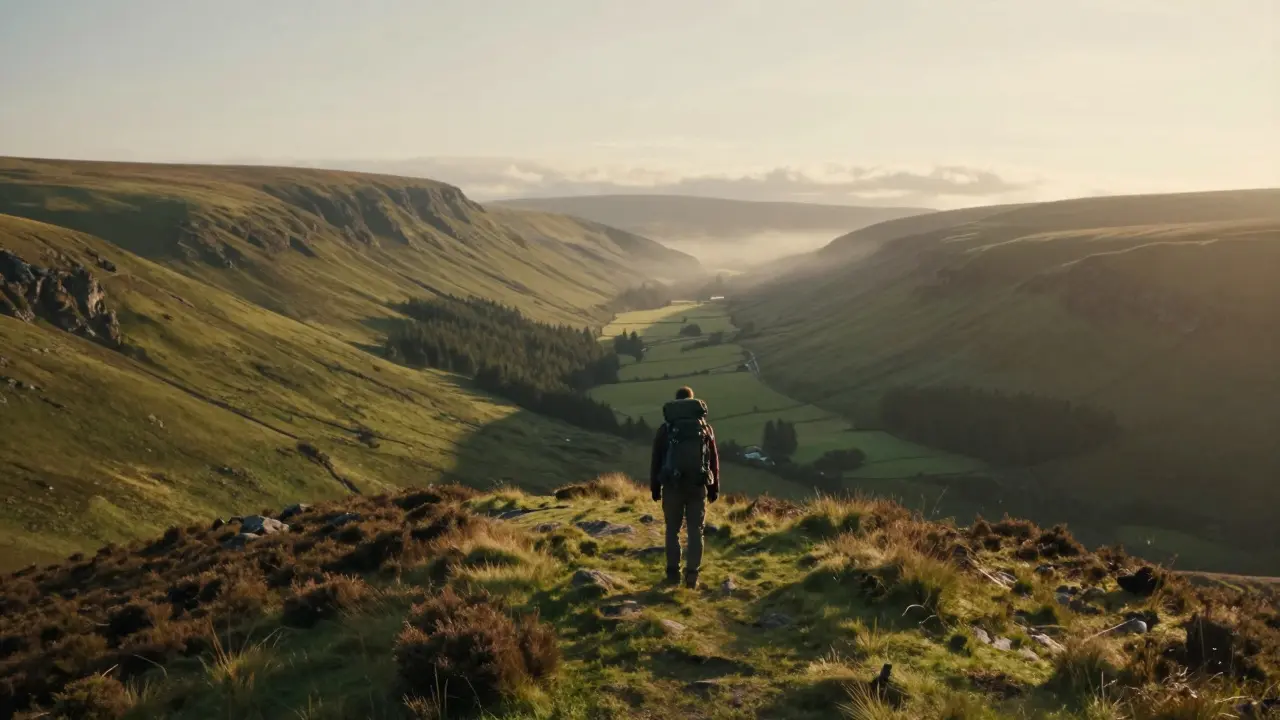
Most people think of the Highlands when they picture a Scottish hike. They imagine jagged peaks and endless mist. But there is another path, one that runs quietly along the southern border, connecting the Solway Firth to the River Tweed. This is the Southern Upland Way, a 212-mile long-distance trail that crosses the width of southern Scotland from west to east. It is not as crowded as the West Highland Way, and it offers a different kind of beauty: rolling hills, ancient forests, and small towns where time seems to move slower.
If you are planning to walk this route in 2026, you need more than just a map. You need to know where the water is, which buses run on Sundays, and how to handle the sudden rain showers that define the Scottish weather. This guide breaks down everything you need to prepare for a coast-to-coast journey across the South.
Understanding the Southern Upland Way
The Southern Upland Way was officially opened in 1983, making it one of Scotland’s older long-distance paths. Unlike the rugged terrain of the north, this route stays mostly below 1,000 feet. The highest point is at Drumlanrig Castle near Thornhill, reaching just over 700 meters. This makes it accessible for walkers who want distance without extreme altitude challenges.
The trail starts at Gretna Green on the English border and ends at Cairnburgh on the Solway Firth. Wait-did I get that backwards? Many sources list it as starting in the east and going west, but the traditional direction is actually east to west: from Cairnburgh (Solway) to Gretna Green (Tweed). However, many walkers choose the reverse direction to finish with the famous border town. Let’s clarify: the official start is Cairnburgh, but you can walk it either way. Most guides recommend starting in the east because the weather tends to be drier there, and you end up facing into the prevailing wind if you go west. Your call.
The route passes through three main council areas: Dumfries and Galloway, South Ayrshire, and Borders. It cuts through some of the most sparsely populated parts of Scotland, so self-sufficiency is key. You won’t find a café every mile here.
Route Breakdown: What to Expect Day by Day
Walking 212 miles takes most people between 14 and 18 days. That means averaging about 12 to 15 miles per day. Here is a rough breakdown of what each section looks like:
- Days 1-3: The Border Beginnings - Start near Peebles or Selkirk depending on your exact entry point. You’ll pass through Ettrick Forest and see the Tweed valley. The terrain is gentle, with good paths and plenty of B&Bs.
- Days 4-6: Into the Hills - As you head toward Moffat, the landscape opens up. You’ll cross moorland and see views of the Lowther Hills. Water sources become less frequent, so carry extra capacity.
- Days 7-9: The Central Stretch - This is the loneliest part. You’ll pass through Annan and Lochmaben. Fewer services, more wildlife. Deer are common; midges, too, in summer.
- Days 10-12: Coastal Approach - The land drops toward the sea. You’ll hit the Solway Plain, which can be boggy after rain. Watch your footing.
- Days 13-15: Final Push to Gretna - If you’re walking east to west, you finish at the border. If west to east, you start here. Either way, the last few miles are flat and easy.
Remember: these are estimates. Some days will feel longer due to wind or poor visibility. Always check local conditions before setting out.
Best Time to Walk the Southern Upland Way
Timing matters. The best months are May to September. Why?
- May-June: Longer daylight hours, fewer midges, and generally drier ground. Ideal for first-time walkers.
- July-August: Warmest temperatures, but also peak tourist season. Book accommodation early. Midges can be brutal near lochs.
- September: Crisp air, golden light, and quieter trails. Rain becomes more likely, but the scenery is stunning.
Avoid October to April unless you’re experienced. Days are short, roads are slick, and many guesthouses close for winter. In 2026, climate patterns have made late spring slightly warmer, but don’t count on it. Pack layers regardless.
Essential Gear for the Trail
You don’t need the most expensive gear, but you do need reliable gear. Here’s what I recommend based on actual use:
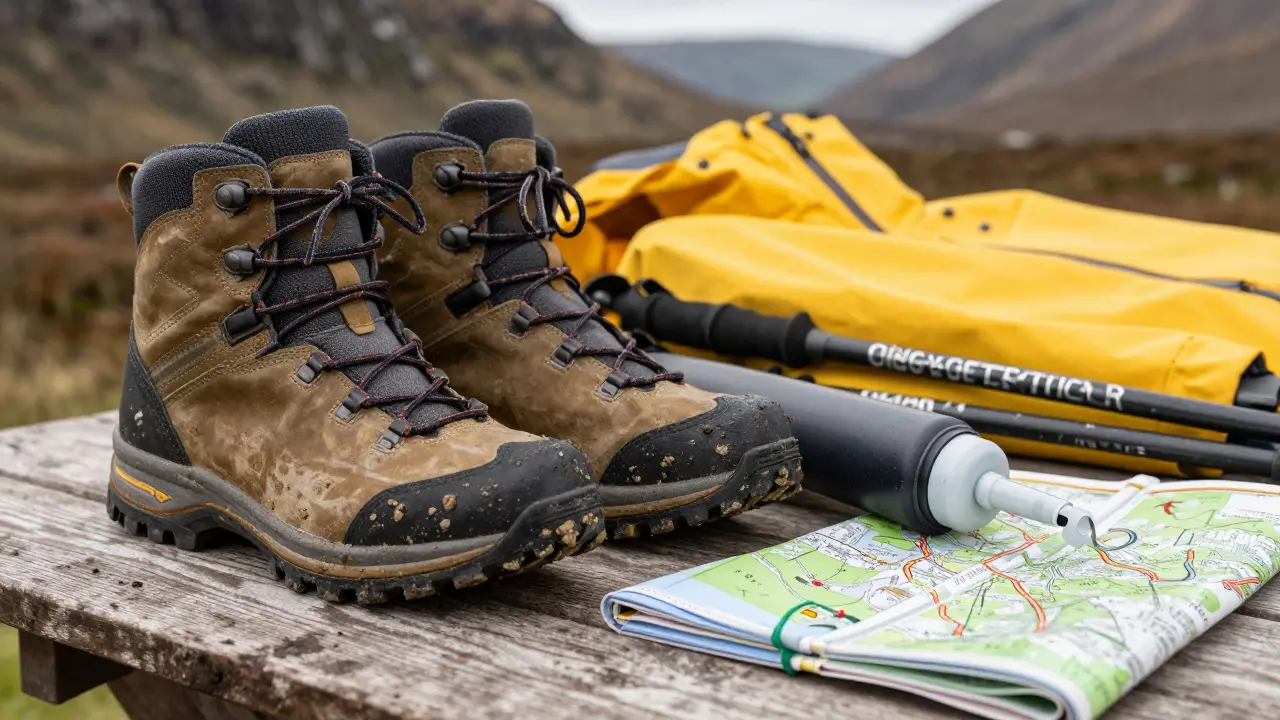
- Boots: Waterproof hiking boots with ankle support. The ground can be soft and uneven. Brands like Salomon or Merrell work well.
- Rain Jacket: Non-negotiable. Even in July, rain comes fast. Look for breathable materials like Gore-Tex.
- Trekking Poles: Helpful on descents and muddy sections. They save your knees.
- Backpack: 40-50 liters if camping; 25-30 liters if staying in B&Bs. Make sure it has a hip belt.
- Water Filter: Streams are abundant, but not all are safe to drink directly. A lightweight filter like the Sawyer Mini weighs almost nothing.
- Map & Compass: GPS fails when batteries die. Carry an Ordnance Survey map (Sheet 23 or 24 covers most of the route).
Don’t forget a power bank. Phone signal is patchy in central sections. You’ll need it for emergency calls and checking hostel availability.
Accommodation Options Along the Way
You have two main choices: wild camping or booked lodging.
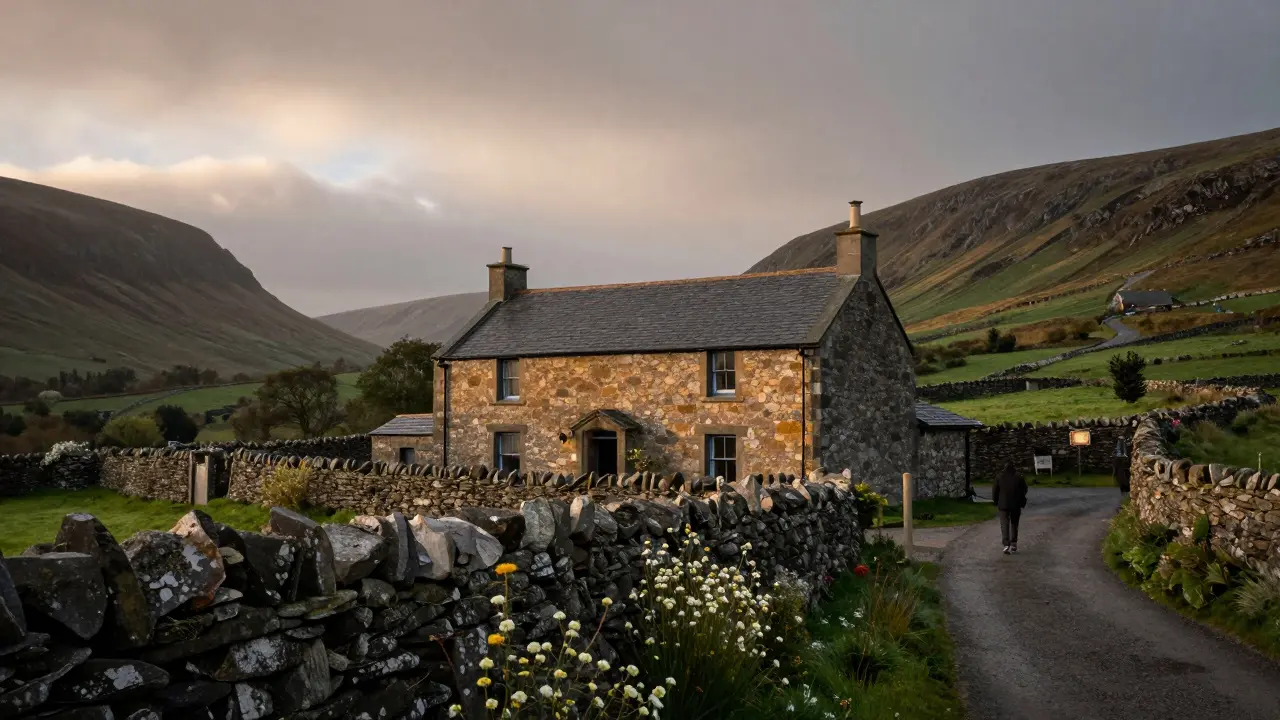
Wild Camping: Legal in Scotland under the Land Reform Act, but only if done responsibly. Pitch away from houses, roads, and water sources. Leave no trace. In remote areas, this works great. Near villages, it’s better to book ahead.
B&Bs and Hostels: Most towns along the route have at least one bed-and-breakfast. Prices range from £30 to £60 per night. Hostels, like those run by YHA, cost around £20-£25. Book at least two weeks in advance during summer.
Pro tip: Use the “Walkhighlands” website or the “Scottish Mountain Rescue” app to find verified campsites and refuges. They update listings regularly.
Transportation: Getting There and Back
Getting to the start isn’t always straightforward. Here’s how to plan:
- To Cairnburgh (West End): Take the train to Carlisle, then bus number 118 to Annan, followed by a taxi to the trailhead. No direct public transport to the exact start.
- To Gretna Green (East End): Train to Gretna station, then a 10-minute walk to the marker post.
- Between Points: Local buses run infrequently. Plan drop-offs in advance. Some tour operators offer shuttle services for multi-day hikers.
If you’re driving, park at designated lots. Don’t block farm gates. Farmers notice, and they don’t appreciate it.
Food and Water Strategy
Resupply points are spaced out. Here’s what to expect:
- Every 2-3 Days: Small shops in villages like Lockerbie, Annan, or Langholm. Stock up on pasta, tins, nuts, and energy bars.
- Water: Fill up at taps in pubs or community centers. Never assume stream water is clean. Boil or filter it.
- Cafés: Rare outside larger towns. Bring instant coffee or tea bags. Hot drinks boost morale on cold mornings.
Calorie needs: Aim for 2,500-3,000 calories per day. High-carb foods help sustain energy. Avoid heavy meals before steep climbs.
Safety and Emergency Prep
This isn’t Everest, but risks exist. Stay smart.
- Weather: Check Met Office forecasts daily. Wind chill can drop temps quickly.
- First Aid Kit: Include blister plasters, antiseptic wipes, painkillers, and any personal meds.
- Emergency Contacts: Dial 999 for immediate help. Tell someone your itinerary before you leave.
- Midges: In summer, wear head nets near water. Picaridin-based repellents work better than DEET in humid conditions.
If you twist an ankle, stop. Don’t push through pain. Rest, ice, elevate. Most injuries happen from overconfidence.
Comparison: Southern Upland Way vs Other Scottish Trails
| Feature | Southern Upland Way | West Highland Way | Great Glen Way |
|---|---|---|---|
| Length | 212 miles | 96 miles | 79 miles |
| Difficulty | Moderate | Moderate to Hard | Hard |
| Crowds | Low | High | Medium |
| Accommodation | Limited | Plentiful | Some |
| Scenery | Rolling hills, farmland | Mountains, lochs | Glens, canals |
The Southern Upland Way wins on solitude and length. Lose on convenience. Choose based on your goals.
Mini-FAQ: Common Questions About the Southern Upland Way
Is the Southern Upland Way suitable for beginners?
Yes, if you’re fit and prepared. The elevation gain is moderate, but the distance is long. Train with a loaded pack for several weeks before attempting. Start with shorter hikes to build endurance.
Can I walk the Southern Upland Way alone?
Absolutely. Many solo walkers complete it annually. Just share your route with someone trusted and check in regularly. Cell service is unreliable in parts, so consider a satellite messenger.
Are dogs allowed on the Southern Upland Way?
Yes, dogs are welcome on most sections. Keep them leashed near livestock, especially sheep. Farms dominate the landscape, and farmers rely on their animals. Respect boundaries.
What should I do if I get lost?
Stop moving. Use your map and compass to reorient. If unsure, backtrack to the last known landmark. Never wander aimlessly. Signal for help if necessary. Prevention is better than cure-stick to marked paths.
Is there mobile phone coverage along the entire route?
No. Coverage drops significantly in central stretches, particularly between Moffat and Annan. Download offline maps and tell someone your schedule. Assume you’ll be disconnected for hours at a time.
How much does it cost to walk the Southern Upland Way?
Budget £1,500-£2,500 for a 15-day trip. This includes accommodation (£40/night avg), food (£15/day), transport, and gear rentals if needed. Wild camping reduces costs dramatically.
Do I need a permit to walk the Southern Upland Way?
No permits required. The trail is open to the public under Scotland’s Right to Roam laws. Just follow responsible access guidelines: don’t damage crops, respect private property, and leave no waste.
What’s the hardest part of the Southern Upland Way?
Mental fatigue. The physical challenge is manageable, but isolation and repetitive scenery can wear you down. Break monotony with music, podcasts, or journaling. Celebrate small milestones.
Next Steps: Planning Your Journey
Ready to take on the Southern Upland Way? Here’s your action plan:
- Train Now: Build stamina with weekly hikes carrying weight. Simulate trail conditions.
- Book Early: Reserve B&Bs or hostels for key stops. Summer fills up fast.
- Buy Gear Wisely: Invest in boots and rain protection. Skip luxury items.
- Download Maps: Get offline versions of OS maps or apps like AllTrails.
- Tell Someone: Share your itinerary with family or friends. Set check-in times.
The Southern Upland Way rewards patience. It doesn’t shout for attention-it whispers. And if you listen closely, it tells stories of centuries past, of shepherds and borders, of quiet resilience. That’s worth 212 miles.