
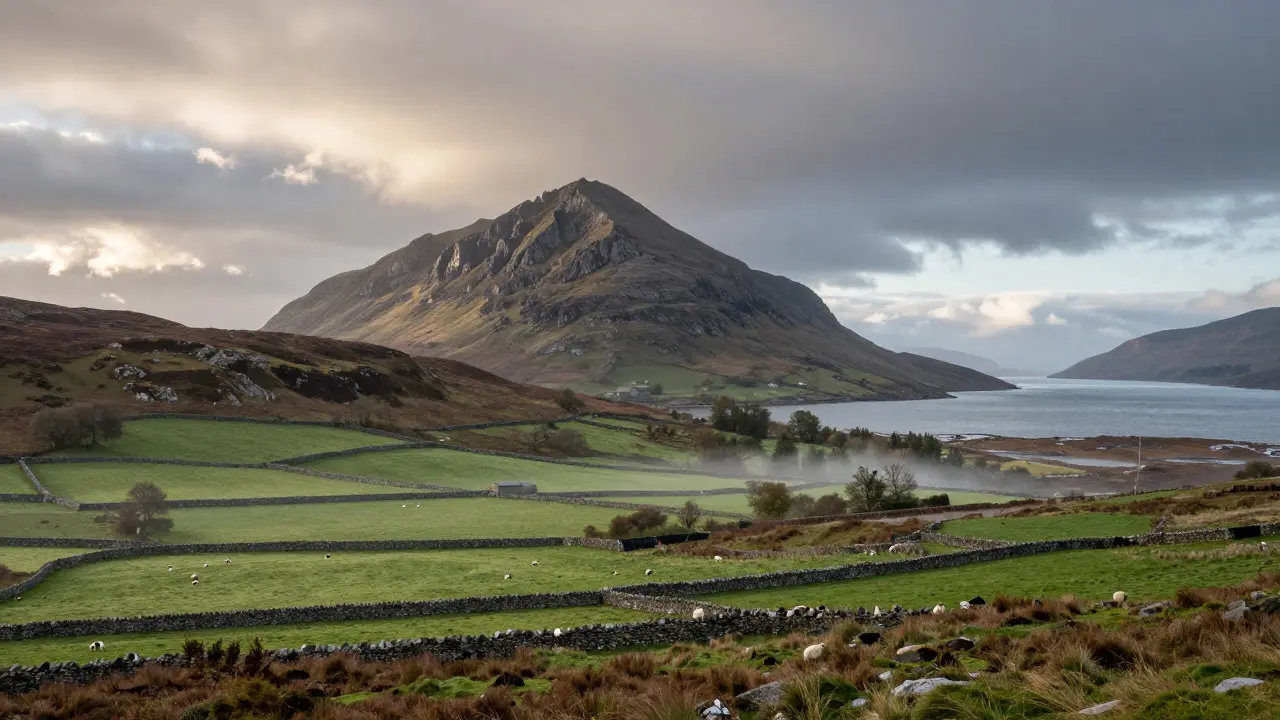
You’ve seen the photos. You know the name. Isle of Skye is everywhere on social media, and for good reason-it’s dramatic, wild, and iconic. But there’s a catch: it’s also crowded, expensive, and often feels more like a theme park than a remote wilderness in peak season. If you want that same rugged Scottish beauty without the traffic jams at Fairy Pools or the booked-out B&Bs, look south. Way south.
Welcome to the Isle of Arran, a small but geologically diverse island in the Firth of Clyde, known as 'Scotland in Miniature' due to its varied landscapes ranging from lowland farms to high mountain peaks. Located just off the west coast of Ayrshire, Arran offers everything Skye does-misty mountains, ancient ruins, and stunning coastlines-but with half the people and significantly better pub food. It’s not a replacement for Skye; it’s an upgrade for anyone who values peace over hype.
Why Arran Works When Skye Doesn’t
The main difference isn’t just geography; it’s logistics. Getting to Skye requires a long drive north, often involving ferry crossings during summer holidays that can add hours to your trip. Arran, by contrast, is accessible via the Caledonian MacBrayne (Calmac), the state-owned ferry operator providing essential transport links to islands across western Scotland. The ferry from Brodick takes only 50 minutes from Ardrossan Harbour. That’s less time than it takes to get stuck in traffic on the A838 heading toward Portree.
Once you’re on the island, you don’t need a car rental agency reservation months in advance. While having a vehicle helps, Arran has a reliable bus network run by Kelvin Transit, which connects most major towns and trailheads. This makes it one of the few Scottish islands where you can genuinely explore independently without breaking the bank or stressing over parking.
| Feature | Isle of Arran | Isle of Skye |
|---|---|---|
| Ferry Duration | 50 minutes | 1 hour 45 mins + driving time |
| Peak Season Crowds | Moderate | Very High |
| Highest Point | Goat Fell (874m) | Sgurr Alasdair (993m) |
| Public Transport | Reliable bus service | Limited, seasonal routes |
| Average Accommodation Cost (July) | £80-£120/night | £150-£250+/night |
Getting There: The Ferry Experience
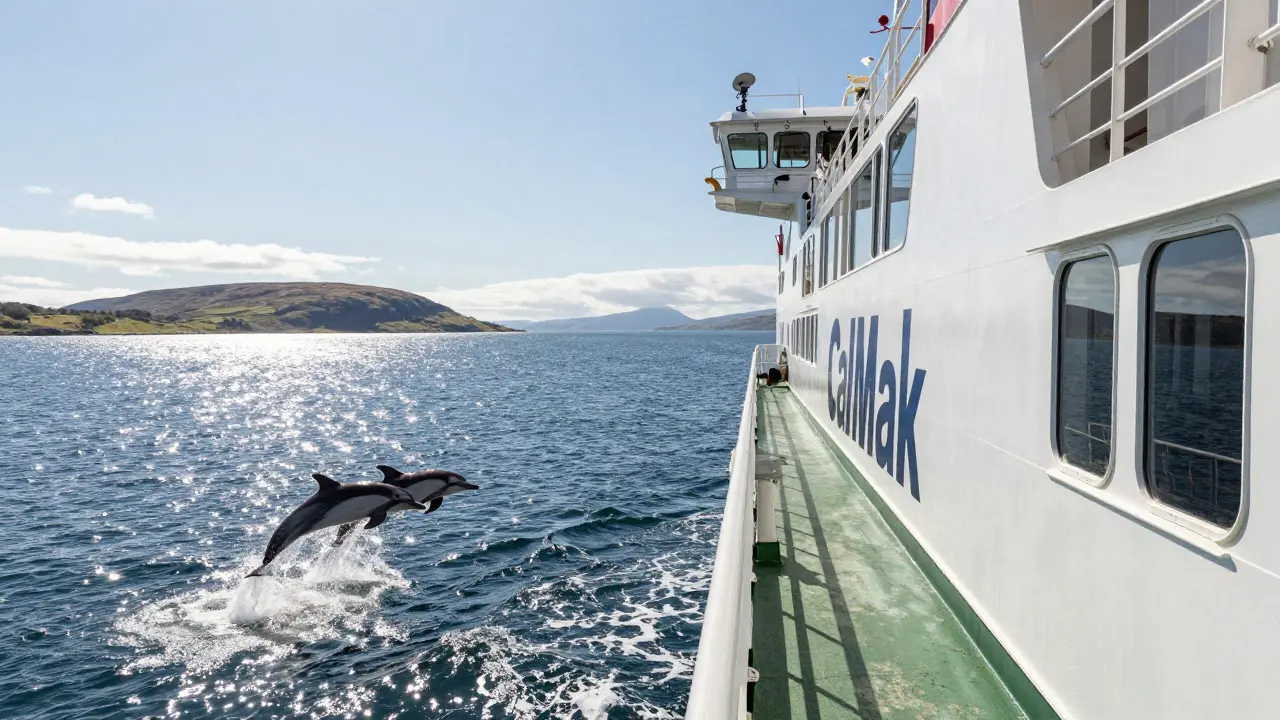
Your journey begins at Ardrossan Harbour, a quiet port town about 45 minutes from Glasgow. Book your tickets online through the Calmac website well in advance if you’re traveling between June and August. Vehicles cost around £60-£80 each way, while foot passengers pay roughly £15. The ferry itself is spacious, with indoor seating, a café, and large windows perfect for watching the coastline unfold.
As you cross the Firth of Clyde, keep an eye out for dolphins-they’re frequently spotted here, especially in the early morning. The ride offers panoramic views of the Kintyre peninsula and, on clear days, even glimpses of Ireland. It’s not just transport; it’s part of the experience.
Where to Stay: Avoiding the Tourist Trap
Brodick, the capital, is charming but pricey during summer. For a quieter base, consider staying in Lamlash or Jordanstown. These villages offer cozy guesthouses and self-catering cottages at lower rates, plus easy access to some of the island’s best trails. If you prefer camping, Arran Camping Club operates several sites near Lochranza and Corrie, all with basic facilities and breathtaking scenery.
Book early-even if you’re not going to Skye, Arran fills up fast in July and August. Local families return home for holidays too, so competition for rooms is real. Try booking directly with hosts rather than through big platforms; you’ll often get better deals and personal recommendations.
Hiking Highlights: Trails Without the Throngs
Arran’s nickname, “Scotland in Miniature,” comes from its compact size and diverse terrain. In under 40 square miles, you’ll find glaciers-carved valleys, volcanic rock formations, sandy beaches, and ancient forests. Here are three must-do hikes:
- Goat Fell Summit Trail: Starting from Glen Sannox, this 10-mile round-trip hike climbs to Arran’s highest point. The views stretch across to Mull, Jura, and beyond. It’s steep but rewarding, and unlike many popular peaks, you won’t share the summit with dozens of other hikers.
- Whiting Bay to Machrie Moor: A gentle coastal walk leading to Neolithic standing stones and tombs. The path runs along golden sands and past historic cairns, offering a mix of natural beauty and archaeological wonder.
- Corrie Loop: A scenic loop through pine forests and heather-covered hills, ideal for those seeking solitude. The trail passes old croft houses and hidden lochs, making it perfect for photography enthusiasts.
All these trails are marked clearly, and guidebooks like "Walking Arran" by John McCallum provide detailed maps and historical context. Bring waterproof layers-weather changes quickly, even in summer.
Food & Drink: Beyond the Pub Menu
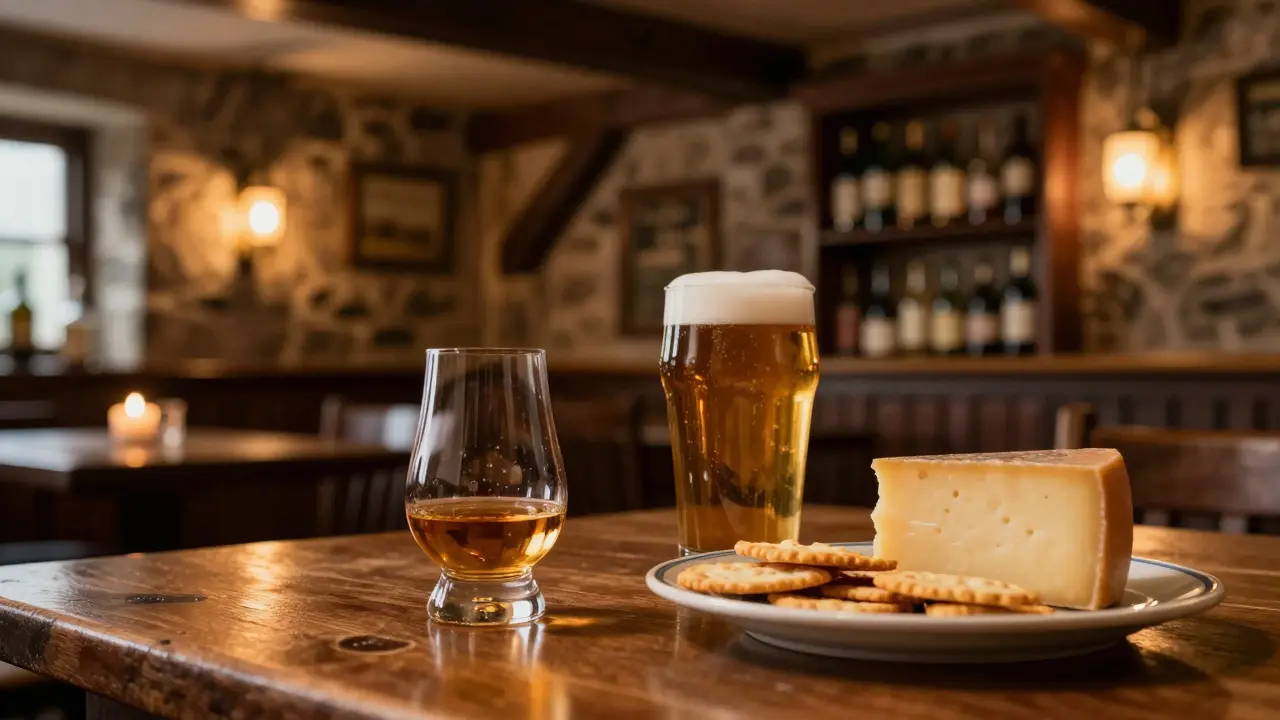
Arran’s culinary scene is thriving, thanks largely to local producers. Don’t leave without trying Arran Brewery’s flagship beer, brewed using water from the island’s springs. Their distillery also produces award-winning whisky, gin, and vodka-all made with locally sourced ingredients.
In Brodick, visit The Old Mill Restaurant for fresh seafood caught daily by local fishermen. In Lamlash, The Ship Inn serves hearty stews and pies paired with craft beers from nearby microbreweries. And if you’re feeling adventurous, join a guided tour of Arran Cheese Company, where they make artisanal cheeses using milk from Highland cows grazing on open moors.
For breakfast, skip the hotel buffet and head to Café 19 in Brodick. They serve homemade sourdough toast, free-range eggs, and coffee roasted in Glasgow. It’s simple, honest, and delicious.
History & Culture: More Than Just Scenery
Arran’s past is rich and layered. From Viking settlements to medieval castles, the island tells stories of invasion, trade, and resilience. Visit Dunnicaer Castle, a ruined fortress perched above Brodick Bay, or explore Glassary Church, a 12th-century structure still used for services today.
Don’t miss the Arran Heritage Centre in Brodick, which showcases artifacts from prehistoric times to World War II. Interactive exhibits bring history to life, including a replica Viking longhouse and a collection of traditional tools used by islanders for centuries.
When to Go: Timing Is Everything
Summer (June-August) brings warm weather and long daylight hours, but also crowds. Spring (April-May) offers blooming wildflowers and fewer tourists, though rain is common. Autumn (September-October) sees golden foliage and crisp air, ideal for hiking. Winter (November-March) is quiet, with limited services but magical snow-covered landscapes.
If you want balance, aim for late May or early September. You’ll enjoy mild temperatures, open attractions, and manageable visitor numbers.
Practical Tips for Your Trip
- Bring Cash: Some smaller shops and cafes don’t accept cards.
- Pack Layers: Weather shifts rapidly-from sunshine to sleet in minutes.
- Respect Wildlife: Keep dogs leashed near sheep fields and avoid disturbing nesting birds.
- Support Locals: Buy souvenirs from independent artisans, not mass-produced imports.
- Check Tide Times: Some coastal paths become impassable at high tide.
Final Thoughts: Why Choose Arran?
Isle of Arran isn’t trying to be Skye. It doesn’t need to. What it offers instead is authenticity-a chance to connect with nature, history, and community without the pressure of performance tourism. Whether you’re hiking Goat Fell, sampling Arran whisky, or simply sitting by the harbor watching the sunset, you’ll find something genuine here.
So next time you plan a Scottish island getaway, skip the queues and the prices. Head south. Discover Arran. You might just fall in love with it.
How do I get to the Isle of Arran?
Take the Caledonian MacBrayne ferry from Ardrossan Harbour to Brodick. The crossing takes 50 minutes and runs multiple times daily. Book vehicles online in advance during peak season.
Is Arran suitable for families?
Yes. Arran has family-friendly accommodations, safe beaches, easy walking trails, and interactive museums. Many hotels offer kids’ menus and play areas.
Can I visit Arran without a car?
Absolutely. Kelvin Transit operates regular bus services connecting Brodick, Lamlash, Whiting Bay, and other key locations. Taxis are also available for short trips.
What’s the best time to visit Arran?
Late May to early September provides the best weather and longest days. However, April and October offer fewer crowds and beautiful seasonal colors.
Are there any dangerous animals on Arran?
No. Arran has no venomous snakes or large predators. Stick to marked trails, watch your step on rocky terrain, and respect livestock boundaries.
Where can I buy Arran whisky?
Visit the Arran Distillery in Lochranza for tours and tastings. Bottles are also sold in local shops, supermarkets, and online through their official store.
Is mobile phone coverage reliable on Arran?
Coverage varies. Major carriers work well in Brodick and Lamlash, but signal drops in remote areas like Glen Sannox or Corrie. Download offline maps before hiking.
What should I pack for an Arran trip?
Waterproof jacket, sturdy hiking boots, layered clothing, sunscreen, insect repellent, reusable water bottle, and a power bank for charging devices.