
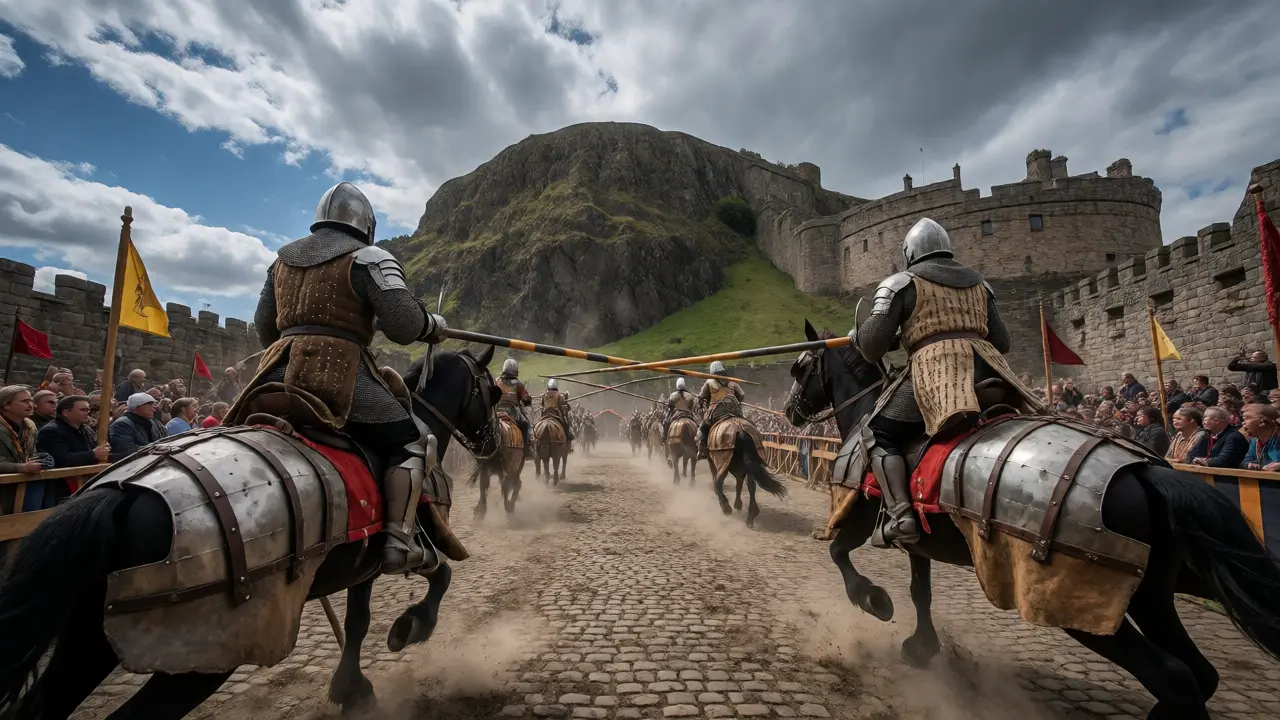
Imagine standing in the shadow of a thousand-year-old stone wall, the air thick with the smell of woodsmoke and roasting meat. Suddenly, the ground trembles under the hooves of armored horses, and the clash of steel rings out across the courtyard. This isn't a movie set; it's a Saturday afternoon at one of Scotland's historic castles during peak season. If you've ever dreamed of stepping back into the Middle Ages, you need to know that the calendar for castle events is packed from May through September.
But here’s the catch: these aren't just static museum tours where you whisper behind glass cases. These are living history experiences. From highland games to jousting tournaments, the variety can be overwhelming if you don't know where to look. We’re going to break down exactly which events offer the best bang for your buck, what to expect regarding crowds and weather, and how to plan your trip so you don’t miss the main spectacle.
What Makes Scottish Castle Events Unique?
Most European countries have castles. Few have them integrated into daily life quite like Scotland. The difference lies in the scale of participation. In many places, reenactments are small groups in a park. In Scotland, entire communities often mobilize. Take the Edinburgh Castle Military Tattoo, for instance. While technically a military display, it sets the tone for the country’s approach to heritage performance: massive scale, professional production, and deep respect for tradition.
When we talk about medieval reenactments, we mean dedicated historical accuracy. Groups like the Society for Creative Anachronism or local Scottish heritage trusts spend months researching fabric types, weapon metallurgy, and cooking methods. You won't see polyester t-shirts here. You’ll see hand-stitched wool tunics and hear authentic dialects. This level of detail transforms a simple day trip into an immersive educational experience.
- Authenticity: Costumes and props are often handmade based on archaeological finds.
- Interactivity: Visitors are frequently invited to try archery, hold swords, or taste period-accurate food.
- Scenery: The backdrop is real history. No CGI needed when you're watching a siege simulation against a genuine 13th-century keep.
The Big Hitters: Must-See Castle Festivals
If you only have time for one or two events, prioritize the big names. They have the budget for larger casts, better safety measures, and more diverse activities for families.
| Event Name | Location | Typical Dates | Best For |
|---|---|---|---|
| Stirling Castle Medieval Festival | Stirling | Late July / Early August | Families & History Buffs |
| Edinburgh Castle Tattoo | Edinburgh | August (Daily) | Military Music & Spectacle |
| Urquhart Castle Highland Games | Inverness-shire | May - September | Culture & Athletics |
| Bannockburn Live | Stirling | June (Biennial) | Battle Reenactments |
| Dunnottar Castle Ghost Tours | Aberdeenshire | Year-round (Nightly) | Spooky Atmosphere |
Stirling Castle hosts one of the most comprehensive festivals. It’s not just about knights; there are market stalls selling traditional crafts, falconry displays, and children’s workshops where they can forge their own "coins." The castle sits on a volcanic crag, offering panoramic views that make the photos alone worth the ticket price.
Then there’s Bannockburn Live. Held near the site of Robert the Bruce’s famous 1314 victory, this event leans heavily into combat reenactment. If you want to see massed charges of infantry and cavalry maneuvers, this is the place. Note that it happens biennially, so check the schedule carefully before booking flights.
Planning Your Visit: Logistics and Timing
Scotland’s weather is infamous, but it shouldn’t stop you. However, it should dictate your packing list. Even in July, rain is possible. Wear waterproof layers. Most castle grounds are grassy or cobbled, so sturdy boots are non-negotiable. High heels will sink into the mud at Urquhart Castle faster than you can say "tartan."
Timing is everything. The peak season runs from mid-June to early September. During this window, accommodation prices in towns like Stirling and Inverness can double. Book hotels at least three months in advance. If you’re flexible, aim for late May or early June. The crowds are thinner, the days are long (up to 18 hours of daylight), and the flowers are blooming around the castle gardens.
Transportation requires some thought. Many major castles are accessible by train, but rural ones like Dunnottar require a car or a guided tour bus. Renting a car gives you freedom to chase multiple events in a weekend, but parking at popular sites fills up by 10 AM. Arrive early or use shuttle services provided by local councils.
What to Expect at a Medieval Reenactment
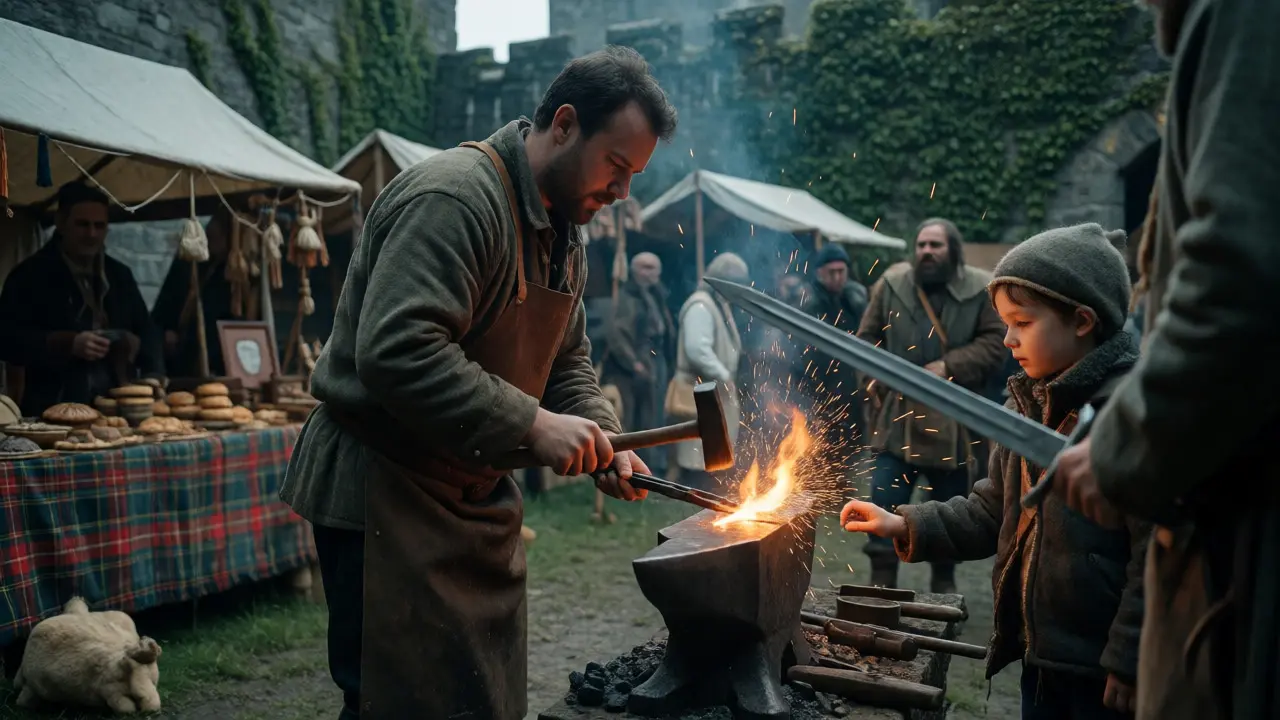
Don’t go in expecting Hollywood glamour. Real medieval life was dirty, loud, and smelly. Reenactors embrace this. You might see blacksmiths hammering hot iron, creating sparks that fly dangerously close to spectators. Keep a safe distance from active zones marked with rope or flags.
Food is a major part of the experience. Look for "period fare"-meat pies, pottage (a thick vegetable stew), and ale brewed using traditional methods. It’s surprisingly good. Vegetarians often struggle with options, so bring snacks if you’re picky. Prices are higher than supermarket equivalents, but you’re paying for the atmosphere and the craftsmanship.
Engagement varies by event. Some are strictly observational, while others encourage interaction. At family-friendly festivals, ask questions! Reenactors love explaining their gear. Want to know why they wear chainmail? Ask them about the weight distribution. Curious about the sword? They’ll likely let you hold it (carefully).
Beyond the Mainstream: Hidden Gems
If you’ve done Edinburgh and Stirling, branch out. Caerlaverock Castle in Dumfries and Galloway offers a unique triangular layout and smaller, more intimate reenactment groups. It’s less touristy, meaning you get closer access to performers.
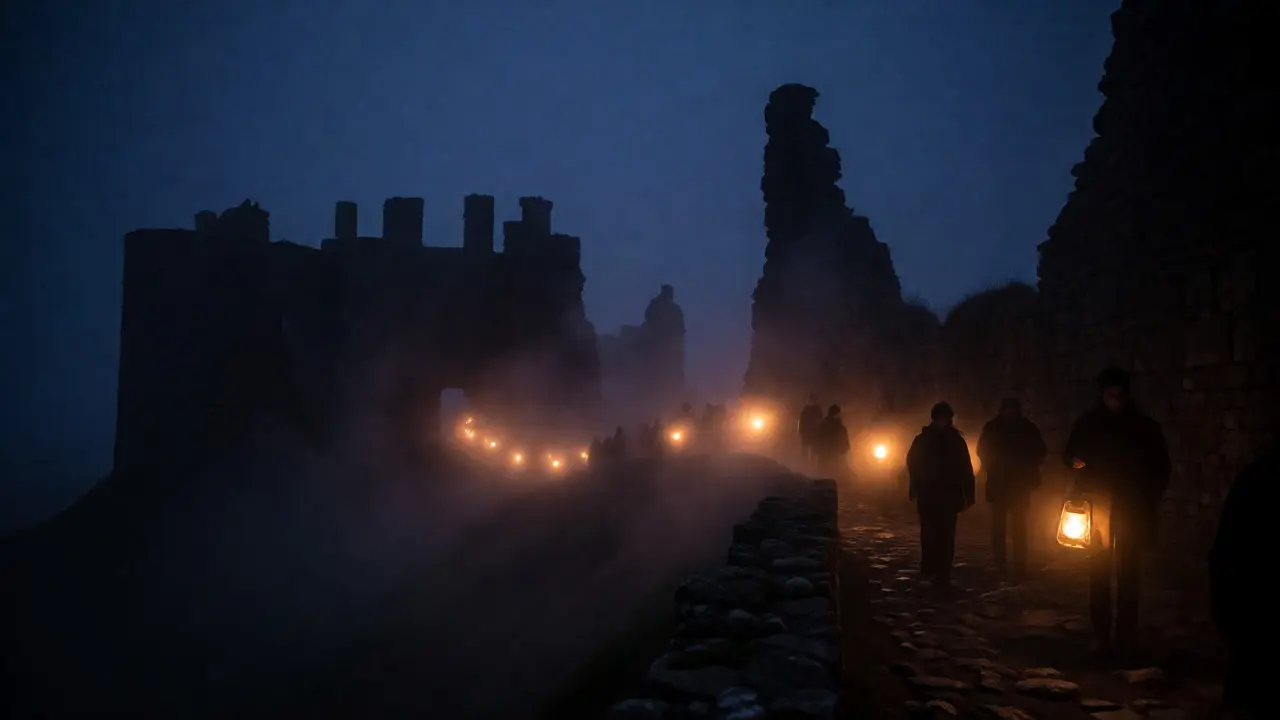
For something different, try a night event. Several castles, including Glamis and Dunvegan, host evening lantern tours combined with storytelling. These aren't always full-scale battles but focus on folklore and ghost stories. They’re excellent for couples looking for a romantic, eerie vibe without the daytime chaos.
Consider combining your visit with nearby attractions. The Scottish Highlands region is vast. Pairing a castle festival with a hike in the Cairngorms or a boat trip on Loch Ness creates a balanced itinerary. Don’t try to cram too much in; travel times between castles can be longer than expected due to single-track roads.
Costs and Budgeting Tips
Tickets range widely. Small village reenactments might charge £5-£10 per adult, while major festivals like the Tattoo cost £40-£90 depending on seating. Family tickets usually offer savings. Always check online discounts; buying in advance often saves 10-15%.
Factor in hidden costs: parking (£5-£10 per day), food (£15-£25 per person per meal), and merchandise. Souvenirs like replica swords or tartan scarves add up quickly. Set a daily spending cap to avoid shock at the end of the trip.
Free alternatives exist. Many castles allow free entry to the grounds outside of special event hours. You can watch rehearsals for free at some venues. Check local council websites for community-led events, which are often free or donation-based.
Final Thoughts on Immersion
Attending a castle event in Scotland isn’t just about seeing old buildings. It’s about feeling the weight of history. When you stand in the crowd as bagpipes swell and cannons fire, you connect with centuries of human story in a way textbooks never achieve. Plan ahead, dress right, and stay curious. You’ll leave with memories that feel as solid as the stones surrounding you.
Do I need to book tickets in advance for castle events?
Yes, especially for major events like the Edinburgh Tattoo or Stirling Castle festivals. Tickets sell out weeks in advance during peak summer. Smaller local reenactments may allow same-day purchases, but booking online guarantees entry and often provides a discount.
Are castle events suitable for young children?
Most are very child-friendly. Look for events labeled "family day" or those featuring interactive workshops. Be mindful of noise levels from cannons or bagpipes, which can overwhelm toddlers. Ear protection for kids is a smart precaution.
What should I wear to a medieval reenactment?
Comfortable walking shoes are essential, as castle grounds are often uneven. Dress in layers because Scottish weather changes rapidly. Waterproof jackets are recommended even in summer. Avoid formal attire; casual, practical clothing fits the atmosphere best.
Can I take photos with reenactors?
Generally, yes. Most reenactors enjoy posing for photos and answering questions. However, wait until they are not actively performing or in a designated "quiet zone." Always ask permission first, especially if they are wearing expensive or fragile costume pieces.
Are these events wheelchair accessible?
Accessibility varies by location. Modernized castles like Edinburgh have ramps and elevators, but historic ruins often have steep stairs and gravel paths. Check specific venue accessibility guides online before visiting. Some events offer virtual tours for those unable to navigate rough terrain.