
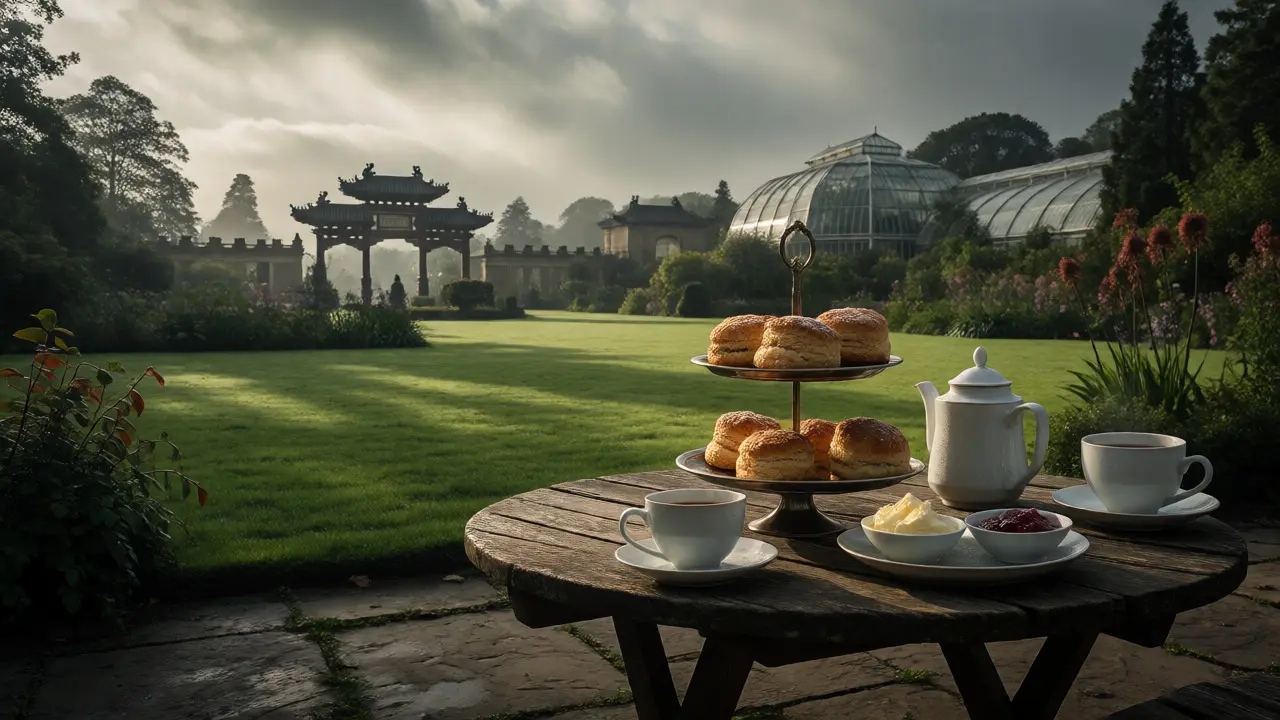
Imagine this: you’ve just walked through a misty Highland glen or wandered the manicured lawns of an Edinburgh estate. Your feet are tired, the wind is picking up, and you’re craving something warm. Not just any coffee-specifically, a proper scone with clotted cream and a view that makes your soul exhale. Scotland’s gardens aren’t just about botany; they’re social hubs where history, horticulture, and hospitality collide.
Finding the right tea room can make or break your day trip. Some serve rubbery cakes in sterile halls; others offer artisanal bakes in converted stables with panoramic loch views. This guide cuts through the noise to highlight the spots where the tea is hot, the cake is fresh, and the scenery is worth the ticket price.
The Royal Botanic Garden Edinburgh: Science Meets Scones
If you’re near Edinburgh, the Royal Botanic Garden Edinburgh (RBGE) is non-negotiable. It’s not just a park; it’s a living laboratory founded in 1670. The main entrance leads you past the Chinese Gateway into a world of rare flora, but the real draw for many is the café culture here.
The RBGE hosts multiple food outlets, each with a distinct vibe. The Garden Café, located near the glasshouses, offers a casual atmosphere perfect for families. You’ll find hearty soups and sandwiches, but their afternoon tea selection stands out for its use of local Scottish ingredients. For a quieter experience, head to the Inverleith House café, set within a Georgian villa. Here, the service is slower, the tea blends are curated, and you’re surrounded by art and architecture rather than just plants.
| Location | Vibe | Best For | View Type |
|---|---|---|---|
| Garden Café | Bustling, Family-friendly | Lunch & Quick Cakes | Greenhouse Interiors |
| Inverleith House | Quiet, Artistic | Afternoon Tea | Georgian Architecture |
| Park Café | Casual, Outdoor | Ice Cream & Light Bites | Open Lawns |
Pro tip: Visit on a weekday morning if you want a table without a wait. The weekend crowds are intense, especially when the rhododendrons bloom in May. Even if you don’t buy a full meal, buying a cuppa grants you access to the seating areas, which often overlook some of the most dramatic plant collections in Europe.
Glasgow Botanic Gardens: The Kibble Palace Experience
Travel west to Glasgow, and you’ll find another heavyweight contender. The Glasgow Botanic Gardens is famous for the Kibble Palace, a Victorian greenhouse that looks like something out of a fantasy novel. But the heart of the visitor experience is the Kibble Palace Café.
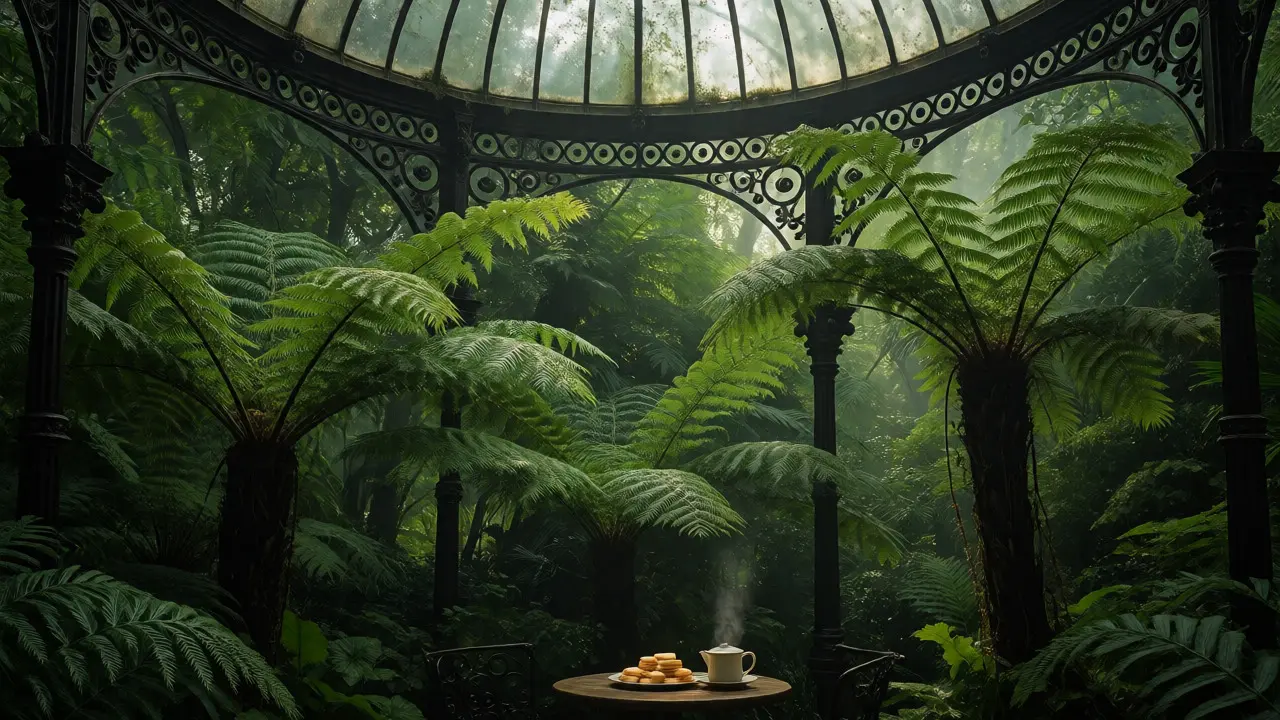
This isn’t your average museum shop. The café serves traditional Scottish fare with a modern twist. Think shortbread made from Ayrshire butter and scones served warm with jam from local farms. The setting is unparalleled-you’re drinking tea under curved glass, surrounded by giant tree ferns that have been growing there for over a century. It’s humid, lush, and incredibly photogenic.
Unlike the RBGE, Glasgow’s setup is more centralized. There’s one main café area, which means fewer choices but a consistent quality standard. The staff are knowledgeable about both the menu and the garden’s history, often sharing stories about the rare palms outside while you wait for your order. If you’re visiting with kids, the adjacent children’s play area is well-maintained, allowing parents to relax slightly more than in stricter heritage sites.
Historic Estates: Where Tea Comes With a Castle View
For many travelers, the ultimate Scottish garden experience involves a castle. Sites managed by the National Trust for Scotland or Historic Environment Scotland often feature tea rooms housed in historic buildings-old stables, gatehouses, or manor kitchens. These spots offer a different kind of charm: rustic, cozy, and steeped in narrative.
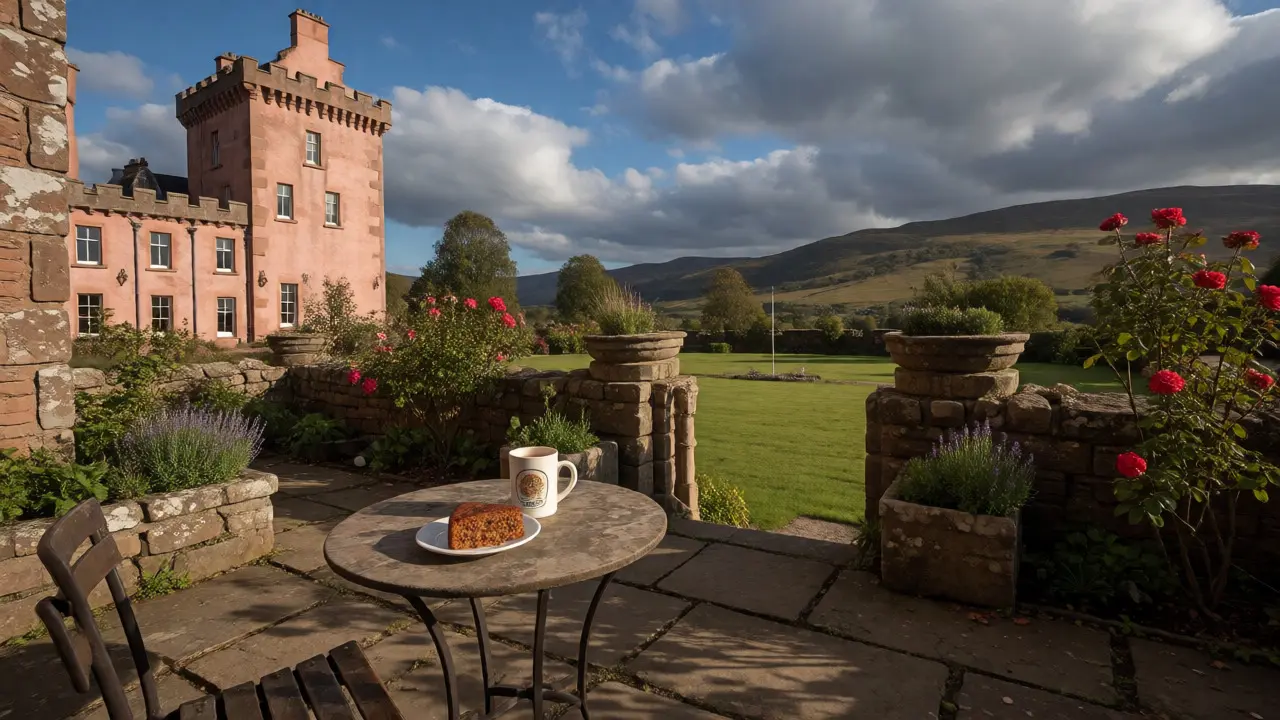
Craigievar Castle in Aberdeenshire is a prime example. The pink-hued fairy-tale castle sits atop a hill, and the tearoom is located in the old walled garden complex. After touring the interior, you step outside into a sheltered courtyard filled with roses and herbs. The tea room serves simple, comforting food. Their fruit cake is dense and rich, perfect for dipping into strong builder’s tea. The view from the terrace looks out over the rolling Aberdeenshire hills-a stark contrast to the urban greenery of Edinburgh or Glasgow.
Another standout is Pollok Country Park in Glasgow, home to Pollok House. The tearoom here is spacious and bright, with large windows overlooking the parkland deer herd. It’s less about the “castle” aesthetic and more about the grand country house feel. The afternoon tea platters are generous, featuring finger sandwiches, mini quiches, and a tiered stand of cakes. It’s a popular spot for locals, so arriving before 11 AM or after 3 PM ensures a smoother experience.
Coastal Charm: Seaside Gardens and Ocean Air
Scotland’s coastline offers a unique gardening challenge-and reward. Coastal gardens must withstand salt spray and high winds, resulting in hardy, beautiful landscapes. Pairing these with a seaside tea room creates an unforgettable sensory experience.
Consider Portmeirion Village in North Wales (just across the border, often included in Scottish tours) or better yet, stay true to Scotland with St Andrews. The University Gardens in St Andrews are free to enter and open daily. While not a single massive estate, the town’s proximity to the sea and its historic ruins provide a backdrop unlike anywhere else. Several independent tea rooms dot the path between the gardens and the beach, offering views of the cathedral ruins and the North Sea.
Further north, the Ardrossan area offers access to Arran, known as “Scotland in Miniature.” Brodick Castle, managed by the National Trust, has a tearoom with spectacular views of the Firth of Clyde. On clear days, you can see the Isle of Arran’s peaks. The tea room is built into the castle’s lower levels, giving it a snug, bunker-like feel during storms, which adds to the coziness factor. Their seafood chowder pairs surprisingly well with a slice of lemon drizzle cake.
Practical Tips for the Perfect Garden Tea Run
Knowing where to go is half the battle; knowing how to navigate them is the other half. Here’s what seasoned visitors wish they knew before heading out.
- Check Opening Times: Many Scottish garden tea rooms close seasonally (October to March) or have reduced hours in winter. Always check the specific site’s website before traveling, especially for rural estates.
- Dress for the Weather: Scottish weather changes rapidly. Wear layers. You might be sweating in a greenhouse and freezing on a windy terrace ten minutes later. Waterproof jackets are essential.
- Booking vs. Walk-ins: Popular spots like Inverleith House or major castle tearooms may require reservations for groups larger than four. Solo travelers or couples rarely face issues, but weekends in summer are busy.
- Allergies and Dietary Needs: Most tea rooms now offer gluten-free, vegan, and dairy-free options. However, cross-contamination is common in bakeries. Ask staff specifically if you have severe allergies.
- Support Local: Look for menus highlighting local suppliers. Scottish honey, Ayrshire strawberries, and Perthshire raspberries taste significantly better than imported alternatives. Supporting these small producers keeps the local economy vibrant.
Why These Spots Matter More Than Just Food
You might wonder why we’re focusing so much on tea rooms. Isn’t it just about eating? Not quite. These spaces serve as community anchors. They’re where retirees meet for chess, where tourists rest their legs, and where locals catch up. By spending money in these cafes, you directly fund the maintenance of the gardens themselves. Ticket sales cover only a fraction of the upkeep costs for these historic landscapes; hospitality revenue bridges the gap.
Moreover, the pause allows you to absorb the environment. Rushing through a garden means missing the details-the way light filters through maple leaves, the scent of damp earth, the distant call of a curlew. Sitting down with a cup of tea forces you to slow down. It transforms a sightseeing tour into a moment of genuine connection with the place.
Do I need to pay entry fees to visit tea rooms in Scottish gardens?
It depends on the location. Public parks like Glasgow Botanic Gardens are free to enter, so you can visit the café without paying an admission fee. However, historic estates like Craigievar Castle or private properties usually charge an entry fee for the grounds, which includes access to the tea room. Some places allow non-gardeners to enter the café area via a separate entrance, but policies vary widely. Always check ahead.
Are Scottish garden tea rooms dog-friendly?
Many are, but rules differ. In outdoor seating areas, dogs are often welcome, provided they are leashed. Indoor dining areas frequently prohibit dogs for hygiene reasons. Some estates have designated dog-friendly zones within the gardens but exclude the main house interiors. It’s best to call ahead or check the specific venue’s policy on their website before bringing your pet.
What is the best time of year to visit these tea rooms?
Late spring (May-June) and early autumn (September-October) offer the best balance of good weather and manageable crowds. Spring brings blooming flowers and longer daylight hours, while autumn provides stunning foliage colors and harvest-themed menus. Summer can be crowded, and winter sees many rural tea rooms closed or operating limited hours, though city-based ones remain open year-round.
Can I book afternoon tea in advance at these locations?
Yes, and it’s highly recommended for popular spots. Locations like the RBGE’s Inverleith House or major castle tearooms often fill up quickly, especially on weekends and holidays. Booking online through the venue’s official website ensures you get a table and sometimes guarantees a specific seating area with a better view. Walk-ins are accepted but subject to availability.
Are there vegetarian or vegan options available?
Absolutely. Most Scottish garden tea rooms now cater to diverse dietary needs. Vegan scones, plant-based cakes, and vegetarian savory items are standard on most menus. However, traditional clotted cream and butter are dairy-based, so vegans should ask for alternatives like coconut cream or margarine. Gluten-free options are also increasingly common, though cross-contamination risks exist in shared kitchen spaces.