
You’ve done the tour. You’ve sniffed the mash tun, watched the copper stills gleam under the lights, and maybe even tasted a dram of cask-strength single malt straight from the barrel. Now you’re hungry. But here’s the thing about Scottish distillery dining: it’s no longer just about grabbing a sandwich in a gift shop while your guide talks about peat levels. The game has changed.
If you think eating at a distillery means lukewarm soup and overpriced crisps, you haven’t been paying attention. From the Highlands to the Lowlands, distilleries are opening their doors to serious kitchens. We’re talking Michelin-starred ambitions, hyper-local sourcing, and expertly curated whisky food pairings that actually make sense-not just marketing fluff.
I live in Dundee, smack in the middle of some of the best whisky country in the world. I’ve eaten my way through more distillery restaurants than I can count on one hand (and both hands). Some were forgettable. Others? They changed how I think about dinner. This guide cuts through the noise. No fluff, just the real deal on where to eat, what to order, and how to navigate the menu like a local.
Why Distillery Restaurants Are Booming
It’s not an accident. For decades, distilleries treated food as an afterthought. A place to keep visitors from leaving too early. But the tourism boom-driven by shows like *Whisky Wars* and a global surge in craft spirits interest-forced a rethink. Visitors wanted more than a quick sip-and-shop. They wanted an experience.
Distilleries realized they had a unique asset: terroir. Just like wine regions, whisky areas have distinct flavors driven by water source, climate, and local agriculture. Why not put that on a plate? Suddenly, chefs started collaborating with distillers. The result is a new category of hospitality where the kitchen and the still house work in tandem.
This shift isn’t just about fancy plates. It’s about economic survival for rural communities. A distillery restaurant keeps tourists in the area for hours, not minutes. That means money spent in local shops, B&Bs, and pubs. If you’re visiting, you’re supporting a whole ecosystem just by ordering lunch.
The Art of the Pairing: It’s Not What You Think
Let’s kill a myth right now: you don’t need to match "smoky whisky" with "smoked salmon." That’s lazy. And often, it clashes.
Real whisky food pairing is about contrast and complement. Here’s the simple rule of thumb I use when I’m looking at a menu:
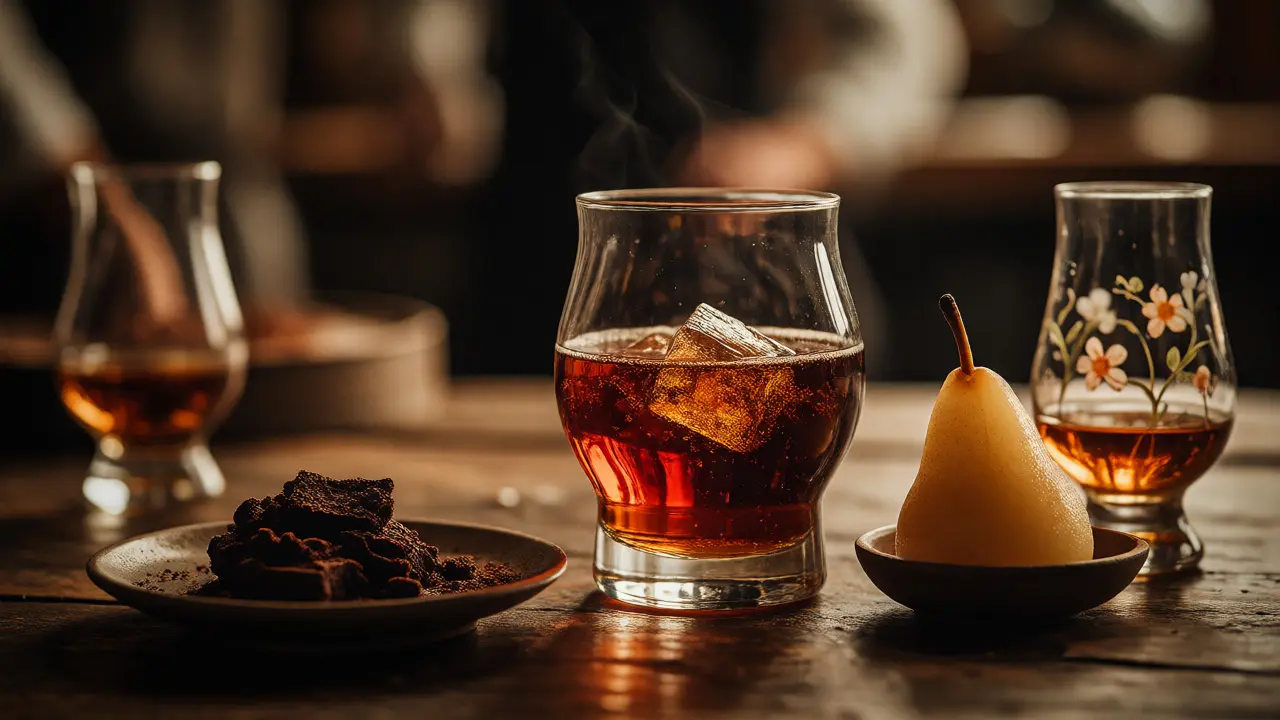
- Complement: Match weight with weight. A heavy, sherry-cask aged whisky needs rich, fatty food. Think venison stew or dark chocolate dessert. Lighter, floral whiskies go with delicate dishes like poached pear or white fish.
- Contrast: Cut through richness. A sharp, citrusy Lowland whisky can cut the fat of a buttery shortbread or creamy cheese. The acidity refreshes your palate.
- Bridge: Find a common ingredient. If the whisky has notes of vanilla (from American oak), look for desserts with vanilla bean or custard. If it’s heavily peated, try foods cooked over open fire or with smoked elements, but keep them subtle so the whisky doesn’t overwhelm them.
Don’t be afraid to ask the server. Good distillery staff know their products inside out. Ask them, "What do you drink this with at home?" You’ll get better answers than any printed card ever could.
Top Tier: The Serious Eaters
If you want a meal that rivals any city restaurant, these are the spots where the kitchen takes center stage. These aren’t just "tourist traps with good views." They are legitimate culinary destinations.
| Distillery | Location | Cuisine Style | Best For |
|---|---|---|---|
| The Macallan Estate | Speyside | Fine Dining / Modern Scottish | Luxury experiences & rare casks |
| Glenfiddich Tasting Room | Dufftown | Small Plates / Interactive | Learning pairings & casual lunches |
| Bruichladdich Port Charlotte | Islay | Rustic / Seafood-focused | Peat lovers & island vibes |
| Deanston Distillery Restaurant | Trossachs | Bistro / Local Produce | Scenic views & relaxed dinners |
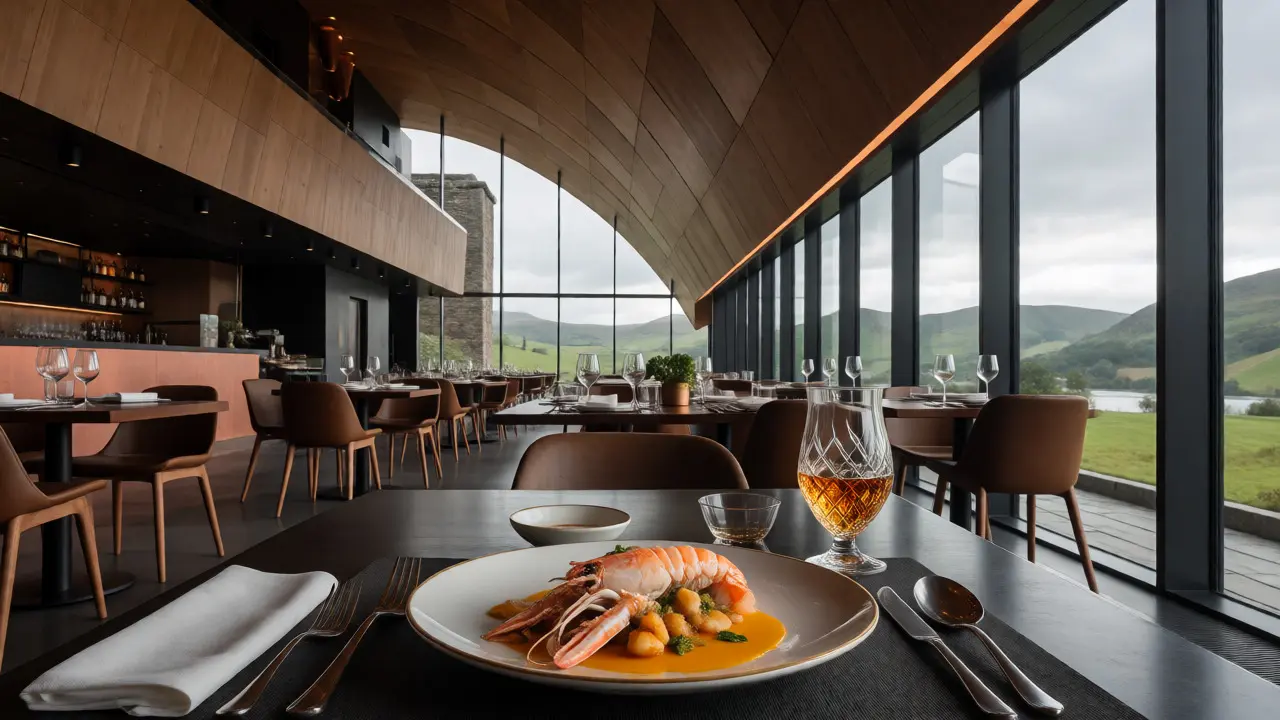
The Macallan Estate in Speyside is the heavyweight champion. Their restaurant isn’t just attached to the distillery; it’s part of a massive architectural statement. The food here is precise, using ingredients sourced within miles. Expect dishes like langoustine with saffron broth paired with a mature Macallan Sherry Oak. It’s expensive, yes, but you’re paying for consistency and quality that few places can match.
On the other end of the spectrum, Glenfiddich offers something different. Their tasting room focuses on education through eating. You’ll get small bites designed to highlight specific flavor profiles in their range. It’s less about filling up and more about training your tongue. Great for groups who want to engage rather than just sit and stare.
Hidden Gems: Underrated Spots Worth the Detour
You don’t always need the big names. Some of the best meals happen at smaller, family-run operations where the owner might actually come out to chat about the soup stock.
Take Deanston, nestled in the Trossachs National Park. The view alone is worth the trip-lochs and hills stretching out endlessly. But the food holds its own. They focus on hyper-local sourcing. If there’s lamb in the valley, it’s on the menu. If the garden has herbs, they’re in the sauce. Pair their lighter Highland Park-style offerings (they use similar water sources) with their herb-crusted chicken. It works because the freshness of the food mirrors the crispness of the spirit.
Then there’s Bruichladdich on Islay. Islay food can be tricky because the peat smoke is so dominant. But Bruichladdich gets it. Their café serves hearty, comforting food that stands up to the intense flavors of their Octomore range. Try their seafood chowder. It’s creamy, rich, and salty-perfect for cutting through the medicinal, smoky punch of a heavily peated dram. Plus, the atmosphere is laid-back. No stiff collars required.
Practical Tips for Your Visit
Planning to eat at a distillery? Here’s how to avoid disappointment.
- Book Ahead: This cannot be stressed enough. Popular spots like The Macallan or Glenkinchie fill up weeks in advance, especially during summer and autumn harvest seasons. Don’t assume you can walk in and get a table.
- Check the Tour Times: Many distilleries require you to book a tour to access certain dining areas. Or, conversely, if you’re only eating, you might miss out on the cellar door exclusives. Clarify this when booking.
- Dress Code: Most are smart-casual. Jeans are fine; dirty hiking boots might not be. Check the website. It saves embarrassment.
- Driving: If you’re drinking, plan transport. Rural buses are infrequent. Designate a driver or stay nearby. Some distilleries offer accommodation packages that include dinner and breakfast. Look for those if you want to relax fully.
- Allergens: Menus change seasonally. Always flag allergies immediately. In rural kitchens, cross-contamination can happen, especially with nuts or shellfish used in stocks.
The Future of Scottish Food Tourism
We’re seeing a move toward "farm-to-glass" concepts. Distilleries are planting their own barley fields, growing vegetables in walled gardens, and raising livestock on land surrounding the warehouses. This closes the loop. You’re literally eating the landscape that creates the flavour in your glass.
Expect more interactive dining experiences too. Chef-led tours where you cook alongside the production team. Evening events where musicians play while you taste limited releases. The line between museum, brewery, and restaurant is blurring. And honestly? That’s exactly where it should be.
So next time you’re in Scotland, don’t just rush through the tasting room. Stay for dinner. Sit down. Order the local catch. Pour yourself a dram. Let the flavours talk to each other. You might just find your new favourite way to experience the country.
Do I need to book a tour to eat at a distillery?
Not always, but it depends on the venue. Larger estates like The Macallan often have separate restaurant bookings available without a tour. Smaller distilleries may integrate dining into the tour package. Always check the specific booking page for your chosen location to see if restaurant-only reservations are possible.
Is vegetarian food available at distillery restaurants?
Yes, most modern distillery restaurants cater well to vegetarians and vegans. Because many rely on local produce, they often have fresh vegetable-forward options. However, always inform the kitchen of dietary restrictions in advance, as some traditional Scottish dishes use animal fats or stocks that aren't immediately obvious.
How much does a meal cost at a Scottish distillery?
Prices vary widely. Casual cafes might charge £10-£15 for a main course. Fine-dining experiences at major estates like The Macallan or Dalmore can range from £40 to £80+ per person before drinks. Factor in the cost of whisky tastings separately unless a pairing menu is included.
Can I buy the whisky I drank with my meal?
In most cases, yes. Distillery shops usually stock the expressions served in the restaurant. Sometimes, special release bottlings exclusive to the estate are available only to diners or tour guests. Ask your server if there are any "restaurant exclusives" you can purchase.
Are children allowed in distillery restaurants?
Most are family-friendly during daytime hours. However, evening services at finer dining establishments may have age restrictions or quieter atmospheres unsuitable for young children. Check the policy beforehand, especially if you plan to visit during peak tourist season.