
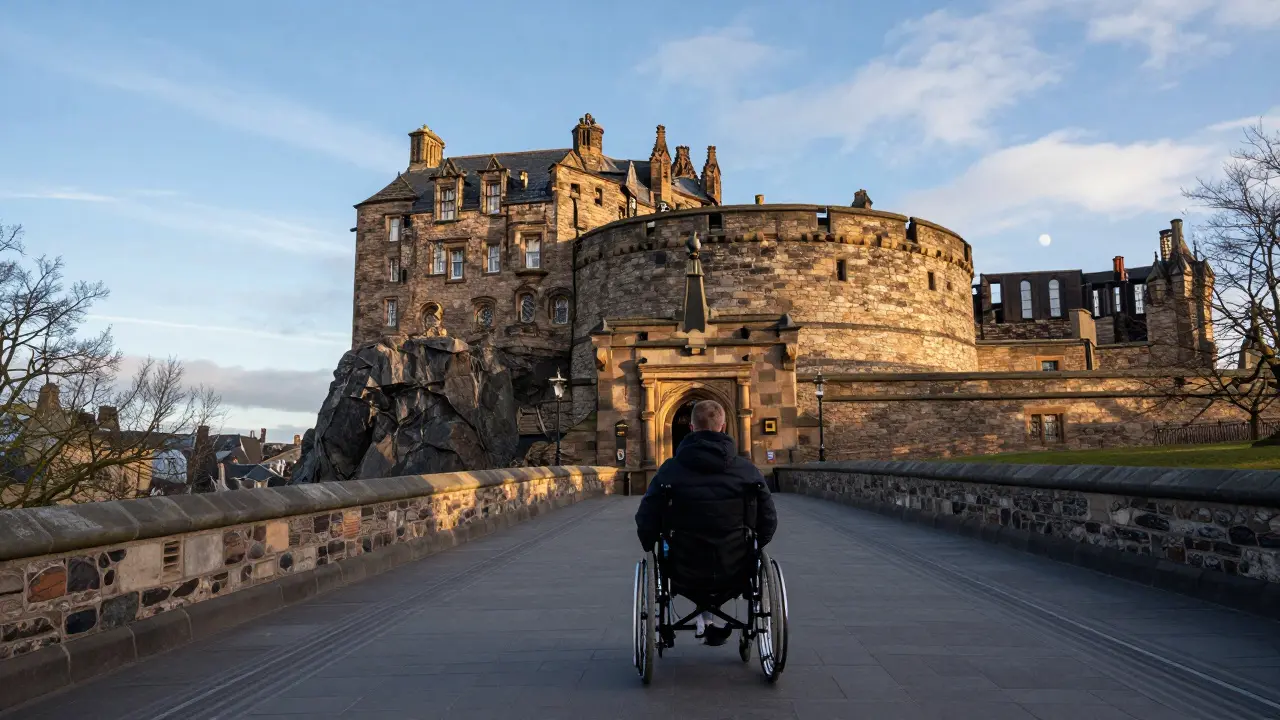
Imagine standing on the ramp of Edinburgh Castle, looking out over a city that feels entirely within reach. For years, the myth persisted that historic Scottish cities were off-limits to wheelchair users due to cobblestones and steep hills. That narrative is outdated. Today, Edinburgh stands as one of the most accessible capital cities in Europe, blending medieval charm with modern infrastructure designed for inclusivity.
If you are planning a trip to the Scottish capital with mobility needs, this guide cuts through the noise. We aren't just listing places; we are detailing the specific routes, the best times to visit, and the exact transport options that make your journey smooth. From navigating the Royal Mile without exhaustion to securing priority seating on public transit, here is everything you need to know for a stress-free visit in 2026.
Navigating Edinburgh’s Public Transport System
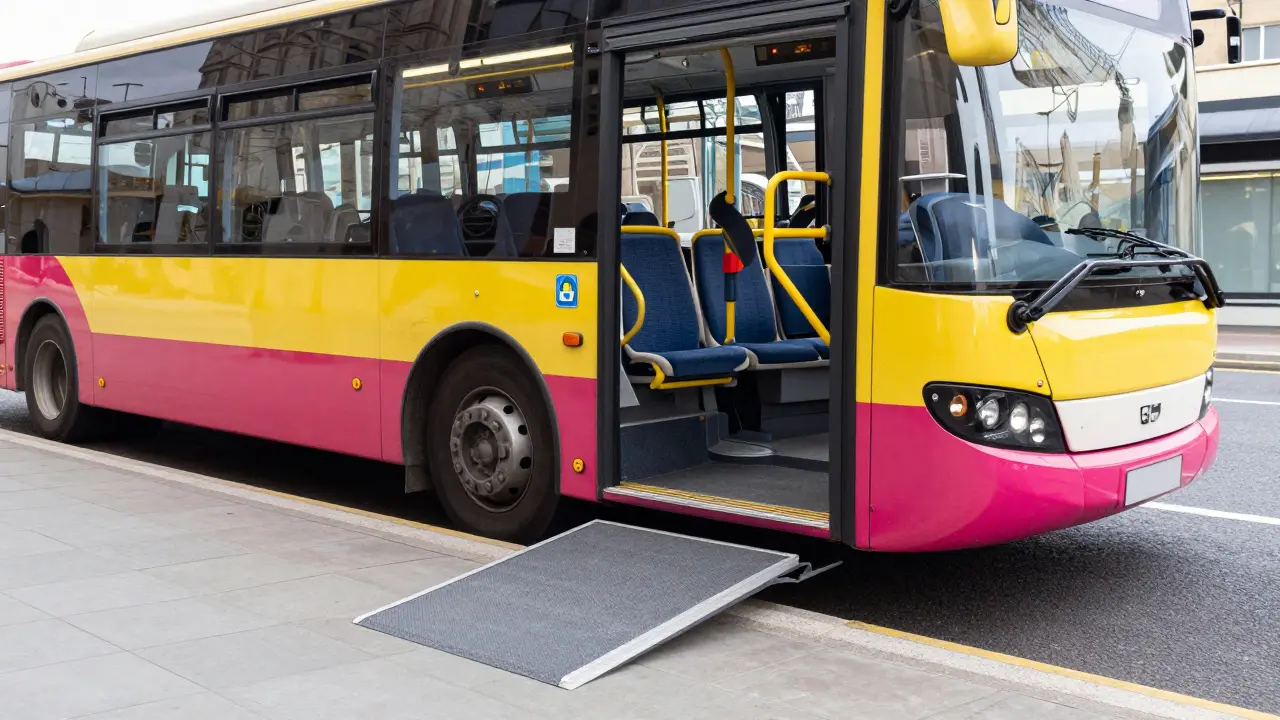
The backbone of an accessible trip is reliable transport. Edinburgh has invested heavily in its Lothian Buses network, ensuring that getting around is not just possible but comfortable. Almost all buses in the city center and major routes feature low-floor designs with hydraulic kneeling systems. This means the bus lowers itself to curb level, allowing for easy boarding via a retractable ramp.
- Priority Seating: Every bus has designated spaces near the front doors. These areas are clearly marked and kept clear by drivers who are trained in accessibility protocols.
- Audio-Visual Announcements: If you have visual impairments alongside mobility issues, the next-stop announcements are both spoken and displayed on digital screens.
- Bus Stops: Major stops along Princes Street and George Street have raised platforms that align perfectly with the bus floor, eliminating the gap that can sometimes trap wheels.
For longer distances, the Edinburgh Trams line from the airport to the city center is fully accessible. All stations feature step-free access via lifts or ramps. The trams themselves have dedicated wheelchair spaces and priority seating. It is worth noting that while the tram system is excellent, it only covers a linear route from the south to the north. You will still rely on buses for lateral movement across the city.
Taxis in Edinburgh present a mixed bag. While many black cabs (London-style) are accessible, the standard silver taxis often require assistance. Always specify "wheelchair accessible vehicle" when booking through apps like Uber or local companies such as Edinburgh Taxis. Most private hire vehicles now offer vans with ramps, but pre-booking is essential to guarantee availability, especially during peak tourist seasons in July and August.
Step-Free Access to Iconic Attractions
Let's address the elephant in the room: Edinburgh Castle. Can you really get up there? Yes. The castle offers a fully accessible route starting from the Esplanade. There are no steps required if you use the designated path. However, be aware that the ground inside the castle grounds includes some uneven surfaces and gravel. A rigid-frame wheelchair handles this better than a soft-spoke model. Inside the buildings, elevators connect the different levels, including the Crown Jewels and the Stone of Destiny exhibits.
Holyrood Palace, the King’s official residence in Scotland, is another highlight. The palace provides comprehensive wheelchair access throughout the State Apartments. Staff are trained to assist visitors with mobility aids, and loaner wheelchairs are available upon request at the visitor center. The gardens are largely paved, making them easy to navigate, though some grassy areas may be challenging after heavy rain.
For art lovers, The National Gallery of Scotland on The Mound is a masterpiece of accessibility. Located in a building designed with wide corridors and multiple elevator points, it allows seamless movement between floors. The gallery even offers tactile tours for visually impaired visitors, demonstrating a commitment to holistic inclusion.
| Attraction | Entry Access | Interior Navigation | Key Considerations |
|---|---|---|---|
| Edinburgh Castle | Ramp access from Esplanade | Elevators available; some gravel paths | Book online to skip queues; allow extra time for transfers |
| Holyrood Palace | Step-free entrance | Fully accessible interiors; paved gardens | Loaner wheelchairs available; book state apartments in advance |
| National Museum of Scotland | Automatic doors | All floors accessible via lift | Free entry; spacious layout ideal for maneuvering |
| Real Mary King’s Close | Lift to underground levels | Narrow passages; limited turning space | Not recommended for manual wheelchairs; power chairs may fit |
Dining and Nightlife Without Barriers
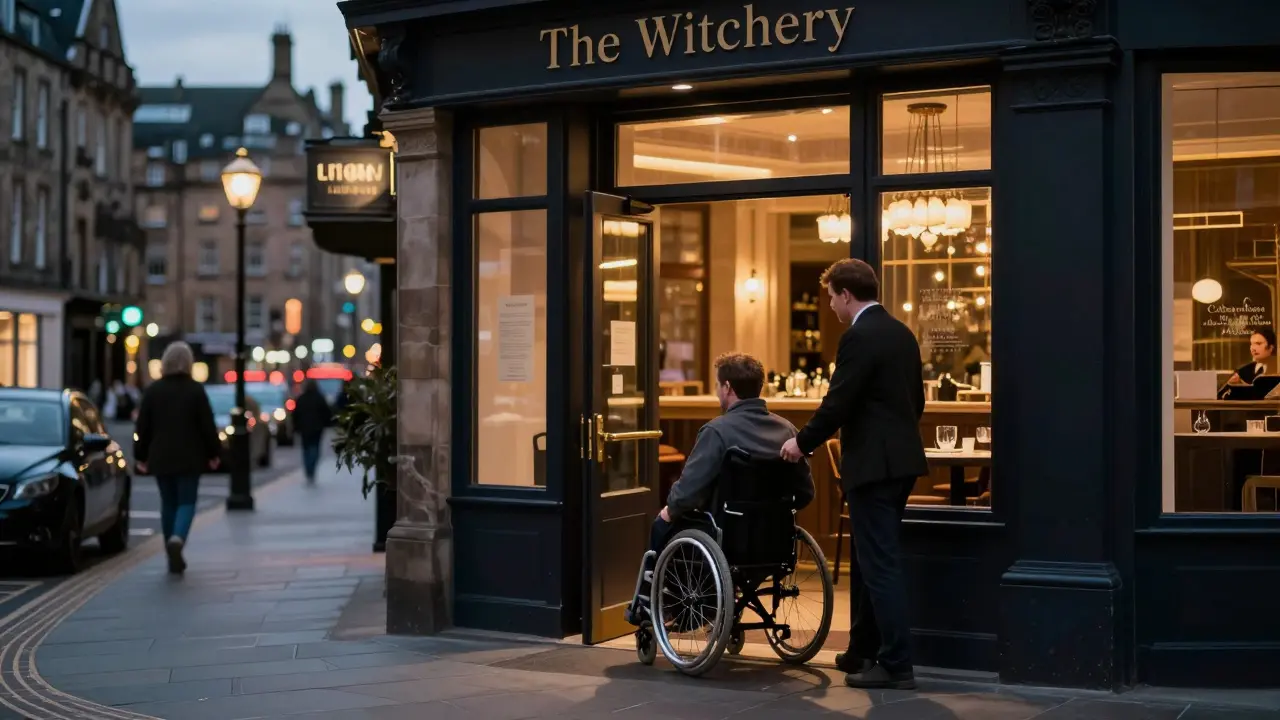
Edinburgh’s food scene is vibrant, but finding a place that accommodates a wheelchair can sometimes feel like a treasure hunt. Fortunately, several iconic spots prioritize accessibility. The Witchery by the Castle offers a dramatic dining experience with step-free access via a side entrance. Their staff are accustomed to assisting guests with mobility needs, ensuring a comfortable evening.
For a more casual vibe, head to the Stockbridge area. Many cafes here, such as Caffè Nero and independent bakeries, have flat entrances and wide aisles. When in doubt, look for restaurants with ground-floor seating and automatic doors. Apps like Wheelmap are invaluable here, providing user-generated data on door widths, ramp slopes, and toilet accessibility.
Nightlife in Edinburgh can be trickier due to old architecture. Venues like Omneity offer accessible bars and clubs with dedicated spaces for wheelchair users. Always call ahead to confirm current conditions, as temporary events or renovations can affect access.
Practical Tips for Independent Travel
Planning ahead makes all the difference. Here are some actionable tips to enhance your experience:
- Download the Citymapper App: This app provides real-time accessibility information for buses and trams, including which vehicles have working ramps.
- Carry a Foldable Ramp: While rare, occasional curbs or small steps may appear. A lightweight foldable ramp can solve minor obstacles instantly.
- Wear Sturdy Shoes: Even if you use a wheelchair, companions should wear comfortable shoes. Edinburgh’s streets, while improved, still have some uneven pavement.
- Use Priority Lane Services: At major attractions, mention your accessibility needs when booking. Many venues offer fast-track entry to avoid long queues on hard-standing surfaces.
- Check Weather Forecasts: Rain can turn gravel paths into mud. Plan indoor activities for wet days to ensure comfort.
Another crucial aspect is accommodation. Look for hotels certified by VisitScotland's accessibility standards. These properties guarantee features like roll-in showers, lowered sinks, and adequate maneuvering space in rooms. Popular choices include The Balmoral Hotel and Radisson Blu Edwardian, both known for their high-quality accessible facilities.
Understanding the Terrain: Hills and Pavements
Edinburgh is built on volcanic rock, which naturally creates hills. However, the city center is relatively flat compared to the surrounding areas. The main thoroughfares-Princes Street, George Street, and the Royal Mile-are paved and well-maintained. The Royal Mile, despite its name, does have a gradient, but it is manageable for most power wheelchairs and sturdy manual chairs.
Avoid shortcuts through residential alleys unless you are certain they are paved. Some historic closes (alleys) have cobblestones that can be difficult to traverse. Stick to main roads where possible. If you encounter a steep section, don’t hesitate to ask passersby for help; Edinburgh residents are generally very helpful and used to tourists navigating the city.
Emergency Services and Support
In case of medical emergencies, Edinburgh has robust services. Dial 999 for immediate assistance. Hospitals like Royal Infirmary of Edinburgh are fully accessible and equipped to handle various mobility-related health issues. Additionally, the City of Edinburgh Council provides an accessibility helpline for visitors needing real-time advice on routes or facilities.
Local charities such as Scope Scotland also offer resources and support networks for disabled travelers. They can provide updated information on any temporary access issues or recommend specialized tour operators who focus on inclusive experiences.
Conclusion: Embracing Inclusive Tourism
Edinburgh is not just visiting; it is experiencing history, culture, and hospitality without barriers. With proper planning and knowledge of available resources, a wheelchair-friendly trip to Edinburgh can be as enriching as any other. The city continues to improve its infrastructure, driven by a commitment to equality and inclusion. So, pack your bags, download the necessary apps, and get ready to explore one of Europe’s most beautiful cities with confidence.
Is Edinburgh Castle fully wheelchair accessible?
Yes, Edinburgh Castle offers step-free access via ramps from the Esplanade. Elevators connect different levels inside the castle. However, some internal paths have gravel, so a rigid-frame wheelchair is recommended. Book tickets online to access fast-track entry and reduce waiting time on uneven surfaces.
Which buses in Edinburgh are wheelchair accessible?
Most Lothian Buses in the city center are low-floor buses with hydraulic kneeling systems and retractable ramps. Look for buses with the wheelchair symbol displayed. Priority seating is available near the front doors. The Edinburgh Trams are also fully accessible with step-free stations.
Are there accessible toilets in Edinburgh’s main attractions?
Yes, all major attractions including Edinburgh Castle, Holyrood Palace, and the National Museum of Scotland have accessible toilets. These facilities are usually located near the main entrances or exhibition halls. Signs clearly indicate their location.
Can I take a taxi with a wheelchair in Edinburgh?
Yes, but you must pre-book a wheelchair-accessible vehicle (WAV). Standard silver taxis may not accommodate wheelchairs. Use apps like Uber or contact local companies like Edinburgh Taxis to specify your needs. Black cabs are generally more accessible but still require confirmation.
What is the best time to visit Edinburgh for accessibility?
Spring (April-May) and Autumn (September-October) offer milder weather and fewer crowds, making navigation easier. Summer is busy, which can lead to crowded pavements and longer waits. Winter can bring ice and snow, posing challenges for wheelchair users. Avoid major festivals like the Fringe if you prefer less congestion.
Are there accessible hotels near Edinburgh Castle?
Yes, several hotels near the castle offer accessible rooms. The Balmoral Hotel and Radisson Blu Edwardian are top choices with roll-in showers and maneuverable spaces. Always verify specific room features when booking, as standards can vary. Look for VisitScotland accessibility certification.
Is the Royal Mile suitable for wheelchairs?
The Royal Mile is mostly paved and navigable, but it has a noticeable gradient. Power wheelchairs handle it well. Manual wheelchair users may find the uphill sections tiring. Crowds during peak season can narrow effective pathway width, so early morning visits are recommended.
Where can I find accessible parking in Edinburgh?
Accessible parking bays are available in most council car parks, including those at Leith Links and Bruntsfield Place. Private car parks near attractions also offer designated spaces. Display a valid Blue Badge prominently. Some hotels provide free accessible parking for guests.