
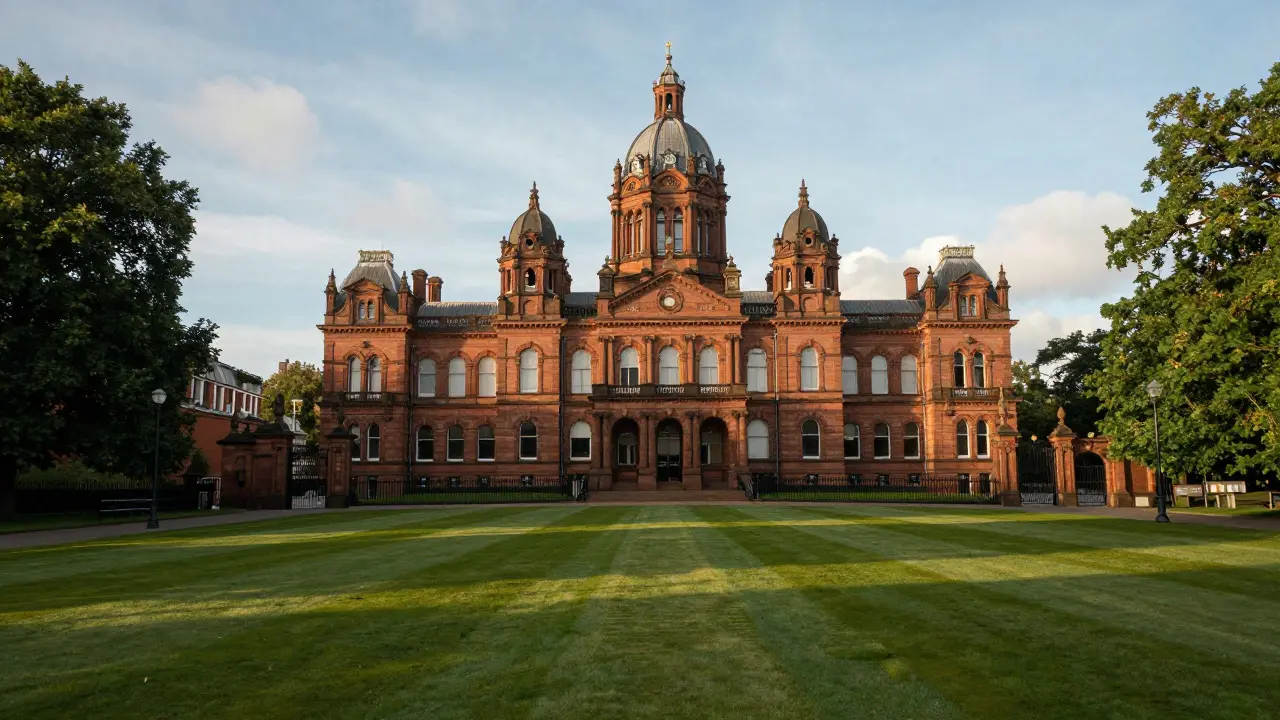
Walking through the iron gates of Kelvingrove Park, you might miss the grand Victorian structure sitting quietly near the river. It doesn’t shout for attention like the nearby Kelvingrove Art Gallery and Museum. Yet, inside these walls lies one of Glasgow’s most intimate stories. The People’s Palace is a museum dedicated to the social history of Glasgow, housed in a restored Victorian building that once served as a public recreation center. It isn't just a collection of old objects; it is a living memory of how ordinary Glaswegians lived, worked, and found joy amidst industrial hardship.
The Birth of a Public Space
To understand why this place matters, you have to look back at the late 19th century. Glasgow was booming, but life for the working class was grim. Overcrowded tenements, poor sanitation, and long hours in factories defined daily existence. In 1893, a group of philanthropists and civic leaders decided something had to change. They didn’t want to build another elite club or a private library. They wanted a "Palace for the People."
The concept was radical for its time. The idea was to provide a space where workers could relax, learn, and socialize without spending their hard-earned pennies on pubs or gambling halls. Construction began shortly after, funded by public subscription and private donations. When it opened in 1898, it featured lecture halls, a reading room, and even a bowling alley. It was designed to uplift the community through culture and education. This initiative marked a significant shift in urban planning, recognizing that mental well-being required physical spaces for leisure.
Surviving War and Decline
The early years were vibrant, but the 20th century brought challenges. During World War I, the building served various community functions, supporting the war effort while maintaining its role as a social hub. However, post-war economic shifts and changing social habits led to a gradual decline. By the mid-20th century, the People’s Palace was struggling to stay relevant. Many similar institutions across Britain were closed or repurposed as municipal budgets tightened.
In the 1970s, the building faced potential demolition. Local historians and community groups rallied to save it. Their efforts culminated in a major restoration project in the late 1980s and early 1990s. The goal wasn't just to preserve the architecture but to reinterpret the space for modern audiences. The reopened museum focused explicitly on social history, telling the story of Glasgow from the perspective of its residents rather than its politicians or industrialists. This transformation ensured the building remained a vital part of the city’s cultural landscape.
Exploring the Social History Exhibits
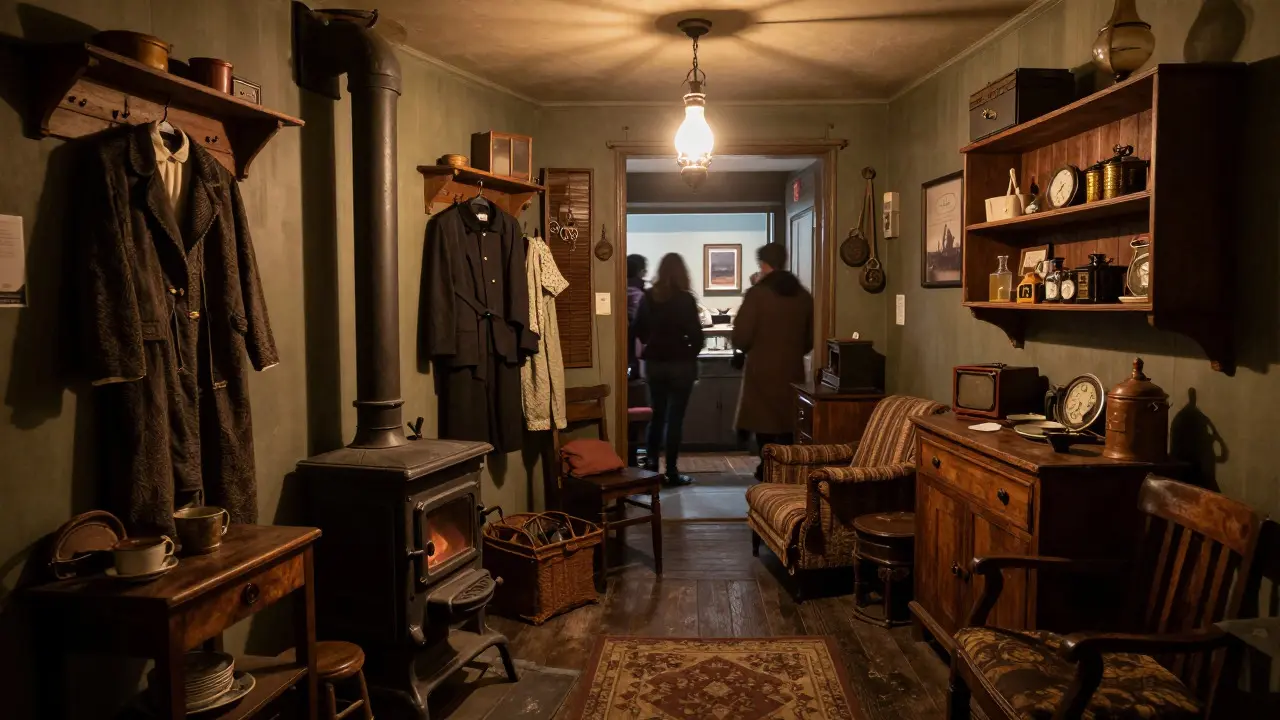
Inside, the exhibits are carefully curated to evoke empathy and understanding. You’ll walk through recreated domestic scenes from different eras. One section focuses on the tenement lifestyle, showing how families managed in small, shared spaces. Another highlights the impact of industry, featuring artifacts from shipyards, textiles, and engineering firms that built Glasgow’s global reputation.
- Domestic Life: Displays include household items, clothing, and photographs that illustrate daily routines from the Victorian era to the present day.
- Work and Industry: Tools, uniforms, and personal accounts from workers in key sectors like造船 (shipbuilding) and manufacturing.
- Civic Engagement: Information on labor movements, women’s suffrage, and other social changes driven by grassroots activism.
These displays aren’t static. They often incorporate audio recordings of oral histories, allowing visitors to hear directly from people who lived through these times. This approach makes the history feel immediate and personal. You’re not just looking at objects; you’re connecting with human experiences.
The Winter Gardens: A Botanical Sanctuary
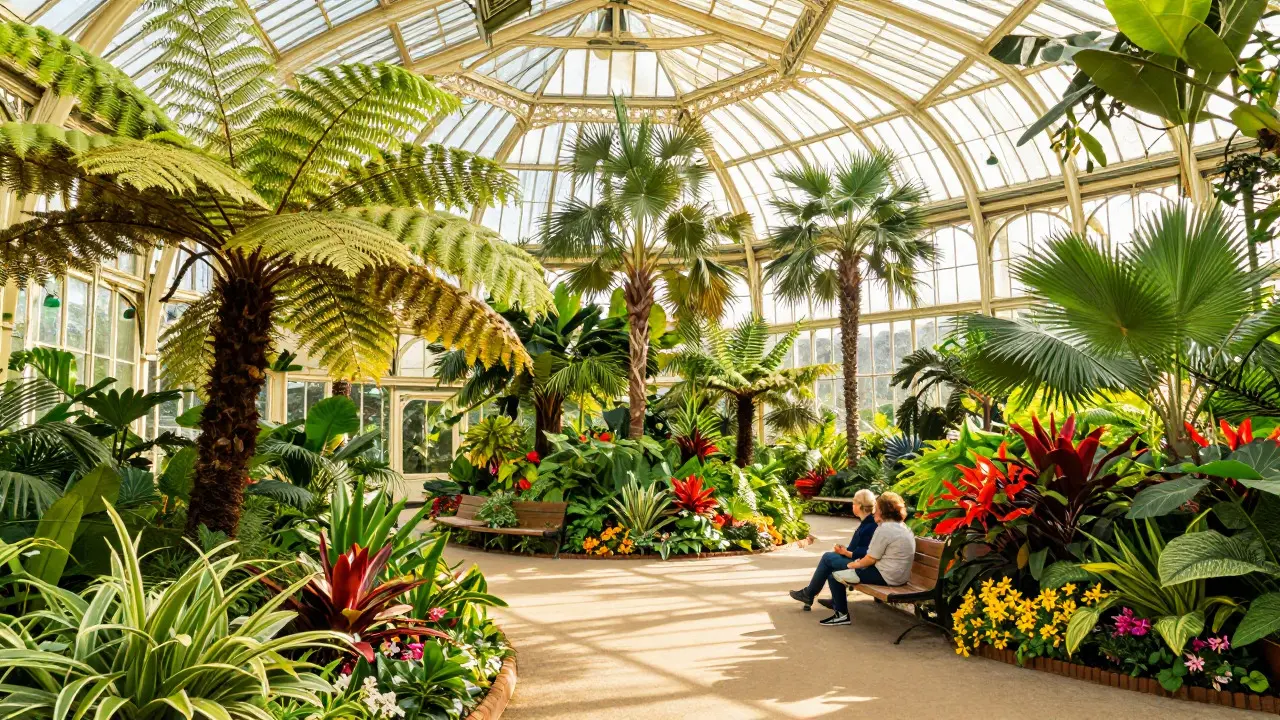
One of the most striking features of the People’s Palace is the Winter Gardens, a conservatory-style glasshouse filled with exotic plants, providing a serene escape within the urban environment. Built during the original construction phase, the Winter Gardens were intended to bring nature into the heart of the city. For many residents, especially those living in dense urban areas with little green space, this was a rare opportunity to experience tropical flora.
| Feature | Description |
|---|---|
| Architecture | Victorian iron and glass structure, typical of 19th-century conservatories. |
| Plant Collection | Tropical and subtropical species, including ferns, palms, and flowering plants. |
| Purpose | Originally for public enjoyment and botanical education; now also used for events. |
| Location | Adjacent to the main exhibition halls within Kelvingrove Park. |
Today, the Winter Gardens remain a popular spot for visitors. The lush greenery provides a calming contrast to the historical narratives inside the museum. It’s a place where you can sit quietly, reflect on the exhibits, or simply enjoy the beauty of the plants. The space is also used for weddings, photoshoots, and community events, continuing its tradition as a venue for gathering and celebration.
Why Visit Today?
In an age of digital entertainment, why spend time in a local history museum? Because understanding your roots helps you navigate the present. The People’s Palace offers insights into the resilience and creativity of Glasgow’s communities. It shows how people adapted to change, supported each other, and created meaning in their lives despite adversity.
For tourists, it provides a deeper context for visiting Glasgow. Beyond the landmarks and shopping districts, you get a sense of the city’s soul. For locals, it’s a chance to reconnect with family histories and neighborhood stories. Whether you’re interested in architecture, botany, or social justice, there’s something here for you.
Practical Information for Visitors
Planning your visit is straightforward. The People’s Palace is located in Kelvingrove Park, easily accessible by bus and tram. Parking is available nearby, though public transport is recommended due to limited spaces. Admission is generally free, making it an affordable option for families and students. Guided tours are occasionally offered, providing additional context and behind-the-scenes access.
If you’re visiting in winter, the Winter Gardens are particularly enchanting, offering a warm refuge from the cold. In summer, the park surrounding the palace is perfect for picnics and walks. Combine your visit with a trip to the Kelvingrove Art Gallery and Museum for a full day of cultural exploration.
Is the People’s Palace free to enter?
Yes, admission to the People’s Palace is free. Donations are welcome to support ongoing maintenance and exhibitions.
What are the opening hours?
The People’s Palace is typically open Tuesday to Sunday from 10:00 AM to 5:00 PM. Hours may vary during holidays, so check their official website before visiting.
Can I hold events in the Winter Gardens?
Yes, the Winter Gardens are available for hire for weddings, corporate events, and photoshoots. Contact the venue management for availability and pricing.
How do I get to the People’s Palace?
You can reach the People’s Palace via the Glasgow Subway (Hillhead Station) or several bus routes. There is also parking available in Kelvingrove Park, but it fills up quickly on weekends.
Are there guided tours available?
Guided tours are offered periodically, often focusing on specific themes like architectural history or social movements. Check the current schedule online or ask at the reception desk.