
Key Takeaways for Your First Trip
- Bothies are basic, unlocked shelters open to everyone.
- The Mountain Bothies Association (MBA) maintains the majority of these sites.
- You must carry out everything you bring in; there is no waste disposal.
- Respect the "bothy code" to keep these shelters open for future generations.
- Always carry a map and compass, as many bothies are far from mobile signal.
What Exactly is a Scottish Bothy?
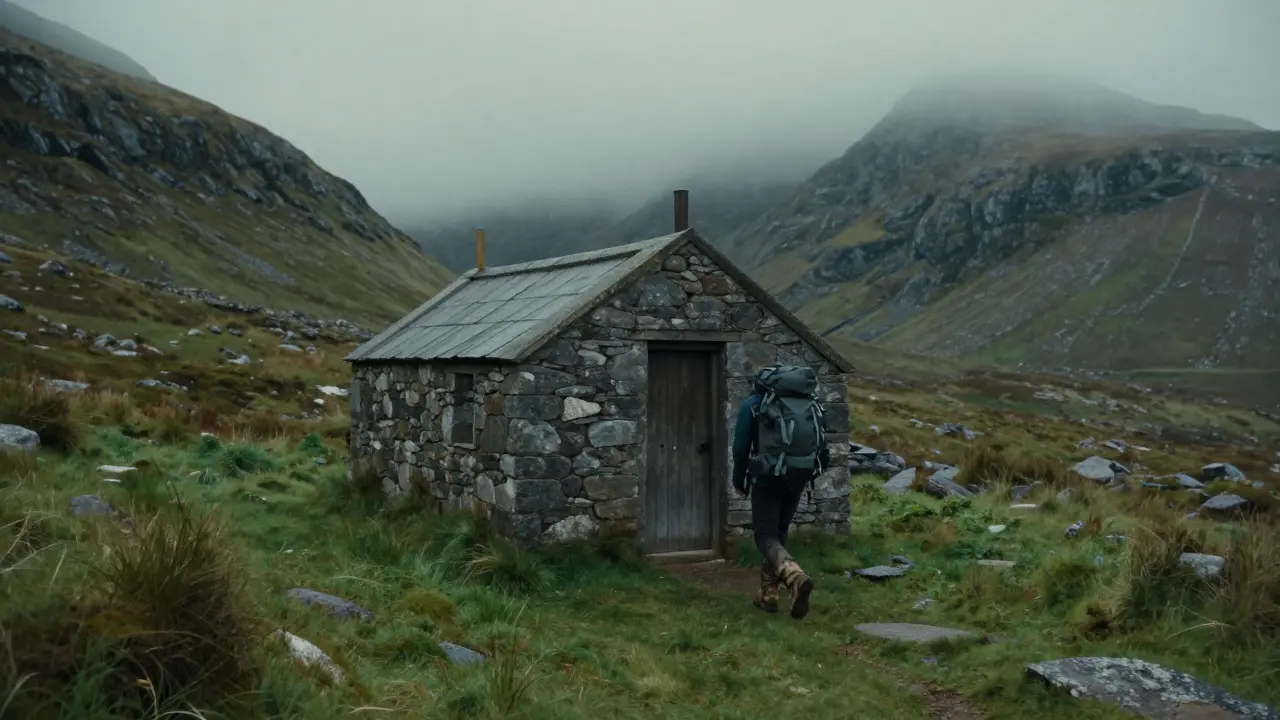
At its simplest, a Bothy is a basic mountain shelter, typically a small stone building, found in remote areas of the Scottish Highlands. Originally, many of these were shepherds' huts or small farm dwellings. Over time, as rural populations shifted, these buildings were abandoned. Instead of letting them crumble, hiking communities stepped in to maintain them as free, open-access shelters for anyone crossing the mountains.
You won't find hotels or Airbnbs here. A typical bothy consists of one or two rooms with a stone floor, some basic wooden benches, and perhaps a small fireplace. There are no locks on the doors because the spirit of the bothy is based on trust and shared community. You are essentially staying in a communal living room in the middle of the wilderness.
The Rules of the Road: Bothy Etiquette
Because these shelters are free and remote, they rely entirely on the good will of the people who use them. If a few people leave a place messy or burn down the roof, the whole community loses. To keep things running smoothly, there is an unwritten (and sometimes written) code of conduct.
First, let's talk about the leave no trace principle. This isn't just a suggestion; it's a requirement. There are no bins in the Highlands. If you bring a plastic wrap of chocolate or a tin of beans, that rubbish goes back in your bag and goes home with you. Leaving trash behind is the fastest way to get a bad reputation among the hiking community.
Then there's the social dynamic. You might find yourself sharing a tiny room with six strangers. Space is limited, so be mindful of where you put your gear. Don't sprawl your sleeping bag across the only available table. If you're using the fireplace, make sure you're using sustainable wood-don't chop down the living trees around the shelter, as this destroys the landscape. Stick to fallen, dead wood.
Water is another critical point. Most bothies don't have indoor plumbing. You'll likely find a stream nearby. Use the stream for drinking (after filtering) and washing, but never use soap or detergent directly in the water source. Walk at least 30 meters away from the stream before doing any cleaning to avoid contaminating the water for the next person.
Where to Find the Best Shelters
Depending on where you are starting your trek, some bothies are more accessible than others. The Scottish Highlands are vast, so choosing the right location depends on your skill level.
For those looking for a more "civilized" start, the Glen Affric area offers stunning scenery and accessible shelters. However, if you want a true test of endurance, heading into the Fisherfield Forest-often called the "Great Wilderness"-will lead you to some of the most isolated bothies in the country. In these areas, you can go days without seeing another human soul.
| Bothy Name | Region | Difficulty to Reach | Key Feature |
|---|---|---|---|
| Carn affairs | Northwest Highlands | Moderate | Stunning mountain views |
| Loch Quoich | Central Highlands | Easy/Moderate | Waterfront location |
| Shenavall | Torridon | Moderate | Gateway to the peaks |
| Corrour | Cairngorms | Moderate (via rail) | Accessible by train |
Essential Gear for a Bothy Trip
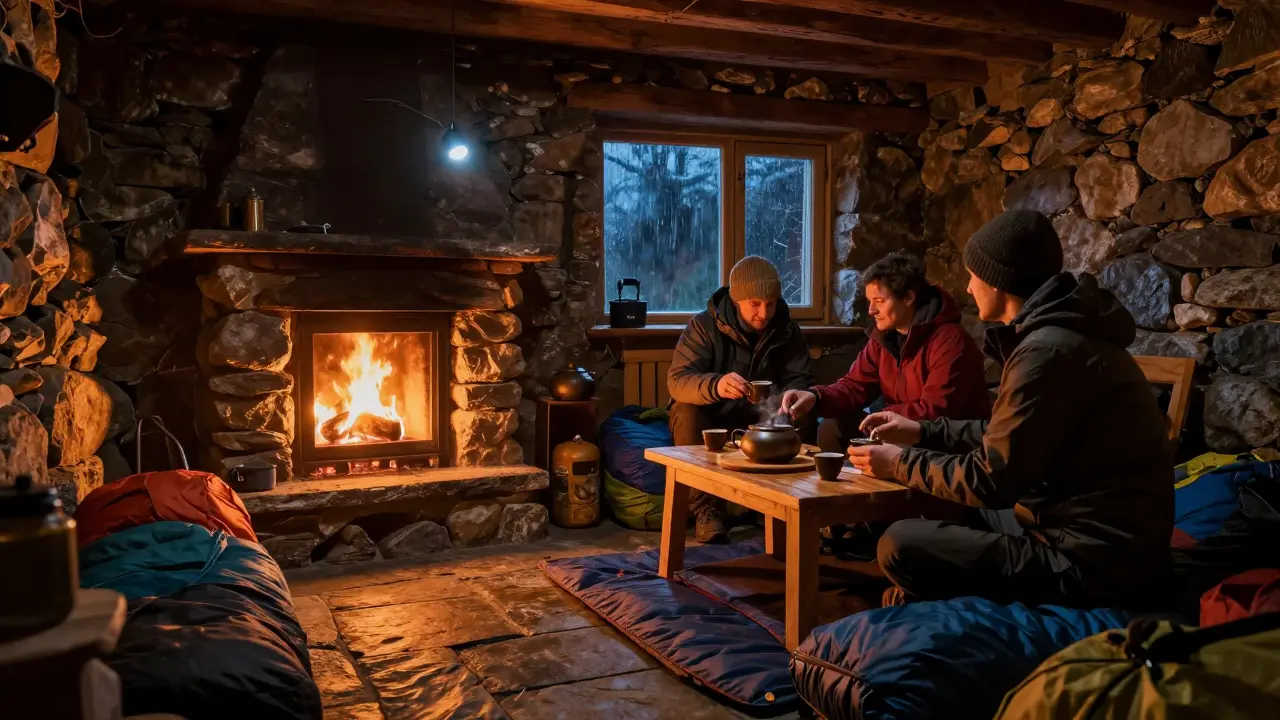
You can't just show up with a toothbrush and expect to be comfortable. Even though you have a roof over your head, the environment inside a bothy can be damp and chilly. A sleeping bag is non-negotiable. Even in the summer, temperatures inside these stone walls can drop significantly. A three-season bag is usually sufficient for most of the year, but in winter, you'll want something rated for sub-zero temperatures.
A Camping Mat is just as important as the bag. Sleeping directly on a stone floor will suck the heat out of your body through conduction, leaving you shivering all night. A lightweight inflatable or foam mat provides the necessary insulation.
Lighting is another consideration. Bothies are pitch black once the sun goes down. While your phone flashlight works in a pinch, a dedicated headlamp is far more practical, allowing you to keep your hands free while cooking or organizing your gear. Speaking of cooking, a small Camping Stove (like a Jetboil or an MSR PocketRocket) is the way to go. While some bothies have hearths, you can't always guarantee you'll find dry wood, and using a stove is faster and safer for the building.
Safety and the "What Ifs"
The biggest mistake beginners make is assuming the bothy is a guaranteed safety net. What happens if you arrive and the bothy is packed with twenty other hikers? Or what if the roof has leaked and the floor is a swamp? You must always carry a backup shelter, such as a lightweight tent or a bivy bag. Relying solely on a bothy is a gamble that can lead to hypothermia in a sudden Scottish storm.
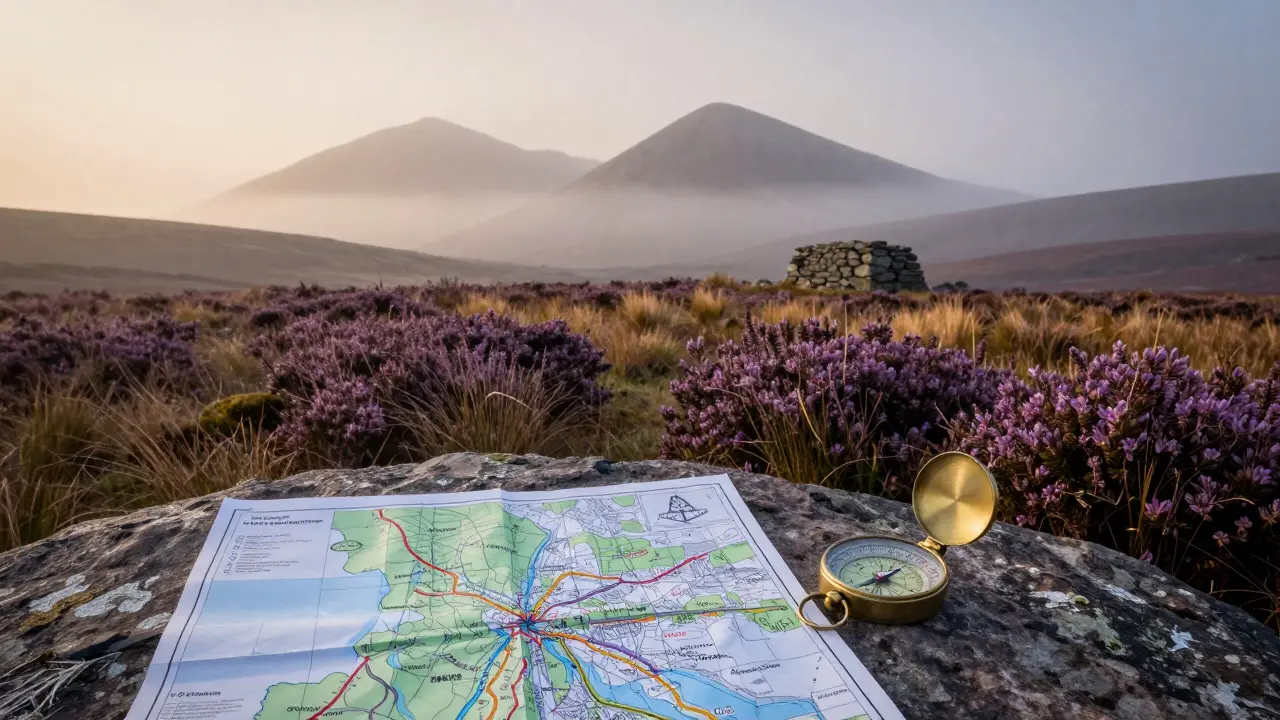
Navigation is the other critical safety factor. Many bothies are tucked away in glens where the terrain is deceptive. Using a GPS is great, but batteries die and signals drop in the deep valleys of the Grampians. You need a physical map (OS Land Ranger series) and the knowledge of how to use a compass. If you can't orient yourself, a bothy becomes a very distant dream rather than a destination.
Weather in the Highlands is notoriously fickle. You can start your day in sunshine and be in a white-out blizzard by noon. Check the Mountain Weather Information Service (MWIS) before you set off. If the wind speeds are forecasted to be gale-force, reconsider your route. The shelter of a bothy is great, but getting to it through 60mph winds is a different story entirely.
The Cultural Impact of the Bothy System
There is something deeply human about the bothy experience. In an age where every aspect of our lives is tracked by a smartphone and scheduled by an app, these shelters offer a slice of total unpredictability. You might spend the night in silence, or you might end up in a deep conversation with a stranger from the other side of the world, sharing a pot of tea over a flickering fire.
This system preserves the history of the land. By keeping these buildings standing, we maintain a connection to the people who once lived in these harsh environments. It's a lesson in minimalism-realizing that all you truly need is a dry place to sleep and a warm meal. This simplicity often leads to a mental reset that you just can't find in a hotel.
Moreover, the effort required to reach these places makes the reward sweeter. When you finally unlock that door and feel the stillness of the glen surrounding you, the physical exhaustion of the hike transforms into a sense of accomplishment. It's not just about the destination; it's about the willingness to step away from the grid and embrace the elements.
Do I need to book a bothy in advance?
No, bothies cannot be booked. They operate on a first-come, first-served basis. This means there is always a chance the shelter is full when you arrive, which is why carrying a tent or bivy bag as a backup is essential for safety.
Are bothies free to use?
Yes, they are free for anyone to use. However, the Mountain Bothies Association (MBA) relies on donations to keep them maintained. If you enjoy your stay, leaving a small donation in the collection box helps pay for repairs and supplies.
Can I bring my dog into a bothy?
Generally, yes, but you must be a responsible owner. Keep your dog under control, make sure they don't jump on other hikers, and most importantly, clean up after them immediately. If the bothy is crowded, be mindful that some people may have allergies or fears of dogs.
Is it safe to drink the water near bothies?
While Highland water often looks crystal clear, it can be contaminated by sheep or deer droppings. It is always recommended to use a water filter or purification tablets to avoid stomach issues during your trip.
What should I do if I find a bothy in bad condition?
If you notice significant damage, such as a leaking roof or broken windows, you should report it to the Mountain Bothies Association. They maintain a network of volunteers who can be dispatched to fix the issue and ensure the shelter remains viable.
Next Steps for Your Adventure
If you're new to this, don't start with the most remote shelter in the Northwest Highlands. Instead, pick a bothy that is within a 3-4 hour hike of a road head. This allows you to get a feel for the environment without overextending yourself. Test your gear in your garden or a local park before heading into the mountains.
For the more experienced, try a "bothy hop"-a multi-day trek where you move from one shelter to the next. This is a great way to see a larger section of the landscape without carrying a heavy tent every day. Just remember to check the current status of each bothy, as some may be closed for repairs.
Regardless of your experience, the golden rule remains: leave the place better than you found it. If you see a pile of rubbish left by someone else, pick it up. If you have extra firewood, leave a bit for the next person. That's how the community thrives, and that's how we ensure these mountain sanctuaries remain open for years to come.
Comments (14)
-
Anand Pandit April 25, 2026
This is a great introduction to the Scottish Highlands! For anyone planning their first trip, I'd suggest looking into the local weather patterns a bit more since the mist can roll in incredibly fast and make navigation tricky even with a map.

-
rahul shrimali April 26, 2026
Love this idea let's go hiking

-
Bharat Patel April 27, 2026
There is something truly profound about the silence of a stone cottage in the wilderness. It strips away the noise of modern existence and forces us to confront our own thoughts in a way that urban living simply doesn't allow.

-
ujjwal fouzdar April 27, 2026
To wander into the mist is to flirt with the void.
The bothy is not merely a shelter, it is a sanctuary for the weary soul seeking absolution from the crushing weight of society. We are but dust in the wind, seeking a dry floor to call home for a single, fleeting night in the vast, uncaring expanse of the Highlands.

-
pk Pk April 29, 2026
Absolutely nail the basics here. If you are hesitant about the distance, just push through it because the feeling of opening that door after a brutal hike is unbeatable. Get out there and do it

-
Eka Prabha April 30, 2026
The insistence on "community trust" is a quaint facade for a system that lacks any real oversight. One must wonder if these shelters are actually being used for clandestine activities by the state, given the lack of registries. The insistence on "leaving no trace" is clearly a social engineering tactic to ensure the populace remains compliant with unseen regulations. It is a textbook case of institutional gaslighting masked as outdoor heritage.

-
Bhavishya Kumar May 1, 2026
The phrasing regarding the "bothy code" is somewhat imprecise. It would be more accurate to state that the code is a set of guidelines rather than a formal set of rules although the sentiment remains valid

-
Reshma Jose May 1, 2026
Totally agree with the point about the backup tent. I've seen people arrive at a packed bothy and just sleep in the rain because they thought they'd be fine without one. Don't be that person

-
Bhagyashri Zokarkar May 3, 2026
omg i just imagine being there and its so sad that there is no running water like how do u even survive without a shower for days i lauv the idea of the stone house but the thoguht of the cold floor makes me wanna cry and i just feel like the whole vibe is so moody and lonely but in a way that makes u feel everything at once

-
Vishal Gaur May 4, 2026
i think the list of locations is a bit short really should have mentoned more of the smaller ones in the north though the layout of the post is a bit clunky but the info is okay i guess if u dont mind the basic stuff and the typos in my head right now are making me lazy to write more

-
Rakesh Dorwal May 5, 2026
Interesting stuff. Though it's funny how these "open access" systems only work in certain countries while others are locked down. Probably some secret agenda to keep the land undeveloped for certain elite interests but anyway the scenery looks great

-
Nikhil Gavhane May 7, 2026
It sounds like a wonderful way to disconnect. For those feeling anxious about the lack of amenities, just remember that the discomfort is part of the adventure and the reward is the peace you find at the end of the trail

-
Rajat Patil May 7, 2026
I believe it is very kind of the community to maintain these places. It is a gentle reminder that we can share the world if we are simply polite and careful with our surroundings

-
deepak srinivasa May 9, 2026
The mention of the Fisherfield Forest is intriguing. I wonder how the ecosystem there differs from the more accessible glens and if the bothies there are significantly older
