
Forget the tourist traps where you pay a premium for a meal that tastes like it came out of a freezer. The real flavor of Scotland isn't found in guidebooks; it's found on the road. Specifically, it’s found on the winding B-roads that connect the sea to the soil, and the soil to the stills. If you want to understand this country, you don’t just look at the castles. You eat what the land gives you, right where it happens.
I’ve spent years driving these routes, from the salt-crusted harbors of the northeast to the peat-heavy valleys of the Highlands. There is a rhythm to Scottish food culture that only reveals itself when you slow down. It’s about provenance. It’s about knowing who caught the fish, who grew the barley, and who mashed the malt. This is your map to the three pillars of our regional identity: seafood, whisky, and farms.
The Coastal Catch: Following the Seafood Routes
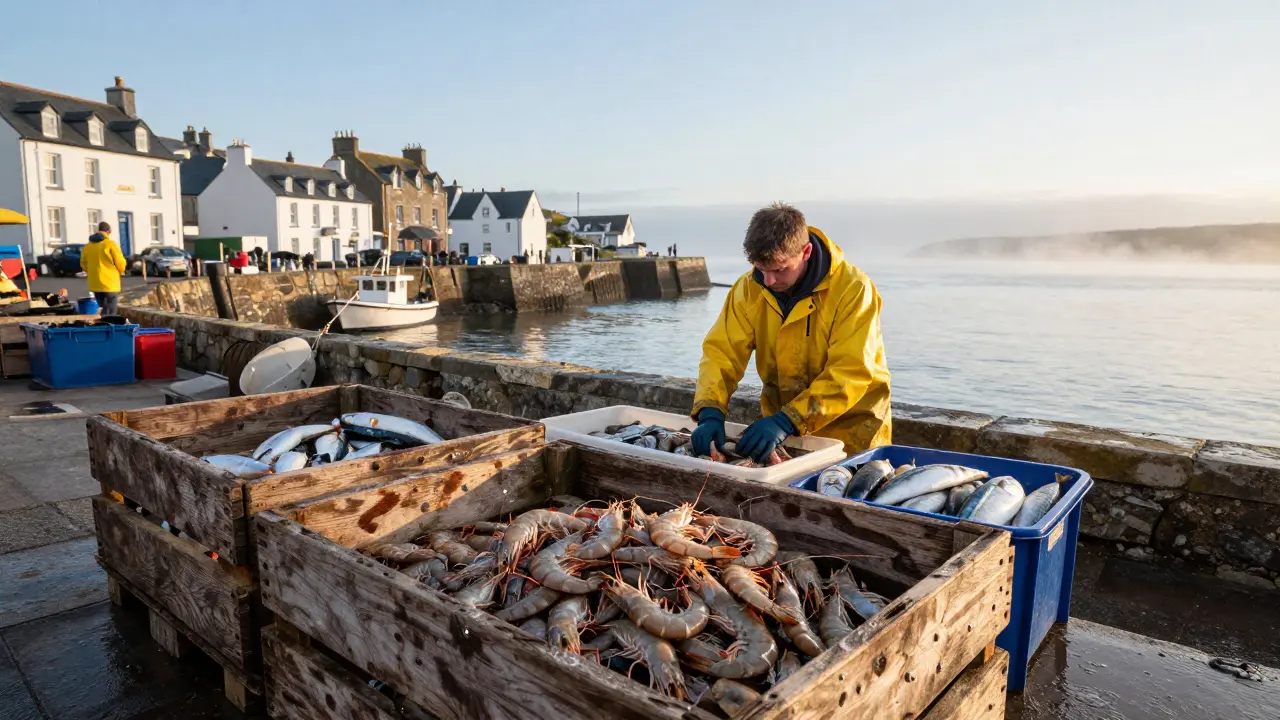
Scotland has more coastline than any other nation in Europe. That means fresh seafood isn’t a luxury here; it’s a daily reality. But there’s a massive difference between buying prawns at a supermarket and pulling them off the boat in St Andrews, which is a historic coastal town in Fife known for its university and fishing harbor.
| Region | Best Time to Visit | Key Catch | Experience Type |
|---|---|---|---|
| Fife Coast | May - September | Prawns, Mackerel | Harbor-side grills |
| Aberdeenshire | Year-round (peak winter) | Scallops, Crab | Fish markets & auctions |
| Isle of Skye | June - August | Salmon, Oysters | Oyster farming tours |
Start in Fife. The Fife Coastal Path is a long-distance walking trail that follows the coast of Fife, offering access to fresh seafood restaurants and historic fishing villages. runs right past the best spots. In summer, the water warms up, and the brown shrimp season kicks into high gear. You can walk from the harbor in Anstruther to a local pub within ten minutes. The catch is steamed with butter and lemon, served in paper bags, eaten standing up. It’s messy, salty, and perfect.
Head north to Aberdeenshire, and the scale changes. This is the deep-water fishing hub. Here, you aren’t just eating; you’re witnessing an industry. Visit the Aberdeen Fish Market, which is one of the largest inland fish markets in the UK, handling millions of pounds of seafood annually. early in the morning. The auction starts before dawn. You’ll see blue crabs, langoustines, and haddock being sorted by hand. Many suppliers offer direct sales to visitors if you ask politely. The key is timing. Go too late, and the best stuff is gone to the hotels.
Don’t overlook the oyster beds in the west. Places like Craignure on Mull or Portree on Skye are gateways to coastal areas renowned for sustainable oyster farming using traditional rope methods. These farms use clean, cold Atlantic waters. The result is a crisp, briny taste that you simply cannot replicate elsewhere. Book a tour ahead of time. Most farms limit visitors to protect the beds, but they love sharing the story of how oysters filter the water and improve marine biodiversity.
The Water of Life: Navigating Whisky Trails
Whisky isn’t just a drink in Scotland; it’s geography in a glass. The soil, the water source, the climate-all of it dictates the flavor. A single malt from Islay tastes completely different from one made in Speyside because the peat used to dry the malt comes from different bogs, and the air carries different salts.
If you’re new to whisky tourism, start with the Speyside Whisky Trail, which is a designated route connecting over 30 distilleries in the heart of Scotland's most prolific whisky region. This area produces more than half of Scotland’s single malt. It’s dense with history. You can drive from Ballindalloch Castle to Glenfiddich in under an hour, visiting multiple stops along the way.
- Book Distillery Tours Early: Popular spots like Macallan or Glenlivet often sell out weeks in advance. Walk-ins are rarely accommodated for guided tastings.
- Designate a Driver: This is non-negotiable. The roads are narrow, and the alcohol content is high. Use train services where available, such as the line through Strathisla, or hire a private driver.
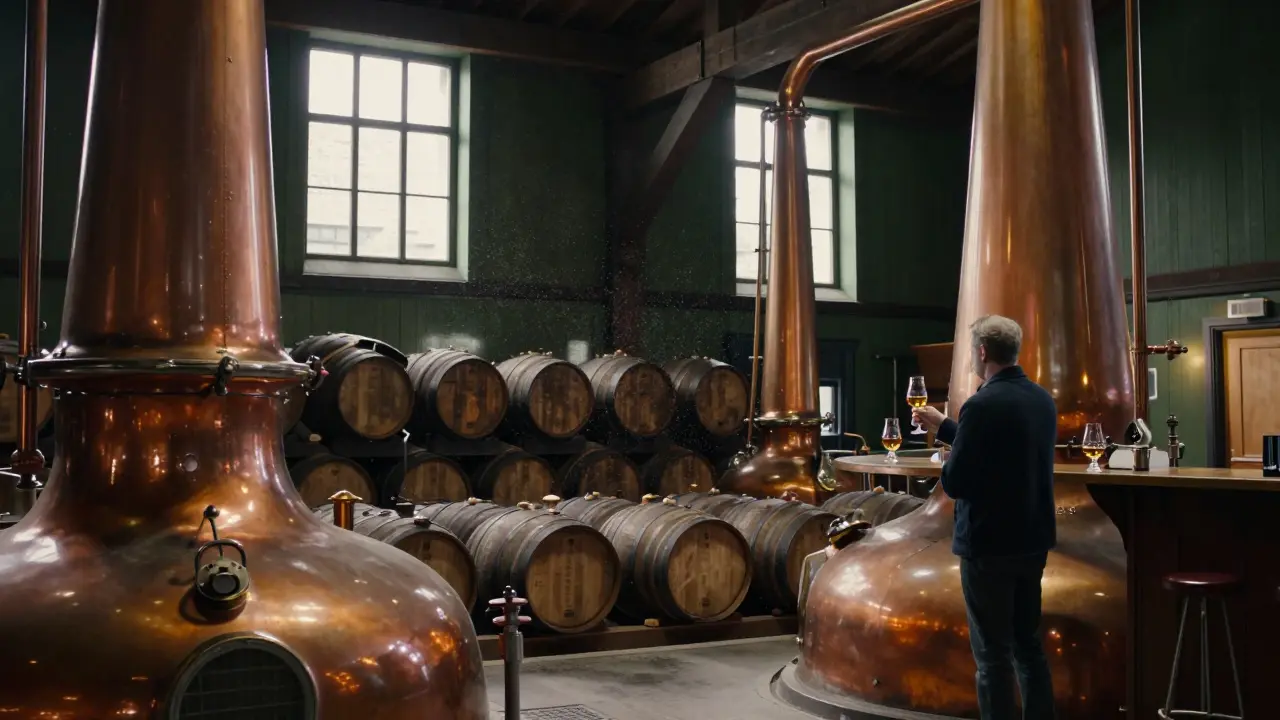
- Focus on Process, Not Just Tasting: Watch the malting floor. See the copper stills. Understanding why a distiller chooses a certain shape for their still helps you appreciate the final product more than just drinking it.
For a sharper experience, head to Islay. The Islay Whisky Trail connects distilleries famous for their smoky, peaty character, derived from local peat moss used in the drying process. Ardbeg, Lagavulin, and Laphroaig are the big names. The air here smells faintly of smoke even outside the distilleries. It’s intense. Some people hate it. Others swear by it. Try a side-by-side tasting. Compare a heavy peat dram with a lighter, sweeter one from Caol Ila. Your palate will wake up.
Remember, whisky aging requires specific conditions. Warehouses are kept cool and humid. When you visit, ask about the cask types. Bourbon barrels give vanilla notes; sherry casks add dried fruit and spice. This knowledge turns a simple sip into a lesson in chemistry and trade history.
From Soil to Table: The Farm-to-Fork Movement
Scotland’s agriculture is rugged. The land is tough, so the farmers are tougher. But there’s a growing movement towards transparency. People want to know where their lamb, beef, and vegetables come from. They want to meet the person who fed the animal.
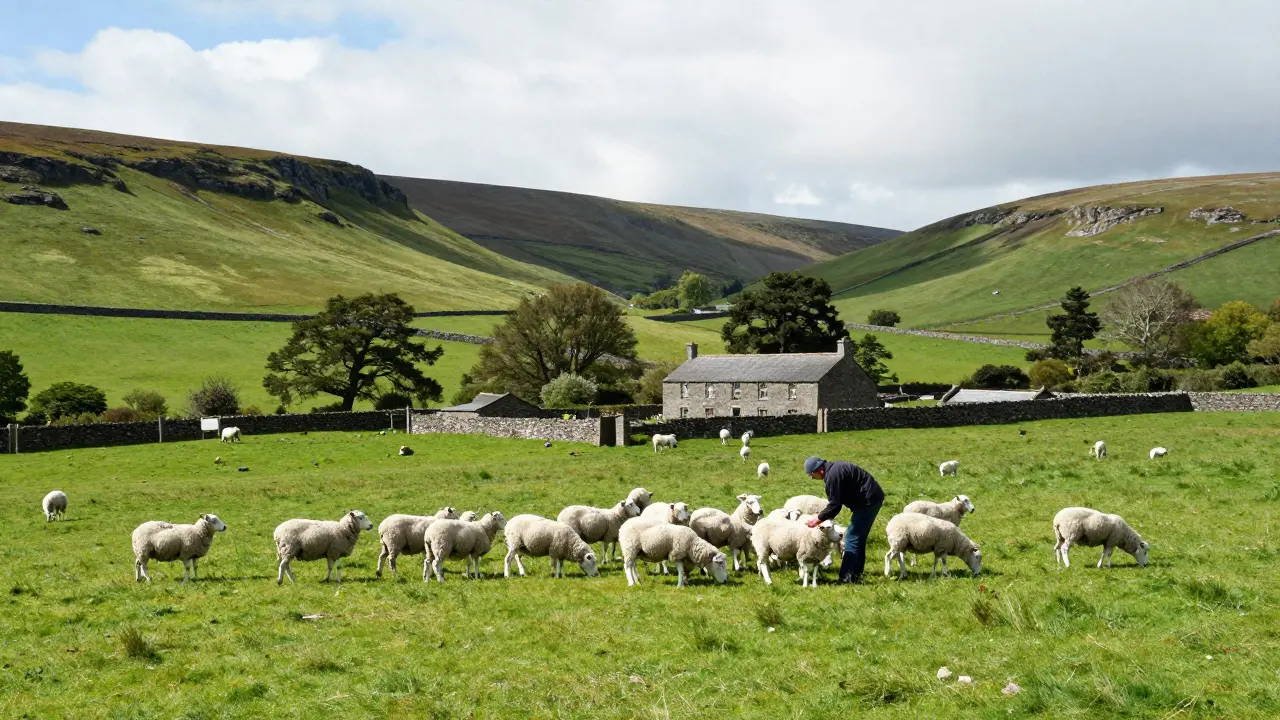
In the Borders, the landscape opens up. Rolling hills dotted with sheep. This is the heartland of Scottish lamb. Visit a working farm like Scottish Borders Sheep Farm during lambing season (March-May) or shearing time (June-July). Many farms now offer "farm stays" or open days where you can watch the shearing process. It’s hard work. Seeing it firsthand adds weight to the price tag of a good chop.
Vegetables might seem less exciting, but the quality difference is staggering. In the Lothians, near Edinburgh, you have some of the richest soil in the country. Look for community-supported agriculture (CSA) boxes or weekend farmers' markets. Edinburgh Farmers Market at Leith Links is a weekly market featuring local producers selling fresh produce, artisan cheeses, and baked goods directly to consumers. Talk to the growers. Ask them about their soil management. Do they use cover crops? How do they handle pests without chemicals? These conversations reveal the effort behind every carrot and potato.
Dairy is another cornerstone. The Highlands produce incredible milk due to the diverse grasses grown there. Visit a cheese maker in Perthshire. Places like Drummuir Dairy specialize in traditional cheddar and soft cheeses made from locally sourced cow's milk, aged in caves for distinct flavors. Cheese making is an art form. Aging takes months, sometimes years. The temperature and humidity must be precise. Tasting a young cheese versus an aged one shows you how time transforms texture and intensity.
Combining the Trails: A Sample Itinerary
You don’t have to choose just one. The magic happens when you combine them. Here’s a realistic three-day loop that covers all three bases without rushing.
- Day 1: Fife Coast. Start in St Andrews. Morning walk along the coast. Lunch: Fresh prawns from a harbor stall. Afternoon: Visit a local brewery or cider house to pair with your meal. Stay overnight in a village like Pittenweem.
- Day 2: Speyside Transition. Drive north to Elgin. Stop at a distillery like Balvenie for a tour and tasting. Late afternoon: Visit a nearby beef farm or butcher shop. Buy a steak for dinner. Cook it yourself or find a local bistro that sources locally.
- Day 3: Highland Produce. Head further north to Aviemore. Morning: Hike in the Cairngorms National Park. Lunch: Picnic with cheese and bread bought from a local deli. Afternoon: Visit a honey producer or a berry farm depending on the season. Return south via scenic routes.
This itinerary balances activity with indulgence. It respects the pace of rural life. You’re not checking boxes; you’re experiencing places.
Practical Tips for Travelers
Planning these trips requires some flexibility. Rural Scotland operates on its own clock. Shops close early. Public transport is limited outside major towns. Renting a car is almost essential unless you stick to one region.
Respect the land. Stick to marked paths. Don’t disturb livestock. Farmers rely on grazing rights, and fences are there for safety, not decoration. If you see a sign saying "Private Property," honor it. Good manners go a long way. Locals are friendly, but they value privacy.
Seasonality matters. Seafood varies by month. Whisky distilleries may close for maintenance. Farms have busy periods. Check websites before you go. Call ahead. A quick phone call saves hours of wasted driving.
Finally, support local businesses. Buy directly from producers when possible. It keeps money in the community and ensures the traditions continue. Your dollar votes for the kind of future you want to see in these regions.
What is the best time of year to visit Scotland for food and drink trails?
Late spring to early autumn (May to September) offers the best weather and longest daylight hours. May is great for lambing and fresh greens. July and August peak for seafood festivals and outdoor dining. Winter visits are quieter but offer cozy whisky tastings and hearty stews.
Do I need to book whisky distillery tours in advance?
Yes, especially for popular distilleries like Macallan, Glenfiddich, and Ardbeg. Tours often sell out weeks ahead. Booking online secures your spot and allows you to choose specific experiences, such as rare dram tastings or warehouse walks.
Can I buy seafood directly from fishermen?
In many ports like Anstruther, Aberdeen, and Oban, yes. Look for signs saying "Fresh Catch" or ask locals where the boats land. Early mornings are best. Some fishermen sell directly from their trucks or boats. Always carry cash, as card machines may not work in remote areas.
Are farm tours suitable for children?
Many family-run farms welcome children and offer interactive activities like feeding animals or picking berries. However, always check age restrictions and supervision requirements. Working farms have hazards, so keep kids close and follow all safety instructions given by the farmer.
How do I get around without a car?
Public transport is limited in rural areas. Trains connect major cities and some distillery towns. Buses run less frequently. Consider hiring a driver for day trips or joining organized tour groups that include transportation. Cycling is also an option for shorter distances on quiet country lanes.