
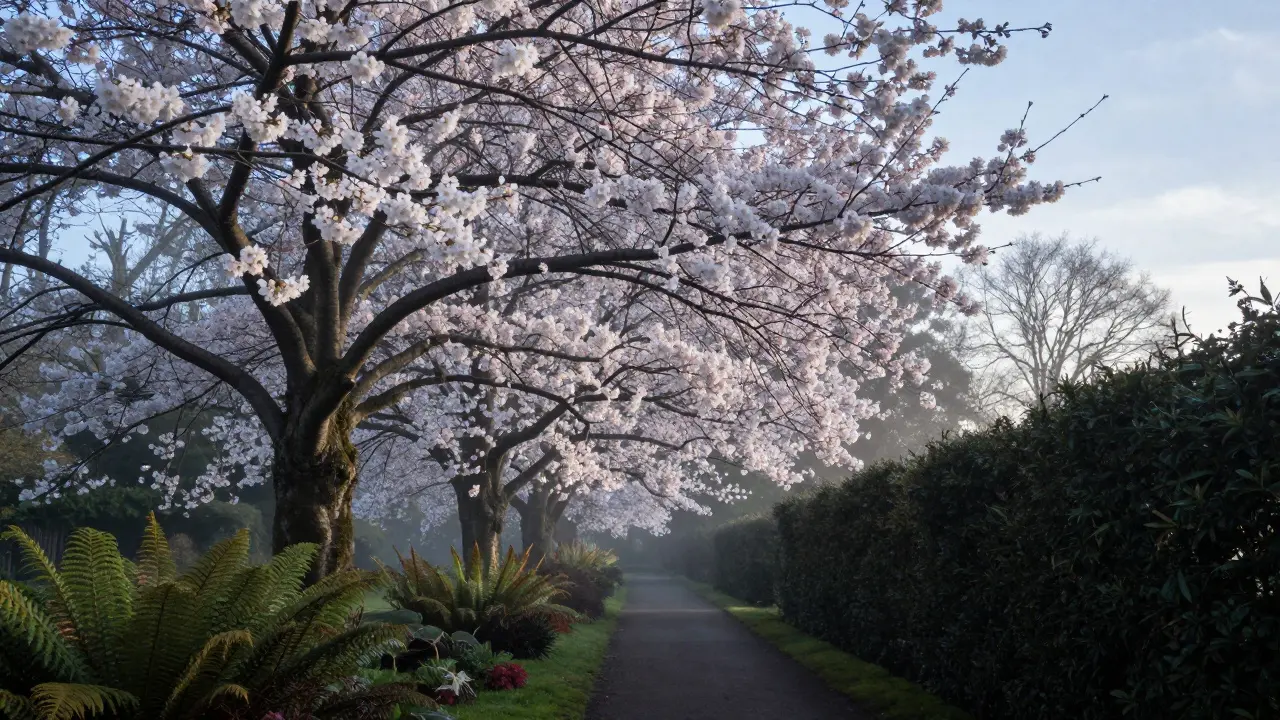
There is something magical about walking through a Scottish garden just as the first Japanese Cherry Trees are breaking into flower. Unlike the heavy snows of February, mid-to-late March signals that the air is finally warming enough for the buds to swell and pop open. You won't find the massive, cloud-like blooms you might picture from Tokyo immediately, but the native and cultivated varieties here have a crisp, rugged beauty that suits our landscape perfectly.
If you are planning your week off around these dates, timing is everything. By late March 2026, the Royal Botanic Garden Edinburgh is likely entering its prime window. These plants are sensitive to sudden temperature dips, so keeping an eye on the forecast before you head out can save you from arriving just after a frost has knocked the petals loose. This guide covers exactly where to go, what to expect, and how to enjoy the short-lived spectacle without missing a beat.
Where to Find the Best Displays
Finding a good view doesn't mean travelling all the way to Kyoto. There are several standout spots across the country that consistently deliver impressive displays. For those based near the capital, the Royal Botanic Garden Edinburgh remains a top choice. They specialize in exotic plant collections, including a dedicated area for temperate fruit trees and ornamental cherries. Their layout allows you to walk through the "Yew Walk" or explore the Fernhouse surroundings where early spring shrubs start to light up the path.
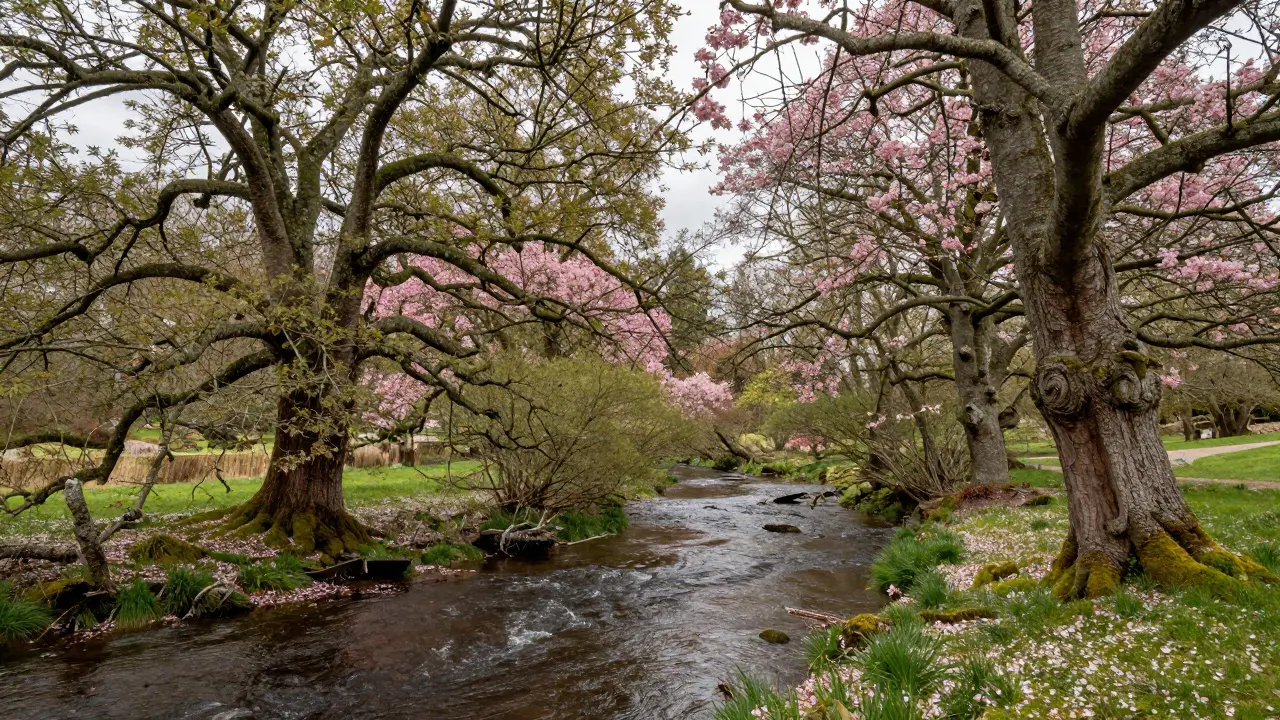
However, don't overlook smaller gems closer to residential areas. In Dundee, for instance, Easton Mains Park is a hidden treasure. It features the River Lunan running through dense woodland where several large specimens of Sitka Cherry grow wild among the oaks. These aren't the manicured rows you see in city squares, but they offer a more natural, untamed aesthetic. Visitors often find this setting superior for photography because the background isn't cluttered by buildings or fences.
Further west, Arts Centre, Glasgow Green hosts seasonal planting schemes. While less famous for cherry specifically, the grounds often feature Prunus cultivars mixed with dogwood and magnolia for contrast. If you are willing to drive, Dumfries House in Cumnock offers a spectacular avenue of trees that frames the historic mansion. The combination of manicured lawns and wildflower meadows creates a layered effect when the pink flowers fall onto the grass below.
Understanding the Varieties
Not every white or pink tree in the park is actually a true cherry. Many people mistake flowering apple trees or pear trees for blossoms because they look similar during a quick drive-by. Real Ornamental Cherries, technically categorized under the genus Prunus, usually have distinctive forked bark that looks darker on older branches. Early bloomers like Prunus incisa tend to start showing colour in late March, while later varieties such as Prunus serrulata push the display into May.
In Scotland, climate resilience matters. Some garden centres sell trees imported from warmer climates that struggle here. A common failure point is late frost damage to the flower buds. When you visit public gardens, you'll notice they often choose hardy hybrids bred specifically for British weather. Knowing the difference helps set realistic expectations. If you arrive in early March hoping for full canopy coverage, you might be disappointed. Instead, look for the tightly formed green buds turning slightly pink-a sure sign the show begins soon.
Planning Your Walk Route
Walking these gardens requires preparation beyond just putting on shoes. The ground tends to stay soft well into April due to winter rains. Heavy boots are a better investment than sneakers to prevent ruining the trail. Additionally, foot traffic increases drastically on weekends once the weather breaks. Try scheduling your trip for a weekday morning between 8:00 AM and 10:00 AM. The light is softer, the crowds are thin, and the dew hasn't evaporated yet, giving photos a dreamy quality.
Accessibility varies significantly between locations. While the main paths in places like Easton Mains are generally wide and flat, steeper inclines exist behind the main houses. Always check the visitor centre signage before heading toward the upper woodland sections. If you are bringing children, keep them close; fallen branches can occasionally block sightlines in overgrown areas, and muddy ruts become hazardous slip zones quickly when wet.
Pack a small bag with essentials even if the day looks bright. Temperatures can fluctuate wildly, dropping to single digits Celsius overnight and hitting 15 degrees during the afternoon sun. Layers work best. A waterproof jacket is non-negotiable given our unpredictable Scottish Weather. Keep a lens cloth handy for your camera equipment since mist and pollen can fog up glass surfaces faster than you think.
Capture the Season
Photography brings the experience alive long after the petals have gone. To get the best shots, focus on the details rather than trying to photograph the entire tree against a grey sky. Zoom in on clusters of flowers using macro capabilities if your phone supports it. The contrast between the delicate pink petals and the dark, textured bark makes for a striking composition.
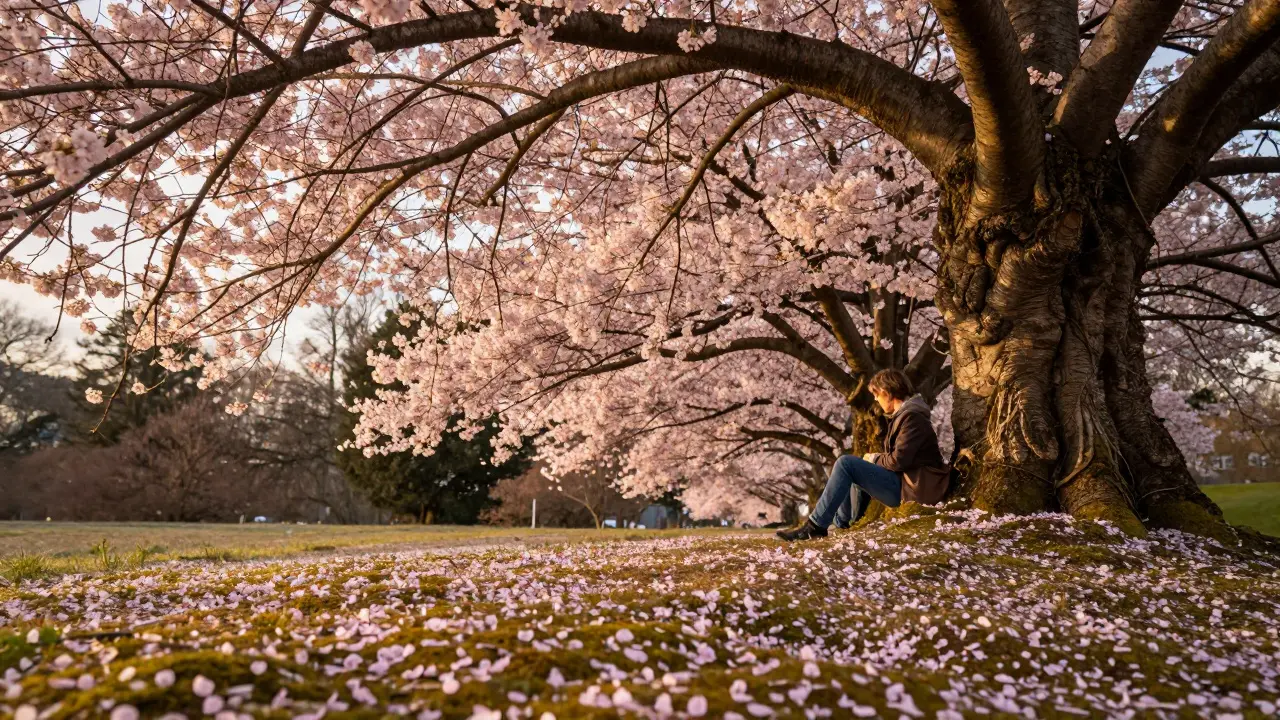
Don't ignore the fallen petals either. After a night of wind or rain, the ground looks carpeted in pale pink. Walking barefoot on dry moss or fallen leaves (avoiding the fragile grass) allows you to step into the scene directly. For social media, capture yourself sitting under the branches to give scale. It shows how vast the canopy really is compared to a human frame.
| Location | Best Time | Crowd Level | Parking |
|---|---|---|---|
| Royal Botanic Garden Edinburgh | Mid-April | High | Limited / Bus Only |
| Easton Mains Park | Early-Late April | Low | Free |
| Dumfries House | April - May | Medium | Ample Paid |
Respect and Conservation
As beautiful as these displays are, they are vulnerable to over-exposure. Picking branches might seem innocent, but it harms the tree's ability to bloom next year. Many parks enforce strict "look, don't touch" rules, particularly in fenced heritage sites. Even stepping off designated paths can compact the soil and damage root systems lying just inches below the surface.
Biosecurity is another concern. Bringing food scraps into wilder park areas attracts pests that disrupt the ecosystem balance. Stick to your picnic blanket on benches provided. If you do bring waste bags, make sure you take them home rather than leaving them in bins meant for litter only. Local councils monitor these sites closely during the blooming season to manage visitor impact.
FAQs About Spring Gardens
When is the exact best time to see cherry blossoms in Scotland?
Typically, late March to early April offers the earliest blooms, especially in sheltered urban spots like Glasgow. Coastal and northern areas may delay until mid-May. Check local gardening forums for daily updates on bud stages during peak season.
Are there entry fees for botanical gardens?
Yes, most major botanic gardens charge admission, ranging from £12 to £18 for adults. Smaller municipal parks like Easton Mains are usually free to enter, though parking charges may apply nearby.
Can I take professional photography gear?
Tripods are often restricted during weekends due to crowd congestion. Handheld cameras are fine everywhere. Commercial shoots require special permission from the site manager to ensure safety.
What if it rains on my planned day?
Rain enhances the vibrancy of the colors temporarily, but heavy downpours knock petals off faster. If rain is forecast, move your plan to early morning or wait for a break in the clouds rather than skipping the trip entirely.
Which trees last the longest in Scotland?
Double-flowered varieties, like Kanzan, tend to hold their shape longer than single-petal types. They also handle wind storms better, meaning you might catch them fresh even after rough nights.
Enjoying this moment of color is a shared joy. Whether you are snapping photos or simply taking a quiet breath amidst the trees, remember that these cycles repeat every year. But catching that perfect week of overlap between warmth and bloom is truly a highlight worth seeking out while you're here.
Comments (15)
-
rahul shrimali March 28, 2026
really hope you catch the pink waves before the wind hits hard next week

-
Eka Prabha March 28, 2026
The biosecurity implications of mass tourism influx cannot be overstated when considering soil compaction metrics alongside invasive species vectors. Public management protocols regarding litter disposal require stringent enforcement mechanisms to preserve ecological integrity during peak phenological cycles.

-
Bharat Patel March 30, 2026
There is a profound lesson in watching nature reset itself every single spring morning. We spend so much time rushing towards deadlines while the branches quietly wake up.

-
Bhagyashri Zokarkar March 31, 2026
i remember walking through similar paths years ago when my heart was full of grief and pain
the petals looked like tears falling onto the soft moss below my worn boots
nobody talks about how sad it feels when the flowers die so fast in spring
i cried under those trees in edinburgh because the beauty made me feel so very alone
you dont understand until you stand there and wait for the scent to fill your lungs
my mother used to take me there every single year without fail during her life
she always said the trees knew our deepest secrets before we spoke them aloud
now i come alone and feel the silence screaming louder than the loud crowds
sometimes i pick up a fallen petal and hold it until it turns brown in my palm
it reminds me that nothing lasts forever no matter how hard we try to keep it
the guidebook here misses the emotional weight of losing something beautiful quickly
i wish they would talk more about the hidden pain behind the photography tips
you can take pictures but you cannot capture the way the light makes you feel small
please be gentle with the ground when you walk there today for once
do not step on the roots because they feed the life above us all

-
Rakesh Dorwal April 1, 2026
Scotland has its own resilience compared to our back home. The local flora fights harder against the cold air than the imported varieties ever could.

-
NIKHIL TRIPATHI April 1, 2026
Great tip about the parking situation at the Royal Botanic Garden. Many people forget to check the bus routes beforehand.

-
Shivani Vaidya April 2, 2026
That is a very useful observation regarding the transport access options. Visitors should definitely prioritize public transit to reduce carbon footprint.

-
Rubina Jadhav April 2, 2026
Remember to stay on the marked paths to avoid damaging the plants. Rules are there to help everyone enjoy the view safely.

-
sumraa hussain April 2, 2026
The scenery is absolutely breathtaking!!! You must go right now!!! It changes your whole perspective on life!!!

-
Raji viji April 3, 2026
Actually Prunus incisa is not the only early bloomer available in the UK climate zones. The specific hybrid vigor mentioned in the table ignores late frost tolerance indices for the southern Highlands regions entirely.

-
Vishal Bharadwaj April 5, 2026
I think the auther got the dates wrong about when the kanzan variety blooms in scotland. Most locals know it starts later due to colder nights in april.

-
Parth Haz April 6, 2026
Even if the weather is tricky you will still find plenty of blooms to admire. Keep your spirits high regardless of the forecast conditions.

-
anoushka singh April 6, 2026
Did you bring your kids along when you went? I wonder if they would like the muddy trails as much as the adults do.

-
Madhuri Pujari April 8, 2026
Oh sure!!! magical moments exist everywhere!!! but honestly!!! who wants to deal with mud and rain in scotland!!!!

-
rahul shrimali April 9, 2026
just wear proper boots and ignore the dampness totally