
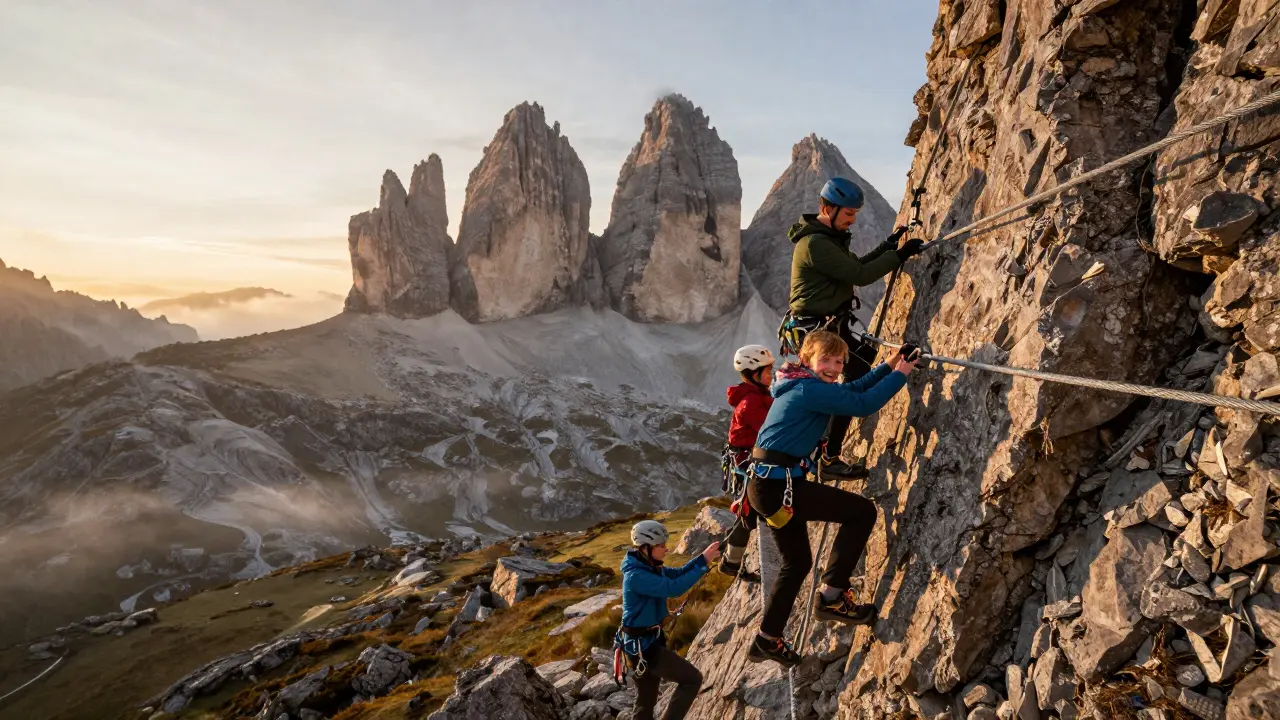
Scotland’s rugged mountains and ancient cliffs aren’t just for hikers and climbers anymore. Over the last five years, via ferrata routes have popped up across the Highlands and islands, turning steep rock faces into accessible adventure paths for people who want a thrill without needing years of climbing experience. These fixed-rope systems with metal rungs and cables let you scale cliffs safely, with harnesses and lanyards doing the heavy lifting. But where are the best ones? And how do you stay safe on them? This isn’t just a list of spots-it’s a real-world guide based on current conditions, local operator feedback, and recent incident reports from the Scottish Mountain Rescue teams.
What Exactly Is a Via Ferrata?
A via ferrata (Italian for "iron path") is a protected climbing route with steel cables, rungs, and ladders bolted into the rock. You clip your harness into the cable as you go, so even if you slip, you won’t fall far. Unlike traditional rock climbing, you don’t need to place gear or know complex knots. Most people can do a beginner via ferrata after a 15-minute safety briefing. In Scotland, these routes are designed to open up dramatic landscapes to families, tourists, and casual adventurers-not just elite climbers.
There are currently six main via ferrata routes in Scotland, all operated by certified adventure companies. They range from easy walks with a bit of height to full-on vertical climbs that test your nerves. The key difference from hiking? You’re on a cliff, often hundreds of feet above the ground, with nothing but metal between you and a long drop. That’s why safety isn’t optional-it’s built into the system, and you need to respect it.
Top 5 Via Ferrata Locations in Scotland
Not all via ferratas are created equal. Some are short and family-friendly. Others are serious physical challenges. Here are the five most popular and well-maintained routes as of early 2026, based on operator reviews, visitor feedback, and safety inspection reports.
- Glencoe Via Ferrata - Operated by Glencoe Mountain Resort, this is Scotland’s original and most famous route. It runs along the eastern face of Buachaille Etive Mòr, offering jaw-dropping views of the Three Sisters. The route is 220 meters long with a 70-meter vertical drop. It takes about 90 minutes and is rated moderate. You’ll cross suspension bridges and scramble over ledges. No prior experience needed, but you must be comfortable with heights. Open April to October.
- Nevis Range Via Ferrata - Located near Fort William, this route is the highest in the UK, starting at 650 meters above sea level. It’s longer (350 meters) and steeper than Glencoe, with more exposed sections. You’ll climb alongside waterfalls and through rocky gullies. Rated hard, it’s best for those with some physical fitness. The company, Nevis Experience, provides full gear and a 45-minute training session. Only open May to September due to snow and ice risks.
- Loch Lomond Adventure Park Via Ferrata - A great option for families or first-timers. This route is shorter (150 meters), less vertical, and has more shaded sections. It’s set in a forested valley with views of the loch. Rated easy, it’s suitable for kids as young as 8 (with adult supervision). The course includes a zip line at the end, making it feel more like an adventure park than a climb. Open year-round, weather permitting.
- Ben Nevis Via Ferrata (West Face) - Not to be confused with the normal climbing route up Ben Nevis, this is a separate, professionally managed route on the lower west face. It’s a 400-meter course with a mix of vertical sections and traverses. You’ll climb past old mining ruins and over natural rock bridges. Rated hard, it requires a minimum age of 16 and a signed waiver. Only available through Highland Adventures and limited to 12 people per day. Requires booking months in advance.
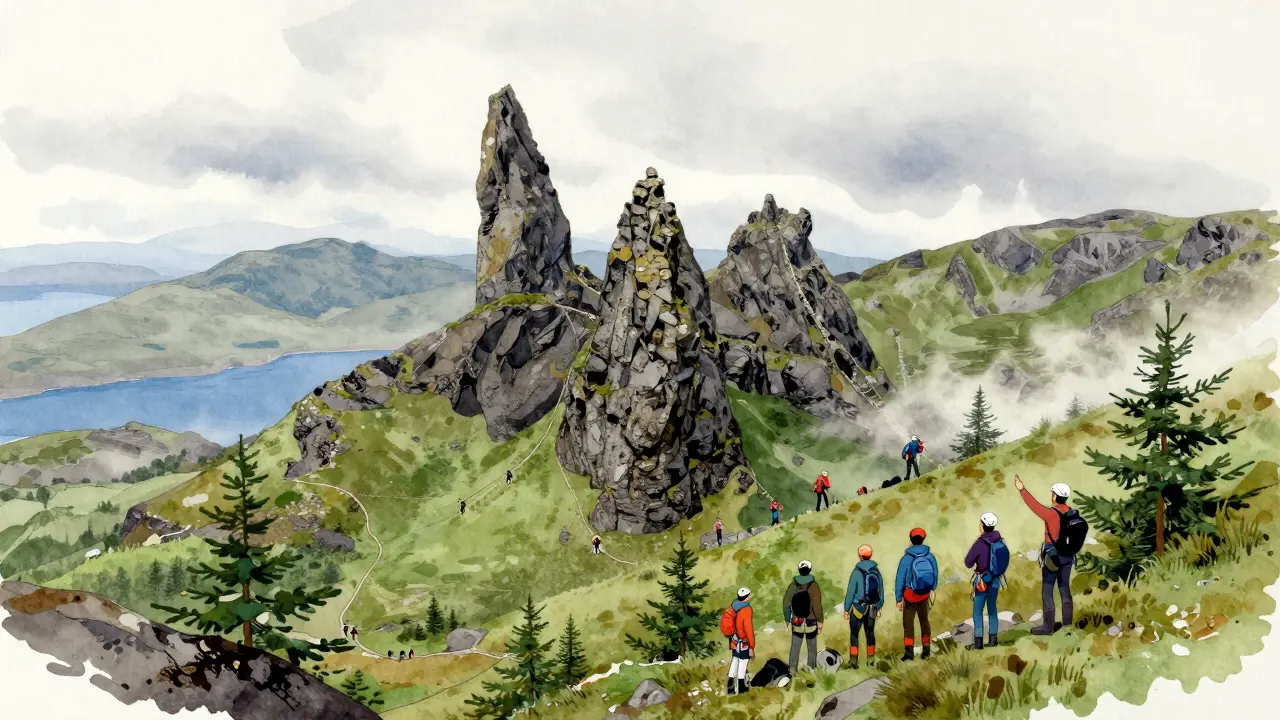
- Isle of Skye via Ferrata at the Old Man of Storr - The newest route, opened in 2024. It’s a 180-meter climb on the base of the iconic rock formation. The views of the Storr’s spires and the surrounding sea cliffs are unmatched. It’s rated moderate, with a few exposed sections but plenty of handholds. The operator, Skye Outdoors, includes a guided walk to the start point through ancient pine forest. Closed in winter due to slippery rock and wind.
Safety: It’s Not Just Gear
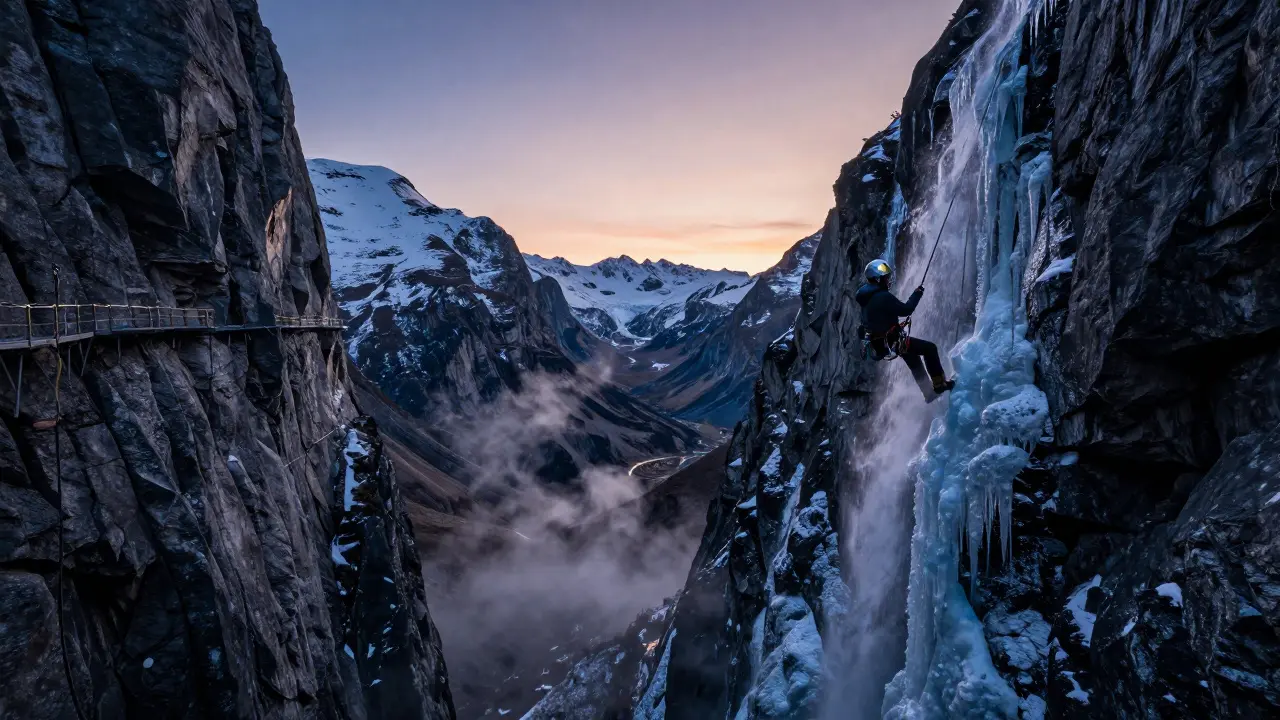
Every company offering via ferrata in Scotland follows strict safety standards set by the British Mountaineering Council (BMC) and the Adventure Activities Licensing Authority (AALA). All gear is inspected daily, and guides are certified in first aid and rescue. But here’s the truth: most accidents happen because people skip the briefing or ignore instructions.
In 2025, Scottish Mountain Rescue logged 17 via ferrata-related incidents. Nine were minor slips. Three were serious falls caused by unclipped lanyards. Five were due to people climbing in bad weather. One person was rescued after removing their helmet to "get a better view."
Here’s what actually works:
- Always clip both lanyards - Even when moving between anchors. One hand on the cable, one hand on the rock. Never unclip both at once.
- Check your harness - Make sure the buckle is double-backed. Guides will check it, but you should too. A loose buckle can slip under stress.
- Don’t wear loose clothing - Scarves, hoodies with drawstrings, or long skirts can get caught in cables or rungs. Wear fitted layers.
- Weather matters more than you think - Rain turns steel rungs into ice rinks. Wind over 25 mph makes balancing hard. If the guide says "no go," they’re not being cautious-they’re following protocol.
- Stay hydrated and carry snacks - These routes take longer than you expect. Dehydration leads to poor judgment. Most operators provide water, but bring your own if you’re prone to getting thirsty.
Children under 12 are allowed on only the easiest routes, and even then, they must be physically strong enough to hold their own weight. If your kid can’t climb a playground ladder without help, they’re not ready for a via ferrata.
What to Bring
Most operators provide harnesses, helmets, and lanyards. But you need to bring the right personal gear:
- Sturdy hiking boots - No sneakers, no sandals. You need grip on wet rock and metal. Vibram soles are ideal.
- Waterproof jacket - Even on sunny days, the Highlands can turn cold and wet in minutes.
- Gloves - Not just for warmth. They protect your hands from metal rungs and rough rock. Climbing gloves work best.
- Backpack with essentials - Water, energy bars, phone (in a waterproof case), and a small first-aid kit. Don’t overload it-weight on your back can throw off your balance.
- Don’t bring a camera - Unless it’s a rugged action cam mounted to your chest. Holding a phone or DSLR while climbing is a recipe for a fall.
Booking and Costs
Prices range from £45 to £95 per person, depending on the route and duration. Glencoe and Loch Lomond are the most affordable. Ben Nevis and Nevis Range are pricier due to logistics and higher risk. All prices include gear, instruction, and insurance.
You must book in advance. Most routes fill up weeks ahead in summer. Walk-ins are not allowed. Operators require a signed waiver, and for minors, a parent or guardian must sign.
Group sizes are capped at 8 people per guide. Smaller groups mean more attention, better safety, and a better experience. Don’t go with a large group unless you’re okay with waiting in line on narrow ledges.
When to Go
Scotland’s weather is unpredictable, but the best months for via ferrata are May through September. June and July offer the most stable conditions-longer days, drier rock, and fewer storms.
Avoid October to April. Even if the forecast looks good, morning frost can turn metal rungs slippery. Snow lingers on higher routes like Ben Nevis until late June. Wind speeds above 30 mph are common year-round on exposed ridges. Always check the Meteoblue mountain forecast before heading out.
If you’re visiting in shoulder seasons (April or October), call the operator the night before. Many will cancel if conditions are borderline.
What to Do After Your Climb
Once you’ve finished, don’t rush to leave. Take a few minutes to cool down. Stretch your arms and shoulders-via ferrata uses muscles you don’t normally engage. Drink water. Check your hands for cuts or blisters. Most operators have a small café or picnic area where you can relax and look at photos.
If you loved it, consider signing up for a multi-day adventure course. Some companies offer "via ferrata + abseiling" or "via ferrata + gorge walking" combos. These are great if you want to build skills and confidence.
And if you didn’t enjoy it? That’s fine too. Not everyone likes being on a cliff. There’s no shame in choosing a hike instead.
Frequently Asked Questions
Do I need to be fit to do a via ferrata in Scotland?
You don’t need to be an athlete, but you should be able to climb a flight of stairs without stopping. Most routes require you to pull yourself up using your arms and legs. If you can carry a 10kg backpack for 30 minutes, you’re likely fit enough. The easiest routes (like Loch Lomond) are designed for casual visitors. The harder ones (like Ben Nevis) require good core strength and endurance.
Can children do via ferrata in Scotland?
Yes, but only on designated family routes. The minimum age is 8 at Loch Lomond and Glencoe, and 12 at Nevis Range and Skye. All children must be supervised by an adult and wear properly fitted gear. Guides will assess each child’s ability before starting. If they’re scared or too small to reach the rungs, the guide will stop the climb. Safety comes before completing the route.
Is via ferrata safe in Scotland’s weather?
It’s as safe as the operator makes it. Reputable companies monitor weather hourly and cancel if there’s rain, wind, or ice. The equipment is designed for wet conditions, but wet rock and metal are slippery. If a guide says it’s unsafe, trust them. Scotland’s weather changes fast, and operators have rescue teams on standby. You’re not risking your life-you’re following a system built to protect you.
What if I’m afraid of heights?
It’s normal. Most first-timers are. The safety system is designed to let you move slowly. You can pause at any point. Some people spend 20 minutes just clipping in and looking out. There’s no pressure to rush. Many people say the fear fades once they’re moving and focused on the next rung. If you’re extremely anxious, start with the easiest route. Glencoe and Loch Lomond have lower exposure than Ben Nevis or Skye.
Can I do via ferrata alone?
No. All via ferrata routes in Scotland require a certified guide. Solo climbing is not allowed. This isn’t a restriction-it’s a safety rule. Guides know the terrain, the weather patterns, and how to respond if something goes wrong. They also carry emergency gear and know rescue procedures. Even experienced climbers must go with a guide.
Next Steps
If you’re ready to try a via ferrata, start by picking one route that matches your comfort level. Book early. Check the weather forecast. Pack the right gear. Show up on time. Listen to your guide. And when you reach the top? Take a breath. Look around. You didn’t just climb a cliff-you experienced Scotland’s wild side in a way most tourists never do.
If you’re not ready yet? That’s okay. Hike the West Highland Way instead. Or visit Eilean Donan Castle. There’s no rush. Adventure comes in many forms-and the best one is the one you’re ready for.