
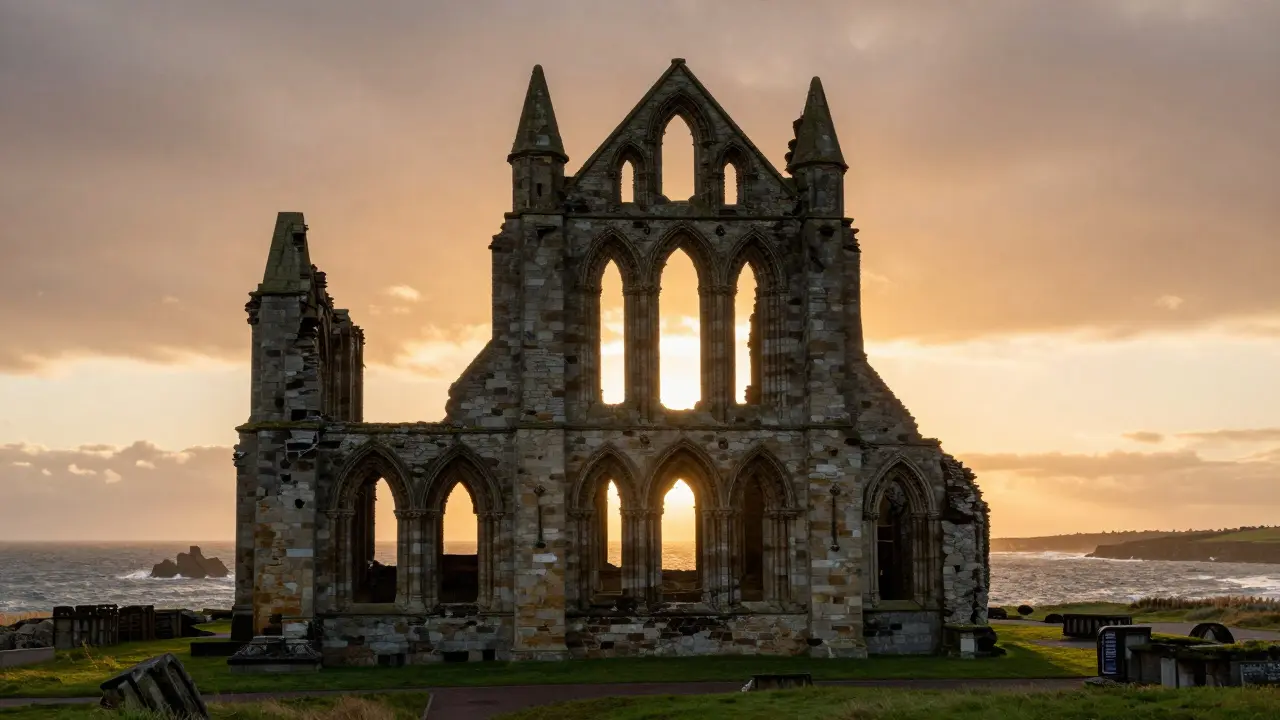
The ruins of St Andrews Cathedral and Castle rise above the cliffs of Fife like silent witnesses to a time when faith and power were locked in a deadly struggle. You can still walk through the broken arches of the cathedral, once the largest church in Scotland, and stand in the same courtyards where bishops lived, plotted, and died. This isn’t just a scenic ruin - it’s the physical remains of a revolution that changed Scotland forever.
What Once Stood Here
Before the Reformation, St Andrews Cathedral was the spiritual heart of Scotland. Built over 150 years starting in 1160, it stretched nearly 126 meters long - longer than York Minster. Its tower rose over 80 meters high, visible for miles across the North Sea. Pilgrims came from across Europe to visit the shrine of Saint Andrew, the apostle whose relics were said to have been brought here in the 4th century. At its peak, the cathedral complex included chapels, cloisters, and a school that became the foundation of the University of St Andrews.
Just across the road, St Andrews Castle stood as both fortress and residence for the powerful bishops who ruled the region. Built in the 13th century, it had thick walls, a moat, and a dungeon carved into the cliffs. The bishops who lived here weren’t just religious leaders - they were political players, collecting taxes, commanding soldiers, and even minting their own coins. The castle and cathedral were two halves of the same power structure: one held the soul of the nation, the other held its sword.
The Reformation That Shattered It All
In 1559, everything changed. John Knox, a fiery preacher who had been influenced by Calvin in Geneva, returned to Scotland with a simple message: the Church had become corrupt. The pope’s authority? False. The mass? Idolatry. The riches of the cathedral? Stolen from the poor.
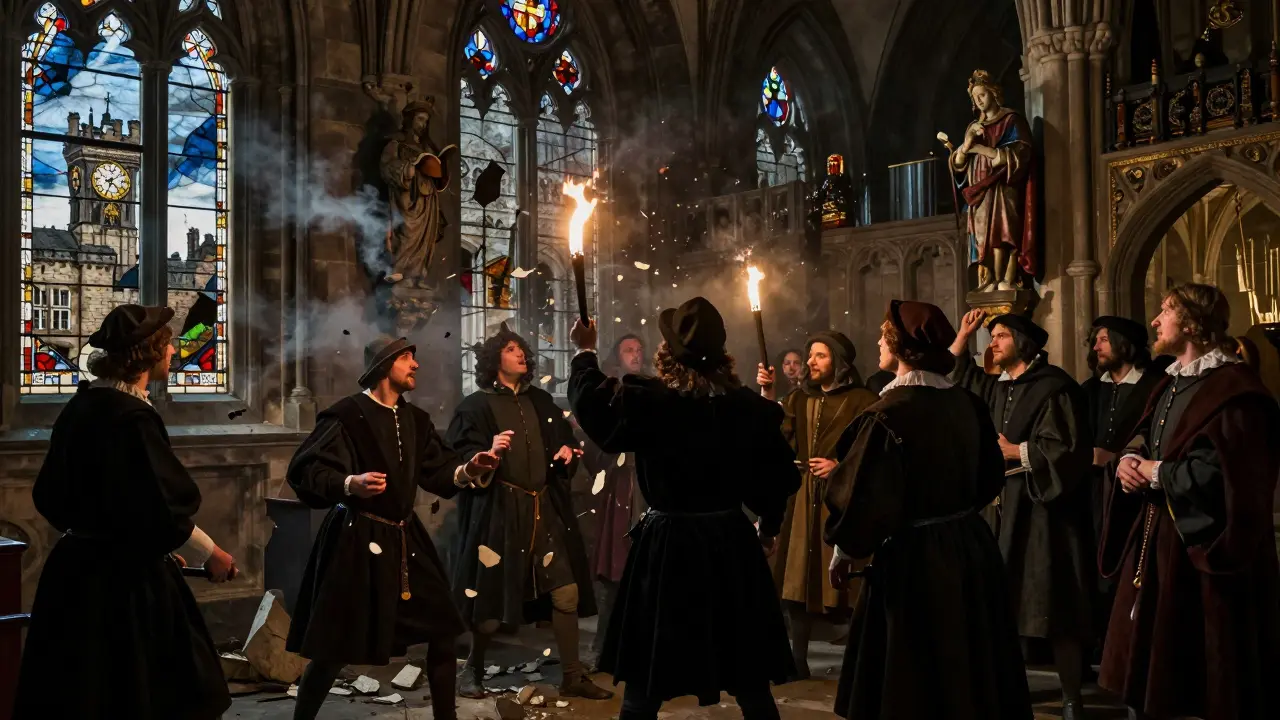
The people listened. In November of that year, a mob stormed St Andrews Cathedral. They smashed stained glass, tore down altars, and burned religious statues. The cathedral’s great tower, which had stood for nearly 400 years, was stripped of its lead roof - melted down to pay for weapons. The bells were taken and recast into cannonballs. Within months, the once-glorious church was left a hollow shell.
At the same time, the castle became a battleground. Cardinal David Beaton, the last Catholic archbishop of St Andrews, had imprisoned Protestant preachers in its dungeon. One of them, George Wishart, was burned at the stake just outside the castle walls in 1546. In revenge, a group of Protestant nobles stormed the castle, killed Beaton, and hung his body from the ramparts. For the next two years, the castle changed hands between Catholic loyalists and Protestant rebels. By 1570, it was abandoned. The walls were left to crumble under wind and rain.
The Ruins You See Today
Today, you can walk through the cathedral’s nave and see the outline of where the high altar once stood. The foundations of the transepts are still visible, and you can trace the path of the cloisters that once housed monks. The only standing part of the original structure is a small section of the west front - its pointed arches and carved stonework still sharp enough to imagine the craftsmen who shaped them.
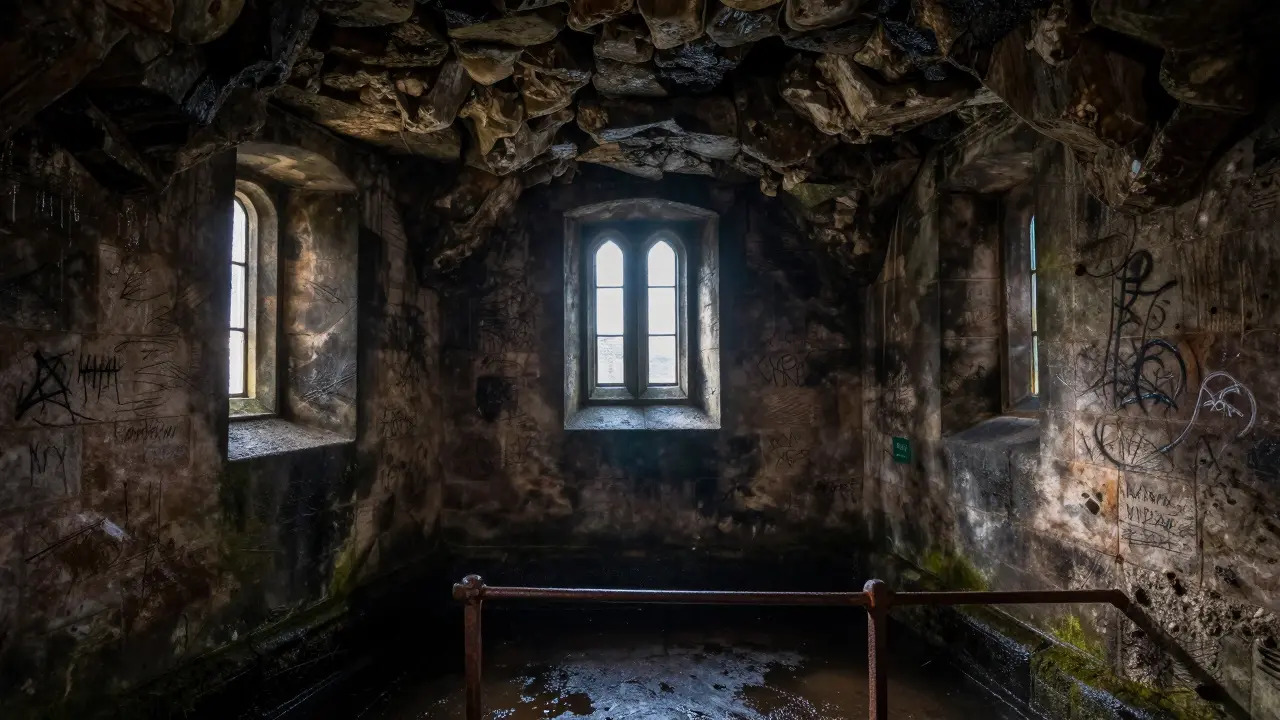
At the castle, the dungeon is the most haunting spot. It’s carved directly into the rock, with narrow windows looking out over the sea. Prisoners here were left in darkness, fed scraps, and sometimes drowned when the tide came in. The castle’s great hall is gone, but the outline of its fireplace remains. You can still see the arrow slits in the walls, and the remains of the kitchen where food was cooked for bishops and soldiers alike.
What makes these ruins powerful isn’t just their size - it’s how clearly they show the cost of religious change. The cathedral didn’t fall because of war or earthquake. It was torn down by people who believed they were doing God’s work. The castle didn’t collapse from neglect - it was deliberately dismantled, stone by stone, because its former owners were seen as enemies of the new faith.
Why This Matters Now
St Andrews isn’t just a tourist stop. It’s a lesson in how quickly institutions can fall - and how deeply they leave their mark. The Reformation didn’t just change religion in Scotland. It changed land ownership, education, law, and even the way people spoke. The university that grew from the cathedral’s school became one of the oldest in the English-speaking world. The land once owned by the Church was redistributed to nobles and merchants - a shift that helped create modern Scotland’s class structure.
When you stand at the edge of the cathedral ruins and look out over the sea, you’re not just seeing stone. You’re standing where a nation decided to break from the past. The Reformation here wasn’t just about theology - it was about who held power. And that struggle still echoes.
What to Look For When You Visit
- Look for the carved stone heads on the cathedral’s west front - they’re among the last surviving pieces of original decoration.
- Check the castle’s dungeon walls for scratches and graffiti left by prisoners - some date back to the 1500s.
- Find the stone staircase leading from the castle to the cathedral - it’s the path bishops took to walk between their seat of power and their seat of worship.
- Visit the clock tower on the castle - it’s one of the few structures still standing from the 16th century.
- Walk the cliff path between the two sites - it’s the same path taken by pilgrims, bishops, and rebels.
Common Misconceptions
Many people think the cathedral was destroyed by English armies. It wasn’t. It was torn down by Scots - their own countrymen - who believed they were purifying their faith.
Some believe the castle was always a royal residence. It wasn’t. It was the home of bishops, not kings. The king of Scotland rarely visited. The real power here belonged to the Church.
And many assume the Reformation was peaceful. In St Andrews, it was bloody. Executions, sieges, and revenge killings defined this chapter. The ruins you see today are not just ancient - they’re scarred.
Why was St Andrews Cathedral so important before the Reformation?
St Andrews Cathedral was the most important religious site in Scotland for over 300 years. It housed the relics of Saint Andrew, the patron saint of Scotland, and attracted tens of thousands of pilgrims each year. It was also home to the country’s most powerful bishops, who controlled vast lands, collected taxes, and ran the first university in Scotland. Its size, wealth, and influence made it the spiritual and political center of the nation.
Who was Cardinal David Beaton, and why was he killed?
Cardinal David Beaton was the last Catholic Archbishop of St Andrews and a fierce opponent of Protestant reformers. He imprisoned Protestant preachers, including George Wishart, and had Wishart burned at the stake in 1546. In retaliation, a group of Protestant nobles stormed St Andrews Castle in 1546, murdered Beaton, and hung his body from the castle walls. His death marked a turning point in the Scottish Reformation, showing that the old religious order could be violently overthrown.
How did the Reformation change St Andrews?
The Reformation turned St Andrews from a wealthy religious center into a symbol of rebellion. The cathedral was stripped of its riches, its towers demolished, and its land seized. The castle became a ruin after years of siege and conflict. But the university survived, shifting from a Catholic institution to a center of Protestant learning. The town’s identity changed from a pilgrimage site to a hub of education and reform.
Are there any original parts of the cathedral still standing?
Yes. The most intact section is the west front, with its pointed arches and carved stonework. You can also see parts of the transept foundations, the base of the central tower, and some of the cloister walls. Most of the cathedral’s stone was reused in local buildings after the Reformation, but these remaining fragments still give a clear sense of its original scale and beauty.
Can you visit the dungeon in St Andrews Castle?
Yes. The dungeon is one of the best-preserved parts of the castle. It’s carved into the cliffside, with narrow windows and stone benches where prisoners were kept. You can see the marks left by prisoners’ fingers on the walls and imagine the cold, damp conditions they endured. It’s one of the most powerful reminders of the violence and repression that defined the Reformation years.
Comments (14)
-
Jeremy Chick February 25, 2026
Man, walking through those ruins felt like stepping into a history book that got thrown into a woodchipper. The cathedral? Gone. The castle? Half-dead. But somehow, it’s more powerful than if they’d restored the whole thing. Like, you can feel the rage in the stones - the monks screaming, the bishops getting strung up, the people who just said ‘enough.’ No museum exhibit could ever do that.

-
Renea Maxima February 26, 2026
It’s not about religion… it’s about control. The Church didn’t just own land - it owned minds. And when people finally realized they could think for themselves? Boom. The stones didn’t fall. They were pushed. 😔

-
Sagar Malik February 26, 2026
Let’s be real - this wasn’t a Reformation. It was a systemic collapse of epistemological hegemony masked as theological reform. The cathedral wasn’t destroyed by Protestants - it was dismantled by the emergent bourgeoisie leveraging theological dissent as a vector for capital reallocation. The relics? Symbolic capital. The bells? Industrial raw material repurposed into proletarian weaponry. The dungeon? A Foucauldian panopticon of ecclesiastical discipline. And yet… we romanticize the rubble. 🤔

-
Seraphina Nero February 26, 2026
That part about the prisoners scratching the walls… I cried. Just… imagine being there, alone, dark, and knowing no one’s coming. That’s the real cost.

-
Megan Ellaby February 27, 2026
So many people think the Reformation was just about religion, but it was totally about who got to keep the money. The Church had all the land, all the power, all the gold. When the nobles and merchants took over? They didn’t care about God - they cared about taxes. And the university? That was the only thing that survived because smart people always find a way to keep learning, even when the world’s on fire. 😊

-
Rahul U. February 28, 2026
Visited St Andrews last year. The west front still gives me chills. Those carved heads? One of them looks like it’s smirking at you. 🤫 The dungeon? Cold. So cold. I touched the wall where a prisoner carved ‘I still pray’ - 500 years later, it’s still there. That’s power. 🙏

-
E Jones March 1, 2026
Think about this - what if the Reformation wasn’t even real? What if the whole thing was engineered by a secret cabal of Flemish merchants and German printers who wanted to break the Church’s monopoly on knowledge so they could sell Bibles and start a global propaganda machine? The cathedral wasn’t destroyed by zealots - it was dismantled by early media moguls. The bells? Cast into cannonballs? No. Cast into printing presses. The lead was melted to make type. The ‘mob’? Paid actors. The ‘rebellion’? A marketing campaign. And now? We’re still living in the echo. 🕵️♂️

-
Lissa Veldhuis March 3, 2026
Everyone’s acting like this was some noble revolution - newsflash: it was a power grab by rich men who hated paying taxes to Rome. The ‘pilgrims’? Peasants duped into believing in magic bones. The ‘martyrs’? Guys who got what they deserved for stirring up trouble. And now we treat it like a holy site? Please. It’s just a pile of rocks with a gift shop.

-
Michael Jones March 4, 2026
You ever just stand there and feel it? Not think - feel? The wind. The sea. The silence where a thousand prayers used to echo? That’s not ruins. That’s a heartbeat. And it’s still beating. We don’t need to fix it. We just need to listen.

-
allison berroteran March 4, 2026
I love how the university survived. It’s like the soul of St Andrews refused to die. Even when the cathedral was torn down, the students kept studying. The bishops were gone, but the books remained. And now? People from all over the world come there to learn. That’s hope. That’s resilience. It’s not about the stones - it’s about what people choose to carry forward. ❤️

-
Gabby Love March 5, 2026
Small correction - the clock tower isn’t from the 16th century. It’s 18th century, built by a local philanthropist who wanted to preserve the memory. The original tower was gone by 1572. Just thought you’d want to know 😊

-
Jen Kay March 7, 2026
Interesting how you all romanticize the violence. I’m not saying it wasn’t justified - but let’s not pretend it wasn’t brutal. People were burned alive. Bodies hung on walls. Children watched. This wasn’t ‘revolution’ - it was trauma. And we still walk over it like it’s just a photo op. Maybe we should sit with that a little longer.

-
Michael Thomas March 9, 2026
Scotland’s always been weak. Letting a bunch of monks run things for 300 years? Pathetic. Good thing the Protestants cleaned house.

-
Abert Canada March 10, 2026
As a Canadian, I’ve always found it wild how Scotland handled its Reformation - no foreign invasion, no king telling them what to do. They just… decided. No parliament. No army. Just people. That’s rare. And kinda beautiful. Even if the outcome was messy. We don’t talk enough about how much agency ordinary people had here.
