
Scotland’s landscapes aren’t just beautiful-they’re legendary. From misty highland lochs to ancient castles perched on cliffs, the country has been the backdrop for some of the most iconic scenes in film and TV. If you’ve ever watched Outlander, Harry Potter, or Brave and thought, “I need to see that place in person,” you’re not alone. This isn’t about passive sightseeing. It’s about hitting the road, following the camera, and stepping into the stories that made Scotland famous on screen.
Why Scotland? Because the Land Tells the Story
Scotland doesn’t just host film sets-it is the set. You won’t find fake stone walls or painted backdrops here. The real cliffs of Glen Coe, the moss-covered ruins of Doune Castle, the wild shores of Skye-they all look exactly like they do on screen because they’re real. No CGI needed. That’s why film fans keep coming back. It’s not just nostalgia. It’s connection.
Take Outlander. The series has filmed in over 80 real locations across Scotland. You can stand in the exact spot where Claire Fraser stepped through the stones at Craignure on the Isle of Mull-or walk the same cobbled streets of Edinburgh’s Grassmarket where Jamie Fraser once dodged soldiers. These aren’t replicas. They’re the actual places. And that changes everything.
4-Day Highlands & Castles Route: The Outlander Trail
Start in Edinburgh. The city itself is a character in Outlander. Head to the Real Mary King’s Close, where scenes of 18th-century plague streets were filmed. Then drive west on the A702 toward Doune Castle. This 14th-century fortress doubled as Castle Leoch, the seat of Clan MacKenzie. The Great Hall? That’s where Lord John Grey first met Jamie. The outer bailey? That’s where the famous “I am a man of my word” scene was shot.
From Doune, head north to Stirling. Stop at the Wallace Monument. It’s not a filming location, but the view over the battlefield where Braveheart fought? You’ll understand why Mel Gibson chose this landscape. Then continue to Glencoe. The valley’s jagged peaks and deep mist are the backdrop for the massacre scene in Outlander Season 1. Park at the Glencoe Visitor Centre, hike the lower trail, and look up-yes, that’s where the redcoats appeared.
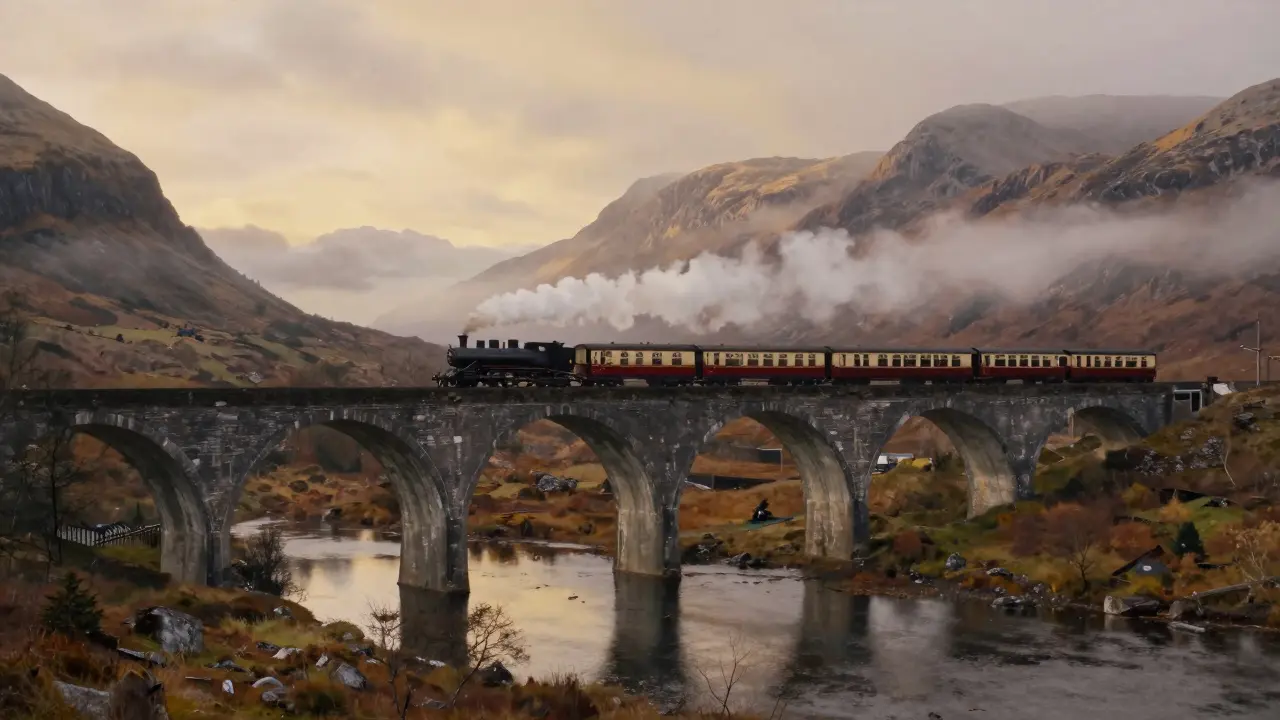
On Day 3, drive to Fort William. The town is the gateway to Ben Nevis and the Glenfinnan Viaduct. That’s the Harry Potter train route. But it’s also where Claire and Jamie fled after the Battle of Culloden. The viaduct appears in multiple scenes, especially when the characters are escaping. Walk the path along the shore of Loch Shiel-you’re standing where the Jacobite army gathered.
Finish at Eilean Donan Castle. It’s one of Scotland’s most photographed castles. In Outlander, it stood in for a fictional clan stronghold. You can tour the interior, climb the towers, and stand where the camera once framed Jamie holding a claymore against a stormy sky. Spend the night in a nearby B&B. You’ll sleep with the sound of loch water lapping against stone.
5-Day Isle of Skye & Western Isles: The Braveheart & Harry Potter Loop
Skye is where fantasy meets reality. The Quiraing, the Old Man of Storr, the Fairy Pools-they’re not just postcard views. They’re the locations where Brave’s Merida rode her horse, and where Harry Potter’s broomstick soared over cliffs in the background of a wide shot.
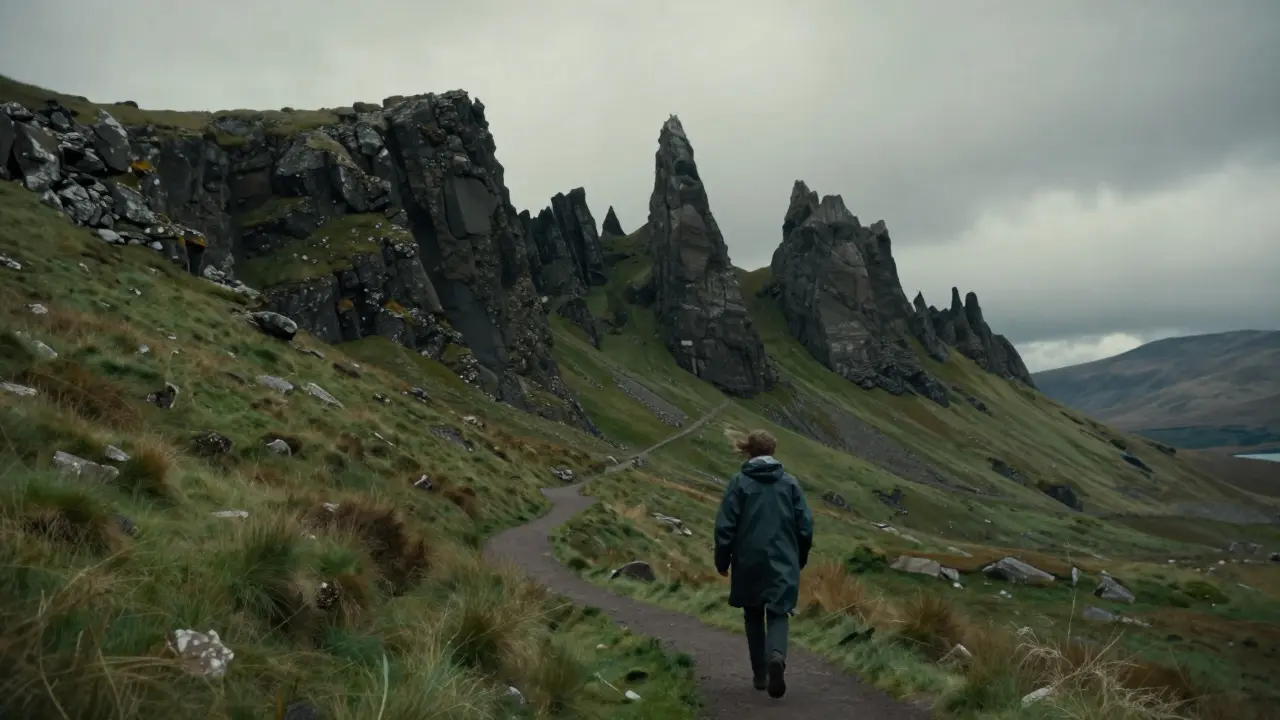
Start in Portree. Drive the A863 to the Old Man of Storr. The rock formation is unmistakable. You’ll recognize it from the opening credits of Brave. The path up is steep, but the view from the top? That’s Merida’s kingdom.
Next, head to the Quiraing. This landslip formation looks like a dragon’s spine. It’s where Outlander filmed the escape scene after the Battle of Prestonpans. Walk the trail. Look down at the cliffs. That’s where the redcoats nearly caught Jamie and Claire.
On Day 3, drive to the Trotternish Peninsula. Stop at Kilt Rock. The basalt columns look like pleats in a kilt. That’s where the scene from Brave where Merida rides her horse along the cliffside was filmed. The waterfalls below? They’re the same ones you see in the movie’s final battle.
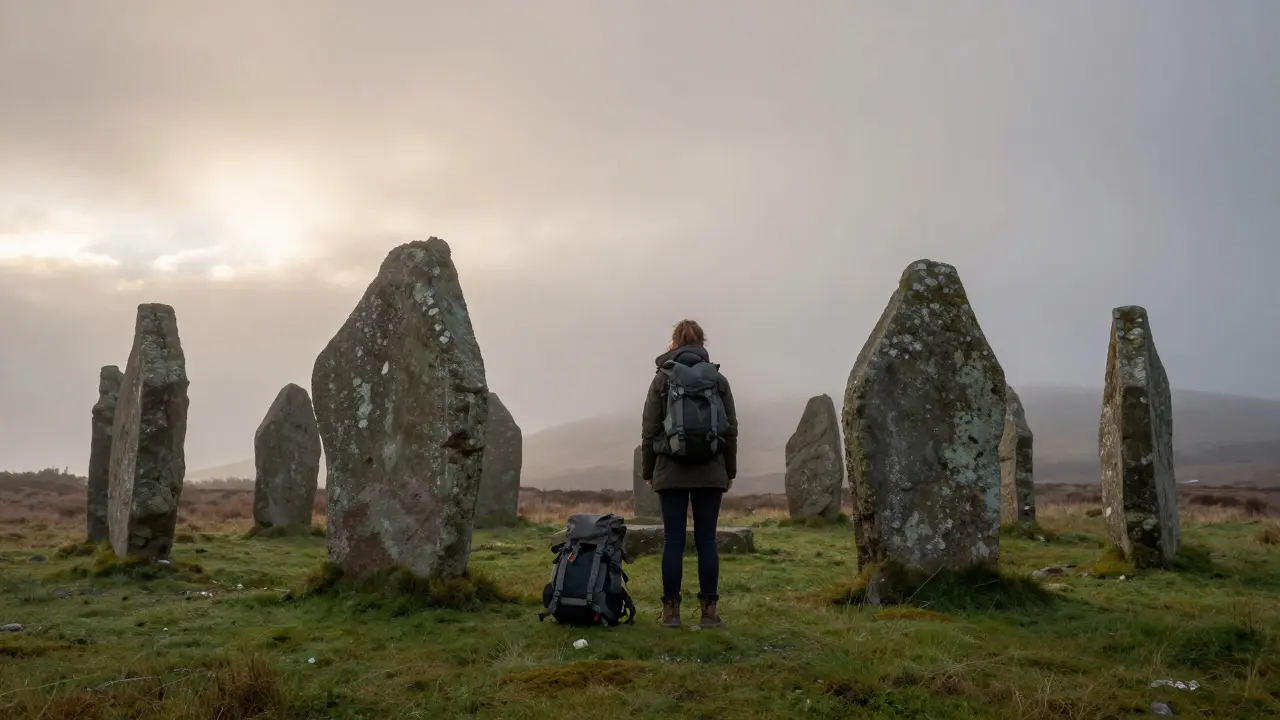
Day 4: Take the ferry to the Isle of Mull. Visit Craignure. The stone circle there is the exact spot where Claire stepped through the stones in the pilot episode. It’s unmarked. No sign. Just a circle of mossy rocks. That’s the magic. You’ll need to walk 10 minutes from the parking lot. Bring a jacket. The wind here is real.
Finish at Iona Abbey. It’s not in any film, but it’s where the cast of Outlander stayed during filming. The abbey’s silence, the way the light hits the stones at dusk-it’s the same feeling you get watching the show. You’ll understand why they chose this place.
3-Day Central Scotland: The Harry Potter & James Bond Route
Not every iconic scene was filmed in the highlands. Some of the most famous moments happened just outside Edinburgh.
Start at the Real Mary King’s Close. Then head to the University of Edinburgh. The Old College building was the exterior of Hogwarts in the first two films. The cloisters? That’s where Harry and Ron first met. The Great Hall? That’s the library inside the university. You can’t go inside, but you can walk the courtyard and imagine the sorting hat calling out names.
Drive 20 minutes to Linlithgow Palace. It’s a ruin now, but in James Bond: Skyfall, it stood in for Bond’s childhood home. The courtyard, the arches, the broken windows-they’re all there. The scene where Silva sets fire to the estate? That was filmed here.
On Day 2, visit Glenfinnan Viaduct again. But this time, take the Jacobite Steam Train. It’s not just a ride-it’s a pilgrimage. The train runs daily from Fort William to Mallaig. You’ll pass the viaduct three times. The first time, you’ll see the train from the bridge. The second time, you’ll be on it. The third? You’ll be holding your camera, knowing you just rode the same route as Harry Potter.
Day 3: End at the National Wallace Monument. It’s not a film set, but it’s where the spirit of Braveheart lives. Climb the 246 steps. The view over the fields of Bannockburn? That’s where the real battle happened. And that’s why Scotland keeps its film locations real. Because the truth is more powerful than any script.
Maps, Tips, and Practical Details
You won’t find these routes on Google Maps. But here’s what you need:
- Best time to go: April to October. Days are longer, roads are clearer, and most filming sites are open.
- Car rental: Stick to automatics. Many roads are narrow. A 4x4 helps on Skye, but not required.
- Navigation: Download offline maps. Signal drops in the highlands. Use the Outlander and Harry Potter trail apps from VisitScotland-they include GPS pins for every major location.
- Accommodation: Book ahead. Small towns like Portree and Fort William fill up fast. Try a B&B near the filming sites. You’ll wake up with the same view the crew saw.
- Weather: Pack layers. Rain is part of the experience. A waterproof jacket and sturdy boots are non-negotiable.
There are no ticket booths at these locations. No queues. Just you, the land, and the echo of scenes that changed cinema.
What You Won’t See on Screen
Most travel guides show you the castles. They don’t tell you about the quiet moments. Like the time a local fisherman in Oban pointed out the exact rock where Claire stood after the battle of Prestonpans. Or how the staff at Glenfinnan know which side of the viaduct catches the morning light just right for photos.
Scotland’s film locations aren’t tourist traps. They’re living parts of the landscape. The stones at the Quiraing shift slightly every year. The moss on Doune Castle’s walls grows thicker. The wind at Iona still carries the same song it did when the last scene of Outlander was shot.
You don’t just visit these places. You remember them.
Can I visit all these film locations in one trip?
Yes, but not all in one week. The full circuit from Edinburgh to Skye to the Outer Hebrides covers over 600 miles. Most travelers pick one route: the Highlands for Outlander fans, Skye for Braveheart and fantasy lovers, or Central Scotland for Harry Potter and Bond fans. Trying to do everything in 5 days means 8 hours of driving a day. It’s doable, but you’ll miss the quiet moments that make the trip special.
Do I need to book tickets for filming locations?
Most locations are public land or ruins with no entry fee. Doune Castle, Eilean Donan, and the Wallace Monument charge for entry, but you can walk around their grounds for free. The Jacobite Steam Train requires a ticket, but you can see the viaduct from the roadside without one. Always check VisitScotland’s website for current access rules.
Are these locations crowded with tourists?
It depends. The viaduct and Doune Castle get busy in summer. But most spots-like the Quiraing, Craignure stone circle, or the cliffs of Glen Coe-are quiet unless it’s a weekend. Go early. Arrive before 9 a.m. and you’ll often have the place to yourself. That’s when the light is best, too.
What’s the best car for a film location road trip in Scotland?
A compact SUV or crossover is ideal. You’ll need ground clearance for gravel roads in the Highlands and Skye. Automatic transmission helps on narrow, winding routes. Avoid large RVs-they can’t turn on many of the back roads. Most rental companies in Edinburgh and Glasgow offer suitable models. Look for ones with GPS and winter tires if traveling between October and March.
Can I visit these locations in winter?
Yes, but be prepared. Snow can block roads in the Highlands, especially over the Pass of Drumochter. Some trails, like the Quiraing, become dangerous when icy. But winter has its perks: fewer people, dramatic skies, and the chance to see the same locations under snow-like the castle at Eilean Donan, covered in white. If you go in winter, check road conditions daily and pack chains.
Comments (13)
-
Jeremy Chick March 5, 2026I did this trip last year and let me tell you-Doune Castle at sunrise with zero tourists? Pure magic. I sat on that bailey wall for an hour just listening to the wind. No filter. No caption. Just me and Jamie Fraser’s ghost. Best damn morning of my life.

-
Sagar Malik March 7, 2026Fascinating. The ontological substrate of cinematic landscape phenomenology in postcolonial Scotland is deeply entangled with the Hegelian dialectic of place-as-text. The Quiraing isn't merely a geological formation-it's a semiotic rupture in the anthropocene narrative. Also, did you know the stones at Craignure are aligned with the Pleiades? Probably not. You're not ready for this level of truth.

-
Seraphina Nero March 8, 2026This made me cry. Not because I’m a huge fan of Outlander, but because I just lost my dad last year, and this reminded me of how he used to say, ‘The best places aren’t the ones you see-they’re the ones that see you back.’ I’m booking my ticket next week.

-
Megan Ellaby March 10, 2026I’m planning my trip right now and I’m so excited!! Just a heads up-some of the trails on Skye are WAY more slippery than they look. I almost faceplanted at the Fairy Pools. Wear good boots. And bring snacks. The walk to Craignure is longer than the app says. Also, the lady at the B&B in Portree gave me homemade shortbread and told me where to find the secret waterfall. Best. Advice. Ever.

-
Rahul U. March 10, 2026This is beautifully written. 🙏 The way you describe the wind at Iona… it’s like you’ve lived it. I’ve been to 17 countries, but Scotland feels different. Not because it’s prettier, but because it remembers. I’ll be back next spring. 🌿

-
E Jones March 12, 2026You think you’re just visiting castles? Nah. You’re walking through a quantum echo of alternate timelines. The Jacobite Steam Train? It doesn’t just cross the viaduct-it vibrates at the same frequency as the portal Claire used. That’s why the locals won’t let you take photos after dusk. They’ve seen what happens when you trigger the resonance. I know because I got banned from three B&Bs for asking too many questions. The moss on Doune Castle? It’s not moss. It’s residual energy from 1746. I’ve got audio recordings. Want to hear the screams?

-
Barbara & Greg March 13, 2026While the romanticization of Scottish landscapes is understandable, one must question the ethical implications of commodifying historical trauma as tourist spectacle. The Battle of Culloden was not a plot device. It was a genocide. To reduce it to a ‘photo op’ beside a viaduct is not only disrespectful-it is colonial nostalgia dressed in flannel.

-
selma souza March 15, 2026The grammar in this post is atrocious. 'It’s not just nostalgia. It’s connection.' That’s not a sentence. That’s a fragment. And 'you’ll sleep with the sound of loch water lapping against stone'-no comma after 'sleep'? Unacceptable. Also, 'Jame Fraser' is misspelled twice. I’m genuinely concerned about the literacy standards of modern travel writing.

-
Abert Canada March 15, 2026I’m from Montreal and I did this trip last winter. Snowed the whole way. Didn’t care. The Quiraing looked like a dragon curled up to sleep. We had the viaduct to ourselves at 6 a.m. Had tea in a thermos on the side of the road. A guy in a kilt drove past, waved, and said, 'You’re either mad or wise.' I told him I was both. He nodded. Then he gave me a bottle of whisky. That’s Scotland.

-
Xavier Lévesque March 15, 2026So you’re telling me the same place where Harry Potter flew over a cliff is also where Claire Fraser escaped the redcoats? Yeah. Right. And I suppose the Loch Ness Monster is just a really tired tourist who got lost on the A82.

-
Thabo mangena March 16, 2026I am deeply moved by the sincerity of this narrative. The land does indeed remember. In my homeland of South Africa, we say: 'The earth does not forget those who walk upon it with respect.' Your words echo this truth. I shall make this pilgrimage, not as a tourist, but as a pilgrim. May the winds of the Highlands carry your wisdom to all who seek it.

-
Karl Fisher March 18, 2026Okay but have you seen the video of the guy who got married on the Glenfinnan Viaduct last summer? He proposed during the train’s third pass. The whole thing was filmed by a drone. Then he said, 'I’m not just marrying you-I’m marrying the whole damn myth.' I cried. Then I booked my flight. This isn’t travel. This is destiny.

-
Buddy Faith March 19, 2026All this is just propaganda. The real filming locations are in a studio in Cardiff. They just added Scottish trees in post. The wind? Green screen. The stones? Painted foam. The locals? Actors. I’ve got receipts. And yes I did call VisitScotland. They hung up on me. That’s because they know. They always know.
