
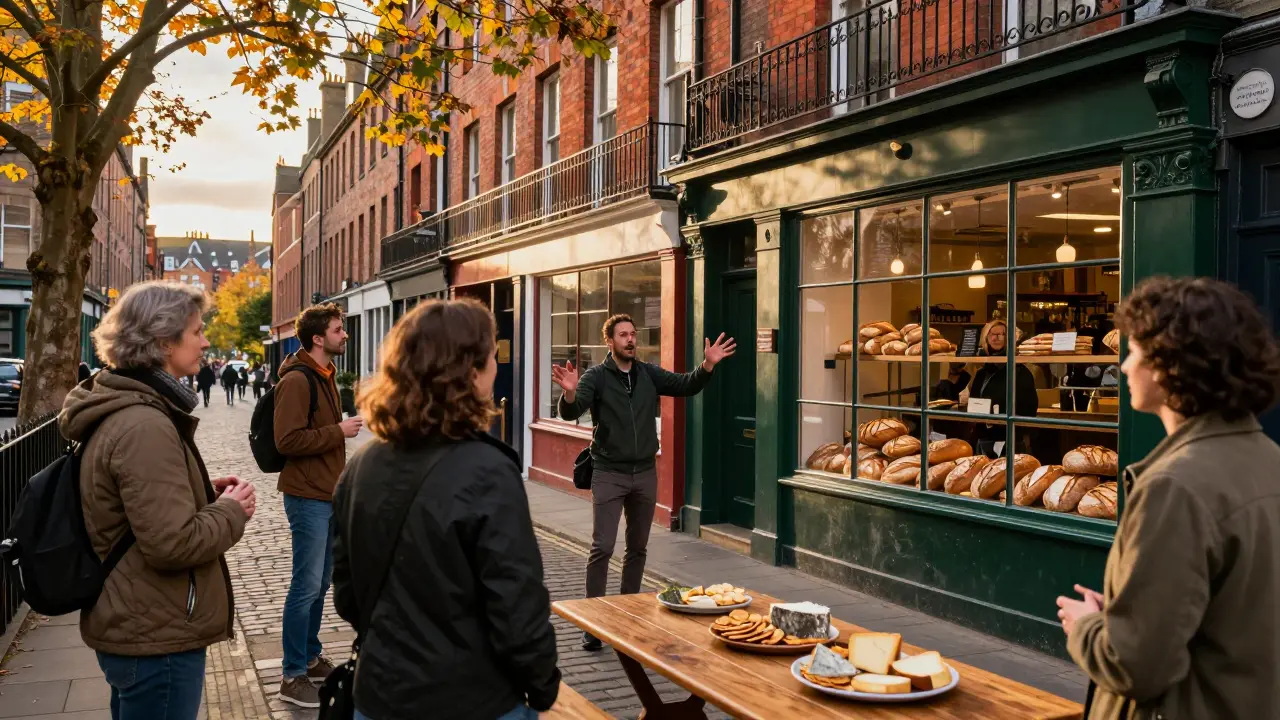
Forget the stereotype of damp porridge and grey skies. Glasgow’s culinary scene is currently one of the most vibrant in the UK, blending deep-rooted Scottish traditions with a fierce modern creativity. If you want to understand this city, you don’t just look at the architecture; you taste it. From the smoky depths of a traditional haggis dish to the bright, acidic punch of a Peruvian ceviche in the West End, **Glasgow food tours** offer a shortcut to understanding the local soul.
I’ve spent years exploring Scotland’s food landscape, moving from the coastal seafood spots in Fife to the bustling markets of Edinburgh. But Glasgow holds a unique position. It’s industrial, gritty, and incredibly welcoming. A guided walk through its neighborhoods does more than feed you; it connects you with the people who make the city tick. Whether you are a solo traveler, a couple on a romantic getaway, or a group of friends looking for an adventure, knowing how to navigate these tours can transform your trip.
The Anatomy of a Great Glasgow Food Tour
Not all food walks are created equal. In Glasgow, the best experiences usually follow a specific pattern that balances history, flavor, and social interaction. When I evaluate a tour, I look for three core components: narrative depth, venue variety, and portion logic.
First, the story matters. Glasgow was once the second city of the British Empire, a hub of shipbuilding and trade. This history is embedded in its palate. A good guide will explain why you’re eating Cullen Skink is a creamy soup made from smoked haddock, potatoes, and onions. They’ll connect the dots between the Clyde’s fishing industry and the modern gastropubs lining the River Clyde. Without this context, you’re just eating lunch. With it, you’re participating in a living history lesson.
Second, variety keeps the energy high. The top-rated tours in Glasgow typically visit four to six venues. These aren’t just random stops; they are curated to show contrast. You might start with artisanal cheese from a local dairy in the West End, move to a historic bakery in the City Centre for fresh sourdough, and finish with craft gin or whisky in the East End. This progression allows your palate to reset and appreciate each new flavor profile.
| Tour Type | Duration | Best For | Price Range (GBP) |
|---|---|---|---|
| Historic City Centre Walk | 3-4 hours | First-time visitors, history buffs | £50 - £70 |
| West End Bohemian Taste | 2.5-3 hours | Foodies, cafe lovers, relaxed pace | £45 - £65 |
| Nightlife & Spirits | 3-4 hours | Social groups, evening explorers | £60 - £80 |
| Private Customizable Tour | Variable | Dietary restrictions, families | £100+ |
Neighborhoods That Define the Flavor Map
Glasgow is divided into distinct culinary zones. Understanding these areas helps you choose the right tour for your mood. The two most prominent districts for food tourism are the City Centre and the West End, though the East End is rapidly gaining ground.
The City Centre is where the grandeur meets the grit. Here, you’ll find the Merchant City area, which has transformed from a warehouse district into a hub for high-end dining and artisan producers. Tours here often feature visits to places like The Butchery is a renowned butcher shop and restaurant known for premium meats and charcuterie. You’ll learn about the revival of traditional butchery skills and taste cured meats that rival anything in London. The atmosphere is polished, professional, and slightly upscale.
In stark contrast, the West End feels like a university town come to life. Areas around Byres Road and Ashton Lane are packed with independent cafes, ethnic eateries, and bookshops. A food tour here is less about formal tasting notes and more about discovery. You might stop at a Vietnamese pho spot, then hop over to a Scottish bakery for a cranberry scone. The vibe is casual, intellectual, and deeply rooted in student culture. It’s perfect if you prefer street-style food and cozy interiors over white-tablecloth settings.
Don’t sleep on the East End. Once overlooked, neighborhoods like Townhead and Shettleston are now hotspots for immigrant-owned businesses. You’ll find incredible Pakistani curries, African stews, and Eastern European bakeries. Some newer tours focus specifically on this multicultural tapestry, offering a raw, authentic look at Glasgow’s diverse population. If you want to break away from the tourist trail, look for guides who specialize in these emerging food scenes.
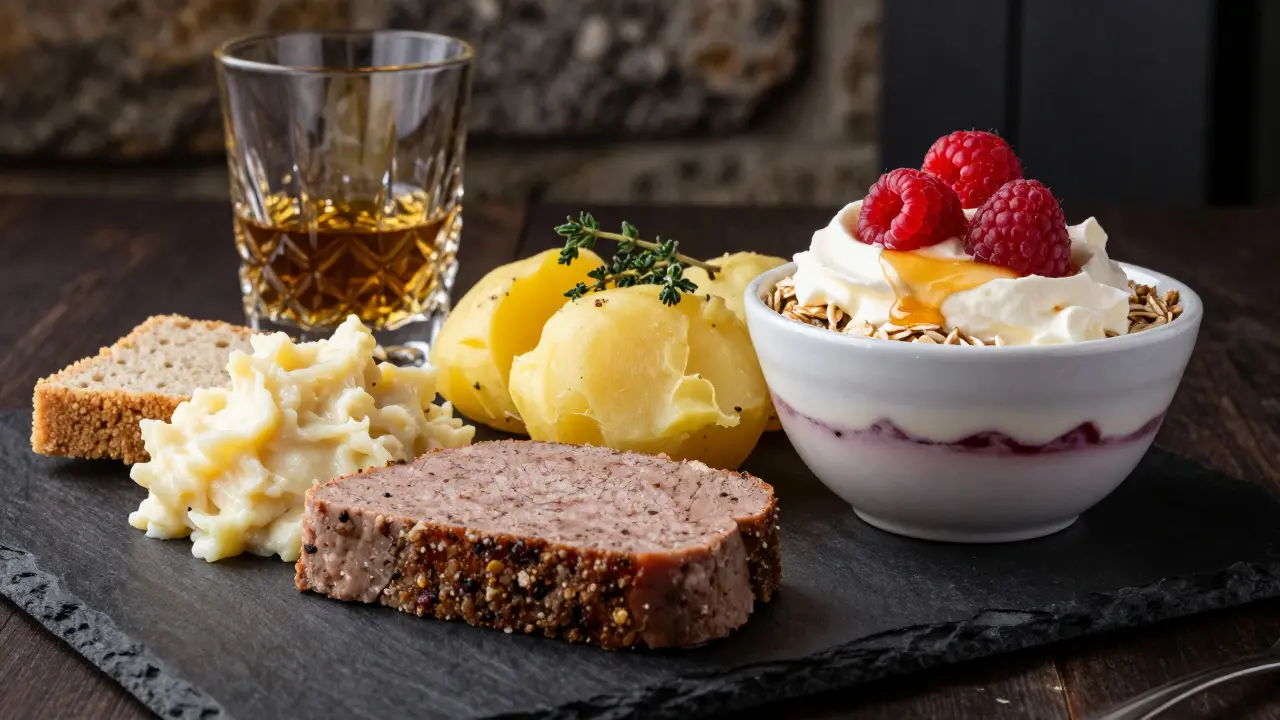
What You Will Actually Eat: Key Scottish Dishes
One of the biggest anxieties travelers have is trying unfamiliar foods. On a Glasgow food tour, you won’t be forced to eat everything, but you should be prepared for certain staples. Knowing what to expect removes the fear and lets you enjoy the experience.
- Haggis: Yes, really. Modern haggis is not the dry, rubbery myth you might imagine. High-quality haggis is a savory pudding containing sheep’s pluck (heart, liver, and lungs), minced onion, oatmeal, suet, spices, and stock. Tasted with neeps (turnips) and tatties (potatoes), it’s rich, peppery, and surprisingly tender. Many tours offer “haggis bonbons” - small, bite-sized versions that are easier to try.
- Cranachan: This is Scotland’s national dessert. It consists of whipped cream, toasted oats, raspberries, honey, and sometimes a splash of whisky. It’s light, sweet, and tart. Almost every food tour ends with a sweet note, and Cranachan is the gold standard.
- Shortbread: You’ve likely had shortbread before, but Scottish shortbread is denser and richer due to the high butter content. Look for tours that include visits to local bakers who use traditional methods, resulting in a crumbly, melt-in-your-mouth texture.
- Whisky or Gin: Alcohol is often part of the pairing. Glasgow has a thriving distillery scene within the city limits. Expect neat pours of single malt Scotch or botanical-infused gins. Guides will teach you how to nose and sip properly, turning a drink into an educational moment.
Booking Tips: How to Secure Your Spot
Planning ahead is crucial, especially during peak seasons like spring and autumn when the weather is mild enough for comfortable walking. Here are practical steps to ensure you get the best experience without overpaying or missing out.
- Book at Least Two Weeks in Advance: Popular tours, particularly those led by well-known local historians or chefs, sell out quickly. Last-minute bookings often result in limited menu options or smaller groups that lack the dynamic energy of a full cohort.
- Check for Dietary Accommodations: Most reputable operators in Glasgow are accustomed to handling vegetarian, vegan, gluten-free, and halal requests. However, you must declare these at the time of booking. Don’t assume they’ll know upon arrival. A good provider will adjust the menu so you aren’t left out of any tastings.
- Read Recent Reviews for Weather Context: Glasgow weather is unpredictable. Look for reviews from the same season you plan to visit. If a tour is heavily outdoor-based, check if the operator provides umbrellas or rain gear. Some indoor-focused tours are better choices during heavy rain.
- Compare Group Sizes: Smaller groups (under 10 people) allow for better interaction with guides and faster service at venues. Larger groups (15+) can feel crowded in small bars or cafes. If intimacy is important to you, filter for “small group” or “private” tours.
- Look for Transparent Pricing: Ensure the price includes all food, drinks, and taxes. Some cheaper tours advertise low entry fees but charge extra for alcohol or premium tastings. The best tours have an all-inclusive model so you can relax and enjoy.
Logistics: Dress Code and Timing
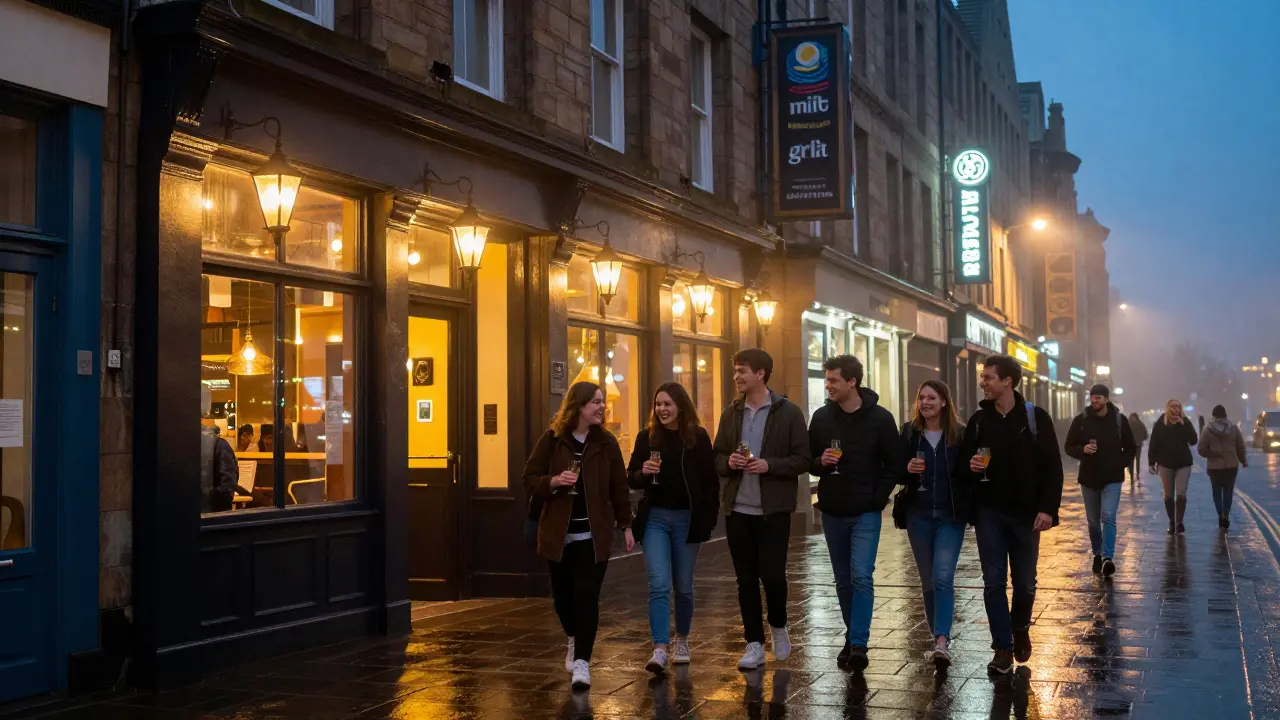
Practical preparation makes or breaks a walking tour. Glasgow’s streets are mostly flat, but they can be wet, windy, or unexpectedly sunny. Your footwear is the most critical decision. Wear comfortable, waterproof shoes with good grip. Cobblestones in the Old Town and slick pavement in the City Centre can be hazardous in heels or smooth-soled sneakers.
Dress in layers. Even in summer, temperatures can drop in the evenings. A lightweight jacket or windbreaker is essential. Bring a small bag to carry any take-home items, such as bottles of gin or jars of preserves, though many tours provide gift bags.
Timing matters too. Morning tours (starting around 10:30 AM) are ideal for breaking the fast and energizing your day. They often include breakfast items like pastries and coffee. Evening tours (starting around 6:30 PM) tend to focus on dinner-style pairings and spirits, making them more social and relaxed. Choose based on your energy levels and schedule.
Alternatives to Guided Tours
If you prefer independence, Glasgow offers excellent self-guided options. You can create your own itinerary using local resources. Start at the Buchanan Street Galleries is a Victorian shopping arcade housing numerous food vendors and cafes. for a quick bite, then walk to the Glasgow Farmers Market is a weekly market featuring local produce, artisan goods, and street food. on weekends. Explore the independent shops in Ashton Lane for unique snacks and drinks. While you miss the historical narrative, you gain flexibility and privacy.
Another alternative is joining a cooking class instead of a tour. Many local chefs offer sessions where you learn to prepare dishes like Cullen Skink or Haggis yourself. This is a great option if you want to take skills home rather than just memories.
Are Glasgow food tours suitable for vegetarians and vegans?
Yes, absolutely. Glasgow has a strong plant-based food scene. Most tour operators explicitly state their ability to accommodate vegetarian and vegan diets. They will substitute meat-heavy dishes with alternatives like mushroom pies, vegetable soups, or plant-based cheeses. Always mention your dietary needs when booking to ensure the best possible substitutions.
How much do Glasgow food tours cost?
Prices typically range from £45 to £80 per person for group tours. Private tours can cost £100 or more depending on the duration and number of participants. These prices usually include all food, non-alcoholic beverages, and sometimes one alcoholic drink. Premium tours featuring rare whiskies or exclusive venues may cost upwards of £90.
Is it safe to walk around Glasgow at night for food tours?
Generally, yes. The main areas covered by food tours, such as the City Centre, Merchant City, and West End, are well-lit and busy in the evenings. However, as with any major city, it’s wise to stay aware of your surroundings. Stick to the main streets and follow your guide’s advice. Most evening tours end in popular, safe neighborhoods.
Do I need to book a food tour in advance?
It is highly recommended to book at least one to two weeks in advance, especially during peak travel seasons (May to September). Popular tours often sell out days ahead. Booking early also ensures you can specify any dietary requirements, which requires time for the operator to coordinate with venues.
What is the best neighborhood for a first-time visitor to explore on foot?
For first-timers, the City Centre and Merchant City area offer the best balance of history, accessibility, and iconic food spots. It’s compact, easy to navigate, and features many famous landmarks alongside high-quality restaurants. The West End is also excellent but covers a larger area and may require more walking between stops.