
There is a specific kind of magic that happens when you stand on the exact patch of grass where a major battle scene was filmed. You aren't just looking at old stones; you are stepping into a narrative that has already been told to millions. If you have seen Ridley Scott's Outlaw King, a historical drama about Robert the Bruce's fight for Scottish independence, you know the visceral impact of those muddy, brutal combat sequences. But what happens when the credits roll and you want to touch the real history behind the fiction? That is where the journey begins.
Visiting the filming locations of Outlaw King is not just about celebrity spotting or checking off a bucket list. It is an exercise in connecting modern Scotland with its turbulent past. The film used several iconic sites across the country, blending authentic medieval ruins with carefully constructed sets. This guide will take you through the primary locations, focusing heavily on Linlithgow and Blackness, while explaining how to navigate these historic grounds today. Whether you are a history buff, a film enthusiast, or just someone who loves walking around ancient castles, this trip offers a tangible link to 14th-century Scotland.
The Heart of the Story: Linlithgow Palace
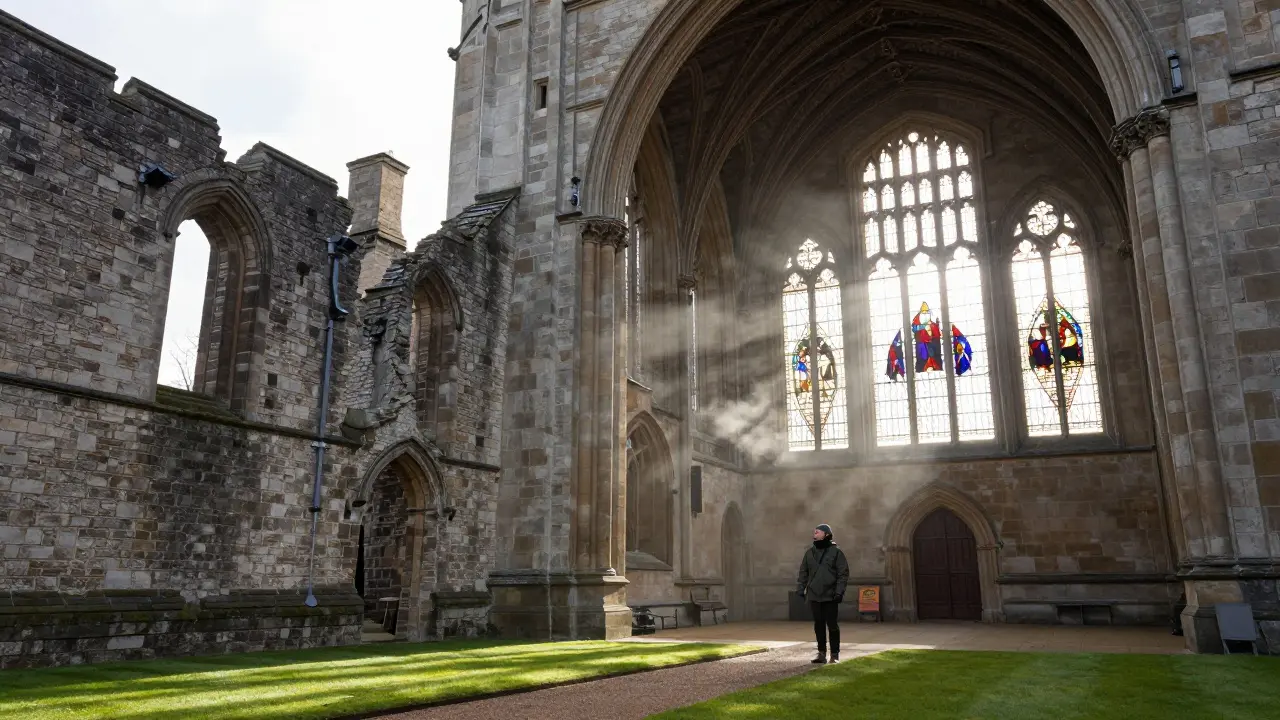
If there is one place that defines the Outlaw King experience, it is Linlithgow Palace. Located in West Lothian, this ruined royal palace served as a key backdrop for the film's political intrigue scenes. In reality, Linlithgow was one of the most important residences of the Scottish monarchs. Mary, Queen of Scots, was born here in 1542, adding another layer of royal significance to the site.
In the movie, the palace represents the seat of power that Robert the Bruce sought to reclaim. When you walk through the remaining walls, you can almost hear the echoes of courtly debates and secret plots. The architecture is stunning, particularly the Chapel Royal, which remains largely intact. Its vaulted ceiling and stained glass windows (restored in the 19th century) provide a stark contrast to the rougher, more chaotic exterior ruins.
- What to see: The Great Hall, the Chapel Royal, and the Palace Gardens.
- Film connection: Many indoor scenes depicting royal courts and strategic meetings were filmed within the preserved sections of the palace.
- Practical tip: Wear sturdy shoes. The ground is uneven, consisting of gravel paths and ancient stone floors.
Historically, the palace was damaged during the English sieges in the 16th century, leaving it in the romantic ruin state we see today. For fans of the film, standing in the courtyard where actors like Chris Pine and Andrew Scott walked provides a surreal sense of continuity. It bridges the gap between scripted drama and actual heritage.
The Fortress of Silence: Blackness Castle
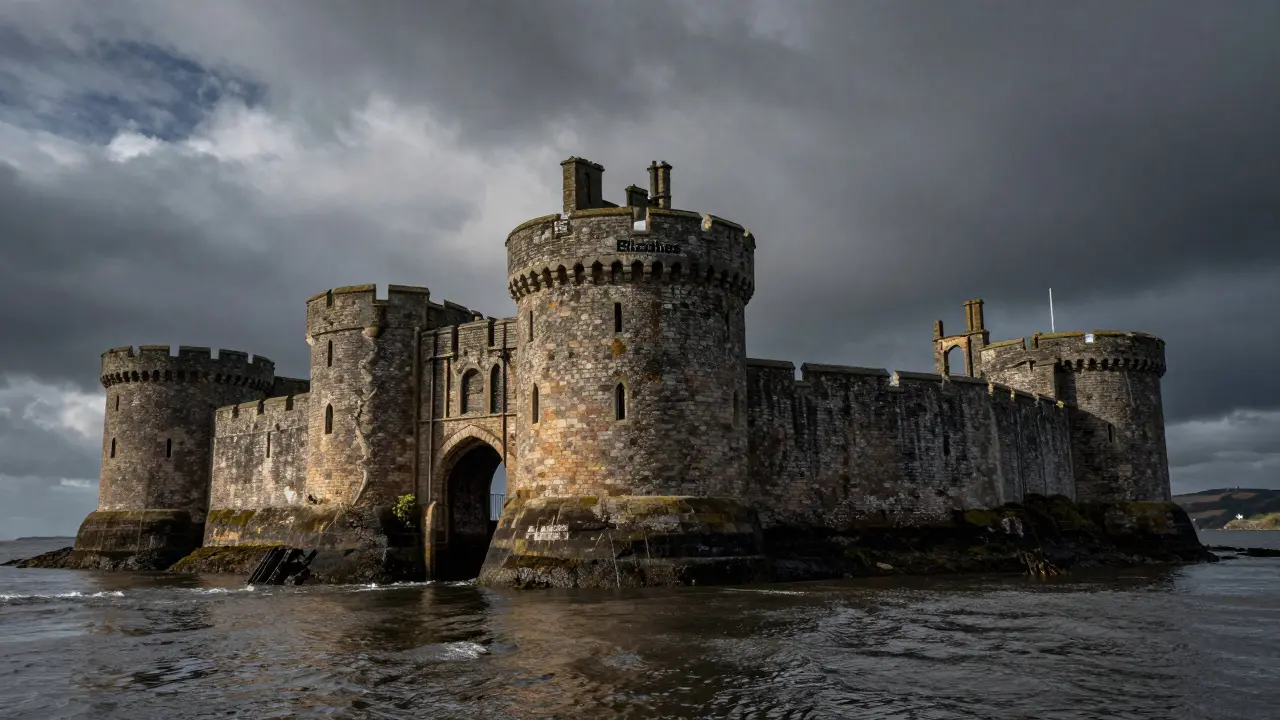
While Linlithgow offers grandeur, Blackness Castle offers intimidation. Situated on the shores of the Firth of Forth, near Edinburgh, this fortress looks less like a home and more like a dragon emerging from the water. Its nickname, "The Ship on the Shore," comes from its unique structure that extends out into the water, designed to be impregnable from all sides.
In Outlaw King, Blackness Castle served as a visual shorthand for strength and confinement. The film utilized its imposing gatehouse and narrow corridors to create tension. Historically, the castle changed hands many times between Scottish and English forces. It was also used as a prison in later centuries, housing prisoners of war and political dissidents.
| Location | Type | Film Role | Historical Significance |
|---|---|---|---|
| Linlithgow Palace | Royal Palace Ruins | Court scenes, political strategy | Birthplace of Mary, Queen of Scots; royal residence |
| Blackness Castle | Fortress | Siege scenes, imprisonment | Strategic stronghold on the Firth of Forth; used as a prison |
| Dunstaffnage Castle | Medieval Castle | Battle preparations, garrison life | One of the oldest inhabited castles in Scotland; guarded the Sound of Lorn |
| Loch Leven Castle | Island Castle | Exile scenes, reflection | Mary, Queen of Scots was imprisoned here for 16 weeks |
Visiting Blackness Castle feels different than visiting other sites. The air is often cooler due to its proximity to the water, and the acoustics inside the thick stone walls amplify silence. Guided tours are available and highly recommended because they explain the defensive mechanisms that made the castle so formidable. The tour guides often share anecdotes about daily life within the walls, which adds depth to the cinematic portrayal of military might.
Other Notable Sites: Dunstaffnage and Beyond
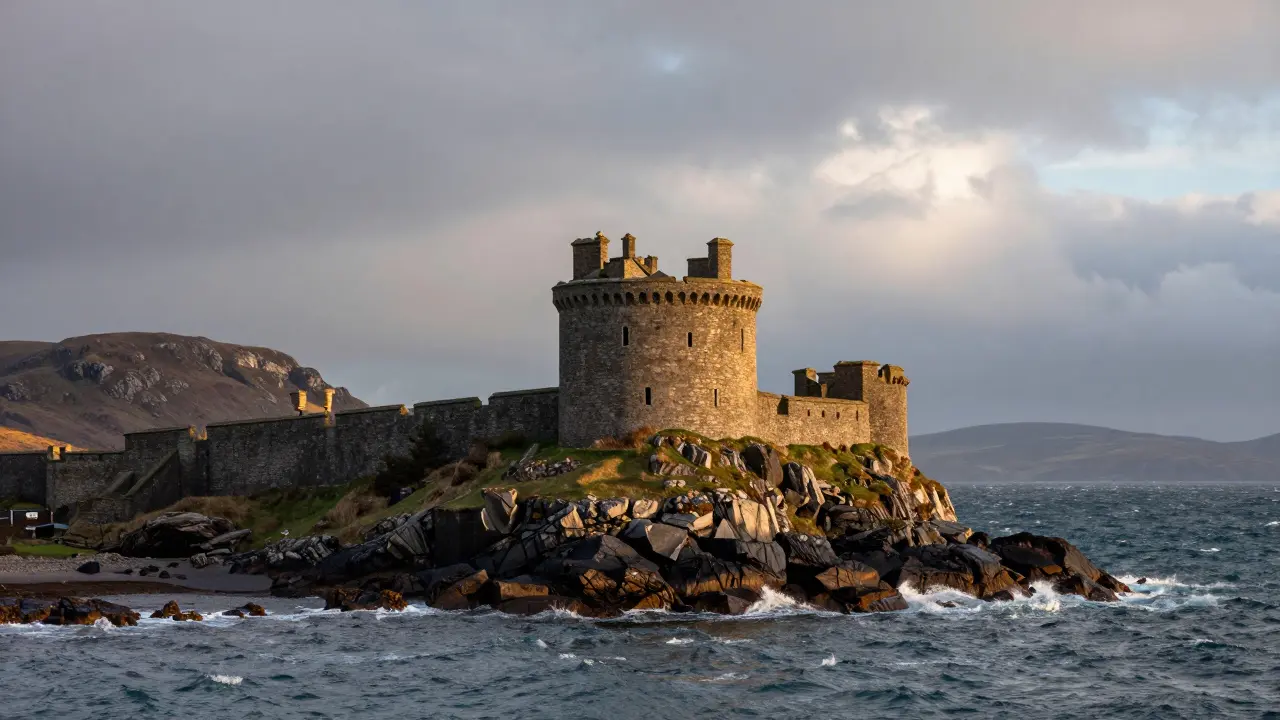
While Linlithgow and Blackness are the stars, the production team scouted extensively across Scotland. Dunstaffnage Castle, located on the west coast near Oban, played a significant role in depicting the rugged terrain of Argyll. This castle is perched on a rocky promontory overlooking the sea, offering dramatic views that enhance the feeling of isolation and danger central to the film's narrative.
Dunstaffnage is one of the oldest continuously inhabited castles in Scotland. Its circular tower and outer walls date back to the 13th century. In the context of Outlaw King, it represents the remote strongholds that supported Robert the Bruce's guerrilla warfare tactics. The landscape around Dunstaffnage is wild and untamed, perfectly capturing the harsh environment faced by medieval warriors.
Another location worth mentioning is Loch Leven Castle. Although its screen time may be limited, its historical weight is immense. Located on a small island in Loch Leven, it is famous for imprisoning Mary, Queen of Scots. In the film, such settings evoke themes of captivity and resilience, mirroring the struggles of the Scottish resistance.
Planning Your Visit: Logistics and Tips
Combining these locations into a single trip requires some planning. Linlithgow and Blackness are relatively close to each other, both situated near Edinburgh. You can easily visit both in a day if you start early. Dunstaffnage, however, is a long drive west, making it better suited for a separate leg of your journey, perhaps combined with a tour of the Isle of Mull.
- Start in Edinburgh: Use Edinburgh as your base. It is well-connected by train and bus to both Linlithgow and Blackness.
- Check Opening Hours: Historic Scotland properties vary their opening hours seasonally. Always check online before heading out, especially in winter.
- Book Tours in Advance: Blackness Castle offers guided tours that fill up quickly during peak tourist seasons. Booking ahead ensures you get a slot.
- Consider Weather: Scotland's weather is unpredictable. Bring waterproof gear and layers. The ruins offer little shelter from rain or wind.
- Combine with Local History: While at Linlithgow, explore the town itself. It has a charming high street and a loch-side park that complements the palace visit.
Transportation is straightforward if you have a car. Public transport options exist but may limit your flexibility, particularly for reaching Dunstaffnage. Renting a car gives you the freedom to stop at smaller, unmarked sites that also appeared in the film.
Why These Locations Matter
Understanding why these specific places were chosen adds depth to your visit. The filmmakers didn't just pick pretty backdrops; they selected sites that authentically represented the period. Linlithgow Palace's royal connections provided legitimacy to the story of kingship. Blackness Castle's military architecture conveyed the threat of invasion. Dunstaffnage's remote location highlighted the logistical challenges of rebellion.
This attention to detail respects the historical record while serving the narrative needs of the film. As a visitor, you benefit from this dual perspective. You see the physical evidence of history-the stones, the layout, the views-and you overlay the emotional resonance of the film. It creates a richer, more immersive experience than either medium could provide alone.
Can I visit all Outlaw King filming locations in one day?
It depends on which locations you prioritize. Linlithgow Palace and Blackness Castle are close enough to visit in a single day if you start early. However, including Dunstaffnage Castle would require a full day of driving, as it is located on the west coast, far from Edinburgh. Plan your itinerary based on geographic clusters to minimize travel time.
Are guided tours available at Blackness Castle?
Yes, Blackness Castle offers excellent guided tours that cover its history, architecture, and role in various conflicts. These tours are highly recommended as they provide access to areas that might otherwise be missed and offer detailed insights into the castle's defensive features. Tickets should be booked in advance, especially during summer months.
Is Linlithgow Palace safe to explore?
Linlithgow Palace is generally safe, but it is a ruin. There are no railings in some areas, and the ground can be uneven or slippery. Visitors should wear sturdy footwear and keep children close. The site is well-maintained by Historic Environment Scotland, but caution is always advised when exploring ancient structures.
Did the movie change any historical facts about these locations?
Like most historical dramas, Outlaw King takes creative liberties. While the locations themselves are real and historically significant, the events depicted in the film may not align perfectly with recorded history. For example, the extent of damage shown in siege scenes might be dramatized for effect. Using the locations as a starting point for further research is the best way to separate fact from fiction.
What is the best time of year to visit these sites?
Spring and autumn offer pleasant weather and fewer crowds compared to the peak summer season. Winter visits can be atmospheric but require proper clothing due to cold and wet conditions. Summer provides the longest daylight hours, allowing more time for exploration, but expect larger tourist groups.
Comments (8)
-
Caitlin Donehue June 2, 2026
I actually went to Linlithgow last summer just because of this movie and it was surprisingly quiet. The Chapel Royal is stunning in person, way better than the film makes it look.

-
Jeanne Abrahams June 3, 2026
Oh look, another American trying to buy their way into Scottish heritage with a Chris Pine marathon. How quaint. I bet you think wearing a kilt makes you one of us now.
Please tell me you didn't actually believe that Robert the Bruce looked like a golden retriever who got lost on his way to a photoshoot. The historical inaccuracies are enough to make a local weep into their haggis.

-
Bineesh Mathew June 5, 2026
You speak of 'heritage' as if it were a commodity to be traded or consumed, yet you fail to grasp the existential weight of standing where history bled out. The stones do not care for your cinematic nostalgia; they care only for the silence that follows the scream of war. You are merely a ghost haunting a graveyard of your own making, seeking validation in the mud of the past while ignoring the rot of the present. It is tragic, truly, that we have reduced our collective trauma to a backdrop for Hollywood vanity projects. We are all actors in a play written by dead men, and you are barely reading your lines.

-
Oskar Falkenberg June 5, 2026
hey guys i totally agree with the bit about linlithgow being cool but also blackness castle is kinda scary lol. i went there once and the guide was talking about how people were imprisoned there and it felt super damp and cold even though it was june. also did anyone else notice that the shoes tip is legit? my ankles were killing me after walking around the ruins. maybe we should start a group trip next year? i can drive if needed. just let me know what dates work for everyone. im pretty flexible these days since i started working from home so its easier to plan stuff like this without taking too much time off work.

-
Stephanie Frank June 5, 2026
The problem with these location guides is that they completely ignore the socioeconomic impact of tourism on these small towns. While you're busy checking boxes on your bucket list, the locals are dealing with inflated housing prices and overcrowded infrastructure. It's pathetic how quickly people forget that these aren't just sets; they are communities. Stop treating Scotland like a theme park.

-
Patrick Dorion June 6, 2026
If you're planning to hit Dunstaffnage, don't underestimate the drive. The roads up there are narrow and winding, which adds to the atmosphere but isn't great if you're prone to motion sickness. I recommend going in late afternoon when the light hits the tower just right. It really does feel isolated, which matches the guerrilla warfare vibe mentioned in the post. Also, pack more layers than you think you need. The wind coming off the water cuts right through standard rain gear.

-
Marissa Haque June 7, 2026
OMG!! I literally screamed when I saw the Blackness Castle section!!! It looks exactly like a dragon ship!!! 🐉⚓️ I have been dreaming of visiting ever since I watched the movie!! Does anyone know if they sell merch at the gift shop?? I would die for a t-shirt!! Also, the part about Mary Queen of Scots being born at Linlithgow blew my mind!!! 😱💖 I need to go ASAP!! Who wants to come with me?? This is going to be the best trip EVER!!! ✨🏰

-
Keith Barker June 8, 2026
the distinction between fact and fiction is irrelevant when the emotional resonance is real. the stones hold the memory regardless of the script.
