
Forget the idea that Scotland is just about heavy stews and dreary weather. If you know where to look in Glasgow is a vibrant culinary capital in the UK, renowned for its diverse food neighborhoods, independent cafes, and world-class chefs, the city serves up some of the most exciting dining experiences in Britain. The real magic isn't found in one single spot but scattered across three distinct districts: the trendy harbor-side buzz of Finnieston, the bohemian charm of the West End, and the historic grandeur of Merchant City. Each area has its own personality, its own flavor profile, and its own crowd. Whether you are hunting for the best fish and chips on the Clyde or a quiet brunch with artisanal sourdough, understanding these neighborhoods is your ticket to eating like a local.
Finnieston: The Hipster Harbor with Serious Flavors
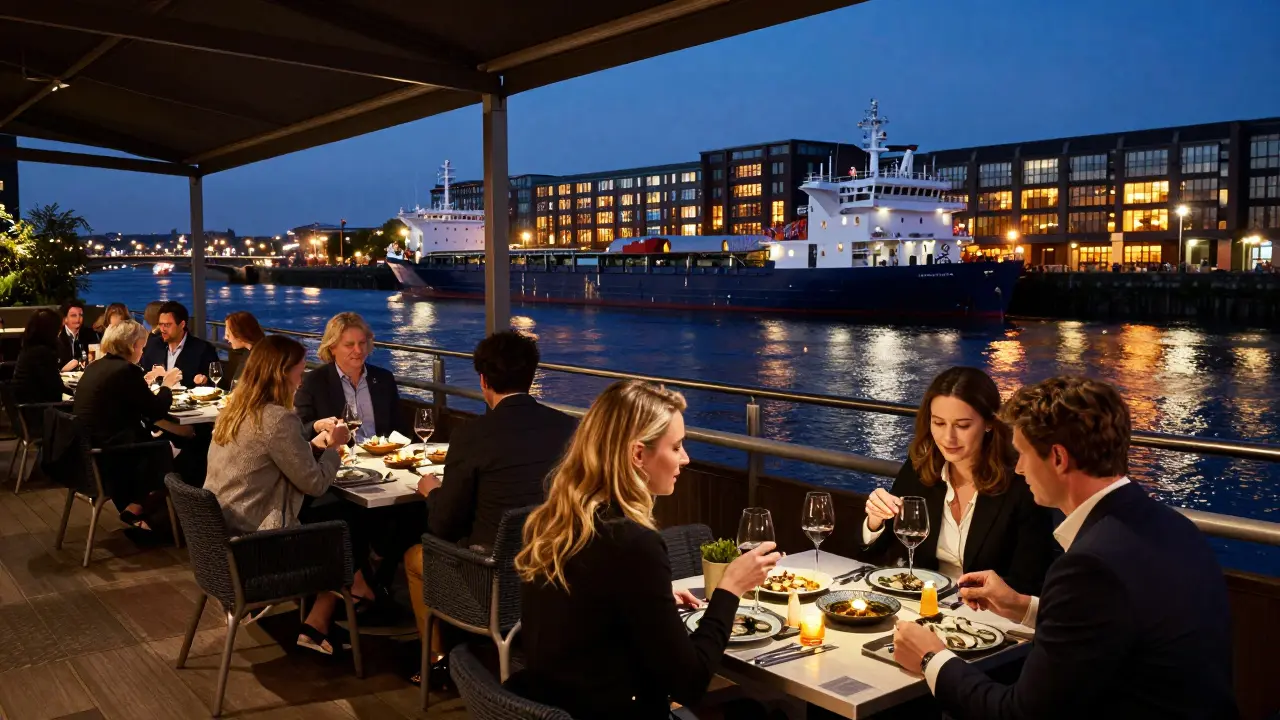
If you walk down Argyle Street in the early evening, you will feel the energy shift. This is Finnieston is a former industrial dockland turned into Glasgow's premier dining and nightlife district, known for its high-end bistros and waterfront views. Once a gritty working-class port, it has transformed into the place where locals go when they want to impress out-of-town guests-or simply treat themselves to something special. The vibe here is polished but not pretentious. You will see people in smart-casual attire sipping natural wine while watching cargo ships drift by on the River Clyde.
The food scene in Finnieston leans heavily into fresh seafood and modern European techniques. Because it sits right on the water, many restaurants source their catch daily from nearby ports like Oban or even further north to Shetland. Think oysters shucked tableside, scallops seared in brown butter, and salmon prepared with delicate herbs rather than heavy sauces. It is not just about fish, though. The neighborhood is packed with independent bars that double as supper clubs, serving small plates designed for sharing. You might find charcuterie boards featuring cured meats from Scottish farms alongside pickled vegetables made in-house. The emphasis is on quality ingredients and creative presentation. If you are looking for a romantic dinner or a lively night out with friends who appreciate good food, this is your destination.
- Best for: Date nights, celebratory dinners, seafood lovers.
- Vibe: Trendy, energetic, upscale casual.
- Must-try: Fresh oysters, dry-aged steaks, craft cocktails.
West End: Bohemian Roots and Global Tastes
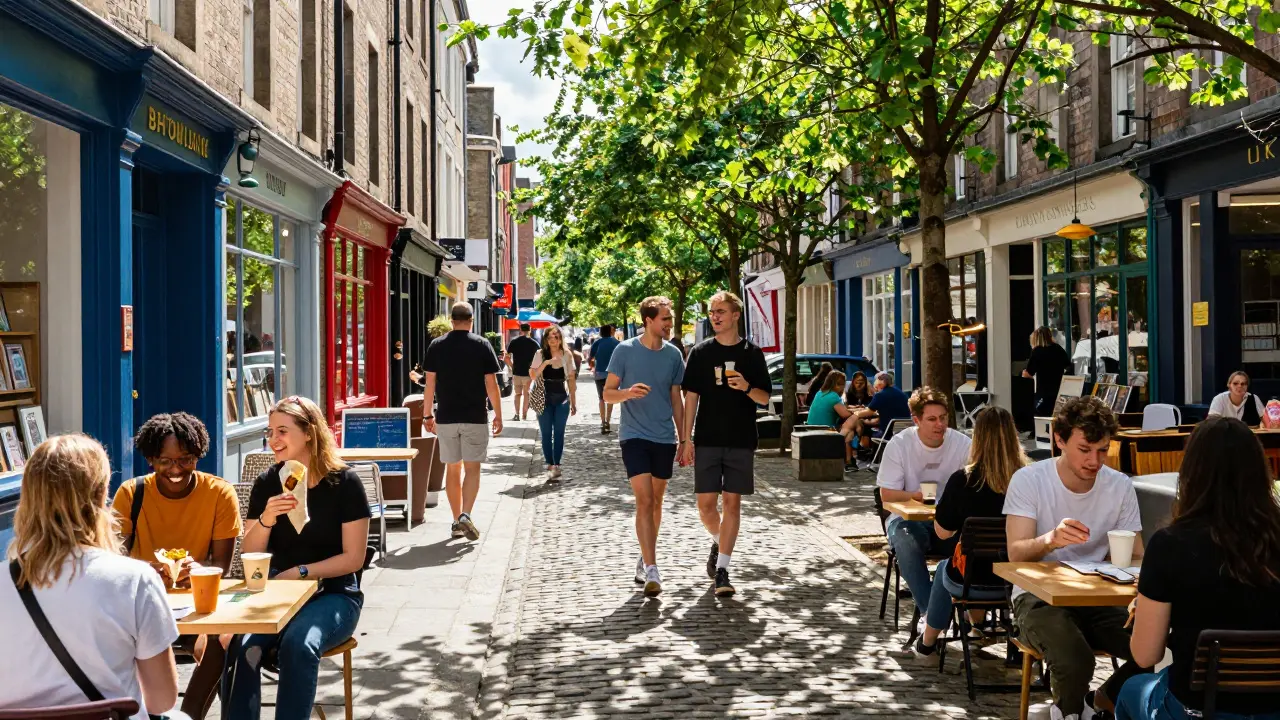
Cross the river or take the subway west, and you enter a completely different world. The West End is a leafy, artistic district centered around Byres Road and Ashton Lane, famous for its eclectic mix of cafes, international eateries, and vintage shops feels more like a village than a city center. Tree-lined streets give way to cobblestone lanes filled with bookshops, record stores, and some of the friendliest people you will meet. The food here reflects the area’s history as a hub for students, artists, and immigrants. It is diverse, affordable, and deeply rooted in community.
You won’t find many white-tablecloth restaurants in the West End. Instead, you will discover hole-in-the-wall spots that have been serving the same recipe for decades. Head to Ashton Lane, a pedestrian-only street that bursts with life on weekends. Here, you can grab a falafel wrap from a family-run stall, sip Ethiopian coffee brewed in traditional ceremonies, or enjoy a hearty bowl of pho from a Vietnamese restaurant tucked away in a basement. The diversity is staggering. One block over from an Italian gelato shop, you might find a Caribbean jerk chicken joint. This variety makes the West End perfect for lunch breaks, casual dates, or exploring new cuisines without breaking the bank. Many places operate on a first-come, first-served basis, so be prepared to queue-but the wait is usually worth it.
- Best for: Casual lunches, student budgets, cultural exploration.
- Vibe: Relaxed, eclectic, friendly.
- Must-try: Falafel wraps, Ethiopian injera, artisanal coffee.
Merchant City: Historic Elegance Meets Modern Dining
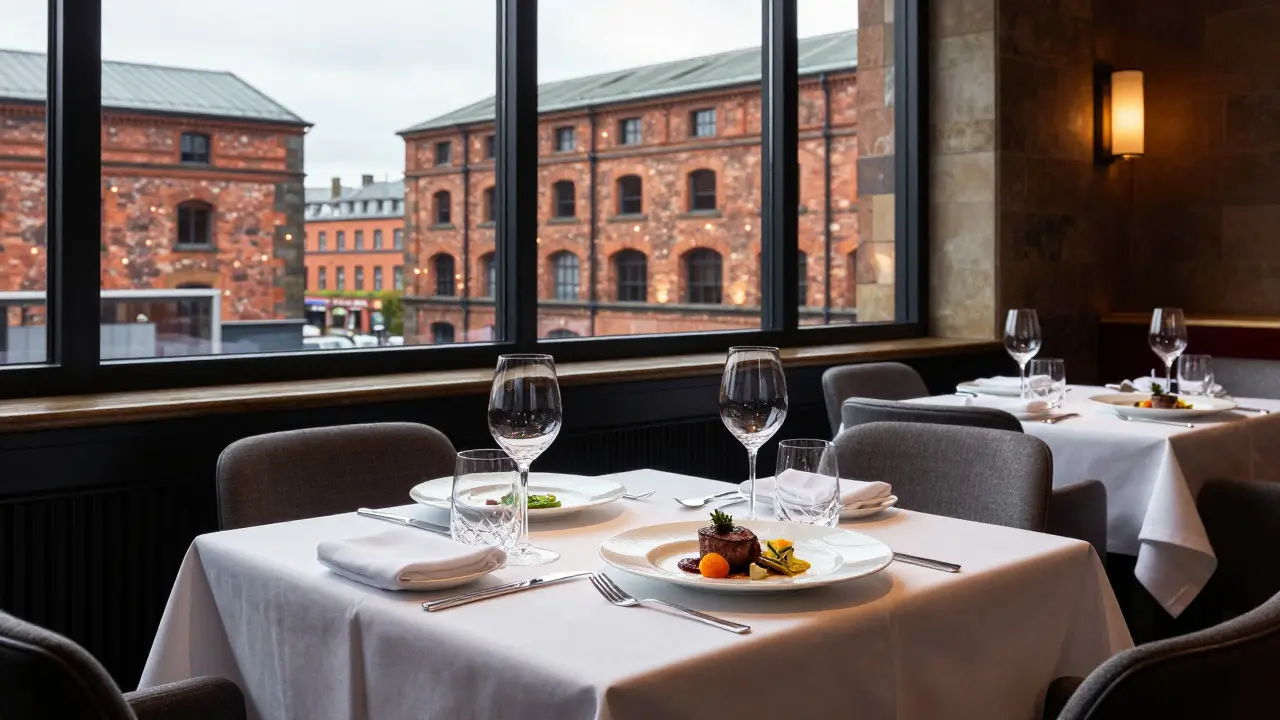
Now head back toward the city center, but stay slightly east. Merchant City is a regenerated warehouse district near George Square, offering a blend of historic architecture, luxury hotels, and sophisticated dining options looks like something out of a period drama. Red brick warehouses now house design studios, art galleries, and some of Glasgow’s most elegant restaurants. This area caters to business travelers, tourists staying at nearby boutique hotels, and locals who appreciate a quieter, more refined atmosphere. It is less about the rush and more about the experience.
Dining in Merchant City often means booking ahead. The restaurants here tend to focus on seasonal menus that change weekly based on what is available from Scottish farmers and foragers. You might start with a soup made from root vegetables harvested in the Highlands, followed by venison loin cooked over open flames, and finish with a dessert featuring heather honey and cranberries. The presentation is artistic, and the service is attentive. While it is pricier than the West End, the value lies in the quality of the produce and the ambiance. Many venues also offer excellent wine lists curated by sommeliers who can pair bottles perfectly with your meal. If you want to feel like you are dining in a European capital, Merchant City delivers that sophistication without the stuffiness.
- Best for: Business meals, special occasions, fine dining enthusiasts.
- Vibe: Sophisticated, quiet, historic.
- Must-try: Seasonal tasting menus, Highland game, premium wines.
| Feature | Finnieston | West End | Merchant City |
|---|---|---|---|
| Average Price Level | High (£££) | Low to Medium (£-££) | Medium to High (££-£££) |
| Primary Cuisine Focus | Seafood, Modern European | International, Street Food | Seasonal, Fine Dining |
| Atmosphere | Trendy, Lively | Bohemian, Casual | Elegant, Quiet |
| Reservation Needed? | Yes, highly recommended | Rarely, walk-ins welcome | Yes, especially for dinner |
| Best Time to Visit | Evening (7 PM - 10 PM) | Lunch (12 PM - 3 PM) | Dinner (6 PM - 9 PM) |
How to Choose Your Next Meal
So, which neighborhood should you pick? It depends entirely on what you are looking for. If you have a budget and want to celebrate a milestone, head to Finnieston. Book a table at a riverside bistro, order the chef’s tasting menu, and soak in the view of the Clyde at sunset. The investment is higher, but the memories-and the flavors-will last longer. On the other hand, if you are traveling light and want to explore authentic tastes, spend your afternoon wandering through the West End. Grab a coffee, try a dish you’ve never heard of, and chat with the owner. You’ll learn more about Glasgow’s culture here than in any museum.
For those seeking balance, Merchant City offers a middle ground. It is accessible from the city center via a short walk or tram ride. You can enjoy a leisurely lunch after visiting Kelvingrove Art Gallery and then stroll through the nearby gardens. The key is to plan ahead. Finnieston and Merchant City fill up quickly, especially on weekends. Use online reservation systems or call directly. In the West End, timing is everything. Go during off-peak hours to avoid queues, or embrace the wait as part of the experience. Remember, Glasgow’s food scene thrives on hospitality. Don’t be afraid to ask staff for recommendations-they often know the hidden gems better than any guidebook.
Practical Tips for Eating Like a Local
To get the most out of your culinary tour, keep these tips in mind. First, check opening times. Many popular spots in the West End close early on Sundays, while Finnieston venues may stay open late for drinks. Second, consider transportation. All three areas are well-connected by public transit, but walking between them allows you to discover unexpected treats along the way. Third, support local producers. Look for menus that highlight specific farms or fisheries. This not only ensures fresher ingredients but also contributes to the local economy. Finally, don’t skip breakfast. Glasgow has a thriving brunch scene, particularly in the West End and Southside, where you can find everything from full Scottish breakfasts to vegan avocado toast.
Whether you are a resident or a visitor, exploring these three neighborhoods will transform your understanding of Scottish food. It is no longer just about haggis and whisky-it is about innovation, diversity, and passion. Each bite tells a story of migration, industry, and creativity. So lace up your comfortable shoes, bring an empty stomach, and let Glasgow feed your soul.
Which Glasgow neighborhood is best for vegetarians?
The West End is ideal for vegetarians due to its diverse range of international cuisines, including Indian, Middle Eastern, and Asian options that naturally feature plant-based dishes. Many cafes also offer extensive vegan menus.
Do I need to make reservations in Finnieston?
Yes, absolutely. Popular restaurants in Finnieston often book out weeks in advance, especially for weekend dinners. Calling ahead or using online booking platforms is essential to secure a table.
Is Merchant City safe to walk around at night?
Yes, Merchant City is generally safe and well-lit. It is close to the city center and frequently patrolled. However, as with any urban area, it is wise to stay aware of your surroundings and stick to main streets.
What is the typical cost of a meal in each area?
In the West End, expect to pay £10-£15 per person for lunch. Merchant City ranges from £20-£40 for a main course, while Finnieston can exceed £50 per person for a full dinner with drinks.
Are there any free food tours available in Glasgow?
While fully free tours are rare, some companies offer "pay-what-you-want" or tip-based walking tours that include tastings. Alternatively, you can create your own self-guided tour using maps and reviews from these three neighborhoods.