
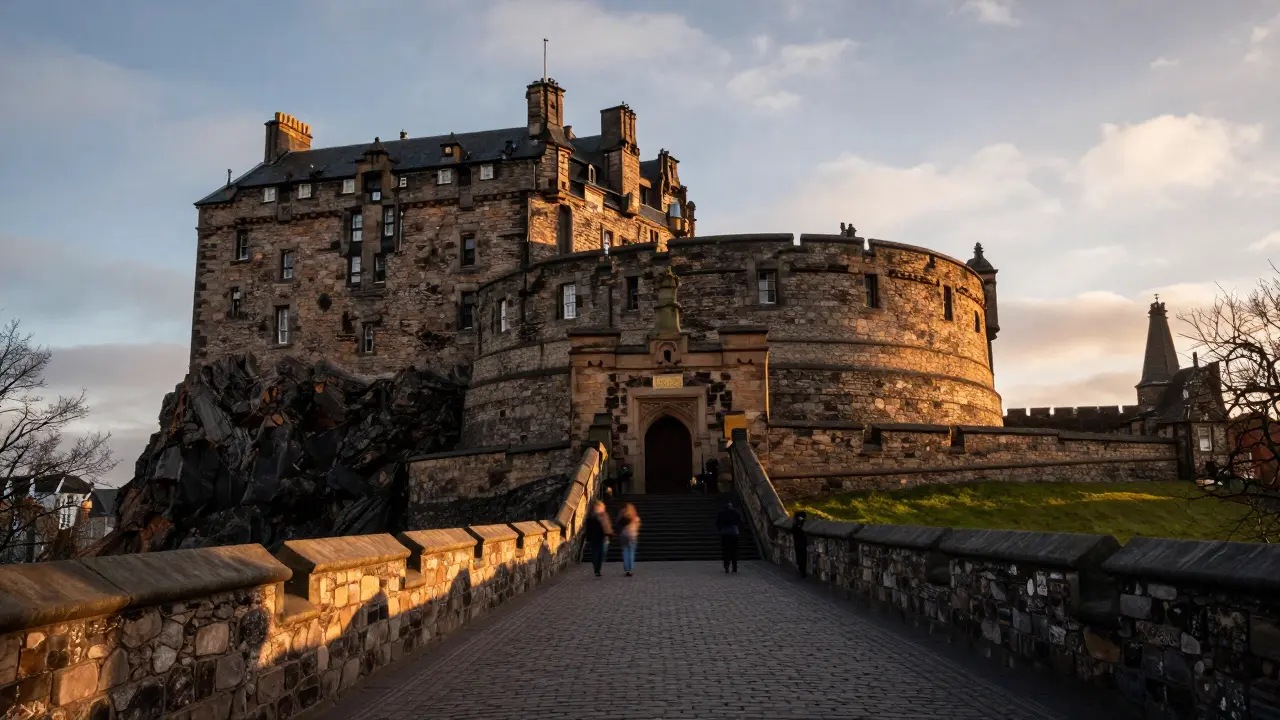
There is a moment when the basalt rock of Edinburgh Castle comes into view from the bottom of the Royal Mile, and you realize why it has dominated this skyline for over a thousand years. It doesn't just sit on Castle Rock; it looms. For millions of visitors every year, this fortress is the first face they see of Scotland. But walking up those steep steps without a plan can turn a majestic experience into a sweaty, crowded scramble.
I’ve spent decades exploring the Scottish landscape, often starting my journeys here in Dundee before heading south to the capital. I’ve seen the castle in the golden light of a summer morning and shrouded in the thick fog of a winter afternoon. The difference between a good visit and a great one isn’t luck-it’s preparation. This guide cuts through the noise to give you the practical details you need for 2026: how to get your ticket, when to go, and exactly what you should look for once you’re inside the walls.
Buying Tickets: Skip the Queue Strategy
The biggest mistake tourists make is assuming they can just walk up and buy a ticket at the gate. While technically possible, this strategy fails during peak season (April to October). The queue for the ticket office can stretch back down the Esplanade and take over an hour. Your time is better spent seeing the sights, not standing in line.
You need to book online in advance. The official site allows you to select a specific entry time slot. This is crucial because the castle manages crowd flow strictly. If you arrive outside your booked window, you might be turned away or forced to wait until the next available slot opens up.
| Ticket Type | Approximate Price | Best For |
|---|---|---|
| Adult General Admission | £19.50 - £21.00 | Standard visitors who want full access |
| Child (5-15) | £9.70 - £10.50 | Families with older kids |
| Family Ticket (2 Adults + 2 Children) | £58.00 - £62.00 | Saving money on group visits |
| Audio Guide Add-on | £4.00 | History buffs who want context |
Note that prices fluctuate slightly based on demand and booking lead time. Booking further out usually secures the lower end of the price range. Also, consider adding the audio guide. It’s not just a recording; it’s a curated narrative that helps you connect the stones to the stories of Mary Queen of Scots and the Jacobite risings.
Opening Hours and Seasonal Variations
Understanding the operating schedule is vital. The castle does not open at sunrise, despite the early light hitting the ramparts. In 2026, the standard hours are:
- Summer (Late March to Late October): Open daily from 9:30 AM to 6:00 PM. Last entry is typically at 5:00 PM.
- Winter (Late October to Late March): Open daily from 9:30 AM to 4:30 PM. Last entry is at 3:30 PM.
However, there are exceptions. The castle closes on Christmas Day (December 25) and Boxing Day (December 26). During these days, the grounds are quiet, but the historic buildings are locked. If you are visiting in late December, check the official calendar before heading up.
A pro tip for avoiding crowds: aim for the 9:30 AM slot if you can. Most tour buses don’t arrive until 10:30 AM or later. You’ll have the Great Hall almost to yourself for the first twenty minutes. Alternatively, the last hour before closing (after 4:30 PM in winter, 5:00 PM in summer) sees a significant drop in visitor numbers as day-trippers head back to their hotels.
What to Expect Inside: A Route Through History
Walking through the main gatehouse, you enter a world where military history and royal heritage collide. The layout is somewhat labyrinthine, so having a mental map helps. Here are the four pillars of any visit to Edinburgh Castle.
The Stone of Destiny
Located in the Crown Room, the Stone of Destiny (or Lia Fail) is more than a prop. This ancient sandstone block was used for centuries to coronate Scottish monarchs. It was taken to England by Edward I in 1296 and returned to Scotland in 1996. Seeing it behind glass feels like touching the soul of the nation. The room also houses the Honours of Scotland-the country’s crown jewels. They are smaller and less ornate than the British Crown Jewels in London, but their historical weight is immense.
St. Margaret’s Chapel
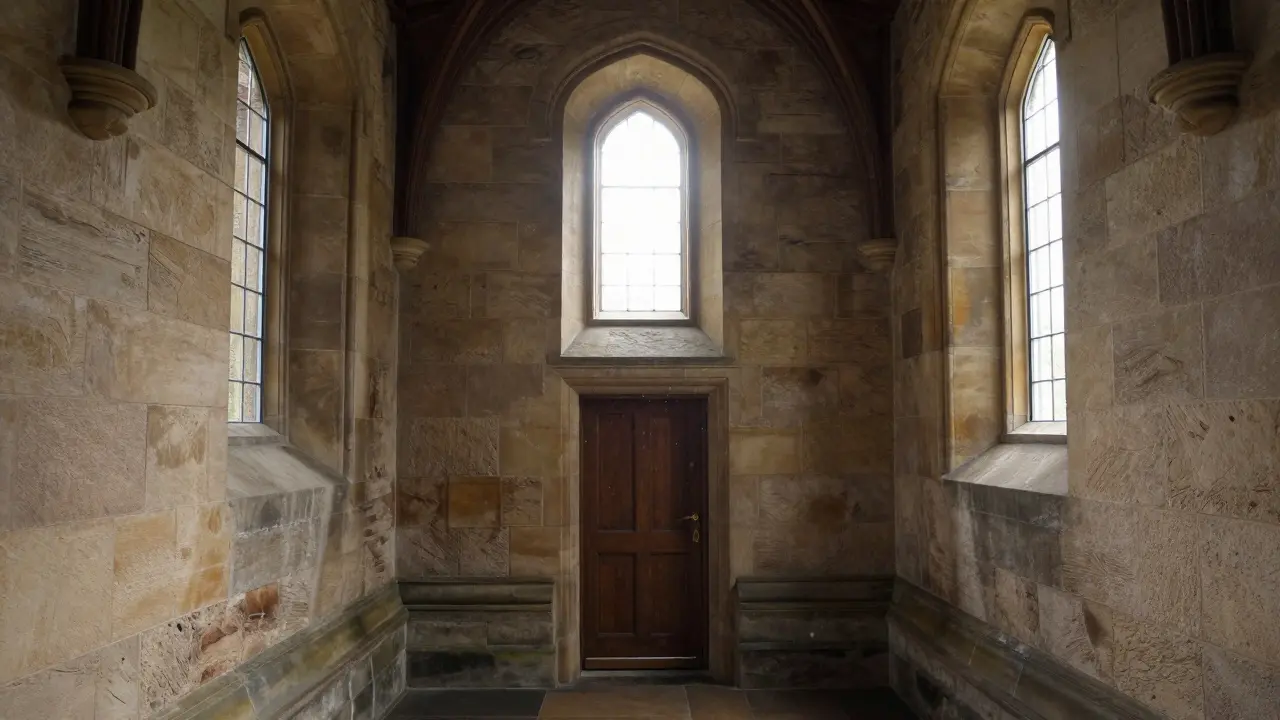
This is the oldest building in Edinburgh, dating back to around 1130. It’s tiny-barely big enough to hold a dozen people-and simple in design. There are no stained-glass windows or elaborate altars. Just rough stone and silence. It serves as a poignant reminder of the castle’s origins as a place of worship before it became a fortress of war. It’s a peaceful pause in an otherwise busy itinerary.
The Great Hall
If you love medieval architecture, this is your highlight. The hammerbeam roof is a masterpiece of carpentry, built without nails. The hall hosts concerts and events, but even on quiet days, the acoustics are striking. Look up at the intricate wooden beams; they have survived fires, sieges, and centuries of weathering. It’s a testament to the skill of 16th-century craftsmen.
Mons Meg
No visit is complete without seeing Mons Meg. This massive bombard cannon was a gift from King James II of Scotland to the Bishop of Orkney. It’s huge, intimidating, and occasionally fired for ceremonial occasions. Standing next to it gives you a visceral sense of the firepower that defended the castle in earlier centuries. It’s also a popular photo spot, so expect a few people trying to fit themselves into the frame.
Navigating the Crowds and Accessibility
Let’s be honest: Edinburgh Castle gets crowded. Very crowded. The narrow pathways between the barracks and the chapel can become bottlenecks. If you are sensitive to tight spaces or large groups, plan accordingly.
Accessibility has improved significantly in recent years. There are ramps and lifts available for visitors with mobility issues. The main entrance has a level access route via the Esplanade. However, some parts of the castle, particularly the lower levels of the magazine and certain staircases in the older buildings, remain challenging. If you require wheelchair access, contact the visitor services team beforehand to arrange assistance. They are generally very helpful and can provide tailored routes.
For families with young children, the castle offers a "Passport" activity booklet. Kids can stamp their passport at various locations as they explore. It turns a potentially boring history lesson into a treasure hunt. Bring snacks too. Food options inside are limited and expensive. A sandwich bought in the city center will save you both money and time.

Beyond the Walls: The View and the Surroundings
Once you’ve seen the exhibits, step outside onto the Esplanade. The panoramic view across Edinburgh is arguably worth the admission price alone. To the north, you see the modern city spreading out toward the Firth of Forth. To the south, the Old Town’s spires and tenements cascade down the valley. On a clear day, you can see the North Sea horizon.
Don’t rush off immediately after exiting. The area around the castle is rich with history. Walk down the Royal Mile to see St. Giles’ Cathedral. Explore the hidden closes (alleys) that branch off the main street. Each one tells a different story of plague, poverty, and resilience. The castle is the anchor, but the Old Town is the chain that holds it all together.
Practical Tips for a Smooth Visit
- Wear comfortable shoes: The ground is uneven cobblestone and steep slopes. Heels or smooth-soled sneakers will slip.
- Check the weather: Scottish weather changes fast. A waterproof jacket is essential, even in July. Wind speeds on the rock can be high.
- Bring ID: You’ll need to show the confirmation email or digital ticket on your phone. Ensure your phone is charged.
- Avoid weekends: If your schedule allows, visit on a Tuesday or Wednesday. Weekends are packed with domestic tourists and international cruise ship passengers.
- Combine with other attractions: Consider a combined ticket with Holyrood Palace or the National Museum of Scotland if you plan to visit multiple sites. It saves money and simplifies planning.
Visiting Edinburgh Castle is not just about checking a box on a travel list. It’s about stepping into a living museum where every stone has a story. With the right ticket, timing, and mindset, you’ll leave with more than just photos-you’ll leave with a deeper understanding of Scotland’s complex past.
Can I bring food and drink into Edinburgh Castle?
Yes, you can bring small snacks and water bottles. However, large picnic baskets or coolers are discouraged due to space constraints. There are cafes inside, but they are pricey. It’s best to eat a substantial meal before entering and bring a bottle of water.
Is Edinburgh Castle free for seniors?
No, there is no free entry for seniors. However, discounted rates are available for visitors aged 65 and over. You must present valid proof of age, such as a passport or senior citizen card, at the entrance.
How long does it take to see Edinburgh Castle?
Most visitors spend between 1.5 to 2.5 hours inside. If you are interested in history and want to read all the plaques or use the audio guide, plan for closer to 3 hours. Rushing through in under an hour means missing key details.
Are there lockers available at Edinburgh Castle?
Yes, there are coin-operated lockers near the entrance. This is useful if you want to store coats, umbrellas, or bags while exploring. Note that large backpacks may need to be checked in regardless of locker availability.
Is Edinburgh Castle safe at night?
The castle itself is closed at night, but the surrounding area, including the Royal Mile, is generally safe. However, like any major tourist destination, petty crime can occur. Keep your valuables secure and stay in well-lit areas if you are out late.
Comments (15)
-
Lisa Puster June 9, 2026
honestly this guide is full of generic tourist fluff that anyone with a basic brain can figure out but i suppose the masses need handholding to navigate a simple fortress booking system
the prices are inflated garbage and the audio guide is just corporate propaganda designed to keep you inside paying for overpriced coffee instead of actually engaging with the history yourself
people who follow these 'pro tips' are usually the ones clogging up the narrow pathways complaining about the crowds they created by all arriving at 9:30 am like sheep

-
Joe Walters June 10, 2026
omg u guys are so mean lol but seriously tho edinburgh castle is amazing and if u dont buy tickets online ur gonna regret it trust me i learned that the hard way last summer when i stood in line for like two hours in the rain
also mons meg is huge like really huge and scary looking not sure why people make fun of it its a cool cannon from the 15th century or whatever
anyway thanks for the tips on shoes cause my feet were killing me walking on those cobblestones and i almost slipped twice so wear proper boots next time ok?

-
Michael Richards June 10, 2026
You are wasting your time reading this if you do not respect the historical significance of the site. The Stone of Destiny is not a 'prop' as some might casually dismiss it, it is a sacred symbol of sovereignty that has been contested for centuries.
If you cannot appreciate the gravity of standing where kings were crowned then perhaps tourism is not for you. The author correctly identifies the logistical challenges but fails to emphasize the spiritual weight of St Margaret's Chapel which should be treated with absolute reverence rather than just another photo op.

-
Keith Barker June 11, 2026
the stone is just rock
the crown is just metal
the castle is just stone stacked on other stone
we project meaning onto these objects because we fear our own insignificance in the face of time
visiting the castle does not connect you to history it only connects you to the commercialization of memory
yet we go anyway because we crave the illusion of permanence

-
Edward Nigma June 12, 2026
Actually the entire narrative presented here is deeply flawed and ignores the colonial context of the site
The idea that the Stone of Destiny was 'returned' in 1996 is a PR stunt by the British government to appease Scottish nationalism without giving up real power
Furthermore the claim that the castle is safe at night is misleading given the rise in petty crime in Edinburgh which is directly correlated with the overtourism encouraged by guides like this one
You are being manipulated into spending money on a sanitized version of history that erases the violence and displacement inherent in the construction and maintenance of such fortresses

-
Marissa Haque June 14, 2026
Oh my goodness!!! This is exactly what I needed!!! I was so worried about the crowds and the lines and everything!!
I love the tip about going early in the morning!!! It makes so much sense to beat the tour buses!!! And the part about bringing snacks is genius because I hate spending money on expensive food when I could just have a sandwich from home!!!
Thank you so much for sharing this!!! It really helps to know what to expect!!! I am so excited to visit Edinburgh Castle now!!!

-
Francis Laquerre June 15, 2026
As someone who has lived in Scotland for many years I can confirm that the advice regarding weather is absolutely critical
The wind on Castle Rock can be brutal even in summer and seeing visitors caught off guard without jackets is common
I would also add that the view from the Esplanade is best appreciated during sunset when the light hits the Old Town buildings in a golden hue
It is a privilege to witness such a well-preserved piece of European history and treating it with respect enhances the experience for everyone involved

-
Edward Gilbreath June 16, 2026
they want you to think you need to book online but its a scam to control the flow of people
the real reason they limit entry times is to keep the local population away and prioritize foreign tourists who spend more money
i went once and saw guards checking phones aggressively while locals were ignored
its all about surveillance and control disguised as crowd management

-
Andrea Alonzo June 18, 2026
I completely understand the frustration some people feel regarding the crowds and the cost of admission because it can be overwhelming to navigate such a popular destination especially if you are traveling with family or have mobility issues which is why I always recommend planning ahead not just for the tickets but for your physical comfort as well
Bringing water and snacks is not just about saving money but about ensuring that you stay hydrated and energized throughout your visit which allows you to fully engage with the exhibits and take breaks when needed without feeling rushed or anxious about finding food options inside the castle grounds which are often limited and pricey
Additionally taking the time to read the plaques or using the audio guide can provide a deeper connection to the stories behind the stones making the experience more meaningful and memorable for everyone involved regardless of their background or interests

-
Saranya M.L. June 19, 2026
The logistical framework outlined in this guide is suboptimal for high-efficiency travel protocols
While the ticket pricing structure appears standard for heritage sites in the UK region the failure to mention dynamic pricing algorithms used by major attractions is a significant oversight
Furthermore the accessibility information lacks granularity regarding specific elevator locations which is crucial for individuals with disabilities requiring precise navigation data
However the emphasis on avoiding peak hours aligns with general crowd dynamics theory suggesting that temporal displacement strategies are effective for optimizing visitor experience metrics

-
om gman June 19, 2026
lol look at all these americans acting like they discovered europe
you think buying a ticket makes you part of the history? nah you're just a wallet with legs walking through a theme park built on bones
and don't get me started on the 'sacred' stone its just a rock they stole back after centuries of keeping it locked away in london like a trophy
next time bring an umbrella and try not to trip over your own ignorance while pretending to understand scottish culture

-
kimberly de Bruin June 20, 2026
history is a mirror
we see what we want to see
the castle stands silent while we argue over its meaning
some see oppression others see romance
perhaps the truth lies in the silence between the words
in the space where the wind blows across the rock
and no one is watching

-
Stephanie Frank June 20, 2026
this article is basically useless because it doesn't address the actual pain points of visiting edinburgh castle which is the sheer volume of incompetent tourists who block every doorway and refuse to move aside
also the suggestion to bring comfortable shoes is obvious and stating the obvious doesn't help anyone
i wish there was more info on how to avoid the selfie sticks and influencers who treat historic sites like instagram backdrops instead of respecting the solemnity of places like st margaret's chapel
it's pathetic how little regard people have for shared spaces nowadays

-
michael rome June 20, 2026
It is important to approach this topic with a clear understanding of the cultural significance of Edinburgh Castle and the responsibilities that come with visiting such a landmark
While the practical advice provided is helpful it is equally important to remember that we are guests in a place rich with history and tradition
Therefore I encourage all readers to prepare not only logistically but also mentally by educating themselves on the key events and figures associated with the castle before their visit
This will enhance your appreciation and ensure that you contribute positively to the preservation of this heritage site for future generations

-
Robert Barakat June 20, 2026
the architecture speaks
the stones remember
we walk through them briefly
then leave them to the rain
there is a quiet dignity in the great hall
a stillness in the chapel
most miss it
too busy counting steps
or checking phones
look up
listen
be present
