
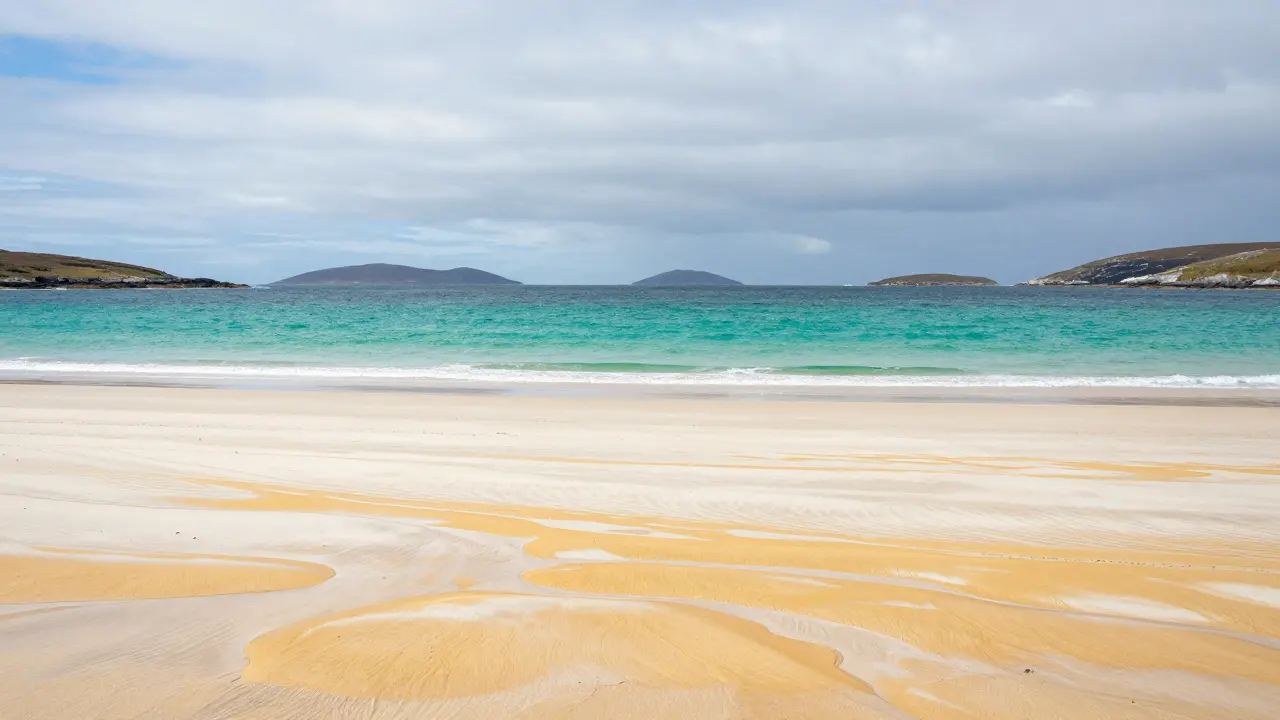
Picture this: you step out of your car, the air smells like salt and heather, and then you see it. A stretch of sand so white it looks like crushed quartz, meeting water that isn't just blue-it’s a glowing, impossible turquoise. This isn’t the Caribbean. It’s Luskentyre Beach, located on the western coast of the Isle of Harris in the Outer Hebrides, Scotland. For years, travelers have whispered about this place as one of the most beautiful stretches of coastline in Europe. But beauty comes with a price tag here-not in pounds, but in patience, planning, and respect for the wild landscape.
If you’re dreaming of visiting Luskentyre, you need more than just a pretty postcard image. You need to know how to get there without getting stuck in mud, when to go to avoid a sea of tents, and what to pack when the wind decides to blow sideways. I’ve spent time exploring the rugged edges of Scotland, from the cliffs of Fife to the remote isles of the west, and let me tell you-Harris is different. It demands preparation.
Why Luskentyre Stands Out Among Scottish Beaches
Most people think of Scotland’s beaches as grey, rocky, and chilly. And sure, many are. But Luskentyre defies that stereotype entirely. The sand here is fine, pale, and warm underfoot, even in late spring. The water? Clear enough to see your feet at low tide, shimmering with shades of aquamarine and jade. What makes this happen? It’s not magic-it’s geology.
The white-gold sand comes from ancient coral reefs and limestone deposits carried north by glaciers thousands of years ago. These minerals reflect sunlight differently than typical Scottish sands, giving the beach its luminous quality. Meanwhile, the shallow bay protects the shoreline from strong Atlantic swells, allowing calm, crystal-clear waters to pool near the shore. Add in the distant backdrop of the Small Isles, including Bàgh Mòr and other small islands visible across the horizon, and you’ve got a scene that feels plucked from a tropical brochure.
But don’t be fooled into thinking this is a relaxed sunbathing spot. Luskentyre is exposed. The wind can pick up quickly, especially in the afternoons. Temperatures rarely climb above 15°C (59°F) even in July. So while the visuals scream paradise, the reality requires layers, sturdy shoes, and a sense of adventure.
How to Get to Luskentyre: Step-by-Step Directions
Getting to Luskentyre isn’t complicated if you know the route-but it does require driving skills beyond city commuting. Here’s exactly how to plan your journey:
- Start from Uig or Stornoway: Most visitors arrive via ferry to either Uig (on Lewis) or Stornoway. From Uig, take the A889 south toward Tarbert. If coming from Stornoway, head east on the A865 before turning onto the A889.
- Drive through Harris: Follow the A889 past the villages of Brora and Tarbert. Keep an eye out for signs pointing to “Luskentyre” or “Beach.” There won’t be many buildings-just open moorland and sheep grazing.
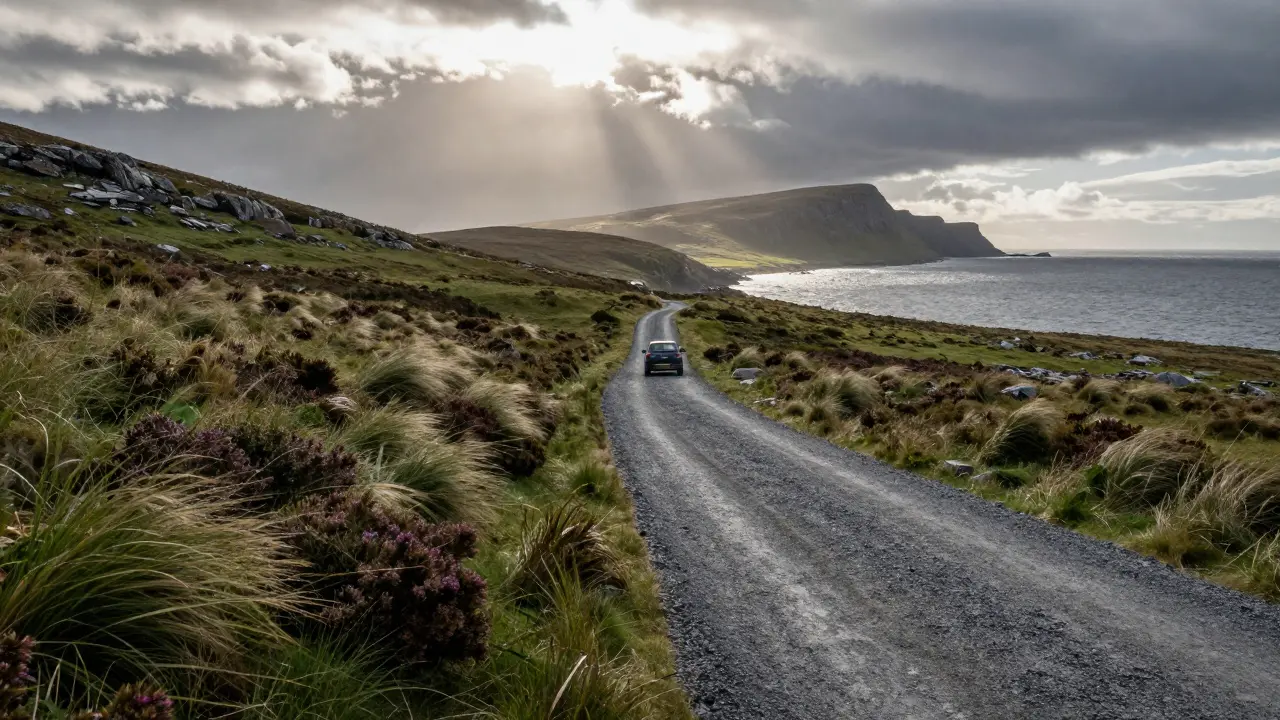
- Turn off onto the minor road: About 3 miles south of Tarbert, look for a narrow single-track road heading west. This is B8075. It’s unpaved in sections and prone to potholes, so slow down.
- Navigate the final approach: The last mile is rough gravel. In wet conditions, it turns to sludge. Four-wheel drive helps, but isn’t mandatory if you drive carefully. Park only in designated areas-never block gates or driveways.
- Walk to the beach: From the main car park, it’s a short walk downhill to the dunes. Stay on marked paths to protect fragile vegetation.
Pro tip: Use GPS apps like Waze or Google Maps, but double-check directions locally. Cell service drops in parts of Harris, so download offline maps beforehand.
When to Visit: Best Times and Seasons
You might assume summer is best-and technically, yes, June through August offers the longest days and mildest weather. But those months also bring crowds. By midday, the car park fills up, and finding space becomes stressful. Worse, the beach itself gets packed with day-trippers, making solitude nearly impossible.
Here’s the smarter play: visit in May or September. The light is softer, perfect for photography. The temperature hovers around 12-14°C (54-57°F), which is cool but manageable with proper clothing. Fewer tourists mean quieter trails and better chances of spotting wildlife like seals basking on nearby rocks.
Avoid October through April unless you’re prepared for storms. Strong winds, heavy rain, and high tides make access dangerous. Some roads close temporarily during severe weather events. Always check local forecasts before heading out.
| Month | Weather Conditions | Crowd Level | Recommendation |
|---|---|---|---|
| May | Mild, occasional rain | Low | Ideal for photos & peace |
| June | Warmest, long daylight | Medium-High | Good, but book early |
| July-August | Pleasant, sunny spells | Very High | Avoid weekends |
| September | Cooler, crisp air | Low-Medium | Great for hiking & solitude |
| Oct-April | Stormy, cold, windy | Very Low | Not recommended |
What to Pack for Your Day at Luskentyre
This isn’t a beach where you throw on swimwear and lie back. Even in summer, packing smart means comfort and safety. Here’s what you actually need:
- Layered clothing: Start with moisture-wicking base layers, add fleece or wool mid-layers, and finish with a waterproof windbreaker. Temperatures shift fast.
- Sturdy footwear: Sandals won’t cut it. Bring closed-toe shoes with grip for walking over uneven terrain and slippery rocks.
- Windproof jacket: Essential. Gales can hit without warning, turning pleasant walks into shivering ordeals.
- Sun protection: Yes, sunscreen. The sun reflects strongly off the white sand, increasing UV exposure. Hats and sunglasses help too.
- Snacks and water: No shops nearby. Bring enough food and drinks for a full day. Canteens fill up fast.
- Bin bags: Take everything back with you. Leave no trace. Respect the environment.
Don’t forget a power bank. Charging ports aren’t available, and taking photos drains batteries faster than expected.
Responsible Travel: Protecting Luskentyre’s Beauty
Luskentyre is stunning because it remains largely untouched. But popularity threatens that balance. Overcrowding damages dune systems, litter pollutes the shore, and reckless driving harms local communities. As visitors, we hold responsibility.
Follow these rules strictly:
- No camping overnight: Wild camping is prohibited here. Designated sites exist elsewhere in Harris-use them instead.
- Stay on paths: Dune grass holds soil together. Trampling destroys ecosystems that took centuries to form.
- Park legally: Illegal parking blocks emergency vehicles and angers residents. Pay fees if required.
- Keep dogs leashed: They scare seabirds nesting in colonies nearby. Disturbance affects breeding cycles.
- Take trash home: Plastic bottles, wrappers, cigarette butts-all must leave with you. Nature doesn’t clean up human mess.
Local groups monitor visitor behavior closely. Violations result in fines. Don’t risk ruining someone else’s experience-or your own reputation.
Alternatives Nearby: Other Hidden Gems in Harris
If Luskentyre feels too crowded or inaccessible, explore alternatives within driving distance. Each offers unique charm without sacrificing natural beauty.
- Risavagh Sands: Located further north on Harris, this lesser-known beach boasts similar golden sands and fewer visitors. Great for quiet reflection.
- Orbay Bay: Near Tarbert, this sheltered cove provides safe swimming spots and picnic areas. Family-friendly option.
- Kinloch Hourn: Not a beach, but worth mentioning. A dramatic glacial loch surrounded by mountains. Perfect for kayaking or scenic drives.
Each destination complements Luskentyre rather than competing with it. Combine them into a multi-day itinerary for deeper exploration.
Frequently Asked Questions
Is Luskentyre Beach free to enter?
Yes, entry to Luskentyre Beach is free. However, parking may require payment depending on current regulations. Check local notices upon arrival.
Can I camp overnight at Luskentyre?
No, wild camping is strictly prohibited at Luskentyre due to environmental concerns. Use authorized campsites in Harris instead.
What should I wear to Luskentyre in summer?
Even in summer, dress warmly. Wear layered clothing, including a windproof jacket, sturdy shoes, and sun protection. Avoid lightweight summer attire alone.
Are there facilities at Luskentyre Beach?
Basic facilities include toilets and a small café operated seasonally. No fuel stations, supermarkets, or medical services are available onsite.
How far is Luskentyre from Stornoway?
Approximately 40 miles (64 km). Driving takes about 1 hour via the A889 and B8075 routes. Allow extra time for rural road conditions.
Is Luskentyre suitable for families with young children?
Yes, but caution advised. Shallow waters allow safe wading, but currents can be unpredictable. Supervise kids closely and avoid isolated sections.
What wildlife can I expect to see at Luskentyre?
Common sightings include grey seals, puffins, kittiwakes, and various seabirds. Occasionally, dolphins appear offshore during migration seasons.
Do I need four-wheel drive to reach Luskentyre?
Not necessarily, but helpful. Standard cars manage dry conditions fine. Wet weather increases difficulty; consider renting 4WD if unsure.
Where can I find accurate tide times for Luskentyre?
Check official UK Tide Tables online or use mobile apps like Tide Alert. Local harbor masters also provide updated information.
Can I take drones to film Luskentyre?
Drone flights require permission from landowners and adherence to Civil Aviation Authority guidelines. Unauthorized use risks penalties.