
Quick Essentials for Winter Visitors
- Gear: Waterproof boots and layered wool are non-negotiable.
- Driving: 4x4 or winter tires are strongly recommended for single-track roads.
- Timing: Plan for only 6-7 hours of usable light between December and January.
- Safety: Always tell someone your hiking route before heading into the glens.
Navigating the Winter Roads
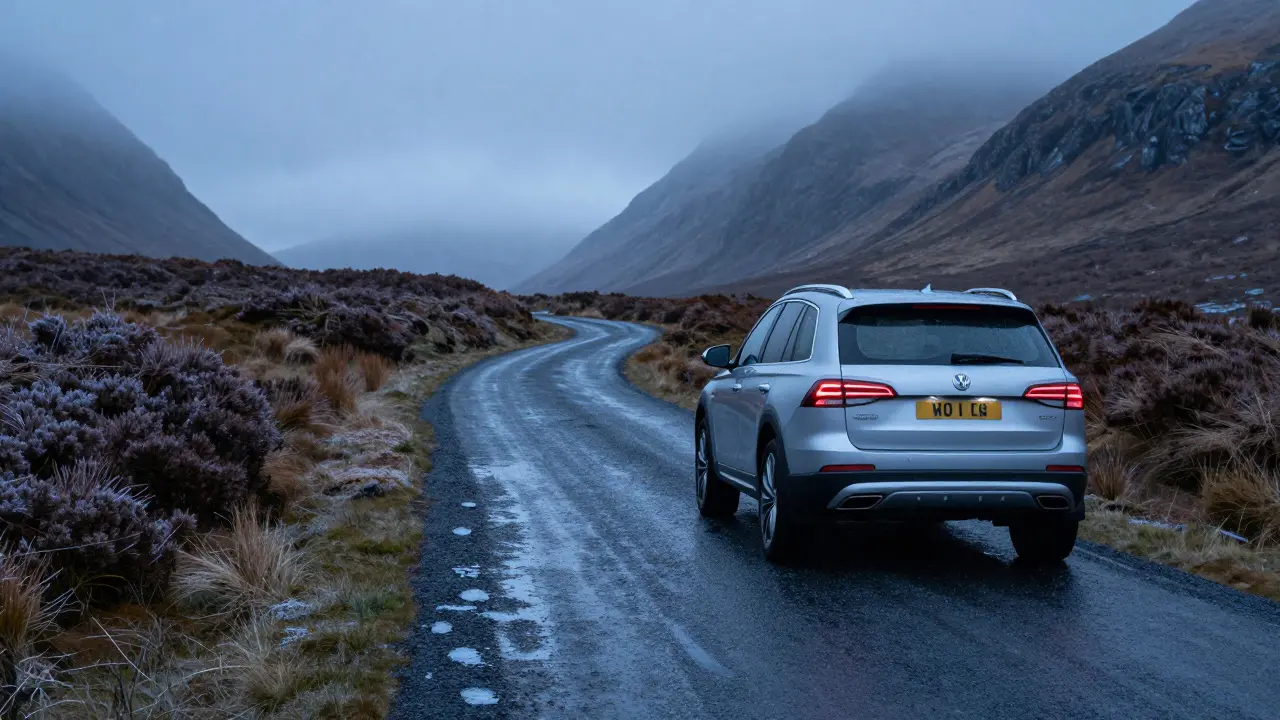
Driving on Isle of Skye is a large island in the Inner Hebrides of Scotland known for its rugged landscapes and dramatic coastlines. In winter, the roads become a game of strategy. Most of the island is connected by single-track roads, which means you'll spend a lot of time pulling into passing places to let others through. When the roads are iced over, these narrow strips become treacherous.
Black ice is your biggest enemy here. It looks like a wet patch on the road but acts like a skating rink. If you see a shimmer on the tarmac during a cold morning, slow down immediately. Many visitors make the mistake of renting a small city car from Glasgow or Edinburgh; while they work fine on the motorway, they struggle on the steep, winding inclines of the Cuillin Mountains area when frost sets in. If you can, opt for a vehicle with All-Wheel Drive (AWD).
Snow drifts are common, especially around the higher passes. While the main roads are usually gritted by Highland Council crews, the smaller roads leading to the Fairy Pools or the Neist Point lighthouse are often left to nature. If you encounter a snowdrift, don't try to power through it if you're in a two-wheel drive-you'll just dig yourself in and end up blocking the only road for miles.
| Gear Type | Effectiveness in Ice | Recommendation | Key Benefit |
|---|---|---|---|
| Summer Tires | Low | Avoid | Cheap but dangerous in frost |
| All-Season Tires | Medium | Acceptable | Better grip on cold wet roads |
| Winter Tires | High | Recommended | Soft rubber grips ice better |
| 4x4 / AWD | Very High | Best Choice | Maximum traction for snowdrifts |
The Battle Against the Short Days
The most shocking part for first-timers is the daylight. In late December, the sun barely makes an appearance, often rising around 8:30 AM and dipping below the horizon by 3:30 PM. This creates a tight window for sightseeing. If you leave your hotel at 9:00 AM and spend two hours driving to the Old Man of Storr, you've already used up a huge chunk of your light.
The trick is to use the "Blue Hour" and "Golden Hour" to your advantage. Because the sun stays low on the horizon even at midday, the light is softer and more directional throughout the day. This is a photographer's dream. Instead of fighting the darkness, plan your day around it. Do your heavy driving during the dim morning hours and be at your destination by 10:00 AM. Spend the midday period exploring the landscape and use the early sunset for atmospheric shots.
Don't forget that the weather changes every ten minutes. A clear sky can turn into a blinding sleet storm in seconds. This unpredictability means you should always carry a headlamp, even if you plan to be back in your car by 4:00 PM. If you get lost on a trail or have a car breakdown, the darkness descends rapidly, and without a light, you are effectively blind in a very dangerous environment.
Photography Advice for the Frozen Highlands
Capturing the Scottish Highlands in winter requires more than just a good eye; it requires a strategy for your equipment. The humidity and salt spray from the Atlantic can wreak havoc on your gear. If you're shooting near the coast, your lens will likely get covered in a fine mist of saltwater. Bring a microfiber cloth and avoid changing lenses in the open wind to keep dust and moisture out of your sensor.
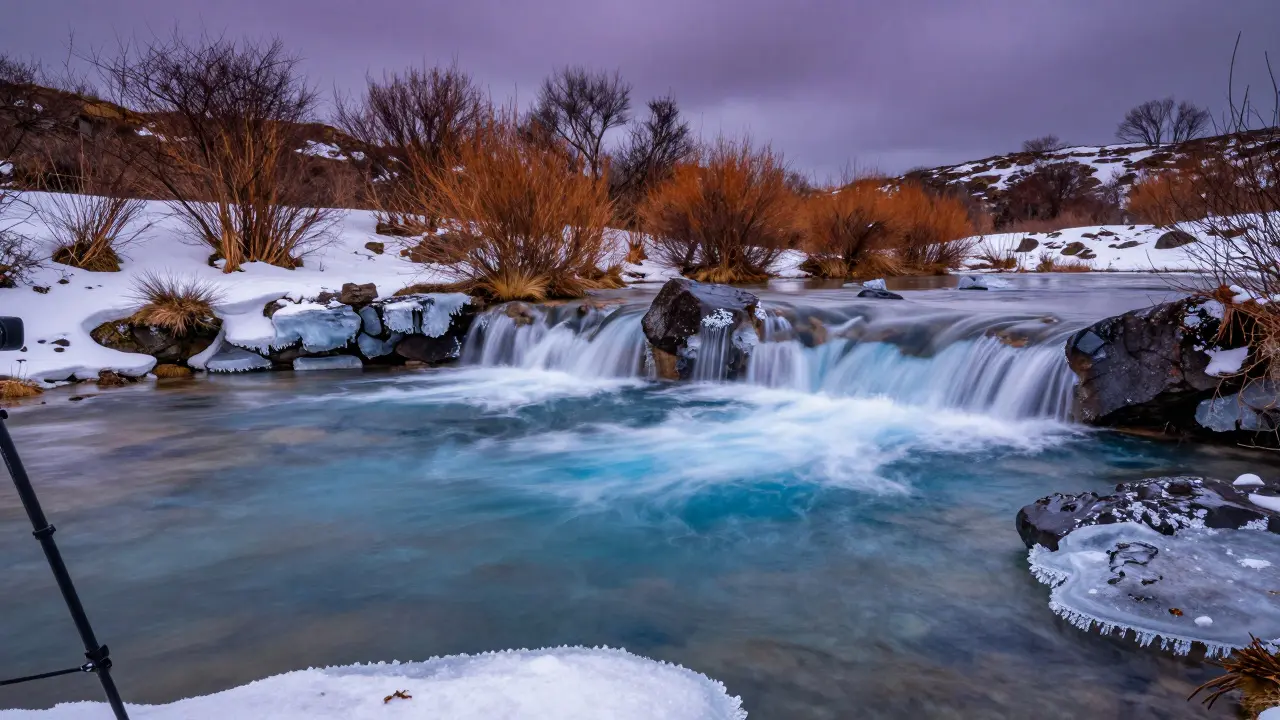
For those looking to capture the dramatic landscapes, use a tripod. The winter light is dim, meaning you'll need slower shutter speeds to get a clean image. To get that silky water effect at the Fairy Pools, use a Neutral Density (ND) filter. This allows you to extend the exposure time without overexposing the image, turning a rushing stream into a soft, ethereal blur.
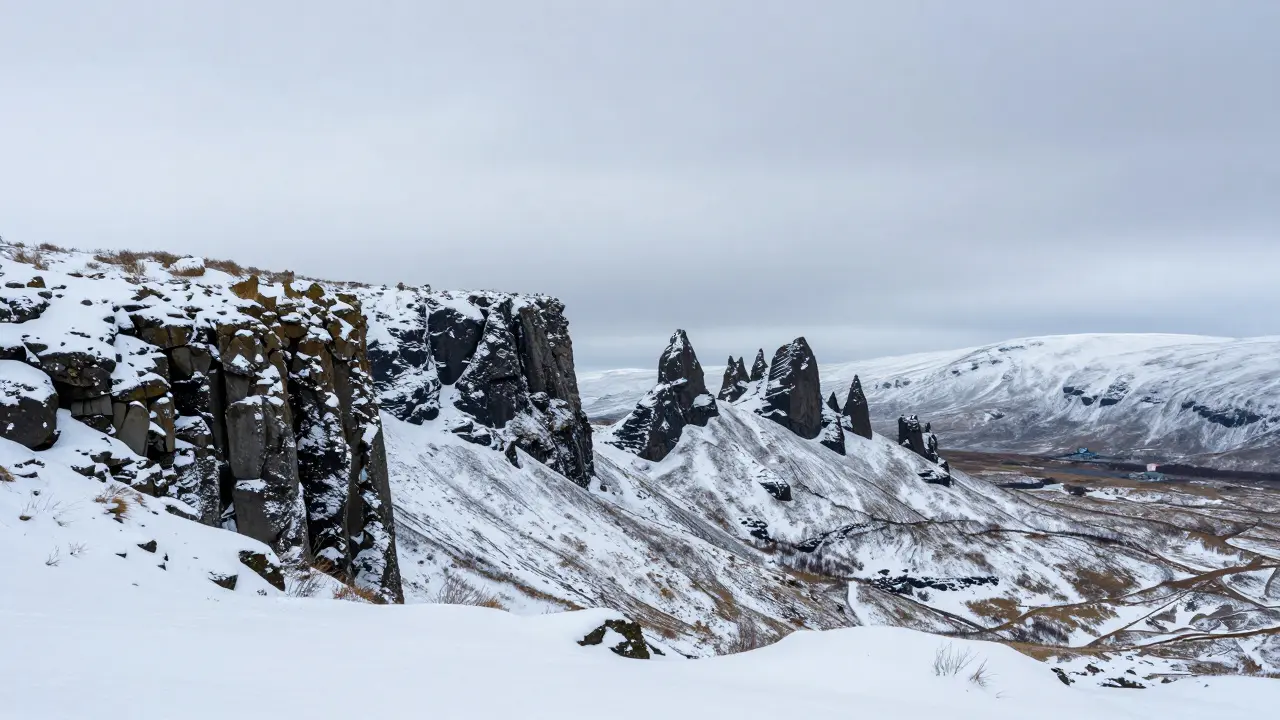
Compositionally, winter is the best time to photograph Skye because the vegetation is dormant. The browns, ochres, and deep greens of the heather and grass contrast beautifully with the white of the snow and the grey of the basalt cliffs. Look for leading lines in the frozen streams or the stark silhouettes of the mountains against a moody, purple sky. Don't be afraid of the "bad" weather; a storm rolling in over the Trotternish Peninsula often makes for a far more compelling photo than a clear blue sky.
Essential Winter Survival Kit
When you leave the main village of Portree, you are entering a wilderness. Your car is your primary shelter, so stock it accordingly. A simple breakdown in winter can turn into a survival situation if you aren't prepared. You don't need a military-grade bunker, but a few smart additions to your glovebox can save your day.
- High-energy snacks: Nuts, chocolate, and protein bars. Your body burns significantly more calories just trying to stay warm.
- Thermal blankets: A foil emergency blanket takes up almost no space but can prevent hypothermia if you're stuck waiting for a tow.
- Offline Maps: Mobile signal is spotty at best in the glens. Download your maps for offline use or carry a physical Ordnance Survey map.
- Extra Water: Dehydration happens faster in cold, dry air, and you might not find an open cafe for twenty miles.
Managing Expectations and Logistics
One of the biggest mistakes people make is trying to see everything in three days. Winter requires a slower pace. You will spend more time idling in traffic behind a sheep or waiting for a snowplow than you would in July. Embrace the slow-down. Instead of rushing from one landmark to another, pick two spots per day and actually spend time there.
Accommodation is generally easier to find in winter, and prices are lower, but be aware that some smaller B&Bs and seasonal cafes close for the winter. Check the operating hours of your intended destinations. For instance, some tourist centers or specific guided tours may operate on a reduced schedule. However, the lack of crowds is the ultimate trade-off. You can often have the Quiraing entirely to yourself, which is an experience you'll never get in August.
Is it safe to drive on Skye in January?
Yes, it is safe as long as you have the right equipment and mindset. The main roads are well-maintained, but you must be prepared for black ice and snow. Using a 4x4 vehicle and winter tires significantly reduces the risk. Always check the local weather forecasts and be patient on single-track roads.
How many hours of daylight are there in December?
In late December, you can expect roughly 6 to 7 hours of daylight. The sun typically rises around 8:30 AM and sets by 3:30 PM. It is crucial to plan your activities early and carry a reliable light source for any hiking or driving after mid-afternoon.
Do I need a 4x4 for the Isle of Skye in winter?
While not strictly mandatory for the main roads, it is highly recommended. Many of the most scenic spots are accessed via narrow, steep lanes that can become slippery. An AWD vehicle provides much better traction and peace of mind when encountering unexpected snow drifts or icy patches.
What is the best camera gear for Skye's winter landscapes?
A sturdy tripod is essential for the low-light conditions of winter. Use a wide-angle lens for the vast landscapes and a Neutral Density (ND) filter for capturing the movement of water. Bringing a lens cloth to remove saltwater spray and a weather-sealed camera body or rain cover is also advised.
Are the Fairy Pools open in winter?
The Fairy Pools are accessible year-round. However, the walk to the pools can be very muddy and potentially icy. Wear waterproof hiking boots and be cautious of slippery rocks near the water's edge. The landscape is often more dramatic in winter, but the wind can be intense.
Next Steps for Your Winter Trip
If you're planning a visit, start by checking the Met Office for long-range forecasts and the Traffic Scotland website for road closures. Once you've sorted your 4x4 rental and wool gear, map out your primary "must-see" spots but keep your itinerary flexible. If the weather turns foul, pivot to the cozy pubs in Portree or explore the local galleries. The beauty of Skye in winter is that it rewards those who are prepared and patient enough to go with the flow of the Highlands.
Comments (15)
-
Christina Morgan April 11, 2026
This is such a wonderful guide for anyone wanting to experience the magic of the Highlands in the off-season! The emphasis on safety and the right gear is spot on, as the Scottish weather is famously fickle.

-
Nathan Pena April 11, 2026
The author's insistence on a 4x4 is a quaint oversimplification of mechanical necessity. While AWD provides a certain psychological comfort to the unskilled driver, a seasoned operator with high-quality winter tires and a rudimentary understanding of weight distribution can navigate single-track roads quite effectively without such cumbersome machinery. It is a pity the guide lacks a more rigorous analysis of tire compounds and their specific thermal performance thresholds.

-
Anuj Kumar April 12, 2026
All this talk about tires is a joke. The government just wants us buying bigger cars to waste more fuel. Its a scam to make you spend money on things you dont need.

-
Krzysztof Lasocki April 13, 2026
Oh sure, because nothing says "vacation" like shivering in a foil blanket while eating a protein bar in a ditch! Sounds like a total blast, really.

-
Mbuyiselwa Cindi April 13, 2026
I totally agree with the tip about the Blue Hour! I've found that getting to the locations early not only helps with the light but also lets you beat any other early birds. It makes the whole experience so much more peaceful.

-
Henry Kelley April 14, 2026
great tips man. i always bring a extra pair of socks just in case things get real soggy out there.

-
Tonya Trottman April 16, 2026
The sheer audacity of suggesting a "survival kit" for a tourist trip is just precious. I suppose we're all just one flat tire away from a cinematic tragedy in the glens. And honestly, the use of "non-negotiable" is such a dramatic choice of words for someone describing wool socks. It's almost as if the author believes they've discovered the secrets of the Arctic circle rather than a moderately cold island in the UK. Truly, the depth of this pseudo-expertise is staggering.

-
Rocky Wyatt April 18, 2026
Most people just follow these guides blindly without realizing they're being led into a trap of overpriced rentals and disappointment. It's typical of the modern traveler to seek "adventure" through a checklist provided by a stranger on the internet.

-
Mike Marciniak April 20, 2026
The timing of these "road closures" is too convenient. They control the movement of people in the highlands for a reason. Notice how the signal drops exactly where the most interesting landscapes are. They don't want you seeing what's actually happening up there.

-
VIRENDER KAUL April 20, 2026
The structural deficiency in the suggested itinerary is evident as it fails to account for the logistical entropy of single-track transit during peak frost episodes. One must maintain a rigorous standard of preparation that exceeds these basic suggestions if one wishes to avoid total systemic failure of the trip

-
Veera Mavalwala April 22, 2026
What an absolutely dizzying array of warnings for a simple trip to the coast! One would think the author was describing a descent into the depths of a frozen purgatory rather than a mere excursion to see some pretty rocks and a few sheep grazing in the mist, though I suppose the dramatic flair is necessary to mask the utter banality of modern tourism.

-
Victoria Kingsbury April 23, 2026
Love the mention of ND filters for that buttery smooth water look! It's such a game-changer for the dynamic range in those moody highlands shots. Just make sure your tripod is heavy enough because the wind on Skye will literally knock your gear over if you're not careful.

-
Sarah Meadows April 23, 2026
Whoever says you need a specialized 4x4 for this is just trying to push foreign rental imports. We need to prioritize domestic logistics and high-torque specs that actually dominate the terrain without relying on bloated European standards.

-
Santhosh Santhosh April 23, 2026
I remember a time when I felt quite overwhelmed by the thought of visiting such a remote place in the winter, but reading these suggestions makes me feel that with a bit of patience and a very warm coat, one can find a lot of inner peace while watching the slow movement of the clouds over the mountains, provided one doesn't mind the cold seeping into their bones over several hours of walking.

-
Ray Htoo April 24, 2026
This is just stellar advice! I'm absolutely buzzing to try out some long exposures with a tripod in that ethereal light.
