
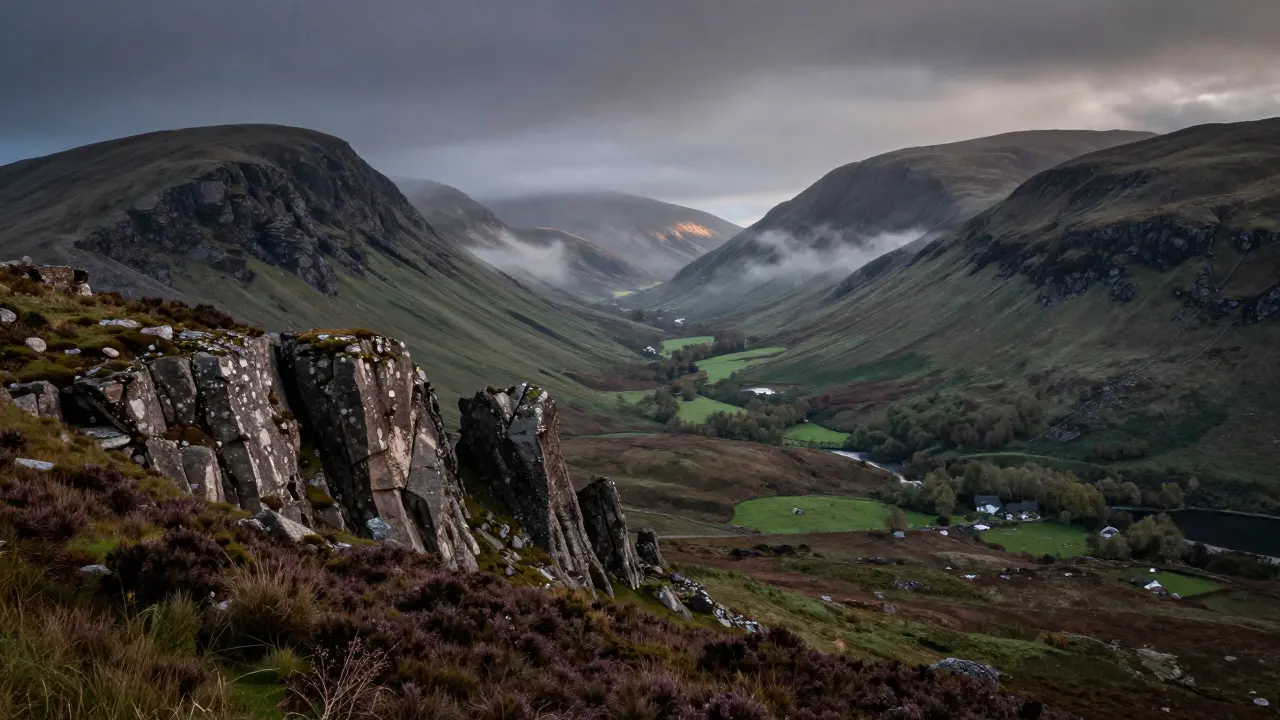
There is a specific feeling you get when you cross the Highland Boundary Fault. The air changes. The landscape opens up from the rolling green hills of Fife and Tayside into something wilder, sharper, and infinitely more dramatic. For years, I treated Pitlochry as just a pit stop on the way to Inverness or Glencoe. I was wrong. This town isn't just a gateway; it is one of the best bases for exploring the Scottish Highlands, especially if you love whisky, hiking, and good food without the tourist traps that plague some bigger cities.
If you are planning a trip to Scotland this year, you need to understand why Pitlochry works so well as a home base. It sits right at the edge of the Cairngorms National Park. You have mountains on your doorstep, but you also have a vibrant town center with cafes, shops, and pubs within walking distance. It’s the perfect balance between adventure and comfort.
Why is Pitlochry considered a good base for the Highlands?
Pitlochry offers central access to major attractions like Loch Rannoch, Glen Coe, and Blair Castle, while providing better accommodation options and dining variety than remote mountain villages.
The Whisky Trail: More Than Just a Drink
You cannot talk about Pitlochry without talking about whisky. The town has become a serious destination for spirits lovers, not because it has a distillery inside its boundaries (it doesn’t), but because it is surrounded by them. The Speyside region, known for producing some of the world’s finest single malts, is just a short drive away. But here is the secret: Pitlochry itself hosts excellent tasting experiences.
Start your journey at the Pitlochry Distillery, which actually operates nearby in the village of Kinnaird. Wait, let me correct that-the main attraction is often associated with the broader area. The real draw is the proximity to Dalwhinnie and Speyside distilleries. However, the town itself boasts high-quality bars where you can sample rare casks. Look for places that offer "tasting flights." These allow you to compare different ages and regions side-by-side. It’s an educational experience, not just a drinking session.
One specific spot you should visit is the local independent bottlers' shop. They often stock limited editions you won't find in supermarkets. Ask the staff for their recommendation on a "highland character" malt. They will likely point you toward something with notes of heather, honey, and a hint of peat. Pair this with a cheese board from a local deli, and you have a perfect afternoon.
- Dalwhinnie Distillery: Located about 45 minutes away, known for its light, floral character.
- Speyside Region: A short drive east, home to over 50 distilleries including Macallan and Glenfiddich.
- Local Bars: Look for venues offering "cask strength" samples for a more intense flavor profile.
Hiking: From Gentle Walks to Mountain Peaks
If you think hiking in Scotland means only rugged, exposed peaks, Pitlochry will change your mind. The terrain here is incredibly diverse. You can go from a flat, scenic walk along the river to a challenging ascent of a Munro (a Scottish mountain over 3,000 feet) in the same day.
For beginners or those with limited time, the Pitlochry Dam trail is essential. It’s a paved path that runs alongside the water, offering stunning views of the dam and the surrounding hills. It’s safe, easy, and beautiful. You can extend this walk to the Glen Feshie valley if you want a bit more wilderness feel without the steep climb.
For the more adventurous, look north toward the Cairngorms. The peak of Ben Vane is a popular choice. It’s not the highest mountain, but the views from the top are spectacular. On a clear day, you can see all the way to Ireland. The hike takes about 6-7 hours round trip, so start early. Bring layers. The weather in the Highlands changes fast. One minute it’s sunny, the next it’s raining sideways.
Another hidden gem is the Loch Rannoch area. While technically south of Pitlochry, it’s a manageable drive. The trails around the loch are less crowded and offer a sense of isolation that many hikers crave. Keep an eye out for red deer. They are everywhere in this region, especially during the rutting season in autumn.
| Trail Name | Difficulty | Duration | Best For |
|---|---|---|---|
| Pitlochry Dam Loop | Easy | 1-2 hours | Families, casual walkers |
| Ben Vane Ascent | Moderate/Hard | 6-7 hours | Experienced hikers, view seekers |
| Glen Feshie Valley | Moderate | 3-4 hours | Nature lovers, wildlife spotting |
| Loch Rannoch Shoreline | Easy/Moderate | 2-3 hours | Photographers, quiet walks |
Food and Dining: Beyond Fish and Chips
Let’s be honest. Tourist towns often serve overpriced, mediocre food. Pitlochry is different. Because it attracts locals who work in the nearby estates and government facilities, the standard of dining is surprisingly high. You don’t have to settle for chips and curry sauce.
Try the seafood. With Loch Tay and other freshwater bodies nearby, fresh trout is a staple. But don’t ignore the lamb. Highland lamb is renowned for its quality due to the grazing conditions. Look for restaurants that source their meat from local farms. Many menus explicitly state where the ingredients come from. This transparency is a sign of quality.
For breakfast, seek out a proper full Scottish. It’s heavy, yes, but it fuels you for a day of hiking. Black pudding, haggis, sausages, eggs, beans, and toast. Sounds intimidating? It’s delicious. Pair it with strong tea or coffee, and you’re set.

Getting Around: Car vs. Public Transport
This is the most critical part of your planning. Can you do Pitlochry without a car? Technically, yes. Practically? No. Not if you want to make the most of your trip.
Pitlochry has a train station on the Highland Main Line. Trains run regularly from Edinburgh and Glasgow. If you stay in Pitlochry, you can easily take the train to Blair Atholl or Aviemore. However, getting to the hiking trails or distilleries usually requires a taxi or bus, which can be infrequent and expensive.
Renting a car gives you freedom. You can explore the North Coast 500 route, which starts near here. You can stop whenever you see a viewpoint. You can carry your hiking gear comfortably. If you decide to rent a car, book it in advance, especially during summer months. Prices spike dramatically in July and August.
If you must rely on public transport, focus your activities on the town center and the immediate surroundings. Use the train for day trips to larger towns like Aviemore, where amenities are more accessible. Just remember: timetables in rural Scotland are not like city schedules. Miss a bus, and you might wait two hours for the next one.
Accommodation: Where to Stay
Pitlochry offers a wide range of lodging options. You’ll find everything from luxury hotels to budget hostels. My advice? Stay in the town center if you want convenience. Walking to dinner after a long day of hiking is a joy, not a chore.
Hotels in Pitlochry tend to be historic. Many were built in the Victorian era when the town became a spa destination. They often have character-four-poster beds, fireplaces, and cozy lounges. Book these early. They fill up quickly.
For a more unique experience, consider a B&B (Bed and Breakfast). Scottish B&Bs are legendary for their hospitality. Hosts often provide detailed advice on hikes and restaurants. Some even offer packed lunches for your day out. This personal touch makes a big difference.
If you are traveling on a budget, check out the local youth hostel. It’s clean, safe, and centrally located. You’ll meet other travelers, which can lead to shared taxi costs or hiking partners. Solo travelers often find this beneficial.
Seasonal Considerations: When to Visit
Timing matters. Pitlochry looks different in every season.
Summer (June-August): Long days, warm nights, and crowds. This is the peak season. Everything is open, but prices are higher. Book accommodations months in advance. The weather is generally pleasant, but rain is always possible.
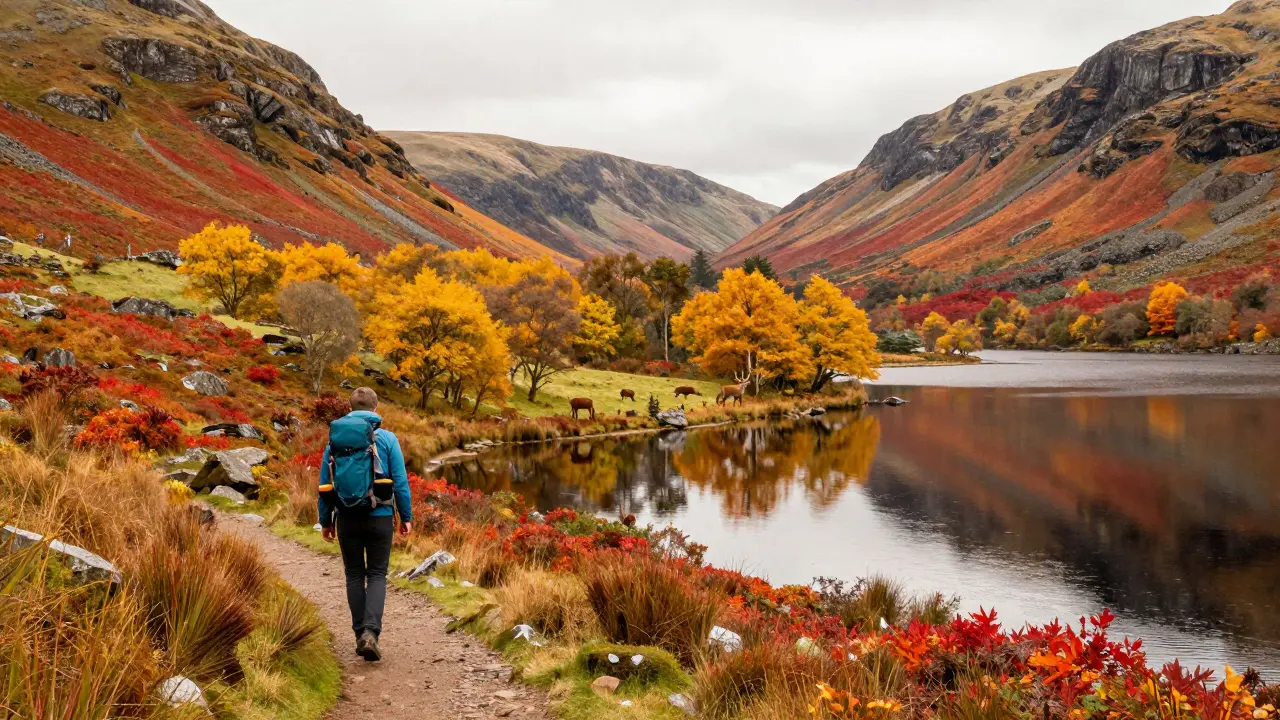
Autumn (September-November): Fewer tourists, stunning foliage colors, and cooler temperatures. This is my favorite time to visit. The landscapes turn gold and red. Wildlife is active. Distilleries are quieter, allowing for more personalized tours.
Winter (December-February): Cold, dark, and potentially snowy. Roads can be icy. Some hiking trails may be closed or dangerous. However, if you enjoy winter sports, the nearby Cairngorms offer skiing and snowboarding. The town has a festive atmosphere with Christmas markets and lights.
Spring (March-May): Nature wakes up. Flowers bloom, birds return. Temperatures are mild. It’s a great time for photography. Be prepared for unpredictable weather.
Practical Tips for Your Trip
Here are some quick tips to ensure your trip goes smoothly:
- Book Ahead: Especially for summer visits. Restaurants, hotels, and even some attractions require reservations.
- Layer Up: Weather changes rapidly. Bring waterproof jackets, thermal layers, and sturdy hiking boots.
- Check Tide Times: If you plan any coastal activities nearby, tide times affect accessibility.
- Respect Wildlife: Keep a safe distance from deer and other animals. Do not feed them.
- Carry Cash: While most places accept cards, some small vendors or rural pubs prefer cash.
Final Thoughts: Why Pitlochry Works
Pitlochry succeeds as a Highland base because it balances accessibility with authenticity. It’s close enough to cities for easy arrival, but far enough to feel remote. It offers world-class whisky experiences, diverse hiking opportunities, and genuine Scottish hospitality. Whether you are a solo traveler, a couple, or a family, there is something here for you. Don’t just pass through. Stop. Explore. Taste. Hike. You’ll leave with memories that last a lifetime.
Is Pitlochry expensive compared to other Scottish towns?
Pitlochry is moderately priced. Accommodation and dining can be costly in peak season, but overall, it's comparable to other popular tourist destinations in Scotland. Budget travelers can find affordable options by staying in hostels or cooking their own meals.
What is the best time of day to visit Pitlochry Castle Gardens?
Early morning or late afternoon offers the best lighting for photos and fewer crowds. The gardens are particularly beautiful in spring when flowers are in bloom.
Are there any free activities in Pitlochry?
Yes. Walking along the Pitlochry Dam, exploring the town center, and visiting the castle gardens (free entry to grounds) are all cost-free activities. Hiking trails are also free to access.
Can I visit Pitlochry with young children?
Absolutely. Pitlochry is very family-friendly. The dam walk is stroller-accessible, and there are playgrounds in the town. Many restaurants have kids' menus. The slower pace makes it ideal for families.
How far is Pitlochry from Edinburgh Airport?
Pitlochry is approximately 2.5 to 3 hours drive from Edinburgh Airport, depending on traffic. Taking the train involves a change in Perth but is a scenic alternative.