
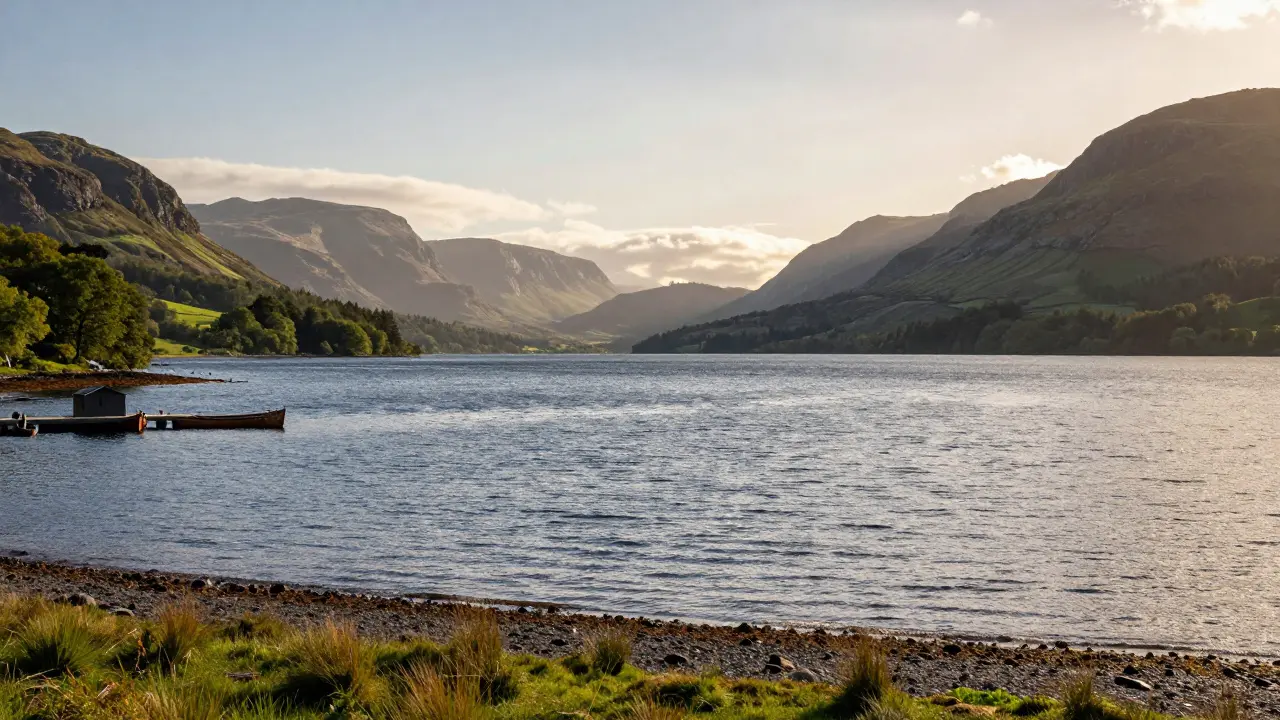
Loch Lomond and The Trossachs National Park is Scotland's largest national park, spanning over 1,865 square kilometers of diverse landscapes including freshwater lochs, ancient forests, and rugged mountains. Established in 2002, this protected area sits just west of Glasgow and offers some of the most accessible wilderness experiences in the United Kingdom. Whether you're planning a day trip from the city or a week-long adventure through the Highlands, understanding what makes this region special will help you make the most of your visit.
Understanding the Landscape: More Than Just Water
The park gets its name from two distinct geographical features that represent different sides of Scottish nature. Loch Lomond is the largest lake in Great Britain by surface area, covering approximately 71 square kilometers at an elevation of about 19 meters above sea level. This massive body of water stretches 39 kilometers long and reaches depths of up to 190 meters in its deepest sections. The southern end feels almost Mediterranean with gentle shores and small islands, while the northern part transitions into wilder mountain terrain.
The Trossachs, on the other hand, refers to a collection of smaller lochs surrounded by dense woodlands and rolling hills. The word "Trossachs" comes from the Gaelic term "troiseach," meaning "place of rough ground." This area includes popular spots like Loch Katrine, known for its dramatic glacial formations and steep-sided valleys that feel worlds away from nearby urban centers.
What sets this national park apart is how quickly the landscape changes. You can start your morning walking along flat paths near Glasgow and find yourself scrambling over rocky peaks by afternoon. The boundary between lowland and highland runs directly through the park, creating unique ecosystems where species from both regions coexist.
Getting There: Access Points and Transportation Options
One advantage of visiting Loch Lomond and The Trossachs is its proximity to major population centers. The park spans multiple local authority areas, which means several entry points depending on where you're coming from. Most visitors approach from the south via the M8 motorway, exiting at either Milngavie or Cumbernauld before heading toward Balloch-the gateway to the southern tip of Loch Lomond.
If you're arriving by train, the closest stations are Balloch, Ballochmyle, and Drymen. From Balloch station, it's a short walk to the pier where cruise boats depart regularly during summer months. For those driving, parking becomes challenging during peak season (June through August), especially around popular viewpoints like Luss and Inveruglas. Arriving early-before 9 AM-or late afternoon after 4 PM helps avoid crowded car parks.
Public transport within the park remains limited but improving. The Scottish Citylink bus service connects Glasgow Central Station with key destinations including Pitlochry and Fort William, stopping at intermediate locations such as Tyndrum Bridge and Crianlach. Local buses operate less frequently but cover essential routes between villages like Callander, Strathyre, and Bridge of Allan.
Rental cars provide maximum flexibility if you plan to explore remote areas or follow specific hiking trails. However, keep in mind that narrow country roads require careful navigation, particularly when encountering livestock or cyclists sharing the same space.
Top Activities: Hiking, Boating, and Wildlife Watching
Outdoor recreation forms the backbone of visitor experience in the park. Let me break down the most rewarding activities based on skill level and time commitment.
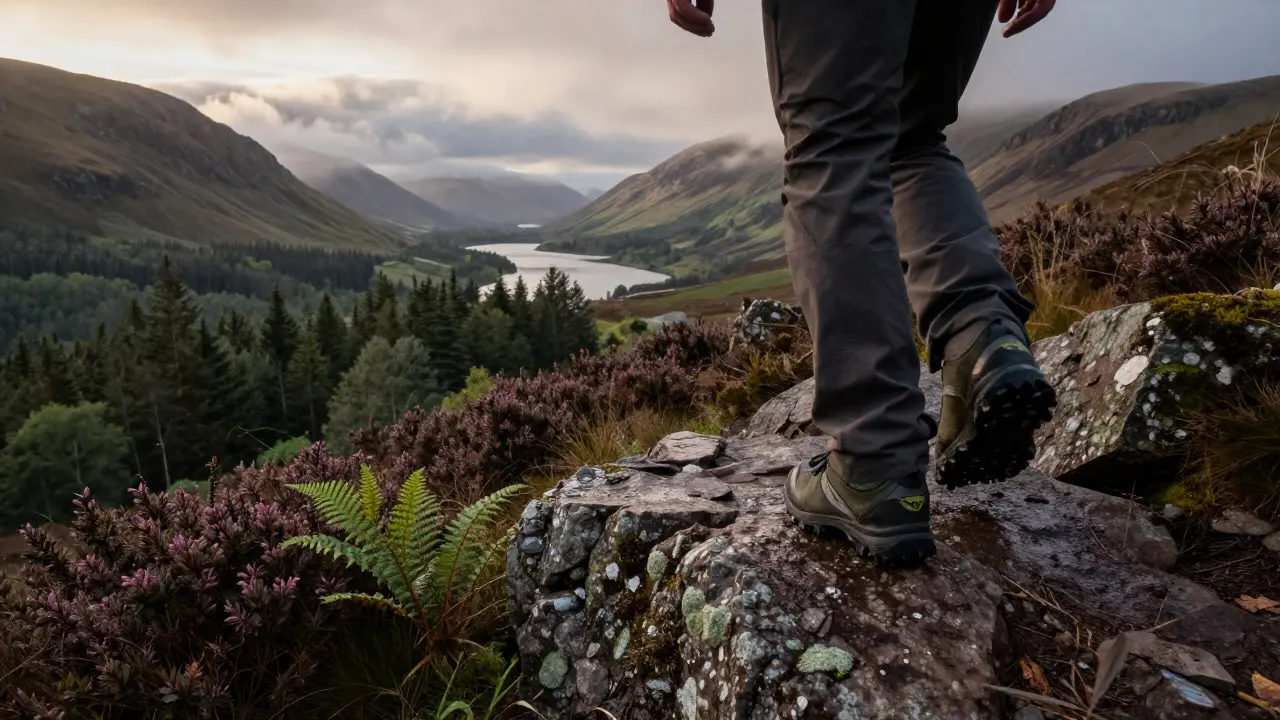
Hiking and Walking: The park contains over 50 marked trails ranging from easy circular walks to challenging multi-day treks. Beginner-friendly options include the Balmaha to Rowardennan route, a flat 7-kilometer path following the eastern shore of Loch Lomond with frequent rest stops and café access. Intermediate hikers might tackle Ben Lomond-the highest peak entirely within the park-at 974 meters elevation. Expect this climb to take 6-8 hours round-trip with proper preparation.
Advanced mountaineers often combine summits using the West Highland Way, which passes through the park for roughly 30 kilometers. This long-distance trail links Glasgow to Fort William and requires good fitness levels due to cumulative elevation gains exceeding 3,000 meters total.
Water-Based Recreation: Loch Lomond supports various boat operations throughout the year. Commercial cruises run daily from April to October, offering sightseeing tours lasting 1-3 hours. Private kayaking and paddleboarding have grown significantly since 2020, with rental facilities available at Balmaha, Luss, and Tarbet. Remember that weather conditions change rapidly here-even sunny mornings can bring sudden storms by midday, so always check forecasts before launching onto open water.
Cycling Routes: Several dedicated cycling paths cater to different abilities. The Clyde Muirshiel Ridge section features gentle gradients suitable for families, while steeper climbs challenge experienced riders. Electric bike rentals now operate at select locations, making previously difficult ascents manageable for casual cyclists.
Wildlife Encounters: What You Might See
Biodiversity thrives across the park's varied habitats. During spring and early summer, red deer become particularly active as does give birth to calves in secluded forest clearings. Spotting these animals requires patience-they blend easily into woodland surroundings-but dawn and dusk offer best viewing opportunities.
Birdwatchers flock to the area hoping to see golden eagles soaring above mountain ridges or ospreys fishing in deeper loch sections. The RSPB operates monitoring programs at designated sites, providing real-time updates on breeding success rates and migration patterns. Smaller birds like crossbills and capercaillies inhabit ancient pine forests, though sightings remain rare without guided expertise.Aquatic life deserves attention too. Atlantic salmon spawn in tributaries feeding into Loch Lomond each autumn, attracting anglers who practice catch-and-release techniques under strict regulations. Freshwater pearl mussels-critically endangered species found nowhere else globally-reside in clean river beds monitored by conservation teams working to restore their natural habitat.Seasonal Considerations: When to Visit
Timing matters more than many realize when planning trips to this region. Each season brings distinct advantages and challenges worth considering.
My recommendation? Aim for late May or September if possible. These shoulder months balance pleasant weather with reduced congestion, allowing quieter enjoyment of scenic beauty.
Accommodation Choices: From Campsites to Luxury LodgesWhere you stay influences your overall experience considerably. Budget-conscious travelers appreciate camping grounds scattered throughout the park, offering basic amenities plus stunning views. Popular sites include Balloch Country Park and Glenbranter Holiday Park, both equipped with electric hookups and shower facilities.
Mid-range options feature bed & breakfast establishments housed in converted farmhouses or historic cottages. Villages like Drymen and Pitlochry host numerous family-run properties serving hearty Scottish breakfasts before sending guests out for exploration.Luxury seekers gravitate toward boutique hotels nestled beside lochs or perched atop hillsides. Properties such as The Kenmore Club provide spa treatments alongside gourmet dining experiences celebrating local ingredients sourced directly from surrounding farms.Regardless of preference, secure reservations months in advance during peak periods. Last-minute bookings rarely succeed unless cancellations occur unexpectedly.Is Loch Lomond and The Trossachs free to enter?
Yes, accessing the national park itself costs nothing. However, certain activities require payment-including guided tours, equipment rentals, and entrance fees for private estates containing walking paths. Car parking charges apply at some locations during busy seasons.
How difficult are the main hiking trails?
Difficulty varies widely. Easy loops stay below 200 meters elevation gain with smooth surfaces. Moderate routes involve uneven terrain and moderate climbs up to 400 meters. Hard ascents exceed 600 meters vertical rise with exposed sections demanding surefootedness and appropriate footwear.
Can I swim in Loch Lomond safely?
Swimming occurs primarily in sheltered bays rather than open waters due to strong currents and cold temperatures hovering around 10-12°C even in summer. Designated swimming areas exist near Luss and Inversnaid where lifeguards occasionally patrol during July and August. Always wear wetsuits and inform someone of your plans beforehand.
What should I pack for a day trip?
Essential items include waterproof jacket, sturdy hiking boots, layered clothing, sunscreen, insect repellent, plenty of water, high-energy snacks, map/GPS device, first aid kit, and fully charged phone. Weather shifts quickly here-being prepared prevents discomfort or danger.
Are dogs allowed on all trails?
Dogs welcome on most paths except specific wildlife protection zones marked clearly with signage. Keep pets leashed near grazing livestock and always clean up waste. Certain boat operators restrict canine passengers entirely-check policies before booking.