
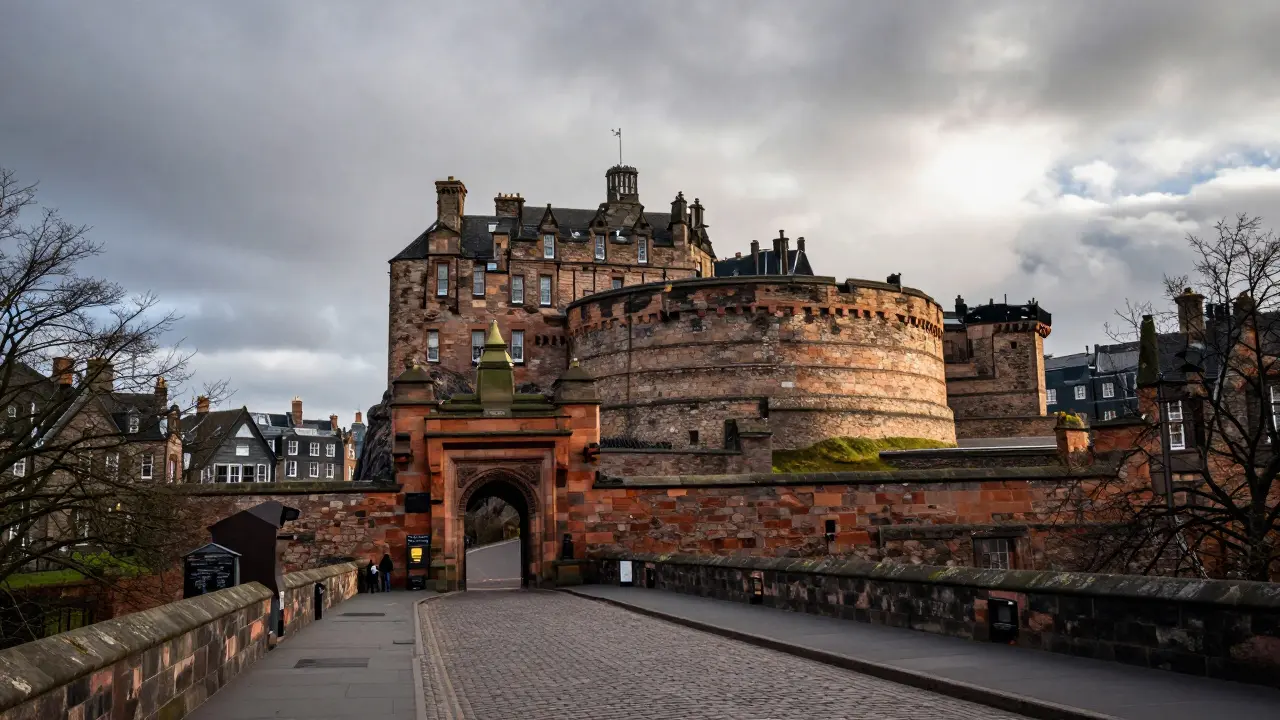
Standing on Castle Rock, Edinburgh Castle is a historic fortress that dominates the skyline of Edinburgh, Scotland, sitting atop an extinct volcanic crag which rises 130 meters (430 feet) above sea level. It has been a royal residence and military stronghold for over a thousand years. You might think you know what to expect-old stones and a few souvenirs-but if you walk through those gates without a plan, you’ll miss the soul of this place. The castle isn’t just a museum; it’s a living timeline of Scottish resilience, monarchy, and war.
This guide cuts through the tourist noise. We’re talking about how to actually see the Scottish Crown Jewels, why the architecture matters more than you think, and how to stretch your visit beyond the usual two-hour rush. Whether you’re here for history, photography, or just to check a box, this is your roadmap to doing it right.
Why Edinburgh Castle Is More Than Just Old Stones
Most people picture a generic medieval keep when they hear “castle.” Edinburgh Castle breaks that mold. Its location is its first defense. Perched on Castle Rock, the site was fortified as early as the Iron Age. By the 11th century, King David I had established it as a primary royal residence. But it wasn’t always a palace. For centuries, it served as a prison, an arsenal, and a barracks. That duality-luxury next to brutality-is what makes the architecture so compelling.
The castle’s layout follows the natural shape of the rock. The narrow entrance at the North Gate forces visitors into a choke point, historically easy to defend. Inside, the buildings cluster around the Esplanade, a wide parade ground used for military ceremonies today. This isn’t random construction; every wall angle serves a tactical purpose. When you walk from the gate to the top, you’re retracing steps taken by kings, soldiers, and prisoners alike.
One key architectural feature is the use of local sandstone. The reddish-brown hue gives the castle its iconic look against the grey Scottish sky. However, this material requires constant maintenance. The castle undergoes regular restoration projects to prevent erosion from wind and rain. If you notice scaffolding during your visit, don’t be discouraged-it means the structure is being preserved for future generations.
The Heart of the Kingdom: The Honours of Scotland
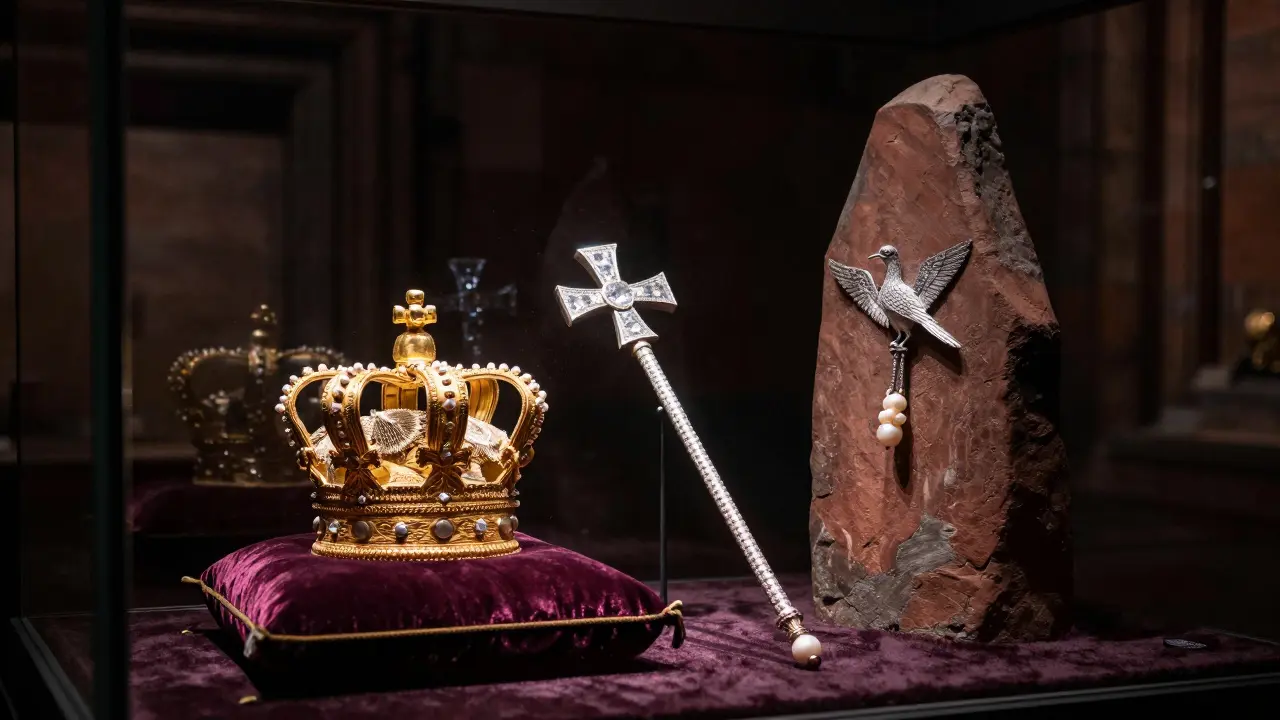
You can’t talk about Edinburgh Castle without mentioning the Honours of Scotland, also known as the Scottish Crown Jewels. These aren’t just shiny objects behind glass; they are symbols of national identity. Housed in the Stone of Destiny room, the collection includes the Crown, the Sceptre with Cross, and the Sceptre with Dove. They were recovered from England in 1996 after being hidden away since the Union of Crowns in 1707.
Here’s the catch: the jewels are small. Much smaller than you’d expect. The crown is made of gold and silver, adorned with diamonds, rubies, and sapphires, but it’s lightweight enough to be worn comfortably during coronations. The Sceptre with Cross features a large diamond, while the Sceptre with Dove holds a pearl. The Stone of Destiny itself sits nearby-a rough-hewn block of red sandstone used in the coronation of Scottish monarchs for centuries before moving to Westminster Abbey.
To truly appreciate these items, you need context. The room is dimly lit to protect the artifacts, so take a moment to adjust your eyes. Read the plaques carefully. They explain not just what each piece is, but why it matters. For example, the current crown was commissioned by Queen Victoria in 1822 for her visit to Scotland, replacing earlier versions that were lost or melted down. This detail connects the object to a specific historical moment, making it feel less like a relic and more like a participant in history.
| Item | Material | Historical Significance | Viewing Tip |
|---|---|---|---|
| Crown | Gold, Silver, Diamonds, Rubies, Sapphires | Commissioned by Queen Victoria (1822) | Look closely at the arches; they are hinged. |
| Sceptre with Cross | Gold, Diamond | Symbol of temporal power | Note the large diamond at the top. |
| Sceptre with Dove | Gold, Pearl | Symbol of spiritual authority | Observe the intricate dove carving. |
| Stone of Destiny | Red Sandstone | Used in coronations since ancient times | Stand back to see its full size relative to the room. |
Beyond the Jewels: Must-See Attractions
Focusing only on the Crown Jewels leaves out half the story. The castle is packed with other significant sites that deserve your attention. Here’s what else you should prioritize:
- The Great Hall: Built in the 15th century, this timber-framed hall once hosted feasts and political meetings. Today, it houses the Regimental Collection, showcasing the uniforms and artifacts of the Royal Regiment of Scotland. The vaulted ceiling is impressive, but the real draw is the sense of scale. Imagine hundreds of nobles dining here under candlelight.
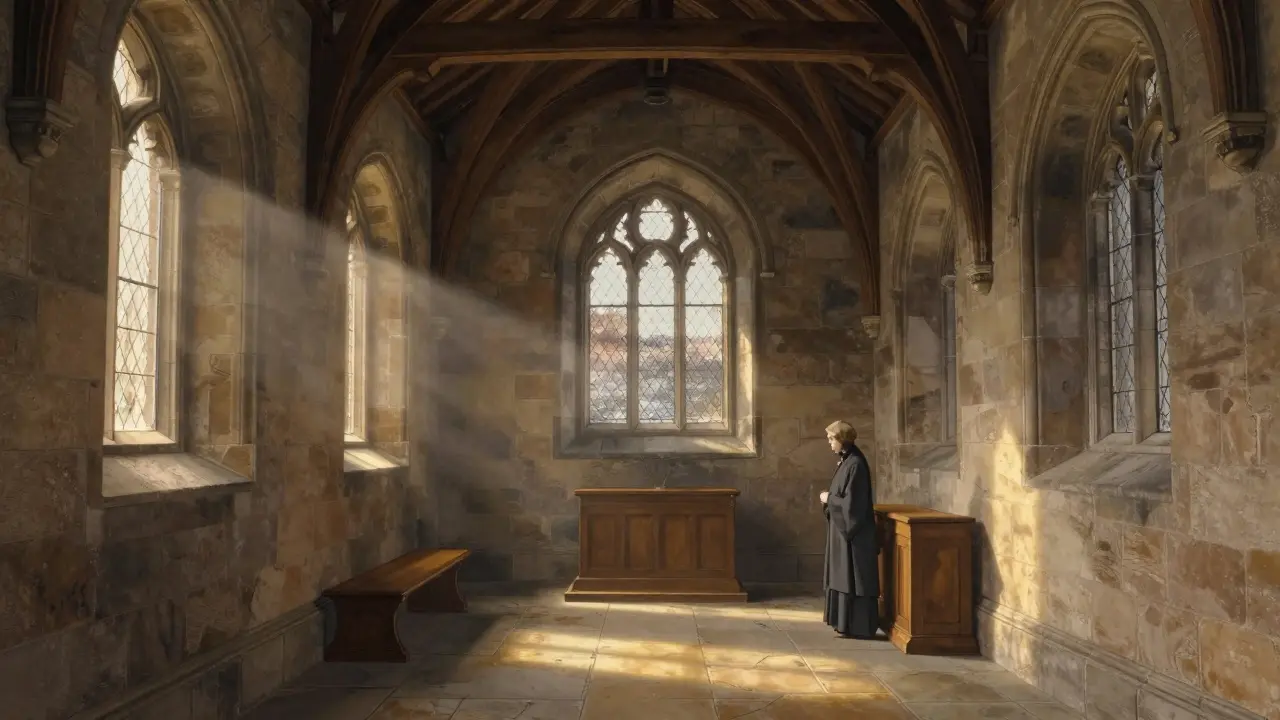
- St. Margaret’s Chapel: The oldest surviving building in Edinburgh, dating back to the 12th century. It’s tiny, simple, and incredibly atmospheric. Unlike the grander structures around it, this chapel feels intimate and sacred. It’s a quiet spot to pause and reflect amidst the crowds.
- The National War Museum: Located in the former artillery quarters, this museum covers British military history from the Boer War to modern conflicts. It’s often overlooked by tourists rushing to the jewels, but it offers a poignant look at the human cost of war. The displays are well-curated, with personal stories that resonate deeply.
- The One O’Clock Gun: Fired daily since 1861, this gun provides a time signal for ships in Leith harbour. Watching the firing is free and takes place on the Esplanade. Arrive a few minutes early to secure a good view. The sound echoes across the city, a reminder of Edinburgh’s maritime past.
Planning Your Extended Visit: Timing and Tickets
Most visitors spend 1.5 to 2 hours at Edinburgh Castle. That’s enough to see the highlights, but not enough to absorb them. An extended visit allows you to explore at a leisurely pace, revisit favorite spots, and avoid the worst of the crowds. Here’s how to make it work:
Book Online in Advance: Ticket prices fluctuate based on demand and season. As of 2026, adult tickets range from £18.50 to £22.50. Booking online saves you time queuing at the ticket office. Look for combo tickets that include other attractions like St. Giles’ Cathedral or the Royal Yacht Britannia if you plan to explore further.
Arrive Early or Late: The castle opens at 9:30 AM (summer) or 10:00 AM (winter). Arriving right at opening lets you beat the tour buses. Alternatively, visiting in the late afternoon, around 4:00 PM, offers softer light for photos and thinner crowds. The last entry is typically 45 minutes before closing.
Wear Comfortable Shoes: The terrain is uneven, with steep slopes and cobblestones. You’ll be walking uphill from the Royal Mile, navigating narrow staircases inside the buildings, and standing on hard surfaces for long periods. Flip-flops or heels are a bad idea. Invest in sturdy sneakers or boots.
Consider a Guided Tour: While self-guided visits offer flexibility, a guided tour adds depth. Guides provide anecdotes and historical context that plaques can’t convey. Look for tours led by certified historians rather than generic narrators. Some companies offer audio guides available via app, which allow you to move at your own pace while still getting expert insights.
Navigating the Castle: A Logical Route
Don’t wander aimlessly. Follow a logical path to maximize your experience. Start at the North Gate, then head straight to the Esplanade for panoramic views of the city. From there, descend into the underground vaults to see the Prisoners’ Vault and the dungeon areas. This sets the stage for understanding the castle’s defensive role.
Next, climb up to the Great Hall and St. Margaret’s Chapel. These structures showcase the evolution of religious and secular architecture within the castle walls. Afterward, proceed to the Throne Room and the Stone of Destiny chamber to view the Crown Jewels. This sequence builds narrative tension-from defense to governance to symbolism.
Finish your visit at the National War Museum and the One O’Clock Gun position. If timing aligns, watch the noon or one o’clock firing. Then, exit via the South Gate, which leads directly onto the Royal Mile. This route minimizes backtracking and ensures you cover all major zones efficiently.
Common Mistakes to Avoid
Even seasoned travelers make errors when visiting Edinburgh Castle. Don’t let these pitfalls ruin your day:
- Underestimating Weather: Edinburgh weather is unpredictable. Even in summer, rain showers can appear suddenly. Bring a waterproof jacket and umbrella. Wind speeds increase significantly on the exposed Esplanade, so layer your clothing.
- Skipping the Underground Areas: Many visitors focus solely on the upper levels, missing the fascinating subterranean passages. These areas reveal the castle’s engineering ingenuity and darker history. Allocate at least 30 minutes for this section.
- Eating Inside the Castle: Food options inside are limited and expensive. Picnics are prohibited in most areas due to preservation concerns. Eat a hearty meal before entering or plan to grab lunch in the Grassmarket area afterward.
- Ignoring Accessibility Needs: Parts of the castle are not wheelchair accessible due to steep stairs and uneven floors. However, ramps and lifts are available for key attractions like the Crown Jewels and Great Hall. Contact the castle ahead of time to arrange assistance if needed.
After the Castle: What’s Next?
Your Edinburgh Castle visit doesn’t have to end at the gates. The surrounding area offers plenty to explore. Walk down the Royal Mile, stopping at historic pubs like The Elephant House or The Sheep Heid Inn. Visit the Scotch Whisky Experience nearby to learn about Scotland’s national drink. Or head to Princes Street Gardens for a relaxing stroll with views of the castle from below.
If you’re interested in deeper history, consider a trip to Holyrood Palace at the opposite end of the Royal Mile. It complements the castle narrative by showing the residential side of royalty. For art lovers, the National Gallery of Scotland houses masterpieces that reflect the cultural richness of the region.
Remember, Edinburgh Castle is more than a destination-it’s a gateway to understanding Scotland’s complex past. Take your time, engage with the exhibits, and let the stones tell their story. With proper planning, your extended visit will transform from a checklist item into a memorable journey through time.
How much does it cost to enter Edinburgh Castle in 2026?
Adult tickets range from £18.50 to £22.50 depending on the season and booking method. Children under 16 enter free when accompanied by a paying adult. Senior citizens and students may qualify for discounted rates. Always book online to secure the best price and skip the queue.
Is Edinburgh Castle wheelchair accessible?
Partial accessibility exists. Key attractions like the Crown Jewels, Great Hall, and St. Margaret’s Chapel are reachable via ramps or lifts. However, some areas, including parts of the underground vaults and steep outdoor paths, remain inaccessible. Visitors with mobility issues should contact the castle in advance to arrange specific accommodations.
What is the best time of year to visit Edinburgh Castle?
Spring (April-June) and autumn (September-October) offer mild weather and fewer crowds compared to peak summer months. Winter visits provide shorter lines and lower prices, but days are shorter and weather harsher. Avoid major events like the Edinburgh Festival Fringe in August unless you enjoy extreme congestion.
Can I bring food and drinks into Edinburgh Castle?
No, picnics and outside food are generally prohibited inside the castle grounds to preserve the historic environment. Water bottles are allowed, but consumption is restricted to designated areas. There are cafes and vending machines on-site, though prices are higher than typical street vendors.
How long should I spend at Edinburgh Castle?
A standard visit takes 1.5 to 2 hours. For an extended experience covering all exhibits, enjoying views, and avoiding rushes, allocate 3 to 4 hours. This allows time for reflection, photography, and exploring lesser-known corners like the National War Museum and underground passages.
Are guided tours worth it at Edinburgh Castle?
Yes, especially for first-time visitors. Guided tours provide historical context, answer questions, and highlight details you might miss alone. Opt for small-group tours led by certified historians for richer insights. Audio guides are a good alternative if you prefer independence but still want expert narration.
Comments (11)
-
michael rome June 11, 2026
It is genuinely inspiring to see such a comprehensive breakdown of the historical significance embedded within those stones. The emphasis on the duality of luxury and brutality really resonates with me, as it highlights the complex human experience that shaped Scotland. I appreciate the practical advice regarding footwear and timing, which demonstrates a deep respect for the visitor's comfort and safety.
Understanding the tactical purpose behind the architecture transforms a simple sightseeing trip into an educational journey. Thank you for sharing this roadmap.

-
Andrea Alonzo June 13, 2026
I found myself completely captivated by the detailed explanation of the Honours of Scotland, particularly the insight that the crown is surprisingly lightweight despite its grand appearance, which challenges our preconceived notions about royal regalia being cumbersome and heavy burdens. It is fascinating to consider how Queen Victoria commissioned these items in 1822, effectively replacing lost artifacts and creating a tangible link to a specific moment in history that feels incredibly personal rather than just a distant relic. The suggestion to adjust one's eyes to the dim lighting in the Stone of Destiny room is a small but crucial tip that many tourists might overlook in their excitement, potentially missing the intricate details of the hinged arches on the crown or the delicate dove carving on the sceptre.
Furthermore, the inclusion of the National War Museum in the recommended route adds a poignant layer to the visit, reminding us that beyond the pageantry of monarchy lies the sobering reality of conflict and sacrifice, which is often overshadowed by the more glamorous aspects of castle tourism. By encouraging visitors to spend three to four hours instead of the usual rushed two, we allow ourselves the mental space to truly absorb the atmosphere of St. Margaret’s Chapel, where the intimacy of the oldest surviving building in Edinburgh offers a stark contrast to the imposing military structures surrounding it. This approach fosters a deeper connection with the site, transforming it from a mere checklist item into a meaningful engagement with Scottish heritage and resilience.

-
Saranya M.L. June 14, 2026
The architectural analysis provided here is somewhat superficial given the profound engineering marvels inherent in the Castle Rock formation, which predates the medieval fortifications by millennia and requires a nuanced understanding of geotechnical stability in volcanic crags. While the mention of local sandstone is accurate, the failure to discuss the specific stratigraphic layers utilized in the foundational works reveals a lack of rigorous academic scrutiny typically expected in high-level heritage discourse. Moreover, the assertion that the Crown Jewels are merely 'symbols' ignores their geopolitical weight during the Union of Crowns, a topic that demands a more assertive examination of sovereignty and imperial dynamics rather than a tourist-centric overview.
It is imperative that future guides incorporate precise terminologies related to fortification tactics, such as the strategic advantage of the North Gate choke point in relation to contemporary siege warfare methodologies, rather than relying on vague descriptors like 'easy to defend.' Additionally, the recommendation to view the One O’Clock Gun as a mere time signal neglects its critical role in maritime navigation protocols of the 19th century, which were instrumental in regulating trade across the North Sea. A truly comprehensive guide would elucidate these technicalities, ensuring that visitors gain not just a visual appreciation but a scholarly comprehension of the site's multifaceted historical impact.

-
om gman June 15, 2026
oh look another generic travel blog pretending to know everything about edinburgh while ignoring the fact that half the place is closed for renovation because they cant keep up with the erosion
you say wear comfortable shoes but do you even realize how steep the cobblestones are when its raining sideways which it always is
i went last week and nearly broke my ankle because nobody mentioned the uneven pavement near the great hall
and dont get me started on the prices £22 for a rock? thats robbery pure and simple
why bother reading this when you can just go there and suffer through the crowds yourself

-
Jeanne Abrahams June 15, 2026
Sarahana, your obsession with geological stratigraphy is adorable, really, but let's be honest, most people aren't visiting to write a thesis on volcanic crags, they're there to take a selfie with the crown before it gets too crowded.
And om gman, complaining about the price while wearing those expensive hiking boots you posted about last week is rich, darling. If you think £22 is robbery, maybe try staying in your tent in the Grassmarket next time, though I doubt the council would appreciate the noise.

-
Bineesh Mathew June 16, 2026
The essence of the castle is not in the stone but in the silence between the echoes of history, a void where the souls of kings and prisoners alike linger in a spectral dance of power and despair. To walk these halls is to tread upon the thin veil separating the present from the past, where every step resonates with the weight of centuries unspoken. We are but fleeting shadows against the eternal backdrop of the rock, our lives insignificant yet intertwined with the grand tapestry of human endeavor.
Consider the moral imperative of preservation, not as a duty to the dead, but as a reverence for the truth that endures beyond the decay of flesh and empire. The jewels may shine, but it is the darkness of the dungeons that reveals the true nature of authority, stripped bare of its pretenses. Let us not merely observe but contemplate, allowing the castle to speak its silent sermon on the transience of glory and the enduring spirit of resistance.

-
Oskar Falkenberg June 16, 2026
hey i totally agree with the part about arriving early because the tour buses are absolutely insane around midday and it makes it so hard to enjoy the views from the esplanade without feeling like cattle being herded around
i also thought the bit about the underground vaults was spot on because i skipped them last time and regretted it big time since they have all the cool stuff about the prison days
maybe we should start a group chat for people planning to go in october so we can share tips on avoiding the rain?
also does anyone know if the audio guide app works well offline because my data plan sucks when traveling

-
Caitlin Donehue June 17, 2026
I noticed that the guide mentions the One O’Clock Gun firing daily, but I wonder if there are any exceptions to this schedule during major holidays or maintenance periods. It seems like a unique tradition that connects the city to its maritime roots, and I would love to catch it if possible. The description of the Esplanade views sounds breathtaking, especially with the reddish-brown sandstone contrasting against the sky.

-
Joe Walters June 19, 2026
look i read this whole thing and honestly it feels like someone tried to sound smart but ended up just listing wikipedia facts
who cares about the hinge on the crown arches? its a shiny hat basically
and telling people to bring waterproof jackets is stating the obvious since scotland is wet
if you want real info just ask a local who actually lives there instead of following some online guide
plus the prices are gonna go up again soon so why bother saving now?

-
Robert Barakat June 21, 2026
The structure of the argument presented in this guide relies heavily on the assumption that historical significance can be quantified by visitor engagement metrics, which is a flawed premise. The castle exists independently of our interpretation, serving as a monument to the arbitrary nature of power. To suggest that a 'logical route' enhances the experience is to impose a linear narrative on a site defined by chaos and conquest. The value lies in the disorientation, not the efficiency.

-
Michael Richards June 22, 2026
You are clearly overlooking the critical importance of booking combo tickets, which is the single most efficient way to manage your budget and time in Edinburgh. Ignoring this advice is a mistake that will cost you both money and valuable daylight hours. The guide correctly identifies the need for sturdy footwear, yet many travelers still fail to heed this warning, resulting in unnecessary discomfort. Stick to the recommended route to avoid the common pitfalls of underestimating the terrain. Do not waste your time wandering aimlessly; follow the path laid out for optimal viewing.
