
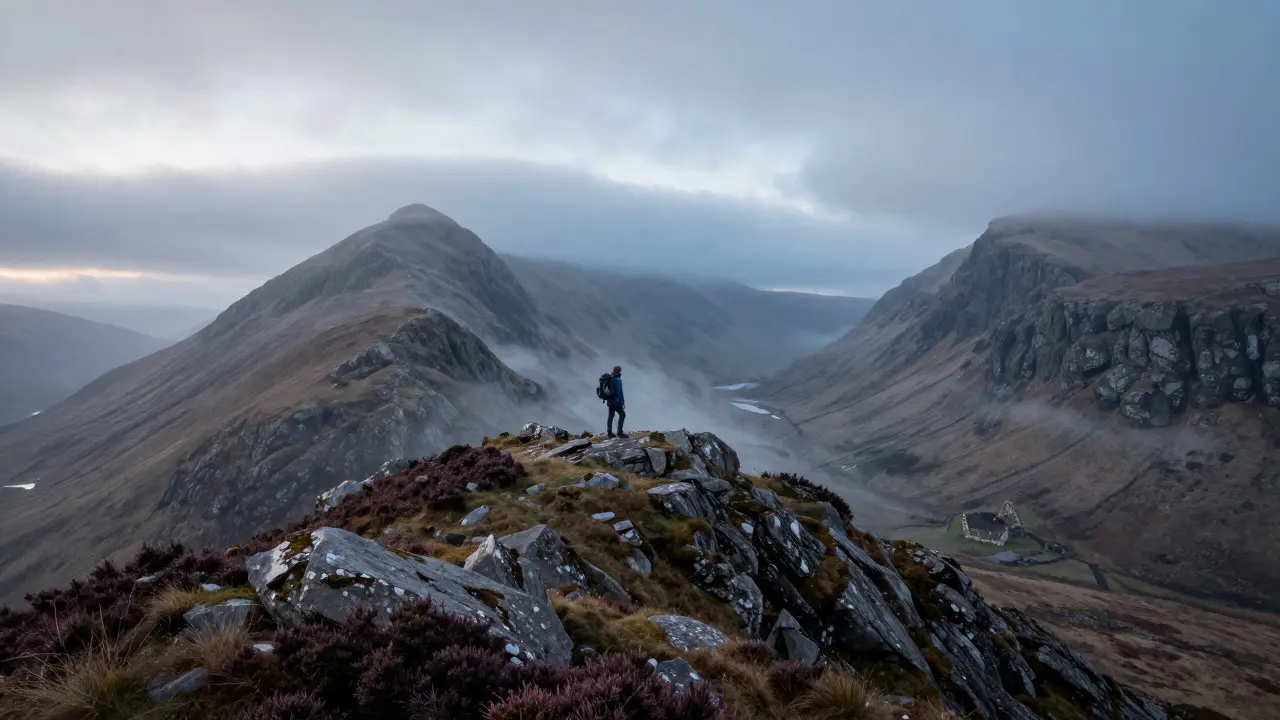
Most tourists flock to the Isle of Skye or Edinburgh Castle because they’ve seen them on screen. You know the drill: Outlander, Harry Potter, Braveheart. But if you want the real magic-the kind that doesn’t involve dodging crowds of selfie sticks-you need to look elsewhere. Scotland is packed with hidden film locations that rarely make it into the standard brochures. These are the places where directors went to capture raw beauty, ancient mystery, and stark landscapes without the interference of thousands of fans.
Finding these spots requires a shift in perspective. Instead of chasing the famous landmarks, we’re looking for the atmospheric backdrops that gave major films their soul. From the misty lochs of the Northwest Highlands to the rugged coastlines of Argyll, there are dozens of lesser-known scenes waiting to be discovered. This guide maps out those secret spots, explaining why they were chosen and how you can visit them today.
Why Hidden Locations Matter in Scottish Cinema
Directors often choose obscure locations for practical reasons. Light quality, isolation, and permission ease play huge roles. When a filmmaker wants to shoot a scene that feels timeless or otherworldly, they avoid busy roads and modern infrastructure. Scotland’s remote areas offer this perfectly. The lack of light pollution in places like the Cairngorms or the sheer verticality of the Cuillin Hills provides a visual texture that studios struggle to replicate artificially.
Moreover, these hidden gems often hold historical weight that isn’t immediately obvious to the casual observer. A ruined castle might not have a name tag, but it could be a site from the Jacobite risings or a medieval stronghold. Filmmakers leverage this atmosphere. By visiting these sites, you’re not just seeing a movie set; you’re stepping into a layered history that cinema has preserved for you.
Are these hidden film locations accessible to the public?
Most of the locations mentioned are in public land areas under the Land Reform (Scotland) Act 2003, which grants right-to-roam access. However, some may require hiking through rough terrain or crossing private land with permission. Always check local signage and respect grazing livestock.
Do I need a map app to find these spots?
Yes, digital maps like OS Maps or AllTrails are essential. Many of these locations lack clear road signs. Download offline maps before heading out, as mobile signal can be non-existent in remote highland valleys.
What is the best time of year to visit these sites?
Late spring (May-June) and early autumn (September-October) offer the best balance of daylight and manageable weather. Winter brings extreme cold and short days, while summer attracts more tourists even to remote areas.
Can I camp near these hidden film locations?
Wild camping is generally permitted in Scotland unless restricted by specific bylaws. Follow the Scottish Wild Camping Code: leave no trace, keep fires small, and stay away from water sources. Some national parks have designated campsites for convenience.
Are there guided tours for these lesser-known spots?
Few commercial tours cover these specific hidden locations due to their remoteness. Independent local guides in regions like the Hebrides or Cairngorms often offer bespoke trips. Check platforms like Airbnb Experiences or local visitor centers for specialized operators.
How do I ensure I don't disturb wildlife at these sites?
Keep a safe distance from birds of prey and red deer, especially during calving season (April-May). Stick to established paths where possible, and avoid using drones without checking local restrictions, as they can stress nesting animals.
Is photography allowed at all these locations?
Yes, personal photography is widely encouraged. Commercial shoots may require permits from National Park authorities or landowners. Respect any temporary closures for conservation or agricultural reasons.
What gear should I bring for exploring these areas?
Sturdy waterproof hiking boots, layered clothing, a rain jacket, and a headlamp are essentials. Carry a first-aid kit, plenty of water, and snacks. Weather changes rapidly in the Highlands, so preparation is key.
Are there any dangers associated with these remote locations?
Risks include sudden weather changes, slippery terrain, and isolation. Inform someone of your plans, carry a charged phone with emergency contacts, and consider a personal locator beacon if venturing very deep into remote areas.
How can I support local communities when visiting these spots?
Stay in local B&Bs, eat at nearby pubs, and buy souvenirs from independent shops. Your spending helps maintain the infrastructure and services that make these areas accessible and welcoming.
Comments (8)
-
Courtney Wagstaff August 7, 2026
Oh my gosh, this is exactly the kind of guide I needed for my upcoming trip. Everyone always tells you to go to Skye and then you’re just standing in a sea of tourists trying to take a selfie with a castle that’s barely visible through the crowd. I love the idea of chasing the atmosphere instead of the landmarks. The bit about light pollution in the Cairngorms really stuck with me because that’s where the magic happens when it’s quiet.

-
Brenna Gonedrman August 9, 2026
Let’s be real here, most people don’t actually want hidden locations they just want to say they were there without doing the work. You think directors picked these spots for the 'raw beauty'? Please. They picked them because the landowners were cheap and the permits were easy. It’s not about mystery, it’s about logistics. But sure, keep telling yourself it’s about the soul of the film while you struggle up a muddy hill with no signal.

-
Courtney Wagstaff August 9, 2026
Haha, okay maybe there’s some truth to the logistics part but come on, Brenna, don’t kill the vibe! I mean, yeah, if it was too hard to get to, they wouldn’t shoot there, but isn’t it cool that we can still find those quiet moments? I’m just excited to try it out myself next spring. Maybe I’ll prove you wrong and find some actual magic.
-
tiffany King August 10, 2026
This is such a refreshing perspective on traveling Scotland! We often forget that the best experiences are the ones we stumble upon rather than the ones we plan around famous sites. I really appreciate the practical tips included here too, especially the reminder about checking local signage and respecting livestock. It makes the whole adventure feel more responsible and grounded. Can’t wait to share this with my hiking group!

-
Joanna Mucha August 10, 2026
The notion that one must seek 'hidden' places to find authenticity is a quaint, bourgeois delusion. True artistry transcends geography; it resides in the viewer's capacity to perceive the sublime within the mundane. These so-called secret spots are merely constructs of cinematic narrative, imposing a false layer of mystique upon otherwise indifferent landscapes. One does not need to trek into the Cairngorms to understand the human condition, nor does one require the absence of selfie sticks to validate their spiritual journey. It is a performative act of tourism disguised as exploration.

-
Kim Edwards August 11, 2026
Wait, hold on. Are you telling me I have to hike through mud and deal with angry sheep just to see a background from a movie? That sounds like absolute torture. I paid good money for tickets to the Harry Potter studio tour where I could sit in a heated room and drink butterbeer. This whole 'raw beauty' thing sounds like a recipe for hypothermia and regret. Who even has time for this nonsense?

-
Meagan Mueller August 11, 2026
they dont want you to know the real locations because the government uses the remote highlands for testing experimental surveillance drones under the guise of wildlife monitoring check the dates on the film shoots vs the sudden no-fly zones in argyll its all connected stay awake

-
Bonnie Watt August 12, 2026
Sure, right. Another article telling us to avoid the crowds like they’re contagious. Newsflash: if a place is beautiful enough to be in a movie, someone else will figure it out too. And honestly, wild camping? In Scotland? Good luck keeping your tent dry and your dignity intact. Most people who post about 'hidden gems' are just bragging about how much suffering they endured for an Instagram photo. Save your money and stay home.
