
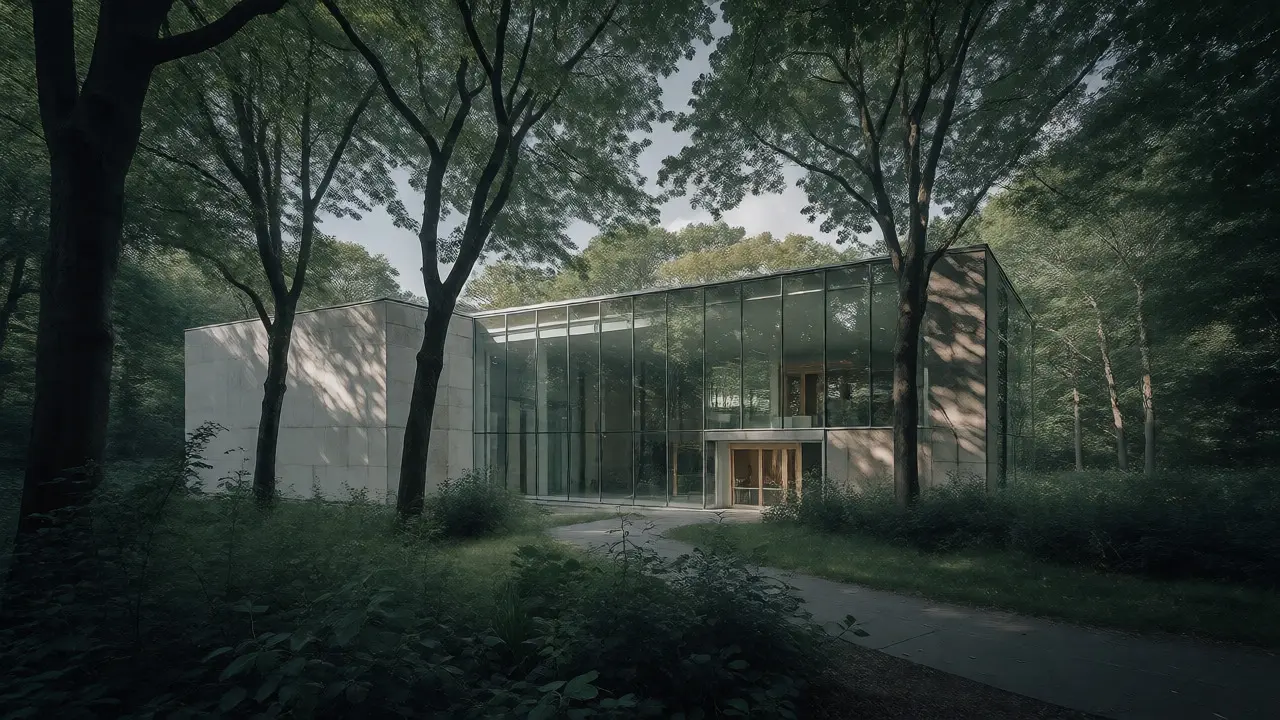
You might not expect one of the world's finest collections of medieval art and French Impressionist paintings to be hiding in a woodland park on the south side of Glasgow. But that is exactly where you will find the Burrell Collection. It is a museum that feels less like a sterile institution and more like a private estate opened up for public enjoyment. If you are planning a trip to Scotland, or if you live nearby and have been putting off visiting because you think it is too far out, this guide will change your mind.
Why This Museum Matters
Sir William Burrell was a shipping magnate who spent his fortune buying art. He didn't just buy famous names; he bought what he loved. His collection includes everything from Chinese porcelain and medieval tapestries to Degas and Cézanne. What makes this place special is the setting. In 2022, after a massive £68 million renovation, the museum reopened with a design that blends modern architecture with its historic surroundings. It is no longer just a building; it is an experience integrated into Pollok Country Park.
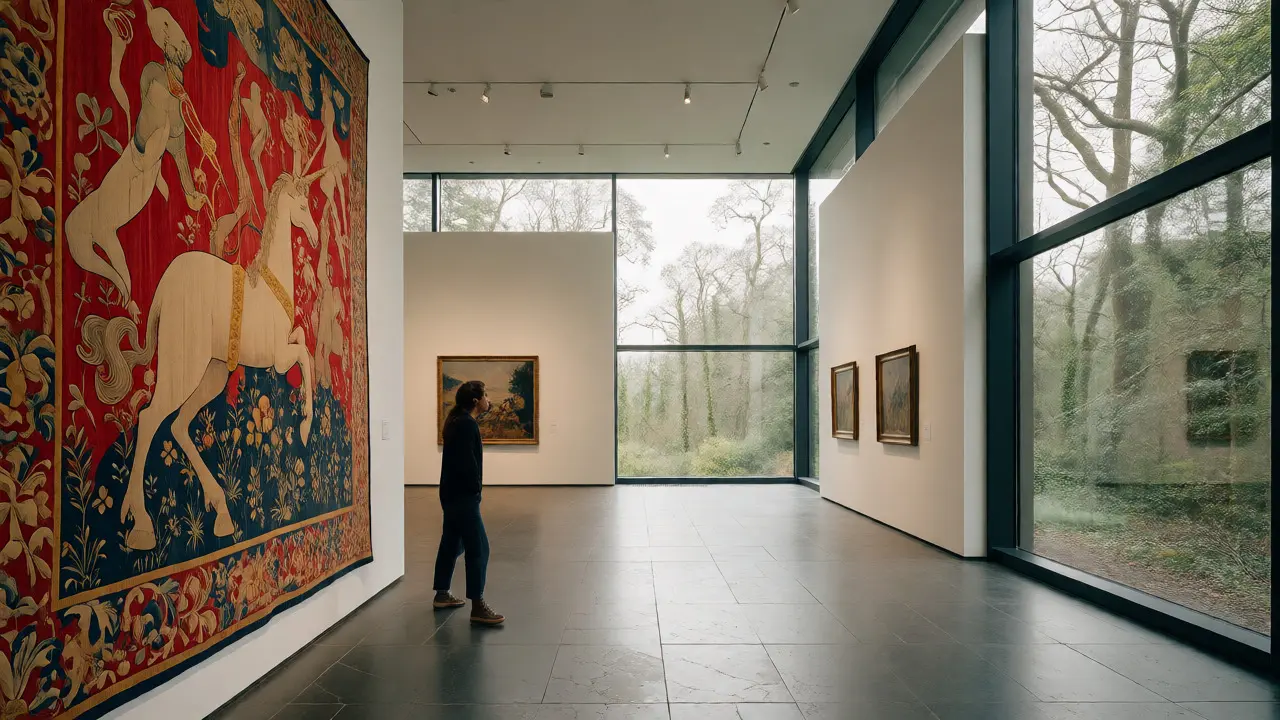
The renovation was controversial at first. Some purists worried about changing a listed building. But walking through the new galleries, you realize they got it right. The light is natural, the spaces are airy, and the connection between the art and the trees outside is seamless. You can stand in front of a Renoir and see the greenery through the glass walls. It grounds the art in reality.
Getting There and Practical Details
One of the biggest hurdles for visitors is transport. Glasgow Central Station is close, but the museum is tucked away in the park. Do not underestimate the walk. It takes about 45 minutes from the city center if you walk through the park, which is actually quite lovely if the weather holds. However, most people prefer the bus. Route 14 and Route 77 run directly to the park entrance. It is cheap, frequent, and drops you off near the main gates.
If you drive, there is parking, but it fills up quickly on weekends. The postcode G43 1DG works for sat-navs. Just remember that the park itself is huge, so ensure you are aiming for the specific museum car park, not just "Pollok Country Park" generally, unless you want to wander for ten minutes looking for signs.
| Feature | Details |
|---|---|
| Entry Fee | Free (donations welcome) |
| Opening Hours | 10am - 5pm daily (check website for holidays) |
| Best Time to Visit | Weekday mornings for quiet contemplation |
| Facilities | Café, gift shop, cloakroom, accessible toilets |
| Duration | 2-3 hours for highlights, half-day for full immersion |
What to See: The Highlights
You cannot see everything in one go. The collection has over 9,000 objects. Trying to rush through them leads to "museum fatigue," where your eyes glaze over and you stop retaining information. Instead, pick three or four areas that interest you.
Start with the Medieval Tapestries. Burrell had a keen eye for these. They are vivid, detailed, and surprisingly large. The "Hunt of the Unicorn" series is particularly striking. These aren't dusty relics; they tell stories of chivalry and mythology that still resonate today.
Next, head to the French paintings. This is where you find the heavy hitters. You will see works by Paul Gauguin, Edgar Degas, and Paul Cézanne. The quality rivals any major London gallery. Because the lighting is soft and natural, the colors pop in a way they don't under harsh fluorescent lights. Look closely at Degas' dancers; the brushwork is loose and energetic, capturing movement rather than just form.
Do not skip the Chinese ceramics and jades. This section often gets overlooked by Western-focused tourists, but it is world-class. The craftsmanship is incredible. You can spend twenty minutes just looking at the detail on a single Ming dynasty vase. It offers a calm counterpoint to the emotional intensity of the European paintings.
The Park Experience
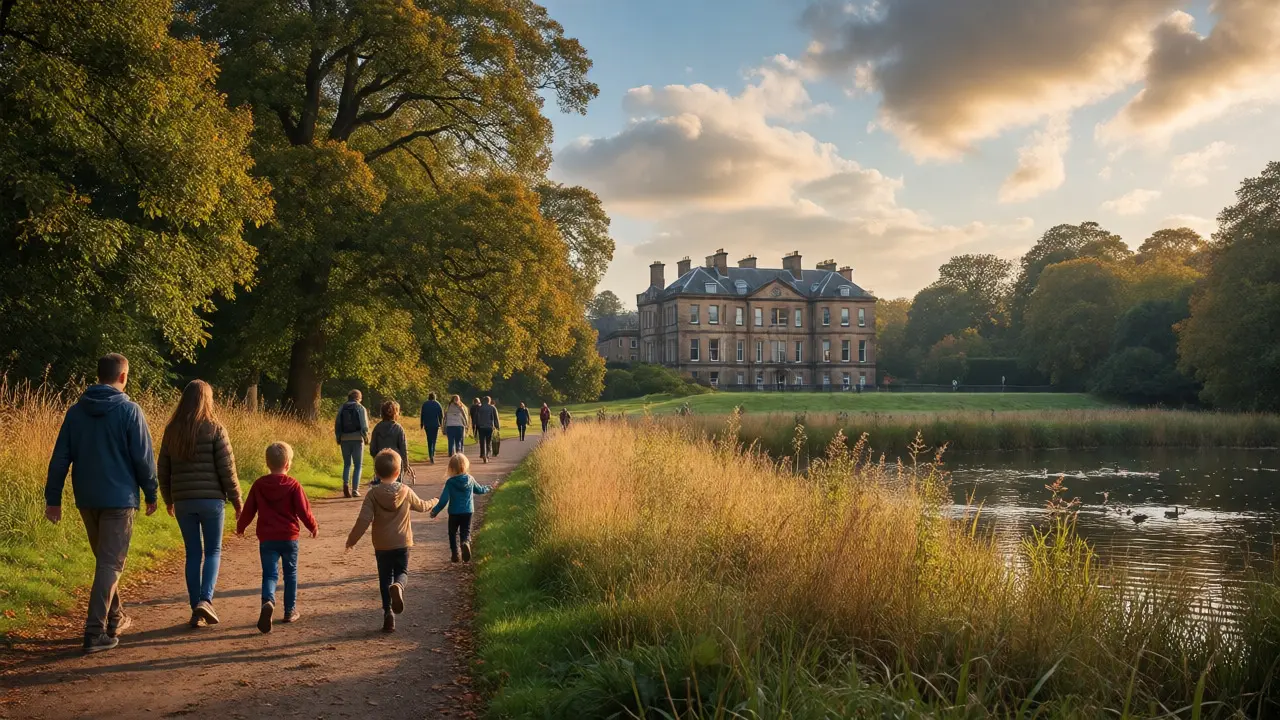
The museum is part of Pollok Country Park, which is larger than some city parks in Europe. Once you are done inside, step outside. The contrast between the cool, quiet galleries and the fresh air is refreshing. If you have energy left, walk towards Pollok House. It is another National Trust property, a grand baronial mansion that gives you a glimpse into how the wealthy lived in the 19th century. It is only a five-minute walk from the museum.
For families, the park is a playground. Children can run around, feed ducks by the river, or explore the farm animals at the working farm within the park. It turns a cultural outing into a day out that doesn't bore kids stiff. The café inside the museum is also decent, offering local Scottish produce, which is a nice touch compared to generic chain coffee shops found in many museums.
Insider Tips for a Better Visit
- Go Early: The museum opens at 10 am. Be there then. By noon, tour groups arrive, and the popular rooms get crowded. Morning light is best for photography too.
- Use the Audio Guide: It is free. Many people skip audio guides, thinking they are boring. This one isn't. It features voices from curators and even Burrell himself reading from his diaries. It adds context you won't get from wall labels alone.
- Dress Comfortably: You will be standing and walking. The floors are polished stone in some areas and wood in others. Wear shoes with good support.
- Check for Special Exhibitions: While the permanent collection is free, special exhibitions sometimes require a ticket. Check the website before you go to avoid disappointment.
Comparing It to Other Glasgow Museums
Glasgow has other great museums. The Kelvingrove Art Gallery and Museum is iconic, located right next to the university. It is grander, more theatrical, and easier to reach from the west end. However, Kelvingrove is often packed with school trips and tourists. The Burrell is quieter, more intimate, and focused purely on art rather than mixed natural history and art displays.
If you love architecture and grandeur, go to Kelvingrove. If you want to focus on art in a peaceful setting with nature, choose the Burrell. Both are free, so if you have two days, do both. But if you only have one afternoon, let your preference for atmosphere decide.
Frequently Asked Questions
Is the Burrell Collection really free?
Yes, general admission to the permanent collection is completely free. Donations are appreciated to help maintain the building and programs. Some temporary exhibitions may charge a small fee, but this is clearly advertised.
How long does it take to visit the Burrell Collection?
Plan for at least two hours if you want to see the highlights without rushing. If you are an art enthusiast who likes to read every label and sit with pieces, allow three to four hours. Adding time for a walk in Pollok Country Park or a visit to Pollok House could easily make it a half-day or full-day activity.
Is the Burrell Collection suitable for children?
Absolutely. The museum offers family trails and activity packs for younger visitors. The surrounding park is fantastic for letting kids burn off energy. The open spaces and animal farms nearby make it a very child-friendly destination compared to cramped city-center galleries.
Can I photograph the artworks?
Non-flash photography is generally permitted for personal use throughout the permanent collection. However, always check the signage in specific exhibition rooms, as loaned items or special displays may have different rules. Tripods are usually not allowed during busy times.
Is there food available on site?
Yes, there is a café within the museum serving hot and cold drinks, snacks, and light meals using local ingredients. There are also picnic benches outside if you prefer to bring your own lunch and eat in the park. Note that eating is not allowed inside the galleries.