
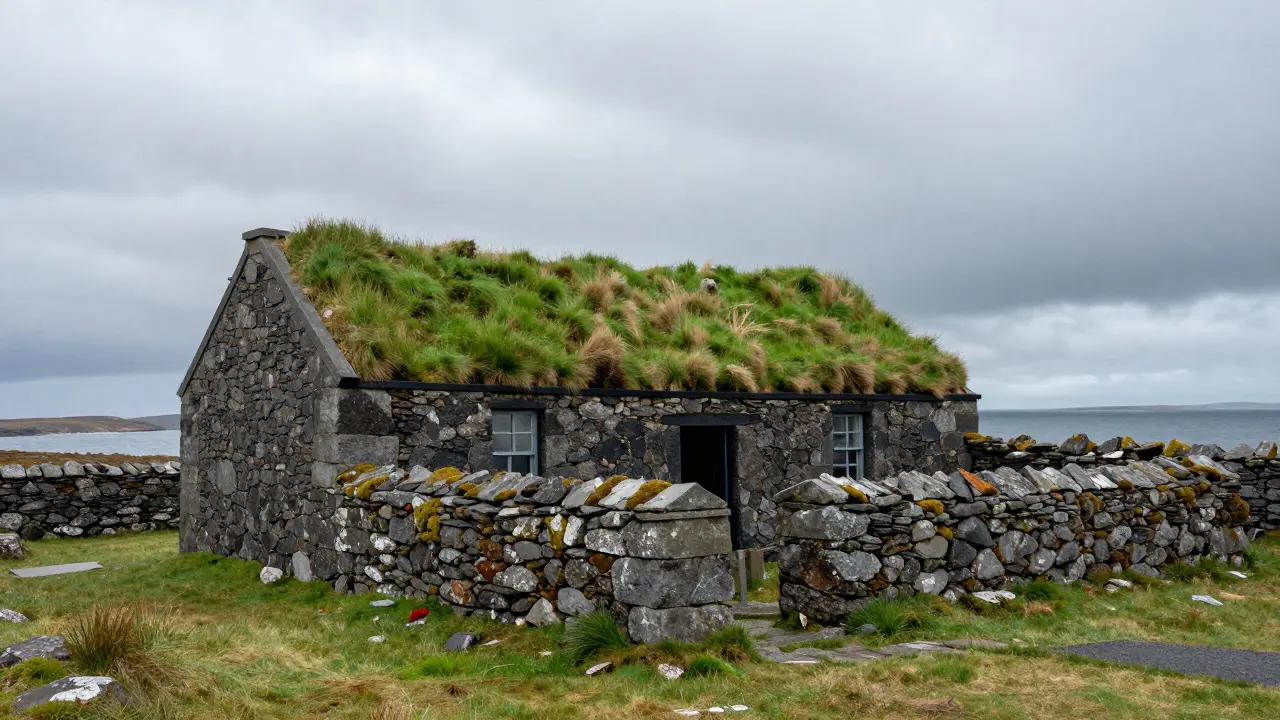
Imagine stepping into a room where the air is thick with the scent of peat smoke, where sunlight barely penetrates through a small window, and where the walls are made of stacked stones without mortar. This isn't a scene from a fantasy novel; it is the reality inside a blackhouse, a type of traditional dwelling that defined life in the Outer Hebrides for centuries.
If you have ever wondered how people survived the harsh Atlantic winds and freezing winters before modern insulation and heating, these structures hold the answer. They are not just ruins or museum pieces; they are masterclasses in sustainable architecture and community resilience. Today, we explore what makes these buildings unique, where you can find the best preserved examples, and why they matter more than ever in our quest for eco-friendly living.
The Anatomy of a Blackhouse
A blackhouse is not simply a 'dark house.' The name comes from the darkening of the interior walls caused by centuries of soot from open hearths. Unlike the whitewashed cottages you might see in other parts of Scotland, these buildings were designed to trap heat and withstand brutal weather conditions.
The construction method is remarkably simple yet effective. Builders used local materials-stones gathered from the surrounding fields and turf for roofing. The walls are typically built using a technique called drystone walling, where stones are carefully stacked without any cement. This allows the structure to breathe, preventing dampness from building up inside.
- Thick Walls: Often over two feet thick at the base, tapering towards the top to create a curved roofline.
- Turf Roofs: Made from layers of grass and soil, providing excellent insulation against both cold and heat.
- Single Room Layout: Most blackhouses consisted of one large multi-purpose room, maximizing warmth and space efficiency.
- Low Doorways: Designed to keep wind out and retain heat, forcing visitors to bow upon entry-a subtle sign of respect.
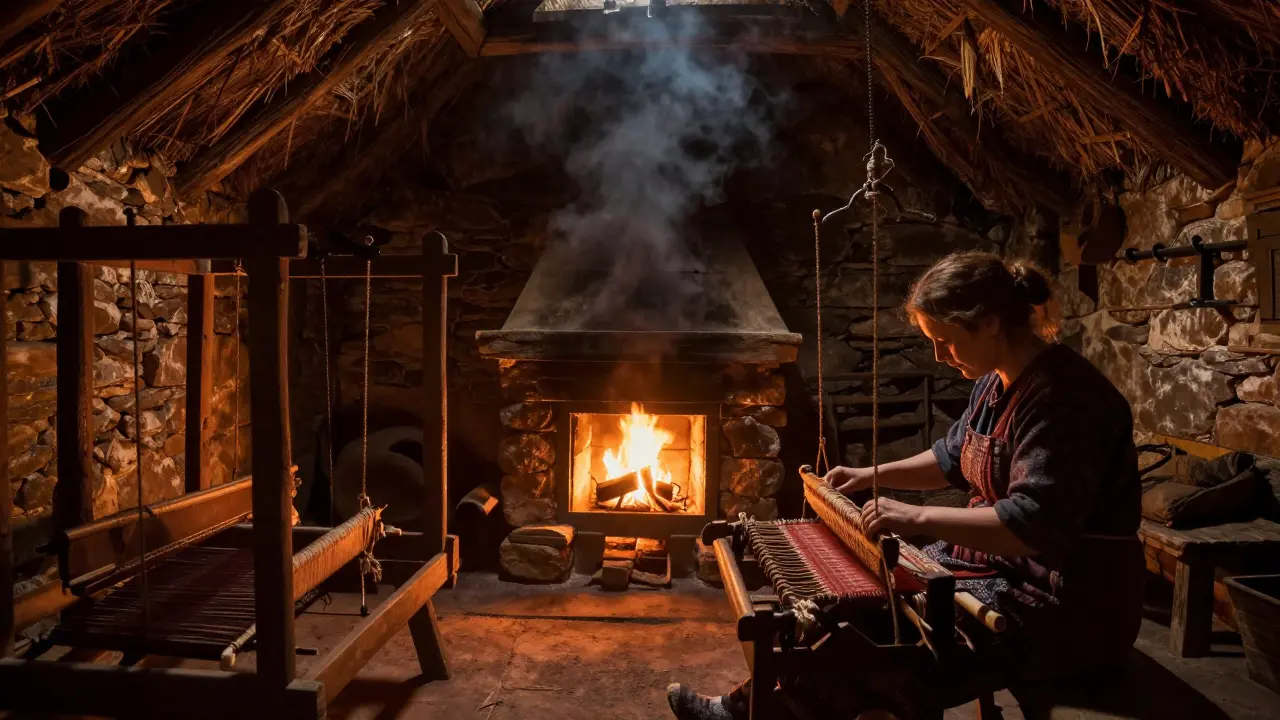
Inside, the layout was strictly functional. One end of the house housed the family bed, while the other end contained the cattle shed. Yes, humans and animals shared the same roof space. This wasn't just about convenience; the body heat from the livestock helped warm the sleeping area during bitter winter nights. In the center stood the open hearth, the heart of the home, where cooking, heating, and socializing all took place.
Life Inside the Stone Walls
Living in a blackhouse required a deep understanding of natural rhythms and resource management. Families relied heavily on agriculture, fishing, and weaving. Women often practiced tweed weaving, creating intricate patterns that became synonymous with Highland culture. Men tended to sheep farming and fishing, adapting their schedules to the tides and seasons.
The diet was modest but nutritious, consisting mainly of potatoes, oats, fish, and dairy products. Preservation techniques like salting and smoking ensured food lasted through long winters. Social life revolved around communal events such as ceilidhs (traditional gatherings) and religious festivals, strengthening bonds within tight-knit communities.
Despite the hardships, there was a profound sense of connection to the land and sea. Every stone placed in the wall had been touched by generations before, creating a tangible link to ancestry. This continuity fostered a strong cultural identity that persists today among descendants of Hebridean families.
Why Blackhouses Disappeared
By the late 19th century, many blackhouses began falling into disuse. Several factors contributed to this decline:
- Clearances: Forced evictions during the Highland Clearances displaced thousands of residents, leaving homes abandoned.
- Modernization: Newer housing styles offered better ventilation and sanitation, appealing to those seeking improved living standards.
- Economic Shifts: Industrialization drew younger generations away from rural livelihoods toward urban opportunities.
However, rather than disappearing entirely, blackhouses transitioned into symbols of heritage. Preservation efforts started gaining momentum in the mid-20th century, recognizing their historical significance and architectural ingenuity.
Where to See Authentic Examples
Fortunately, several well-preserved blackhouses remain accessible to visitors across the Hebrides. Here are some standout locations worth exploring:
| Location | Description | Highlights |
|---|---|---|
| Stornoway Museum (Isle of Lewis) | Houses an authentic reconstructed blackhouse. | Interactive exhibits showcasing daily life artifacts. |
| Kisimul Castle Grounds (Barra) | Features remnants of original dwellings near medieval castle ruins. | Scenic coastal views combined with historical context. |
| Skye's Uig Village | Contains restored blackhouses integrated into village tours. | Guided walks explaining regional variations in design. |
| Niaval Blackhouse (South Uist) | An exceptionally intact example dating back to the 1800s. | Detailed interpretation panels detailing construction methods. |
Each site offers something distinct, whether it’s hands-on demonstrations of traditional crafts or immersive storytelling sessions led by local guides. Visiting these places provides insight not only into past lifestyles but also inspires appreciation for sustainable practices embedded in older ways of living.
Lessons for Modern Sustainability
In an era focused on reducing carbon footprints and promoting green technologies, blackhouses offer valuable lessons. Their passive solar design principles align closely with contemporary eco-building trends. Thick thermal mass walls regulate indoor temperatures naturally, minimizing reliance on artificial heating systems.
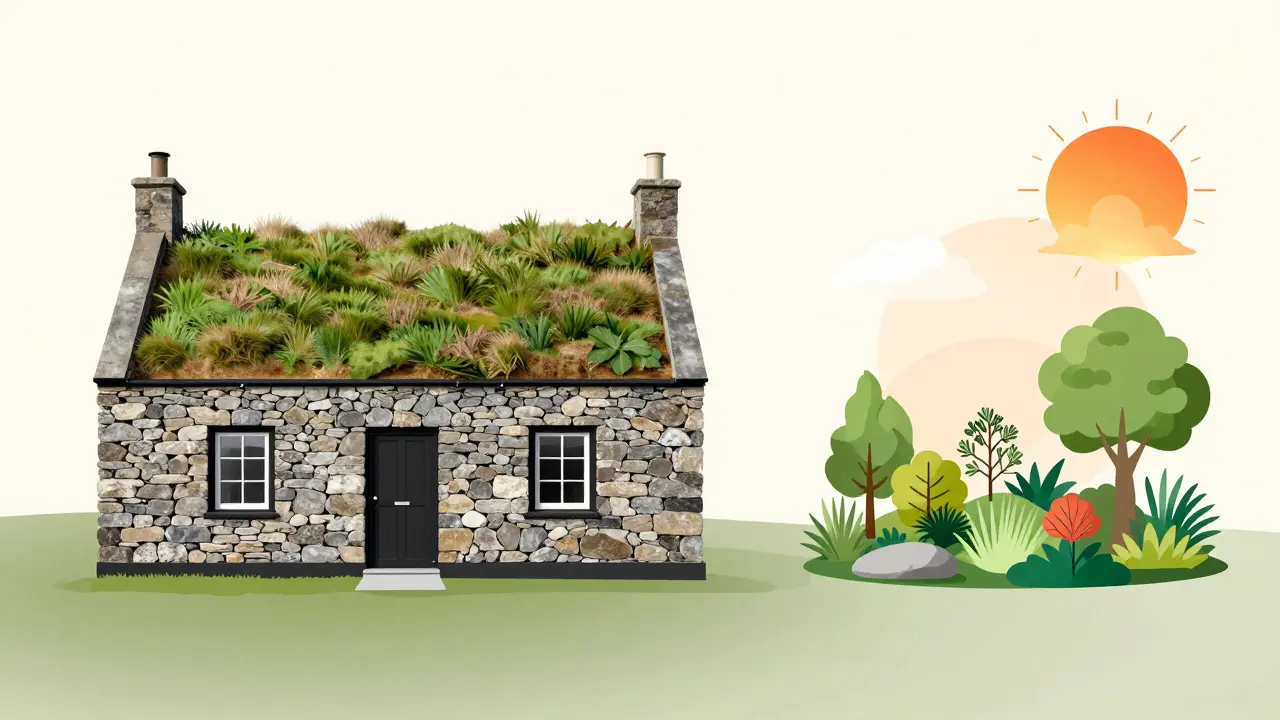
Turf roofs represent another innovative solution. Grass layers act as insulators while supporting biodiversity by hosting plants and insects. Reintroducing similar concepts could enhance urban greening initiatives worldwide.
Moreover, the emphasis on reusing locally sourced materials reduces transportation emissions associated with importing building supplies. Adopting circular economy models inspired by blackhouse builders might help address current waste challenges.
Preservation Challenges Ahead
Maintaining blackhouses poses ongoing difficulties due to limited expertise in traditional craftsmanship. Few artisans specialize in drystone walling or turf roofing techniques anymore. Training programs aimed at passing down skills to new generations become crucial.
Funding constraints also hinder restoration projects. Securing grants from organizations dedicated to cultural preservation remains essential. Community involvement plays equally vital roles; engaging locals fosters pride and encourages stewardship over shared heritage assets.
Climate change introduces additional risks. Increased rainfall intensity threatens fragile turf roofs prone to erosion. Implementing protective measures without compromising authenticity requires careful planning.
Connecting Past and Present
Exploring blackhouses connects us directly to ancestral roots. Understanding how previous inhabitants thrived despite adversity instills humility and perspective. It reminds us that innovation doesn’t always mean abandoning tradition-it sometimes means rediscovering forgotten wisdom.
Whether you’re interested in genealogy research, architectural studies, or personal enrichment, delving into blackhouse history enriches your worldview. These silent witnesses to human endurance invite reflection on progress versus sustainability balance sheets.
So next time you plan a trip to Scotland’s northwest coast, consider adding a stop at one of these remarkable sites. You’ll leave inspired-not merely entertained-and perhaps even motivated to incorporate timeless values into your own lifestyle choices.
What exactly defines a blackhouse?
A blackhouse refers specifically to traditional single-room dwellings found primarily in the Outer Hebrides characterized by thick drystone walls, turf roofs, and central open hearths resulting in soot-stained interiors.
Are there any functioning blackhouses still inhabited today?
While most original blackhouses serve educational purposes now, some newer constructions mimic traditional designs for holiday lets emphasizing experiential tourism experiences blending comfort with nostalgia.
How did families cook meals without chimneys?
Smoke escaped loosely through gaps between overlapping roof timbers allowing gradual dissipation outdoors though lingering odors inevitably permeated fabrics stored nearby necessitating regular airing routines.
Can tourists participate in rebuilding activities?
Certain conservation groups occasionally organize volunteer weekends enabling participants assist skilled craftsmen repairing damaged sections fostering intergenerational knowledge transfer alongside meaningful engagement opportunities.
Why do blackhouses look different compared to mainland Scottish cottages?
Geographical isolation influenced development paths leading distinct adaptations tailored uniquely suited extreme climatic conditions prevailing along exposed western seaboard regions unlike sheltered eastern locales favoring varied structural approaches accordingly.