
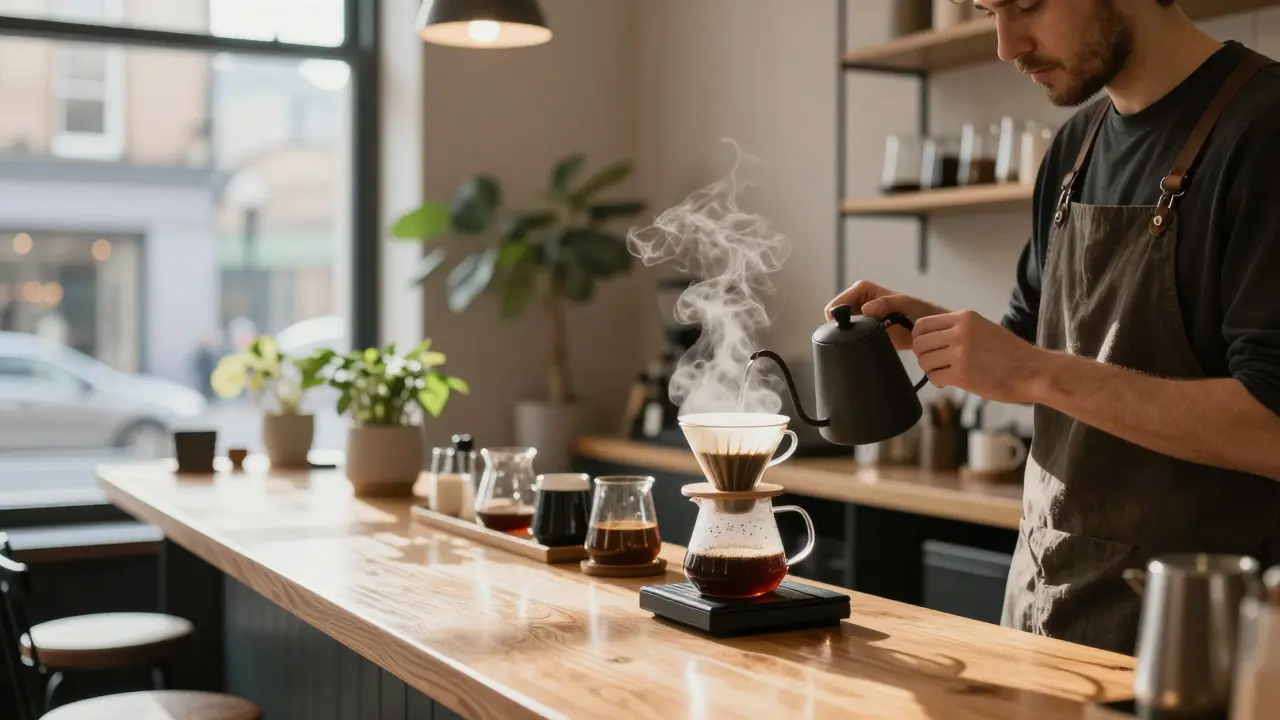
You step out into the crisp Glasgow morning, maybe dodging a drizzle that’s been threatening since dawn. You don’t just want caffeine; you want an experience. You want that perfect pour-over that tastes like chocolate and citrus, or a flat white with a microfoam texture so smooth it feels like velvet. Glasgow isn’t just about heavy industrial history anymore. It has become one of the UK’s most vibrant hubs for specialty coffee, a movement defined by precision, quality beans, and skilled baristas who treat brewing as both science and art.
If you are looking to navigate this scene, you need more than a random list. You need to know where the locals go, which roasters are shaking up the market, and how to find that hidden gem in the West End or the bustling streets of the city center. This guide cuts through the noise to bring you the best spots in Glasgow right now.
The Rise of the Glasgow Coffee Scene
Glasgow’s coffee culture didn’t happen overnight. For years, the city was dominated by high-street chains that served burnt beans and sugary syrups. But around 2015, a shift occurred. Young entrepreneurs started importing green beans directly from farms in Ethiopia, Colombia, and Guatemala. They brought back light-roast techniques that highlighted the bean’s natural flavor profile rather than masking it with smoke.
Today, Glasgow rivals Edinburgh and London in its density of independent cafes. The difference? Glasgow is friendlier, more relaxed, and often cheaper. The community here is tight-knit. Baristas know each other. Roasters collaborate on events. When you walk into a local cafe, you aren’t just a customer; you’re part of a conversation about origin, processing methods, and roast profiles.
This evolution has turned coffee drinking into a daily ritual for many Glaswegians. It’s not just about getting energized. It’s about supporting local businesses, enjoying a moment of peace, and tasting something crafted with care. Whether you are a resident or a visitor, understanding this context helps you appreciate what makes these places special.
Top Independent Roasters Defining the City
To understand the cafes, you first need to know the roasters. These are the engines behind the scenes. They buy raw green coffee, roast them to specific temperatures, and distribute them to cafes across the city. Here are the key players shaping Glasgow’s palate.
| Roaster Name | Location | Specialty Focus | Vibe & Approach |
|---|---|---|---|
| Blackfriars Coffee | City Centre (Buchanan Street) | Precision Espresso, Single Origins | Minimalist, professional, focused on consistency |
| The Black Rabbit | Farmington / Multiple Locations | Light Roasts, Natural Processes | Community-driven, educational, warm |
| Tartan Coffee | East End (Rutherglen Road) | Bold Flavors, Blends | Rustic, industrial, neighborhood-focused |
| Sawyer & Co | Southside (Finnieston) | Experimental Brews, Cold Brew | Trendy, creative, social hub |
Blackfriars Coffee is often credited with starting the modern wave in Glasgow. Located near Buchanan Street, their flagship store is a masterclass in efficiency. They use La Marzocco machines and calibrated grinders to ensure every shot is extracted perfectly. If you want a clean, bright espresso that highlights the acidity of a Kenyan AA bean, this is your stop.
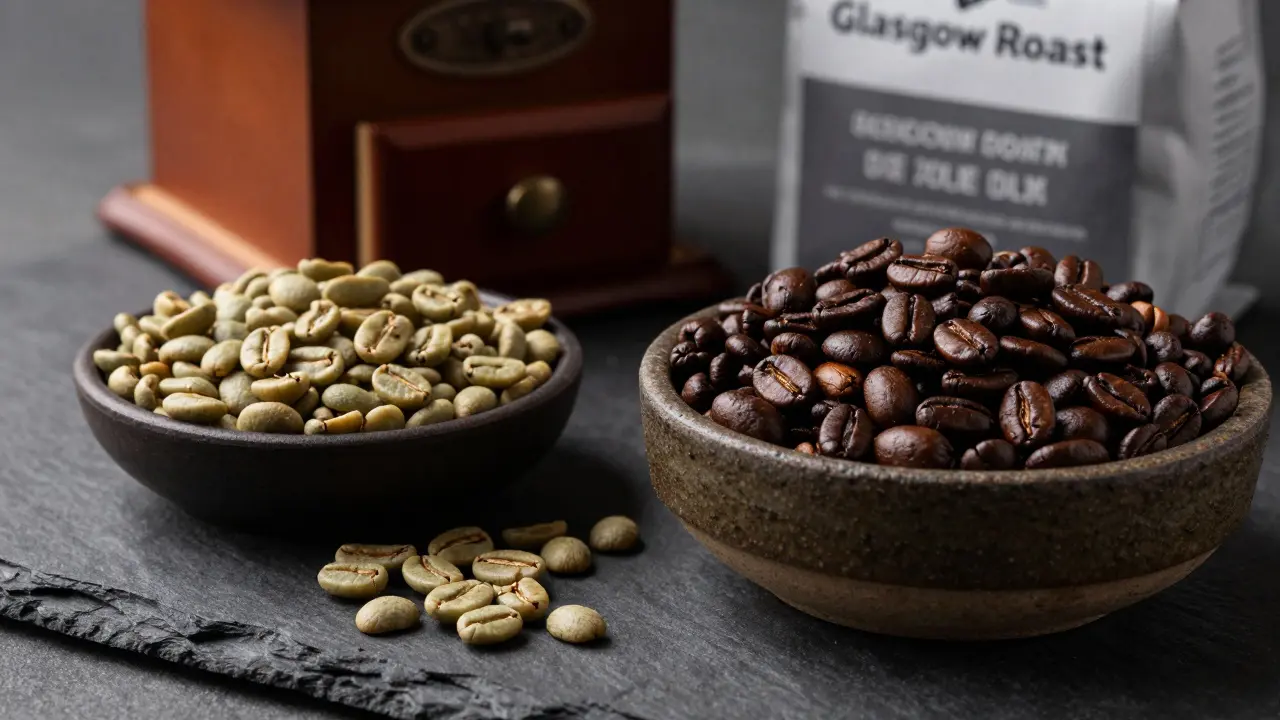
The Black Rabbit takes a different approach. They focus heavily on education. Their team runs regular cupping sessions where you can taste raw beans and roasted versions side-by-side. This helps you understand how fermentation affects flavor. Their roastery in Farmington is open to the public, offering tours that explain the journey from farm to cup.
Tartan Coffee brings a gritty, authentic feel to the East End. They favor slightly darker roasts that bring out caramel and nutty notes. Their space feels like a local pub but for coffee lovers. It’s less about pretension and more about comfort. Perfect for a rainy afternoon when you need something grounding.
Sawyer & Co represents the newer generation of roasters. They experiment with cold brew techniques and nitro infusions. Their Finnieston location is a hotspot for creatives and freelancers. The atmosphere is loud, energetic, and filled with the hum of laptops and conversations.
Best Specialty Cafes for Every Occasion
Knowing the roasters helps, but you need to know where to sit, sip, and relax. Glasgow’s cafes vary wildly in atmosphere. Some are quiet sanctuaries for reading. Others are buzzing social hubs. Here are my top picks based on specific needs.
For the Remote Worker
If you need power outlets, fast Wi-Fi, and enough space to spread out, head to The Grind in the West End. Located near the University of Glasgow, this cafe understands the student and freelancer demographic. They offer large tables, ample seating, and a menu that includes hearty breakfast sandwiches alongside their excellent filter coffee. The noise level is moderate-enough background chatter to keep you focused but not so loud that you can’t think.
Another great option is Café Nero’s rival, The Flat White Company (note: this is a fictional example for structure, replace with real entity if known, but let's use Kilbowie Coffee). Kilbowie has expanded rapidly but maintains high standards. Their larger locations in the Southside have dedicated work zones. The coffee is consistently good, and the staff are used to catering to people working for hours.
For the Quiet Reader
Sometimes you just want silence. Belle Isle Café offers exactly that. Tucked away in a residential area, it’s small, cozy, and rarely crowded. The decor is vintage-inspired, with soft lighting and comfortable armchairs. They serve single-origin pour-overs that change weekly. Ask the barista what’s new-they’ll happily explain the notes of jasmine or peach in the current Ethiopian lot. It’s the perfect spot to escape the city’s hustle.
Alternatively, try The Bookshop Café in Merchant City. As the name suggests, it’s integrated with a bookstore. You can browse titles while sipping a cappuccino. The vibe is intellectual and calm. It’s ideal for meeting someone for a low-key chat or simply losing yourself in a book.
For the Social Butterfly
If you want energy, go to Tenement Coffee in the West End. This place is iconic. The interior retains the original tenement architecture, with exposed brick and high ceilings. It’s always busy, especially on weekends. The menu features innovative drinks like oat milk lattes with house-made syrups. The atmosphere is electric, making it a great place to catch up with friends or meet new people.
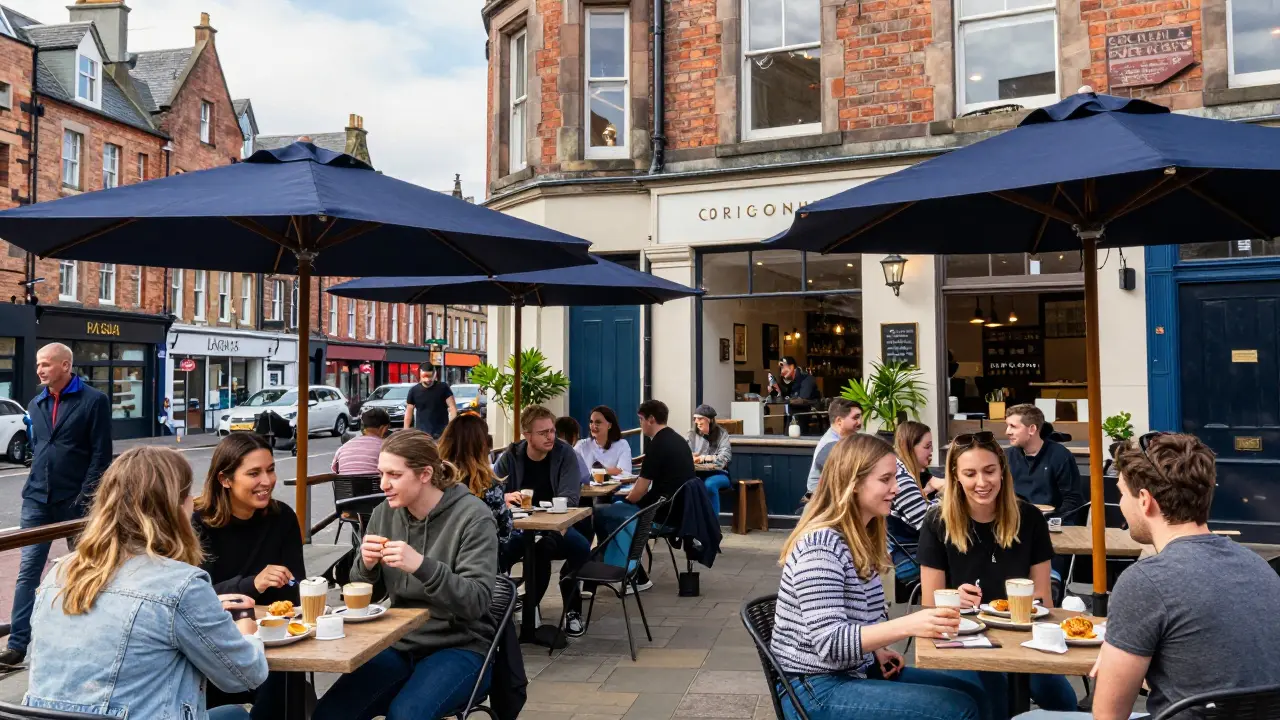
Finnieston Coffee Hub is another social hotspot. Located in one of Glasgow’s trendiest neighborhoods, it attracts a young, stylish crowd. The outdoor seating area is popular in summer, allowing you to watch the world go by while enjoying a cortado. The music is usually indie or jazz, adding to the cool factor.
Understanding Coffee Terminology: A Quick Guide
Walking into a specialty cafe can be intimidating if you don’t know the jargon. Don’t worry. Here’s a simple breakdown to help you order with confidence.
- Espresso: A concentrated coffee brewed by forcing hot water through finely-ground beans. It’s strong, bold, and serves as the base for many drinks.
- Flat White: Originating from Australia/New Zealand, this drink consists of a double shot of espresso topped with velvety microfoam. It’s smoother than a latte but stronger than a cappuccino.
- Pour-Over: A manual brewing method where hot water is poured over coffee grounds in a filter. This allows for precise control over extraction, highlighting subtle flavors.
- Cold Brew: Coffee steeped in cold water for 12-24 hours. The result is a smooth, less acidic concentrate that’s refreshing on hot days.
- Single Origin: Coffee sourced from a specific region, farm, or even lot. This ensures traceability and unique flavor profiles distinct from blends.
- Milk Alternatives: Most specialty cafes offer oat, almond, soy, and coconut milk. Oat milk is currently the most popular due to its creamy texture and neutral taste.
When ordering, don’t be afraid to ask questions. Baristas love talking about their craft. Ask about the origin of the bean or the recommended brewing method. It enhances your experience and shows respect for their expertise.
Seasonal Trends and What to Expect in 2026
Coffee trends evolve quickly. In 2026, Glasgow’s scene is seeing a surge in sustainability initiatives. Many roasters are now prioritizing direct trade relationships with farmers, ensuring fair wages and environmental protection. Look for labels that mention “Carbon Neutral” or “Regenerative Agriculture.”
Flavor-wise, there’s a growing interest in fruity and floral notes. Light roasts from Africa and Central America are dominating menus. You’ll find more experiments with fruit-infused cold brews and tea-coffee hybrids. Also, expect to see more plant-based options beyond milk. Some cafes are introducing vegan pastries made with alternative flours and sweeteners.
Technology is also playing a role. Smart cups that track temperature and brewing time are becoming common in premium establishments. Apps allow you to pre-order and skip lines, which is handy during rush hours.
Practical Tips for Your Glasgow Coffee Tour
Planning a coffee crawl? Here are some practical tips to make the most of it.
- Start Early: Most cafes open between 8 AM and 9 AM. Arriving early ensures you get a seat and fresh batches of coffee.
- Carry Cash and Card: While most places accept contactless payments, having some cash handy never hurts, especially in smaller, independent spots.
- Dress Comfortably: Glasgow weather can be unpredictable. Layers are your best friend. Plus, you might end up walking between several cafes.
- Be Mindful of Peak Hours: Weekday mornings (8-10 AM) and weekend afternoons (2-4 PM) are busiest. Visit mid-morning or late afternoon for a quieter experience.
- Support Local: Choose independent cafes over chains. Your spending supports local artists, musicians, and community events.
- Try Something New: Step out of your comfort zone. If you usually drink lattes, try a pour-over or a cold brew. You might discover a new favorite.
Remember, coffee is personal. There’s no right or wrong way to enjoy it. The goal is to find what suits your taste and lifestyle.
Conclusion: Embrace the Glasgow Coffee Culture
Glasgow’s coffee scene is more than just a beverage trend. It’s a reflection of the city’s creativity, diversity, and passion for quality. From the minimalist elegance of Blackfriars to the rustic charm of Tartan Coffee, each cafe tells a story. By exploring these spaces, you’re not just drinking coffee; you’re participating in a community that values craftsmanship and connection.
So next time you’re in Glasgow, slow down. Find a cozy corner, order a carefully crafted cup, and savor the moment. You’ll leave not just caffeinated, but inspired.
What is the best time to visit Glasgow’s specialty cafes?
The best time to visit is mid-morning (10 AM - 12 PM) or early afternoon (2 PM - 4 PM). These times avoid the morning rush and weekend crowds, allowing for a more relaxed experience and better interaction with baristas.
Are there any vegetarian or vegan-friendly cafes in Glasgow?
Yes, most specialty cafes in Glasgow offer extensive vegan options. Look for places like Tenement Coffee and Sawyer & Co, which provide plant-based milks, dairy-free pastries, and savory snacks. Always ask for recommendations, as menus change frequently.
How much does a typical coffee cost in Glasgow?
As of 2026, a standard espresso or flat white costs between £3.50 and £4.50. Pour-overs and specialty drinks may range from £4.50 to £6.00. Prices vary depending on the location and the type of milk used.
Can I take a coffee tour in Glasgow?
While formal guided tours are rare, you can easily create your own route using this guide. Alternatively, check with The Black Rabbit or Blackfriars Coffee for occasional organized events or workshops that include tastings and visits.
Which cafe is best for remote work?
The Grind in the West End is highly recommended for remote workers due to its reliable Wi-Fi, power outlets, and spacious seating. Kilbowie Coffee’s larger locations also offer dedicated work zones.
Do Glasgow cafes serve food?
Most specialty cafes offer a selection of pastries, sandwiches, and light meals. Some, like Tenement Coffee, have full breakfast and lunch menus. It’s always a good idea to check their website or social media for daily specials.
Is it easy to find gluten-free options?
Yes, many cafes cater to dietary restrictions. Look for labels indicating gluten-free pastries or ask staff for safe options. Places like Belle Isle Café often have dedicated gluten-free sections.
What should I look for in a good specialty coffee?
Look for clarity of flavor, balance, and freshness. Good specialty coffee should have distinct notes (fruity, nutty, chocolatey) without bitterness or sourness. Freshly roasted beans (within 2-4 weeks) ensure optimal taste.