
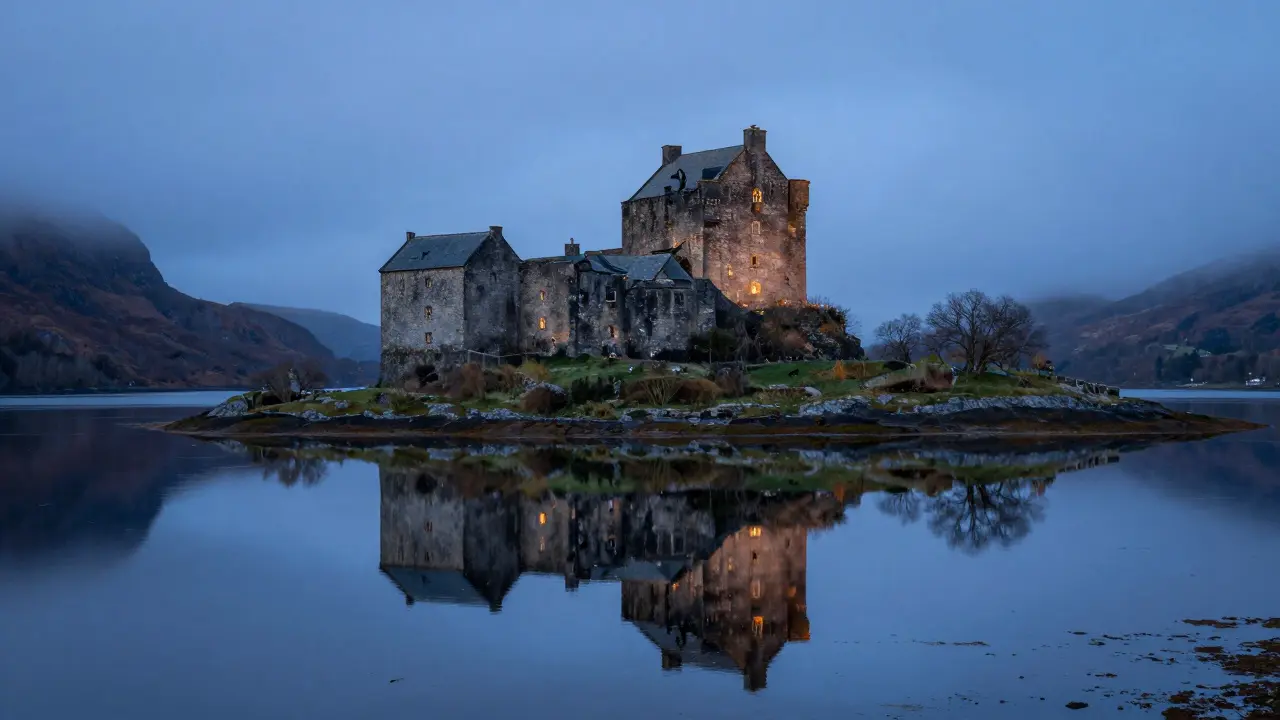
There is a specific moment in the Scottish Highlands when the light hits Eilean Donan Castle, sitting perfectly between three sea lochs, that makes every photographer stop breathing. The mist clings to the granite, the water turns to glass, and for ten minutes, you have the perfect shot. But if you miss it, or if you arrive at noon with harsh overhead sun, you get a postcard cliché instead of a masterpiece.
Photographing Scottish castles is less about capturing a building and more about capturing a mood. These structures are not just stone fortresses; they are emotional anchors in a landscape defined by drama, weather, and history. Whether you are shooting on a high-end mirrorless camera or a smartphone, the principles remain the same. You need to understand how the light behaves in this latitude, how to compose around decay and grandeur, and where to stand to tell a story.
The Golden Hour and the Scottish Sky
If there is one rule that governs photography in Scotland, it is this: respect the light. In the summer months, particularly from May through August, the sun stays up until nearly 10 PM. This gives you an extended golden hour, but it also means midday shadows can be short and unforgiving. The key is to shoot during the first hour after sunrise and the last hour before sunset. During these times, the light is soft, directional, and warm. It wraps around the turrets and highlights the texture of the sandstone and granite.
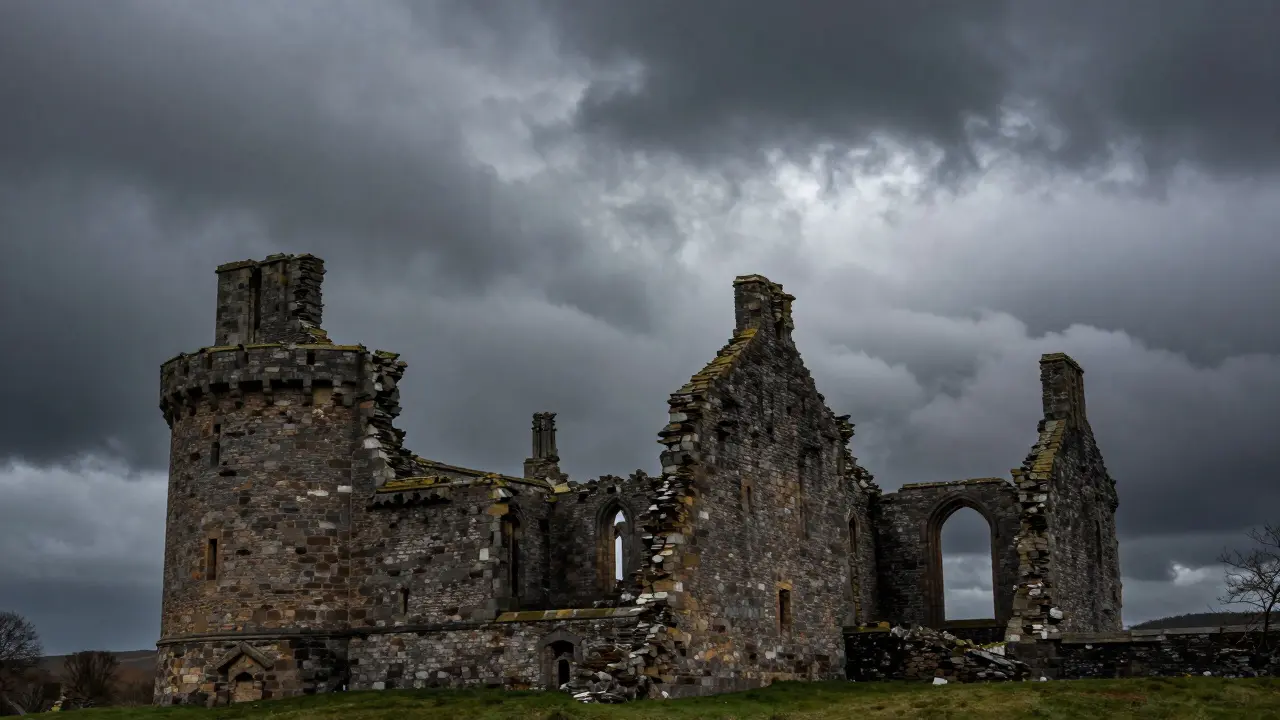
However, don't ignore the overcast days. Many photographers pack up when the clouds roll in, but grey skies act as a giant diffuser. They eliminate harsh contrasts, allowing you to capture deep greens in the surrounding foliage and rich blues in the water without blowing out the highlights. A stormy sky adds narrative weight to a ruin like Craignethan Castle. The drama comes from the contrast between the dark, brooding clouds and the solid, enduring stone.
- Sunrise: Offers cooler tones and fewer crowds. Ideal for moody, atmospheric shots.
- Sunset: Provides warm, golden light that enhances red sandstone structures.
- Overcast: Perfect for even lighting on ruins and detailed textures.
- Rain/Mist: Adds depth and mystery, especially for long-exposure water shots.
Choosing Your Subjects: Grandeur vs. Ruin
Not all castles offer the same photographic opportunities. Some are pristine, restored estates that look like hotels. Others are jagged skeletons clinging to cliffs. Your choice of subject dictates your approach. For grand, intact castles like Stirling Castle, focus on symmetry and scale. Use wide-angle lenses to encompass the entire structure against the backdrop of the Salisbury Crags. Look for leading lines in the cobblestones or pathways that draw the eye toward the entrance.
In contrast, ruins like Castle Stalker require a different mindset. Here, you are photographing nature reclaiming human ambition. Focus on details: the moss growing in the mortar, the broken archway framing a distant mountain, or the reflection in the still water of Loch Laich. These shots work best when you get close. Walk around the perimeter. Look down into the courtyard. Find the stories hidden in the decay.
| Castle Name | Best Time to Shoot | Key Photographic Feature | Recommended Lens |
|---|---|---|---|
| Eilean Donan | Sunset / Blue Hour | Reflections in Loch Duich | Wide Angle (16-35mm) |
| Craignethan | Stormy Afternoons | Dramatic Silhouettes | Telephoto (70-200mm) |
| Castle Stalker | Morning Mist | Towers against Loch Laich | Standard Zoom (24-70mm) |
| Urquhart Castle | Golden Hour | Cliffside Drama on Loch Ness | Wide Angle + Telephoto |
| Dunnottar Castle | High Tide / Storms | Sea crashing against cliffs | Ultra-Wide (14-24mm) |
Composition Techniques for Dramatic Results
A common mistake beginners make is centering the castle in the frame. While this works for architectural documentation, it rarely creates an engaging image. Instead, use the rule of thirds. Place the castle on one of the vertical third lines, leaving the other two-thirds for the sky, the water, or the surrounding landscape. This gives the eye room to travel and provides context.
Leading lines are your best friend. Use natural elements like paths, fences, or even the edge of a cliff to guide the viewer’s eye toward the castle. At Dunnottar Castle, the narrow path winding along the cliff edge serves as a powerful leading line. It emphasizes the isolation and precariousness of the location.
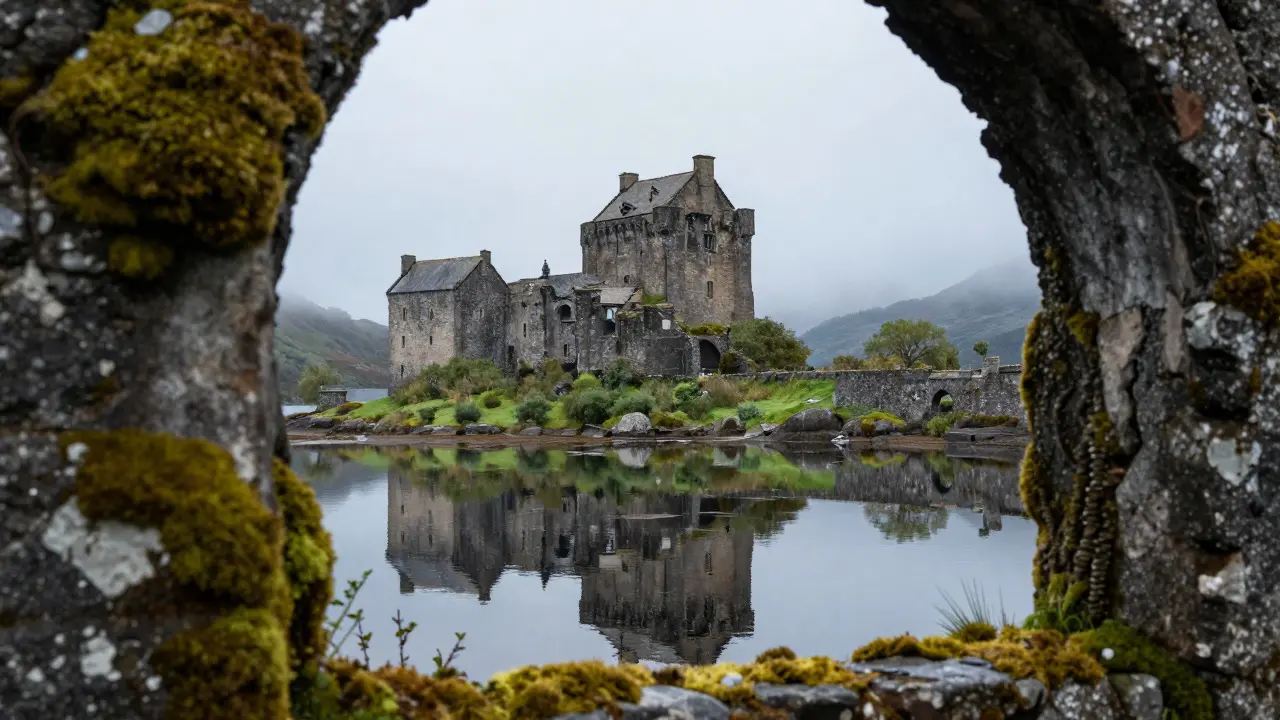
Framing is another essential technique. Look for natural frames-tree branches, archways, or rock formations-to enclose your subject. This adds depth and focuses attention. For example, shooting through the ruins of a lower wall at Kilchurn Castle can create a layered image that feels intimate and mysterious.
Don't forget about reflections. Scotland's abundance of lochs and rivers offers endless opportunities for symmetrical compositions. Wait for calm conditions, lower your camera to the water's surface, and capture the mirror image. A polarizing filter can help manage glare and enhance colors, but sometimes a slight haze adds to the ethereal quality.
Essential Gear for Scottish Conditions
You cannot underestimate the importance of protecting your gear. The weather in Scotland changes rapidly. One minute it's sunny, the next you're being battered by horizontal rain. Invest in a high-quality rain cover for your camera bag and lens. Microfiber cloths are essential for wiping condensation off your lens front element.
A sturdy tripod is non-negotiable. Even in daylight, you may want to use a slower shutter speed to smooth out moving water or clouds. At dawn and dusk, low light demands longer exposures. Carbon fiber tripods are lighter and resist corrosion better than aluminum, making them ideal for coastal locations like Fyvie Castle.
Lens selection matters. A versatile zoom lens (24-70mm) covers most situations. However, carry a wide-angle lens (16-35mm) for expansive landscapes and a telephoto lens (70-200mm) to compress distance and isolate details. Telephoto lenses are particularly useful for capturing distant castles like Doune Castle from across fields or rivers, avoiding crowds and getting unique angles.
Navigating Permissions and Etiquette
Many castles in Scotland are privately owned or managed by heritage organizations like Historic Environment Scotland. Always check access rules before visiting. Some ruins are open 24/7, while others require timed entry tickets. Commercial photography often requires special permits, so if you plan to sell your images, clarify this in advance.
Respect private property. Do not trespass on land marked with signs. Be mindful of other visitors and local residents. Noise discipline helps maintain the serene atmosphere that makes these places special. If you're using a drone, adhere strictly to UK Civil Aviation Authority regulations. Flying near castles, especially those in sensitive historical areas, is heavily restricted. Check the CAA drone assist app before taking off.
Post-Processing: Enhancing Without Distorting
Raw files give you the most flexibility in post-processing. Adjust white balance to match the mood you captured on site. Warm tones for golden hour, cool tones for blue hour or misty mornings. Increase clarity and texture subtly to bring out the detail in the stonework, but avoid over-sharpening, which can introduce noise.
Use graduated filters in software like Adobe Lightroom or Capture One to balance exposure between bright skies and dark foregrounds. Dodge and burn techniques can highlight specific architectural features, drawing the viewer's eye to key elements. Remember, the goal is to enhance the reality you witnessed, not to create a fantasy. Authenticity resonates more with viewers than heavy-handed edits.
What is the best time of year to photograph Scottish castles?
The best time depends on your desired aesthetic. Summer (June-August) offers long days and vibrant green landscapes, ideal for golden hour shots. Autumn (September-November) brings dramatic colors and stormy skies, perfect for moody, atmospheric images. Winter can provide snow-covered scenes, but limited daylight poses challenges.
Do I need a permit to take professional photos at Scottish castles?
For personal use, no permit is usually required at publicly accessible sites. However, for commercial purposes (selling images, advertising), you typically need a media license from Historic Environment Scotland or the private owner. Always check specific site rules beforehand.
Which lens is best for castle photography in Scotland?
A versatile kit includes a wide-angle lens (16-35mm) for landscapes and interiors, a standard zoom (24-70mm) for general use, and a telephoto lens (70-200mm) for isolating details and compressing distant subjects. Prime lenses like 35mm or 50mm are great for low-light conditions and artistic compositions.
How do I handle rain and bad weather while shooting outdoors?
Use a dedicated rain cover for your camera and lens. Carry microfiber cloths to wipe away moisture quickly. Embrace the weather-rain and mist can add drama and depth to your images. Consider using a polarizing filter to reduce glare from wet surfaces.
Are drones allowed for aerial photography of Scottish castles?
Drone usage is strictly regulated in the UK. You must follow CAA guidelines, including maintaining visual line of sight and staying below 400 feet. Many historic sites prohibit drones entirely due to privacy and preservation concerns. Always check local restrictions and obtain necessary permissions before flying.