
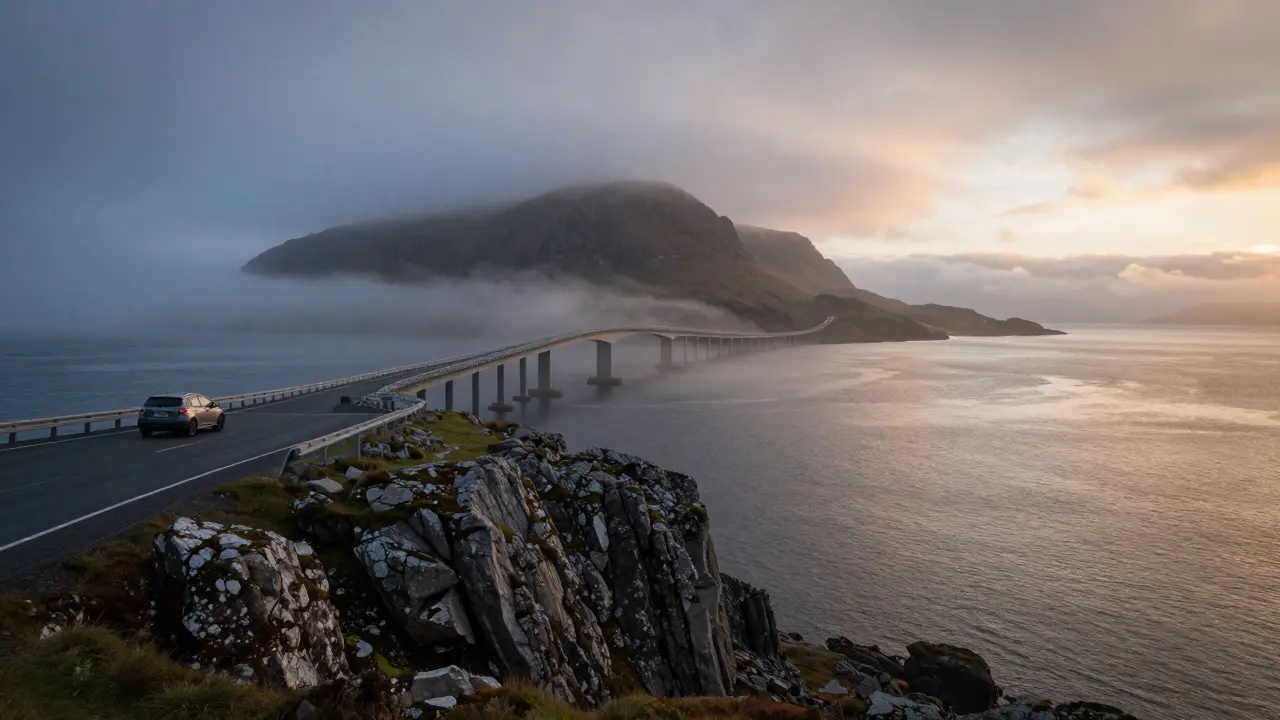
Driving the Isle of Skye isn’t just a road trip-it’s a journey through some of the most raw, beautiful landscapes in Europe. With mist-cloaked mountains, jagged cliffs, and waters so still they mirror the sky, Skye pulls you in the moment you cross the bridge from the mainland. This 4-day self-drive itinerary cuts the fluff and gives you exactly what matters: the best stops, the smartest routes, and the hidden spots most guides miss.
Day 1: Arrive and Dive Into the Heart of Skye
You’ll likely start from the mainland, crossing the Skye Bridge from Kyle of Lochalsh. Don’t rush. Pull over at the Skye Bridge Viewpoint a simple pull-off just before the bridge where you get your first full view of the island’s dramatic spine. This is where you’ll realize why Skye feels like another world.
Head straight to Portree, the island’s only real town. It’s colorful, cozy, and packed with cafes and pubs. Drop your bags at your accommodation-there are plenty of B&Bs and self-catering cottages. Then walk the harbor. Watch the fishing boats bob and the seals pop up near the piers. Grab a fish and chips from The Fish Market a local favorite with fresh haddock and no frills. No fancy dining needed yet. Save your appetite.
As the sun drops, drive the short 10-minute loop to Kilt Rock and Mealt Falls a cliff face carved like pleated fabric, with a 30-meter waterfall plunging into the sea. It’s crowded, but for good reason. The view at golden hour is unforgettable.
Day 2: The Quiraing and the Wild North
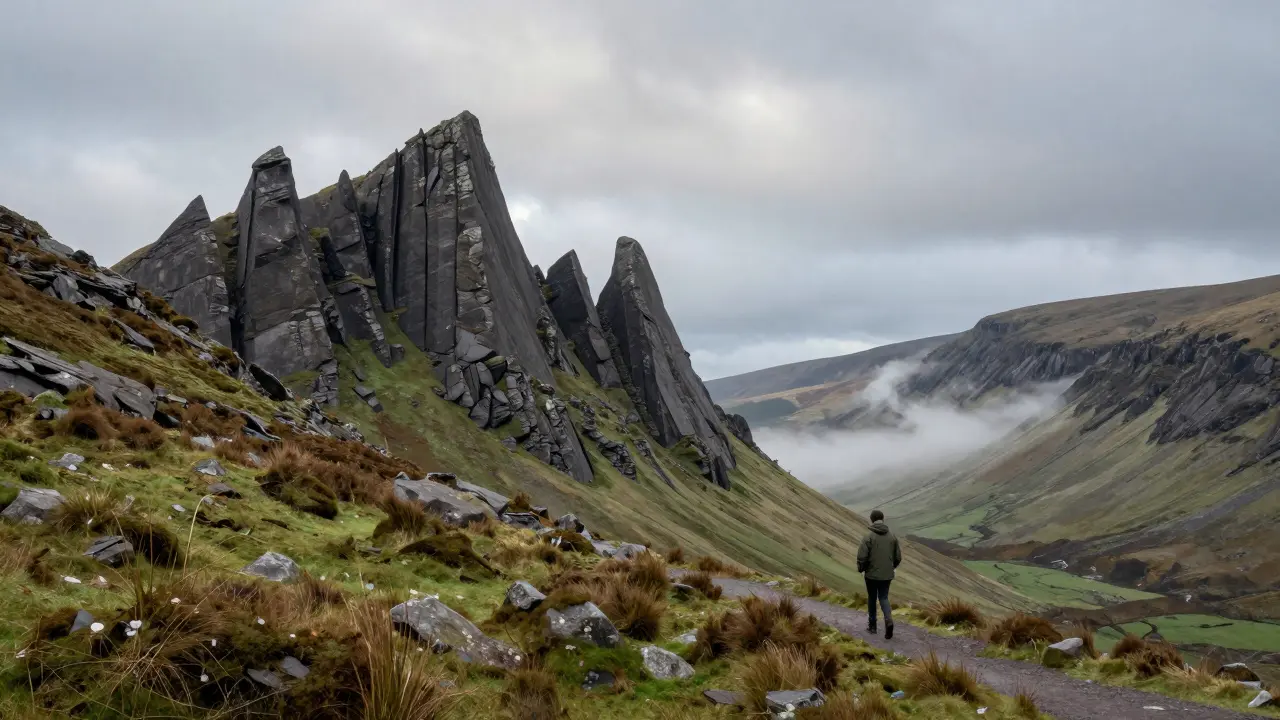
Morning starts early. Head north on the A863 toward the Quiraing a landslip-formed landscape of razorback ridges, pinnacles, and hidden valleys. This isn’t just a hike-it’s like walking on the spine of a dragon. The 3.5-mile loop takes 2-3 hours. Pack water, a windproof jacket, and sturdy boots. The path is rough, but every turn reveals a new scene: a lone sheep on a cliff, a misty valley below, a sudden glimpse of the Trotternish escarpment stretching into the clouds.
After the Quiraing, stop at Staffa and Fingal’s Cave a short detour to the coast, where basalt columns form a natural cathedral. You can’t land on Staffa without a boat tour, but the viewpoint at Boreraig a ruined crofting village with stone walls swallowed by moss gives you the same eerie, ancient feel. Walk among the collapsed cottages. Imagine life here 200 years ago.
End the day at Dunvegan Castle the oldest continuously inhabited castle in Scotland, home to the MacLeod clan since the 13th century. The gardens are quiet, the castle museum holds ancient weapons and a fairy flag said to bring luck in battle. Don’t miss the Corrieshalloch Gorge a narrow, misty ravine with a 40-meter waterfall on the way back-it’s easy to miss, but worth the 5-minute walk from the car park.
Day 3: The Trotternish Peninsula and Hidden Lochs
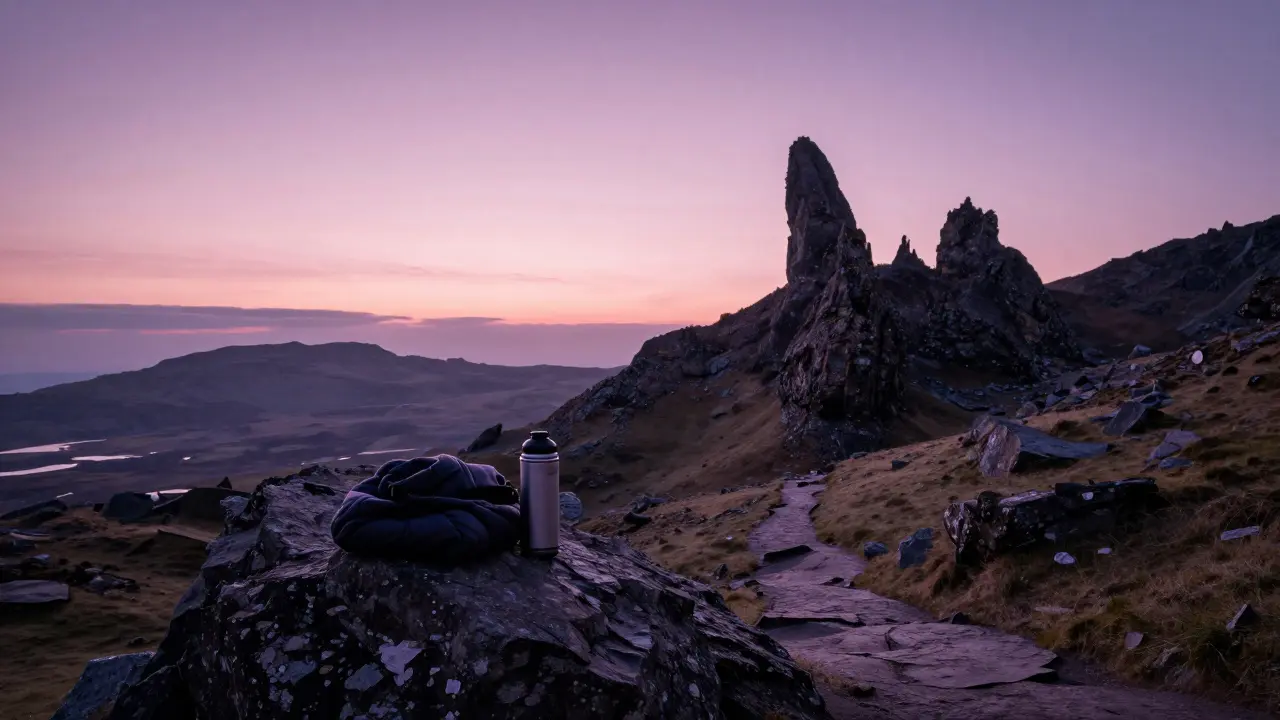
Today’s route hugs the eastern edge of the Trotternish Ridge. Start at The Old Man of Storr a towering rock spire that’s become Skye’s most photographed landmark. Arrive before 9 a.m. to beat the tour buses. The climb to the base is steep but short. The view from the top? Worth every breath.
From there, head south to Loch Leathan a quiet, mirror-like loch surrounded by moorland. This is where locals go to escape. Park, walk 10 minutes to the shore, and sit in silence. No one else will be here. Bring a thermos. This is Skye’s soul.
Next, drive to Neist Point Lighthouse the westernmost point of Skye, with crashing waves and seabirds wheeling overhead. The walk from the parking lot is 15 minutes, mostly flat. The lighthouse sits on a cliff that drops 150 feet into the Atlantic. Bring a zoom lens if you’ve got one-puffins nest here in spring, and you might catch them diving.
For dinner, skip Portree. Head to The Three Chimneys a Michelin-starred restaurant in a converted croft house, with locally sourced seafood and game. It’s pricey, but it’s one of the best meals in Scotland. Book ahead.
Day 4: The South and the Way Home
On your last morning, don’t rush. Drive south along the A850 toward Brochs of Dunvegan and Dunscaith ancient stone towers built by Iron Age clans. Dunscaith, also called the "Castle of Shadows," is mostly ruins now, but the setting-perched on a rocky outcrop above the sea-is hauntingly beautiful.
Stop at Sligachan a historic inn and bridge where the Black Cuillin mountains rise sharply. The view of the Cuillin from here is the classic postcard shot. If you’re up for it, walk the short trail to the bridge and look back at the ridge. It’s a photographer’s dream.
Before leaving, make one last detour: Flora MacDonald’s Grave a quiet marker near the village of Kingsburgh, where the Jacobite heroine is buried. Her story-helping Bonnie Prince Charlie escape-is part of why Skye feels so alive with history.
Exit the island the same way you came. But this time, drive slowly. Look back once. The mist will be rolling in. The hills will glow. And you’ll understand why so many people come back.
What You Need to Know Before You Go
- Weather changes fast. Even in March, you’ll need layers: waterproofs, thermal base layers, and gloves. The wind doesn’t care what your forecast says.
- Gas stations are sparse. Fill up in Portree or Kyleakin. There’s one near Dunvegan, but it’s often out of fuel.
- Mobile signal is patchy. Download offline maps (Google Maps offline or Maps.me). You’ll lose signal for hours at a time.
- Parking is limited. Popular spots like the Old Man of Storr and Quiraing have small lots. Arrive early or be prepared to wait.
- Don’t skip the food. Skye’s seafood is some of the freshest in the UK. Try langoustines, scallops, and smoked salmon. The local cheese from the Isle of Skye Dairy is worth a stop.
Where to Stay
- Portree - Best for convenience. Lots of options, from budget B&Bs to boutique hotels.
- Dunvegan - Best for history lovers. Close to the castle and quieter.
- Sligachan - Best for mountain views. The hotel here is rustic but iconic.
- Self-catering cottages - Best for groups or longer stays. Book months ahead in peak season.
What to Pack
- Waterproof hiking boots
- Thermal underwear (yes, even in spring)
- Reusable water bottle
- Power bank (your phone will die fast)
- Camera with wide-angle lens
- Snacks (no shops for miles)
- Small first-aid kit
Can you do the Isle of Skye in one day?
Technically, yes-but you’ll miss everything. Driving from the bridge to the Old Man of Storr and back takes 3 hours with stops. You’d have 4-5 hours to see 3 major sites, and you’d be exhausted. A 4-day trip lets you breathe, explore, and actually enjoy the landscape. One day is a checklist. Four days is a memory.
Is the road to Skye safe in March?
The roads are narrow, winding, and often wet. In March, you’ll face rain, fog, and occasional ice on higher passes. Stick to the main A-roads. Avoid the single-track lanes unless you’re experienced. Drive slowly. Pull over to let cars pass. Never rush. The scenery doesn’t disappear.
Are there guided tours if I don’t want to drive?
Yes, but they’re rigid. Most tours leave from Portree or Inverness, stick to the same 4-5 spots, and return by 6 p.m. You won’t get the quiet moments-the sunrise at Loch Leathan, the empty path at the Quiraing. If you want freedom, drive yourself. If you want comfort, book a tour.
What’s the best time of year to visit Skye?
Late May to early September offers the longest days and mildest weather. But July and August are packed. April and September are quieter, with fewer tourists and still decent weather. March is raw and moody-perfect for photographers and those who want solitude.
Can I camp on Skye?
Wild camping is legal in Scotland under the Scottish Outdoor Access Code, as long as you follow the rules: no fires, no litter, no camping near buildings, and leave no trace. Popular spots include the area near Sligachan and the north shore of Loch Harport. Use a portable stove. Bring a tarp. And never camp on private land without permission.
Comments (13)
-
Adrienne Temple March 11, 2026This itinerary is everything 🥹 I did Skye in 2 days and regretted it. Do this 4-day version. The quiet moments at Loch Leathan? Pure magic. Bring a thermos. Sit. Breathe. You’ll thank yourself later.

-
Tina van Schelt March 12, 2026The way you described Kilt Rock at golden hour had me clutching my chest. It’s not a view-it’s a feeling. Like the earth exhaled and the sky leaned in to listen. I cried. No shame.

-
Ronak Khandelwal March 13, 2026Skye isn’t a destination-it’s a reckoning. 🌿 The mist doesn’t hide the land, it reveals it. The rocks, the water, the silence-they don’t care if you’re rich, famous, or lost. They just are. And that’s the gift. Go with empty hands. Leave with a full soul. ✨

-
Jeff Napier March 15, 2026You say the roads are safe in March but you didn’t mention the government drones that monitor every parking lot. They’re tracking who stops too long. I saw a guy get fined for staring at the Old Man of Storr for 17 minutes. He’s now in a black van. Don’t be him.

-
Sibusiso Ernest Masilela March 16, 2026You call this a ‘self-drive itinerary’? Please. This is a tourist brochure dressed up like a spiritual journey. Real adventurers don’t book The Three Chimneys. Real adventurers eat canned beans in a tent while the wind howls like a dying god. You’re not exploring-you’re Instagramming.

-
Daniel Kennedy March 17, 2026I’ve driven Skye three times. First as a reckless 22-year-old, then as a grieving widower, and now as a dad with two kids. This guide nails it. The Quiraing isn’t a hike-it’s a reset. The lighthouse isn’t a photo op-it’s a reminder that some things outlast us. Don’t rush. Let it find you.

-
Taylor Hayes March 17, 2026Just wanted to say thank you for mentioning the Corrieshalloch Gorge. Most people skip it. I went alone in November. Rain was coming down sideways. The waterfall sounded like a thousand voices. I sat on a rock for an hour. Didn’t take a photo. Just listened. That’s the Skye I remember.

-
Sanjay Mittal March 18, 2026For those asking about gas stations-yes, Kyleakin is your friend. But also: fill up in Uig if you’re heading to Neist Point. There’s a tiny station near the ferry terminal. It’s not on Google Maps. I asked a local fisherman. He pointed with his pipe. That’s how you do it.

-
Mike Zhong March 19, 2026You say ‘don’t skip the food’ but you didn’t warn people about the genetically modified langoustines the EU smuggles in under the guise of ‘local catch.’ The real Skye fisherman won’t sell to restaurants anymore. They sell to private boats. You think you’re eating fresh? You’re eating propaganda.

-
Jamie Roman March 21, 2026I spent 10 days on Skye last year and didn’t follow any itinerary. I just wandered. Found a hidden path behind the Quiraing that led to a waterfall no map shows. Sat there for three hours. A red fox came and sat 10 feet away. We just… watched each other. No camera. No phone. Just two creatures sharing silence. That’s the real Skye. Not the Instagram spots. Not the Michelin stars. Just quiet, stubborn beauty that doesn’t ask for your attention. It just… is.

-
Salomi Cummingham March 22, 2026I cried at the Old Man of Storr. Not because it was beautiful. But because I realized I’d spent my whole life chasing ‘perfect’ moments-and Skye doesn’t care. It doesn’t need you to take a picture. It doesn’t need you to post it. It just needs you to be there. And for once, I was. Not for likes. Not for stories. Just… there. That’s the gift. Thank you for reminding me.

-
Johnathan Rhyne March 23, 2026You wrote ‘30-meter waterfall’-it’s 27.5 meters. And ‘Dunvegan Castle is the oldest continuously inhabited castle’? Technically, it’s the oldest in Scotland, but not the UK. Windsor’s been inhabited longer. Also, ‘fairy flag’? That’s a myth. It’s a piece of Byzantine silk. Stop romanticizing. Accuracy matters.

-
Jawaharlal Thota March 24, 2026I’m from India and I’ve never been to Scotland-but this post made me feel like I’ve walked every path. The way you described Loch Leathan? That’s the same silence I felt in the Himalayas at 4,000 meters. No words. Just breath. The land doesn’t change. It only mirrors what we bring. Go light. Go quiet. Let Skye speak. You’ll hear your own voice again.
