

Most visitors stick to the Royal Mile and Princes Street Gardens. It’s safe, it’s photogenic, and every tour bus stops there. But if you want to see how Edinburgh actually lives, breathes, and works, you need to step off the main drag. The real magic of this city isn’t just in its castles; it’s in the distinct personalities of its surrounding neighborhoods. From leafy Victorian villas to gritty industrial revivals, these thirteen areas offer a completely different experience than the tourist-heavy center.
I’ve spent years exploring Scotland from my base in Dundee, and I can tell you that Edinburgh is more than a postcard. It’s a patchwork of communities, each with its own vibe, price point, and hidden gems. Whether you’re looking for a quiet place to read, a neighborhood with cheap pubs, or an area where locals actually shop, this guide will point you in the right direction.
The Leafy North: Where Locals Live
If you want peace, quiet, and some serious greenery, head north. These areas are popular with families and professionals who want space without leaving the city limits.
Just next door is Marchmont, an area famous for its steep hills, historic tenements, and close proximity to the University of Edinburgh. This is where students mix with long-term residents. The view from Marchmont Hill Terrace is arguably better than any paid viewpoint in the city center. It’s affordable, lively, and has a great sense of community. If you like your coffee served by someone who knows your name, try one of the small shops on Marchmont Road.
Further out, Bruntsfield is a trendy, upscale neighborhood with high-end boutiques, restaurants, and well-preserved Victorian housing. Bruntsfield Links is a massive common park where you can watch cricket on a summer afternoon or jog along the paths. It’s expensive, yes, but the quality of life here is high. The shops on Bruntsfield Place cater to people who care about organic food and sustainable fashion.
The Industrial Revivals: Cool and Creative
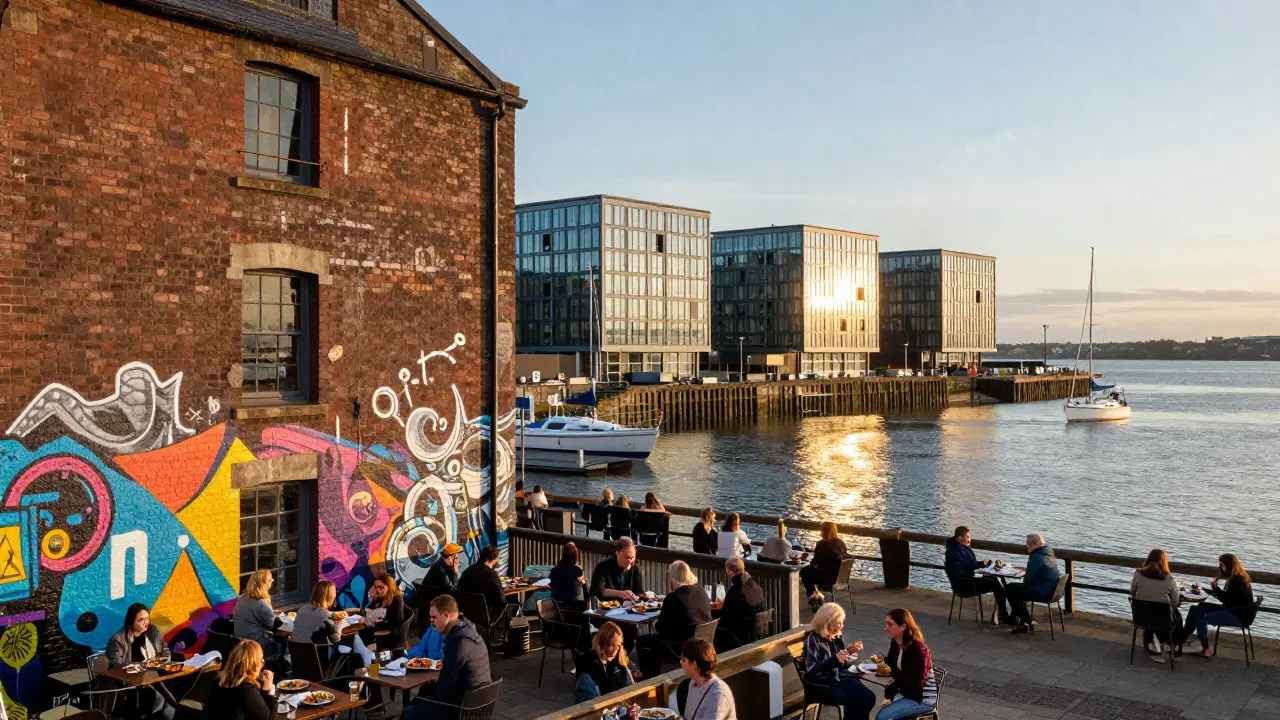
These areas used to be factories and docks. Now, they’re hubs for artists, young professionals, and anyone who hates pretension.
Fountainbridge is a narrow, cobblestoned street known for its late-night bars, live music venues, and vibrant nightlife. Located between the city center and Leith, Fountainbridge was once an industrial wasteland. Now, it’s packed with microbreweries, comedy clubs, and casual eateries. It’s loud, it’s messy, and it’s perfect for a weekend night out. Just don’t expect quiet conversation after 10 PM.
Granton is a coastal village within Edinburgh, known for its sandy beach, sailing club, and relaxed seaside atmosphere. Granton feels like a separate town. It’s where locals go to escape the city noise. The beach is clean, the fish and chips are legendary, and the views across the Firth of Forth are stunning. It’s less about nightlife and more about sunrise walks and fresh air.
The Historic Hills: Views and Villages
These areas sit higher up, offering panoramic views and a slower pace of life.
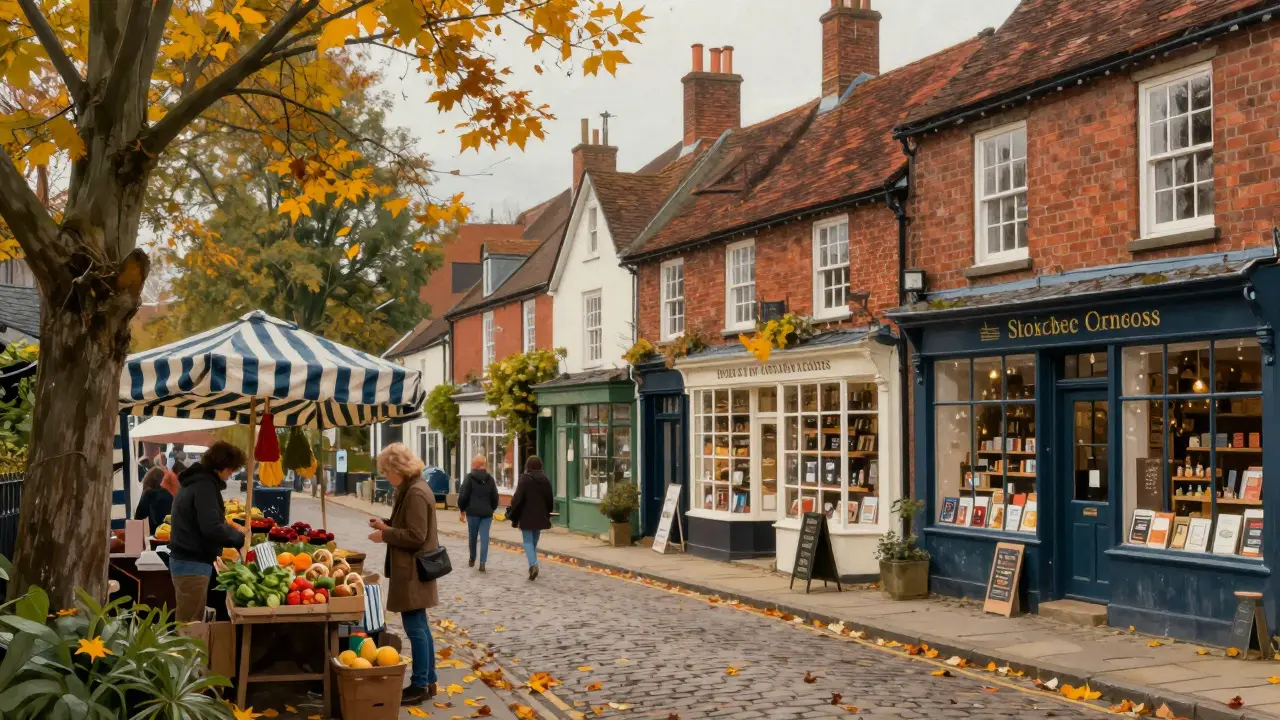
Stockbridge is a picturesque, village-like neighborhood with independent bookshops, bakeries, and a strong literary heritage. Stockbridge is often called the “village within the city.” It’s home to many writers and artists. The Stockbridge Market is a weekly event where you can buy fresh produce and artisan goods. It’s cozy, slightly pricey, and utterly delightful. If you like the idea of having breakfast at a cafe that looks like something out of a novel, this is your spot.
Cramond is a historic coastal village with Roman ruins, a sandy beach, and a strong maritime history. Cramond is further west, near the airport, but it doesn’t feel like it. It’s a proper seaside village with a pub that serves decent ale and a beach that’s great for surfing. The Roman fort remains here are a reminder that this place has been important for two thousand years. It’s quiet, scenic, and perfect for a day trip.
Corstorphine is a large, suburban area with extensive parks, shopping centers, and a mix of housing types. Corstorphine is practical. It has big supermarkets, good schools, and plenty of green space. It’s not as glamorous as Stockbridge, but it’s comfortable and convenient. Many families live here because it offers everything they need without the stress of the city center.
The Working-Class Heartlands: Authentic and Affordable
These neighborhoods have retained their working-class roots, offering affordability and genuine local culture.
Prestonfield is a diverse, multicultural area known for its vibrant markets, affordable housing, and strong community ties. Prestonfield is right next to the city center but feels very different. It’s bustling, colorful, and full of energy. The market here is a must-visit for cheap fruits, vegetables, and spices. It’s a place where you can hear a dozen languages spoken on one street. It’s not polished, but it’s alive.
Marchmont (mentioned earlier) also fits here due to its student population and affordability. But let’s add Southside as a broader category. The Southside generally refers to areas like Slateford and Morningside. Slateford is a quiet, residential suburb with easy access to public transport and local amenities. It’s unpretentious and practical. Great for budget travelers who still want to be close to the action.
Morningside is an affluent, leafy suburb with elegant Victorian houses, boutique shops, and a sophisticated dining scene. Morningside is where money goes to relax. It’s quiet, clean, and expensive. The shops sell antiques, fine wines, and high-end clothing. It’s a stark contrast to the chaos of the Royal Mile. If you want elegance without the crowds, head here.
Comparing Edinburgh Neighborhoods
| Neighborhood | Vibe | Best For | Average Cost |
|---|---|---|---|
| Newington | Quiet, Residential | Families, Remote Workers | Medium |
| Leith | Trendy, Industrial | Foodies, Nightlife Lovers | Medium-High |
| Stockbridge | Charming, Literary | Shoppers, Coffee Enthusiasts | High |
| Granton | Relaxed, Coastal | Beachgoers, Families | Medium |
| Prestonfield | Diverse, Bustling | Budget Travelers, Culture Seekers | Low-Medium |
| Morningside | Elegant, Quiet | Luxury Seekers, Professionals | Very High |
How to Choose Your Area
Choosing where to stay or spend time in Edinburgh depends on what you value most. If you want convenience and don’t mind paying extra, stick to the city center or nearby Stockbridge. If you want authenticity and cheaper prices, look at Leith or Prestonfield. For peace and nature, Granton or Cramond are unbeatable.
Don’t forget transportation. Edinburgh’s tram system connects the airport to the city center and Leith. Buses cover almost everywhere else. Walking is always an option, but remember the hills. A flat route in Leith might save you sweat compared to climbing up to Calton Hill.
Final Thoughts on Exploring Edinburgh
Edinburgh is too big to see in a day. Don’t try to cram everything into the Old Town. Spend a morning in Leith, an afternoon in Stockbridge, and an evening in Fountainbridge. You’ll discover a city that’s multifaceted, welcoming, and far more interesting than the brochures suggest. The neighborhoods are where the real stories are.
Which Edinburgh neighborhood is best for first-time visitors?
For first-timers, Stockbridge or Newington are ideal. They are close to the city center, safe, and offer a mix of local charm and easy access to major attractions. You get the Edinburgh experience without the overwhelming tourist crowds.
Is Leith safe to visit at night?
Yes, Leith is generally safe, especially in the main areas around the Shore and Leith Walk. Like any city, use common sense and avoid poorly lit alleys late at night. The area is well-lit and busy until late.
What is the cheapest area to stay in Edinburgh?
Prestonfield and Marchmont offer some of the most affordable accommodation options. Hostels and budget hotels here are significantly cheaper than those in the Old Town, and you still have easy bus access to the center.
Can I walk from Leith to the city center?
Yes, walking from Leith to the city center takes about 45-60 minutes via Leith Walk. It’s a pleasant walk, especially on sunny days, but consider taking the tram if you’re tired or carrying luggage.
Which area has the best beaches?
Granton and Cramond have the best beaches in Edinburgh. Granton is closer to the city and has facilities, while Cramond is more secluded and has historical ruins nearby. Both are great for a relaxing day out.
Comments (15)
-
Chris Atkins May 20, 2026
lived in leith for a bit and yeah the vibe is totally different from the old town. great food scene though

-
Madeline VanHorn May 21, 2026
This guide is utterly pedestrian. If you cannot afford Morningside or Stockbridge, you are merely a tourist, not a resident. The 'gritty' areas mentioned are simply lacking in refinement. One should not conflate poverty with authenticity.

-
Jen Becker May 22, 2026
Boring. I went to Edinburgh once and hated it. Too many hills.

-
Wilda Mcgee May 22, 2026
Oh my gosh, this is such a lovely breakdown! I actually loved Newington when I visited last year. It felt so cozy and welcoming compared to the chaotic Royal Mile. The independent cafes were a dream come true for someone who just wants a quiet corner with a good book. Thank you for sharing these hidden gems!

-
Glenn Celaya May 23, 2026
typo in the intro but whatever. marchmont is overrated. too many students running around shouting about their exams. ruins the peace

-
Ryan Toporowski May 25, 2026
Great list! 😊 I always recommend Fountainbridge for anyone wanting to experience the real nightlife without the pretension of the city center bars. 🍺✨

-
Samuel Bennett May 26, 2026
You forgot to mention that the entire city is built on top of ancient druidic circles that control the weather patterns. Also your grammar is atrocious. 'its' vs 'it's'. Disgusting.

-
Rob D May 27, 2026
Edinburgh is fine but don't get me started on the immigration in Leith. It used to be a proper Scottish fishing port before they flooded it with foreigners. Now it's just a soup kitchen with wifi. Keep your money in Scotland, folks.

-
Franklin Hooper May 29, 2026
The structural integrity of this argument is weak. You present neighborhoods as distinct entities when they are merely socioeconomic zones dictated by historical zoning laws. A superficial analysis at best

-
Jess Ciro May 29, 2026
everyone knows the government pushes people to Granton because they want to isolate them from the city resources. its a conspiracy to keep the poor away from the wealth. wake up sheeple

-
saravana kumar May 31, 2026
I have read this article multiple times and found it lacking in depth. The author seems to rely on clichés rather than substantive analysis. Furthermore, the inclusion of Marchmont twice is indicative of poor editorial oversight. I suggest revising the content to reflect a more scholarly approach to urban geography.

-
Tamil selvan June 1, 2026
This is a very informative guide; indeed, it provides excellent insights into the diverse cultural fabric of Edinburgh. I particularly appreciate the detailed description of Prestonfield; it highlights the vibrant multicultural community that often goes unnoticed by casual visitors. Thank you for sharing this valuable resource; it will certainly help travelers make more informed decisions regarding their accommodation choices.

-
Mark Brantner June 2, 2026
haha wow did u really think this was comprehensive? lol i bet u never even been to cramond. its basically just rocks and wind. but hey good effort i guess

-
Kate Tran June 4, 2026
i lived in bruntsfield for a while and it was nice but expensive. love the coffee shops tho. stockbridge is a bit too posh for my liking tbh

-
Chuck Doland June 5, 2026
It is imperative that we consider the philosophical implications of urban segregation as depicted in this guide. While the author attempts to categorize neighborhoods by aesthetic appeal, one must ask: does the division of space reinforce social stratification? The distinction between 'leafy' and 'industrial' areas is not merely geographical but deeply sociological. We must strive for an inclusive understanding of urban living that transcends these arbitrary boundaries. Perhaps the true magic of Edinburgh lies not in the separation of these communities, but in their potential for intersection and mutual enrichment. Let us engage in a dialogue that elevates our collective consciousness regarding urban planning and social equity.
