
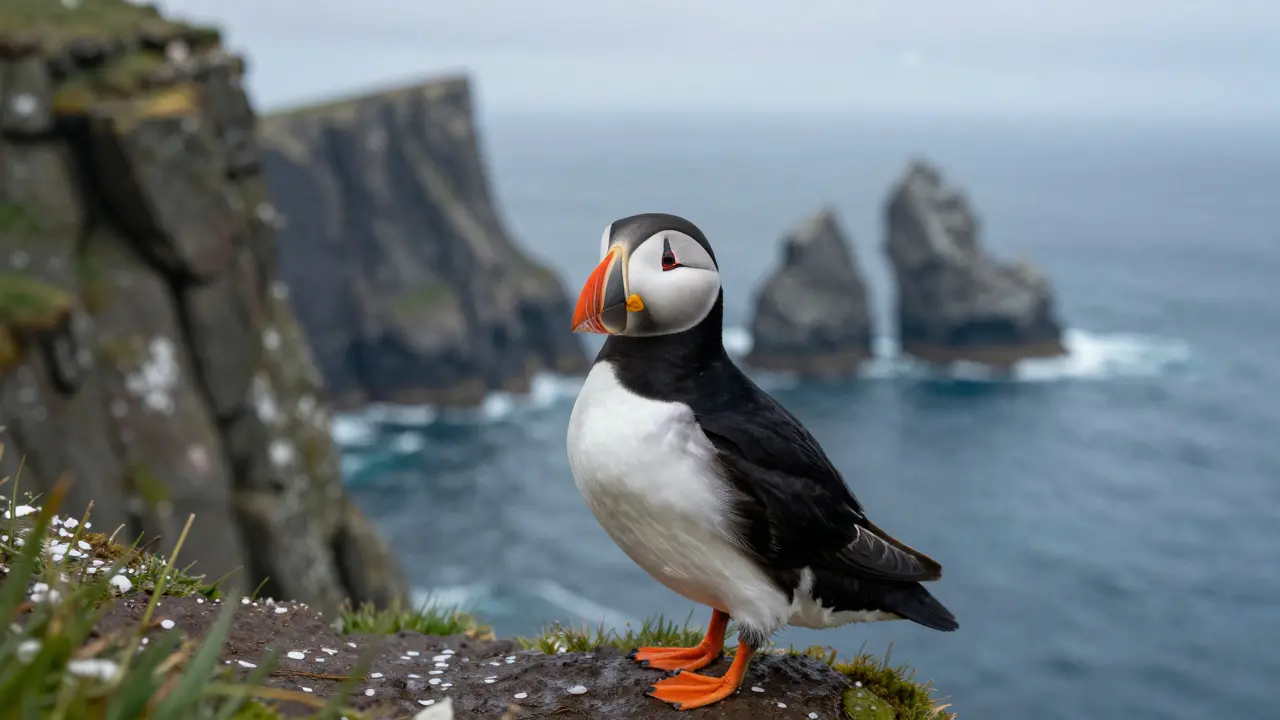
The best time to see Atlantic Puffins (Fratercula arctica) on coastal cliffs is between late April and early August. However, the peak period-when adults return with chicks-is from mid-June to mid-July. Outside this window, they spend months at sea, far from shore. So if you want photos of puffins waddling along cliff edges or popping out of burrows, plan accordingly.
When Is the Best Time to See Puffins?
Puffins arrive on their breeding colonies around mid-April, but numbers build gradually. By early May, you’ll start seeing pairs settling into burrows. The real spectacle begins in June when chicks hatch and parents bring fish back to feed them. This is when puffins are most active near nesting sites, making them easier to observe.
- Late April-May: Early arrivals; good for spotting adults establishing territories.
- June: Chicks hatching; increased activity as parents forage.
- Mid-June to Mid-July: Peak season; fluffy chicks visible, high visitor traffic.
- August: Fledging period; young birds leave nests, adult numbers decline.
- September onward: Most puffins return to sea; sightings become rare.
If you visit too early or too late, you might miss them entirely. Many tourists show up in September expecting crowds of puffins, only to find empty cliffs. Check local wildlife calendars before booking trips. Some reserves close access during sensitive nesting periods, so flexibility helps.
Where to Find Puffins in Scotland
Scotland hosts some of the largest puffin colonies in Europe. Over half of the world’s Atlantic Puffins breed here, particularly on remote islands where predators are scarce. You’ll need to travel beyond mainland beaches to reach these sites. Most major colonies require ferry rides or small boat transfers.
| Island | Colony Size (approx.) | Access Method | Best Viewing Months |
|---|---|---|---|
| Mousa | 15,000+ pairs | Ferry from Berwick-upon-Tweed | May-July |
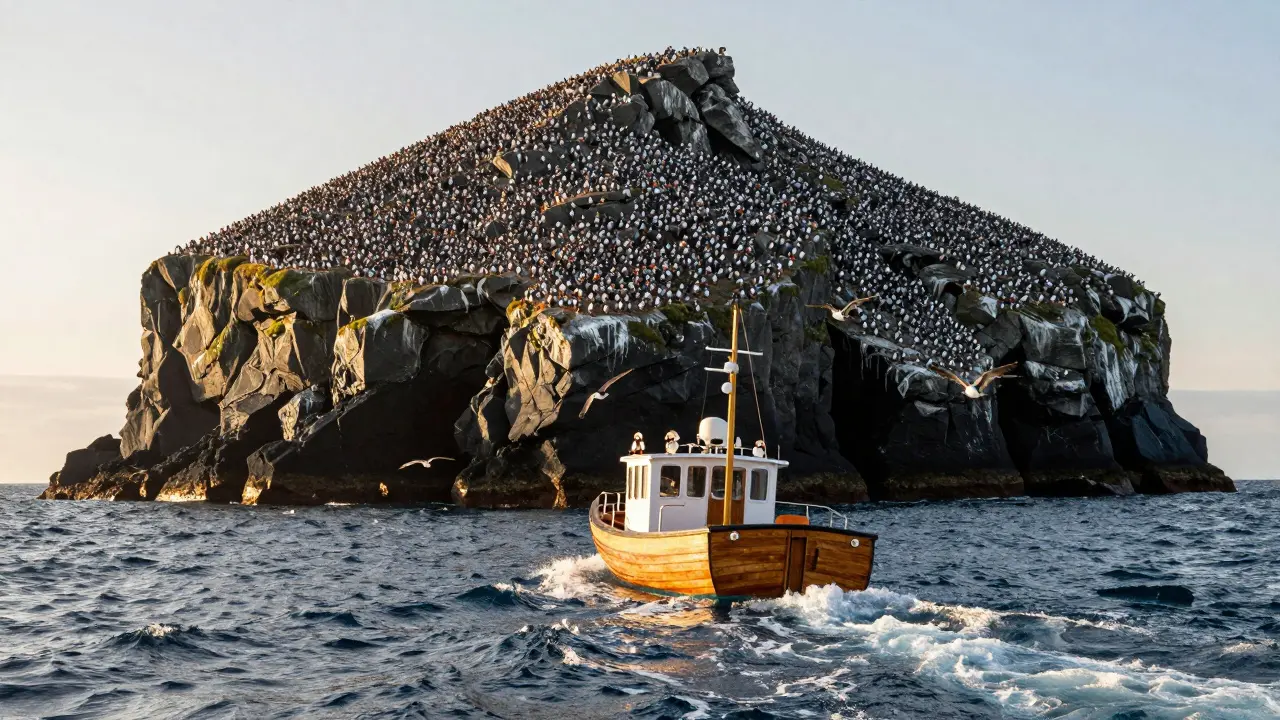
| Bass Rock | 150,000+ pairs | Boat tour from North Berwick | April-July |
| Foula | 18,000+ pairs | Helicopter or specialized boat | May-July |
| St Kilda | 100,000+ pairs | Charter flight/boat from Oban | June-July |
| Isle of May | 30,000+ pairs | Ferry from Anstruther | May-July |
Each island offers different viewing conditions. Bass Rock, located off East Lothian, has the largest single colony in the UK and is accessible via regular boat tours. Mousa, near the Scottish Borders, allows guided walks through nesting areas-a rare opportunity. St Kilda, a UNESCO World Heritage Site, requires advance planning due to limited transport options.
For casual visitors, Bass Rock and the Isle of May offer the easiest access. Both have established tourism infrastructure, including licensed guides who explain puffin behavior without disturbing the birds. Always stick to marked paths and keep distances recommended by rangers.
How to Get There: Boats vs. Ferries
Reaching puffin colonies usually involves water travel. Mainland Scotland doesn’t host large breeding groups because terrestrial predators like foxes threaten nests. That’s why islands dominate puffin habitats. Your choice of transport depends on budget, comfort level, and how close you want to get.
- Ferries: Ideal for reaching larger islands like Isle of May or Mousa. They carry cars and passengers, allowing self-guided exploration once ashore. Book tickets weeks ahead in summer.
- Small Boat Tours: Perfect for Bass Rock and similar offshore stacks. These vessels circle colonies at safe distances, offering binocular views and commentary from naturalists. Expect choppy waters in spring storms.
- Private Charters: For exclusive access to places like Foula or St Kilda. Expensive but worth it for serious birdwatchers willing to invest in logistics.
Always check weather forecasts before departure. Sea conditions change quickly, especially around rocky coasts. Reputable operators cancel trips if winds exceed 20 knots or visibility drops below safety thresholds. Don’t risk cheap alternatives-licensed companies prioritize passenger welfare and environmental compliance.
What to Bring for Puffin Watching
Preparation makes all the difference. Coastal climates shift rapidly, and puffin spots often lack shelter. Pack smart to stay comfortable while maximizing observation time.
- Waterproof jacket and trousers-even sunny mornings turn rainy fast.
- Sturdy hiking boots with grip for slippery rocks and muddy trails.
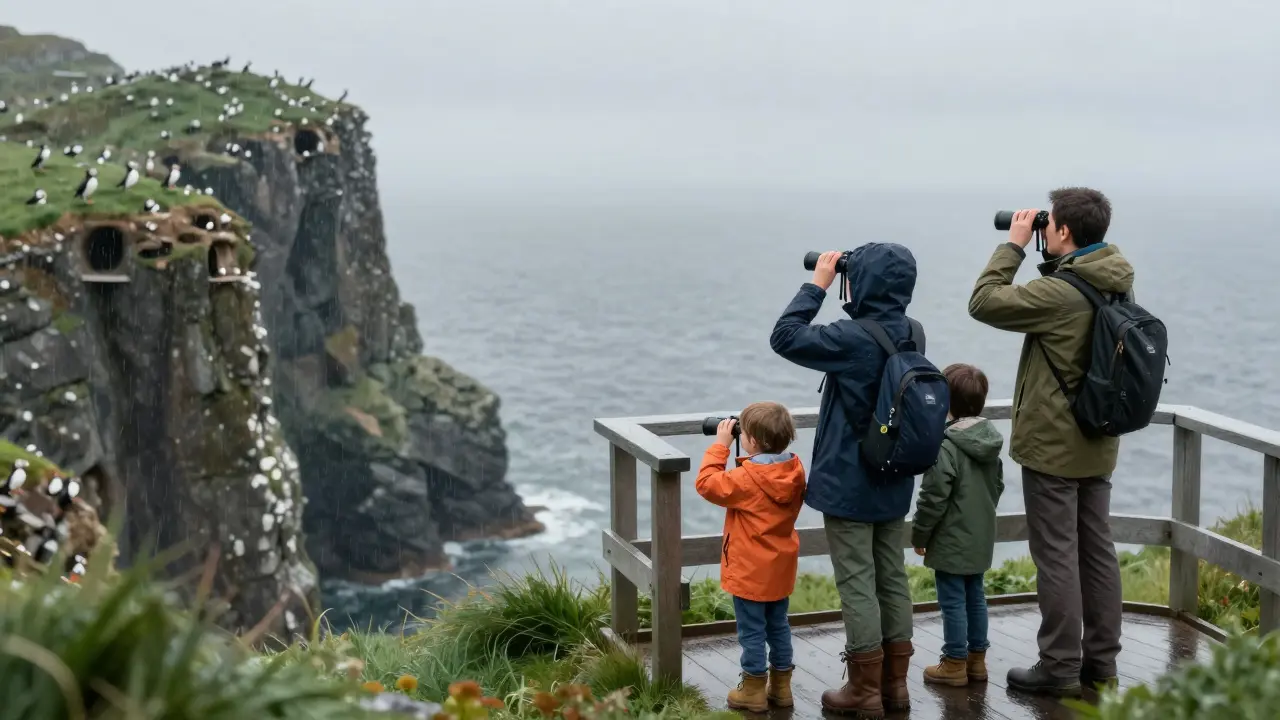
- Binoculars (8x42 magnification works well) for distant sightings.
- Camera with zoom lens; avoid flash photography near nests.
- Snacks and drinks; facilities may be minimal on smaller islands.
- Guidebook or app identifying seabird species alongside puffins.
Leave drones behind unless permitted by local authorities. Unauthorized drone flights scare birds and violate conservation laws. Respect signage indicating no-entry zones-they protect vulnerable chicks from falling prey to gulls or humans.
Etiquette and Conservation Rules
Puffin populations face threats from climate change, overfishing, and plastic pollution. Responsible tourism supports protection efforts rather than harming them. Follow these guidelines to ensure sustainable viewing:
- Stay on designated paths to prevent trampling burrow entrances.
- Keep noise levels low; loud voices stress nesting adults.
- No feeding wild puffins-it disrupts natural diet patterns.
- Report injured birds to nearby ranger stations immediately.
- Support accredited sanctuaries that reinvest profits into habitat restoration.
Organizations like the Royal Society for the Protection of Birds (RSPB) manage many key sites. Their volunteer programs let visitors contribute directly to monitoring counts and removing invasive species. Even short-term participation strengthens community ties around preservation goals.
Alternative Ways to Experience Puffins
If traveling to remote islands isn’t feasible, consider other approaches. Not everyone can commit days to multi-leg journeys across rough seas. Fortunately, several alternatives provide meaningful encounters without leaving mainland shores.
Some aquariums and marine centers house rescued puffins temporarily during rehabilitation phases. While not ideal substitutes for wild observations, educational exhibits teach about life histories and conservation challenges. Visit facilities affiliated with trusted charities to verify ethical standards.
Virtually explore colonies through live webcams operated by research institutions. The University of Exeter streams footage from Cornwall nests, while RSPB maintains feeds across multiple Scottish locations. Watch daily routines unfold-from courtship dances to chick feeding-in real time from home.
Join citizen science initiatives such as eBird or iNaturalist. Upload photos taken during coastal hikes to help track distribution trends. Scientists rely on public contributions to map migration routes and assess population health annually.
Common Mistakes to Avoid
Newcomers often stumble over simple errors that ruin experiences or harm ecosystems. Learn from others’ missteps to make yours smoother.
- Assuming puffins appear year-round-they don’t. Plan within the correct timeframe.
- Ignoring tide schedules-some viewpoints become inaccessible during high water.
- Using telephoto lenses excessively without stabilizers results in blurry images.
- Disregarding local regulations leads to fines or banned future visits.
- Expecting perfect photo ops every day-weather affects both visibility and bird activity.
Patience pays off. Sit quietly near observation points for thirty minutes before moving on. Birds settle after initial disturbances caused by arriving groups. Quiet persistence yields better shots than rushing between locations.
Final Tips for Success
Success hinges on preparation, respect, and adaptability. Here’s what separates memorable trips from frustrating ones:
- Book accommodations near ferry terminals to reduce transit fatigue.
- Hire local guides familiar with micro-weather patterns affecting sightlines.
- Carry cash for rural vendors accepting only physical currency.
- Download offline maps since mobile coverage fails frequently on islands.
- Share stories responsibly online-avoid tagging exact coordinates of sensitive nests.
Your enthusiasm fuels demand for responsible ecotourism. Choose operators certified by Green Globe or similar bodies promoting sustainability practices. Every pound spent wisely contributes toward safeguarding puffin futures for generations ahead.
Can I see puffins on the Scottish mainland?
No, puffins do not breed on the Scottish mainland due to predator risks. All significant colonies reside on offshore islands requiring boat or ferry access.
Are puffin boat tours suitable for children?
Yes, most family-friendly tours accommodate kids aged five and older. Life jackets provided fit various sizes, and captains adjust speed for younger passengers prone to motion sickness.
Why are puffin numbers declining?
Declines stem from reduced sandeel stocks-their primary food source-caused by industrial fishing. Climate shifts also alter ocean temperatures, impacting prey availability further.
Do I need special permits to photograph puffins?
General photography requires no permit. Commercial use demands authorization from managing agencies like NatureScot or RSPB. Never interfere with nesting behaviors regardless of purpose.
What should I do if I encounter an injured puffin?
Contact nearest wildlife rescue center immediately. Handle minimally using gloves, place gently in ventilated box lined with soft cloth, and refrigerate briefly until transport arranged.
Comments (9)
-
Tia Muzdalifah May 18, 2026
oh my gosh i am sooo excited for this trip next june!! 🐧✨ the photos of bass rock look incredible and im already packing my rain jacket just in case lol. thanks for the tips on when to go, didnt realize august was kinda late for them 😅

-
Albert Navat May 18, 2026
The logistical parameters for accessing these specific avian colonies are non-trivial. You must account for the hydrodynamic variables affecting ferry schedules from Anstruther or Berwick-upon-Tweed. The wind shear around Foula creates a high-risk environment for standard maritime vessels, necessitating specialized charter protocols if you intend to breach that perimeter without significant delay or motion sickness induction.

-
King Medoo May 20, 2026
It is truly disheartening to see how human activity continues to disrupt the natural order of these magnificent creatures 🌊🐟. We have a moral obligation to ensure that our tourism does not contribute to their decline through stress or habitat degradation. Please remember that every step off the path is a betrayal of the trust nature places in us 🙏. Respect the silence, respect the bird, respect the ecosystem 🕊️.

-
Rae Blackburn May 22, 2026
i dont trust those boat tours they probably take you far away so you cant actually see anything close up its all a scam by the locals to make money off tourists who dont know better. plus the weather reports are always manipulated to keep people indoors so they can control the crowds on the islands. stay home and watch the webcam instead it safer anyway

-
LeVar Trotter May 22, 2026
Let's unpack the operational logistics here folks. While the sentiment regarding conservation is valid, we need to address the practicalities of access. The RSPB guidelines are not just suggestions; they are critical for maintaining the structural integrity of the burrow systems. If you're planning a trip, I highly recommend coordinating with local guides who understand the micro-climatic shifts. It enhances the experience and ensures compliance with safety protocols.

-
Tyler Durden May 22, 2026
Wow!!! This is such an amazing guide!! I had no idea that puffins were so seasonal!! June sounds perfect!! Who else is going?? Let me know if you need any tips on packing light but warm!! Stay safe out there everyone!! 🌧️☔

-
Aafreen Khan May 22, 2026
honestly ppl stop making such a big deal about seeing them in person 🙄 the webcams are literally free and you get better angles without stressing the birds out. also your 'waterproof' jackets are probably leaking anyway lol. save your money for something useful like buying local fish instead of paying for overpriced boat rides that smell like diesel 💀

-
Pamela Watson May 22, 2026
I went to Bass Rock last year and let me tell you, the boat ride is NOT for the faint of heart! :o My stomach was doing flips the whole time. But once we got close, wow... just wow. The noise from the colony is deafening! You really feel like you are part of their world. Just don't forget your binoculars or you will miss half the action! :-)

-
Zoe Hill May 24, 2026
That sounds like an amazing experiense Zoe! I totally agree with staying on the paths though because i read that trampling can collapse the tunnels undergound which is so sad for the chicks. Also, did you bring snacks? I heard the facilities on Mousa are very basic so having a thermos of tea saved me one rainy day! Hope your trip goes well!! ☕🌧️
