
Most people visit Scotland for the castles and the cities. They stay in Edinburgh, maybe drive up to Inverness, and call it a day. But if you want to see what the land actually looks like when no one is watching, you have to go north. Way north. The region spanning Wester Ross is a rugged peninsula in the northwest Highlands known for its dramatic coastline, ancient forests, and sparse population and the North Coast 500 is a scenic driving route that circles the northern tip of Scotland, often called the UK's answer to Route 66 offers exactly that kind of raw, unfiltered experience.
This isn't a place for quick snapshots. It’s a landscape that demands time. You’re looking at jagged peaks, lochs so still they mirror the sky perfectly, and beaches that look more like tropical islands than temperate Europe. The challenge here isn’t finding things to do; it’s figuring out where to stop because everything looks worth stopping for. Let’s break down how to navigate this remote corner of the world without getting lost or overwhelmed.
The Geography of Isolation
To understand Wester Ross and the North Coast, you first have to accept the geography. This area is defined by water on three sides. To the west, you have the Atlantic Ocean crashing against cliffs. To the north, the Minch strait separates the mainland from the Outer Hebrides. To the east, the Dornoch Firth cuts into the land. This isolation created distinct microclimates and ecosystems that you won’t find anywhere else in the UK.
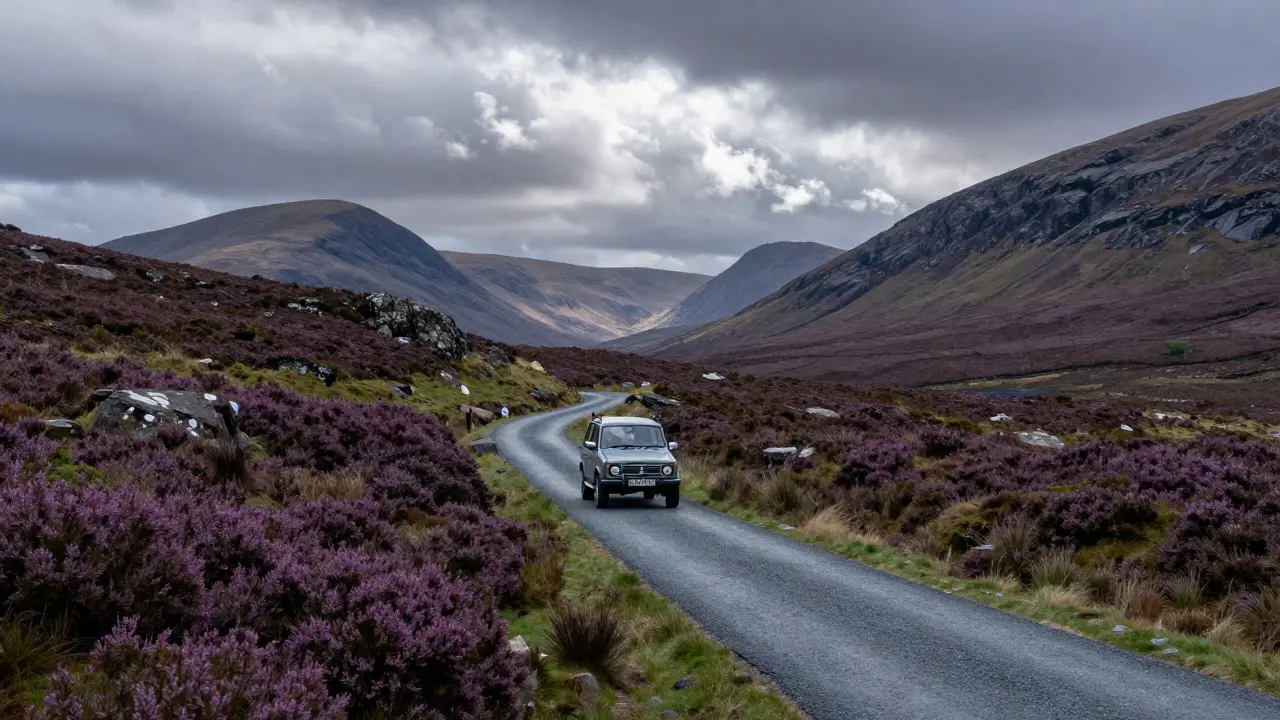
The terrain shifts rapidly. One minute you are driving through the pine forests of Cairngorms National Park is the largest national park in the UK, covering much of the eastern Highlands with diverse habitats including mountains, forests, and wetlands, and the next you are on a narrow coastal road with nothing but heather and sheep for miles. The roads here are not highways. They are single-track lanes in many places, meaning you need to pull into passing places to let oncoming traffic through. This slows you down, which is actually a good thing. It forces you to pay attention to the surroundings rather than just rushing to the next destination.
The weather plays a huge role too. In June, days are incredibly long-almost twenty hours of daylight. This means you can hike late into the evening and still see clearly. However, rain can appear out of nowhere. Always pack layers. A sunny morning can turn into a gale-force windstorm by afternoon if you are near the coast.
Key Stops in Wester Ross
Wester Ross acts as the gateway to the far north. Most travelers start their journey here before heading onto the full North Coast 500 loop. Here are the essential spots that define this region.
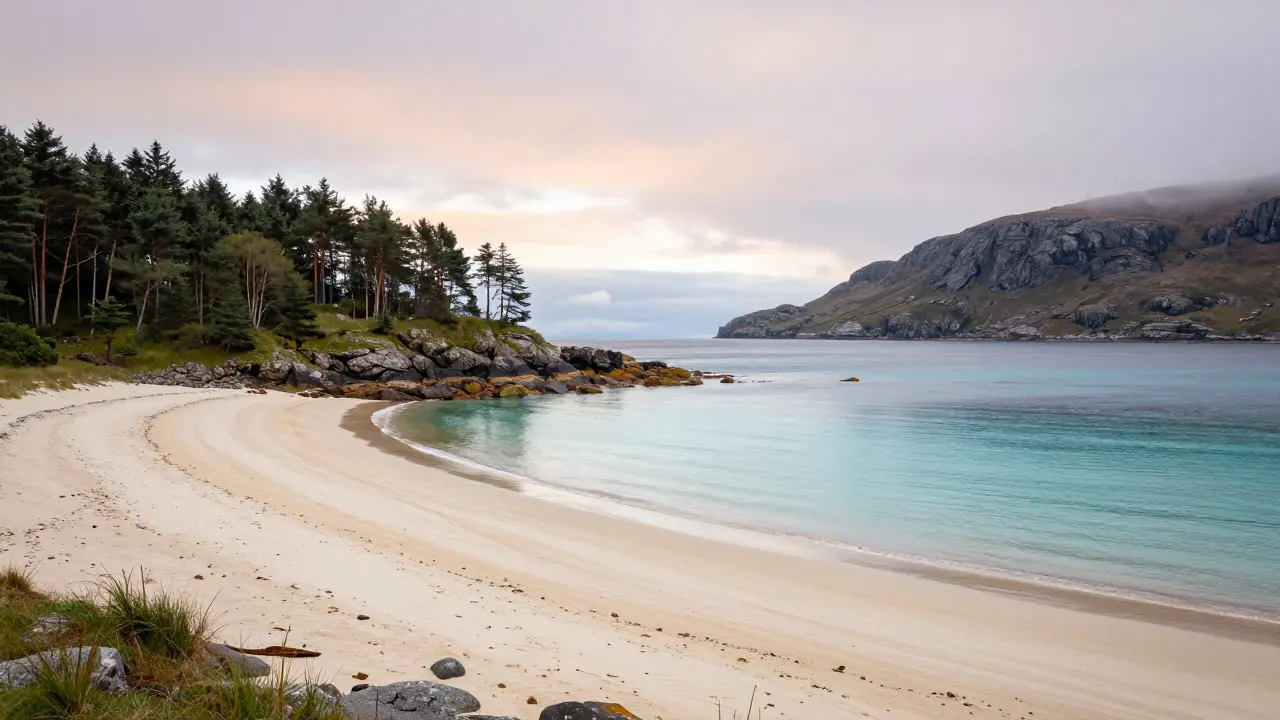
- Achnashellach Beach: Often cited as one of the most beautiful beaches in the world, this crescent-shaped stretch of white sand sits between two headlands. The contrast between the golden sand, the turquoise water, and the dark green forest behind it is striking. It gets crowded in July and August, so aim for early morning or late evening.
- Eilean Donan Castle: Yes, it’s famous. Yes, it’s touristy. But standing on the causeway connecting the castle to the mainland, surrounded by three lochs, gives you a sense of why this spot has been defended for centuries. It’s located right at the southern edge of Wester Ross, making it a natural starting point.
- Applecross Peninsula: If you enjoy driving challenges, take the Bealach na Bà pass. It’s the highest public road in the UK, with hairpin bends and steep gradients. At the top, you get panoramic views of the Atlantic and the surrounding mountains. Just check the weather conditions before attempting it; high winds can close the road.
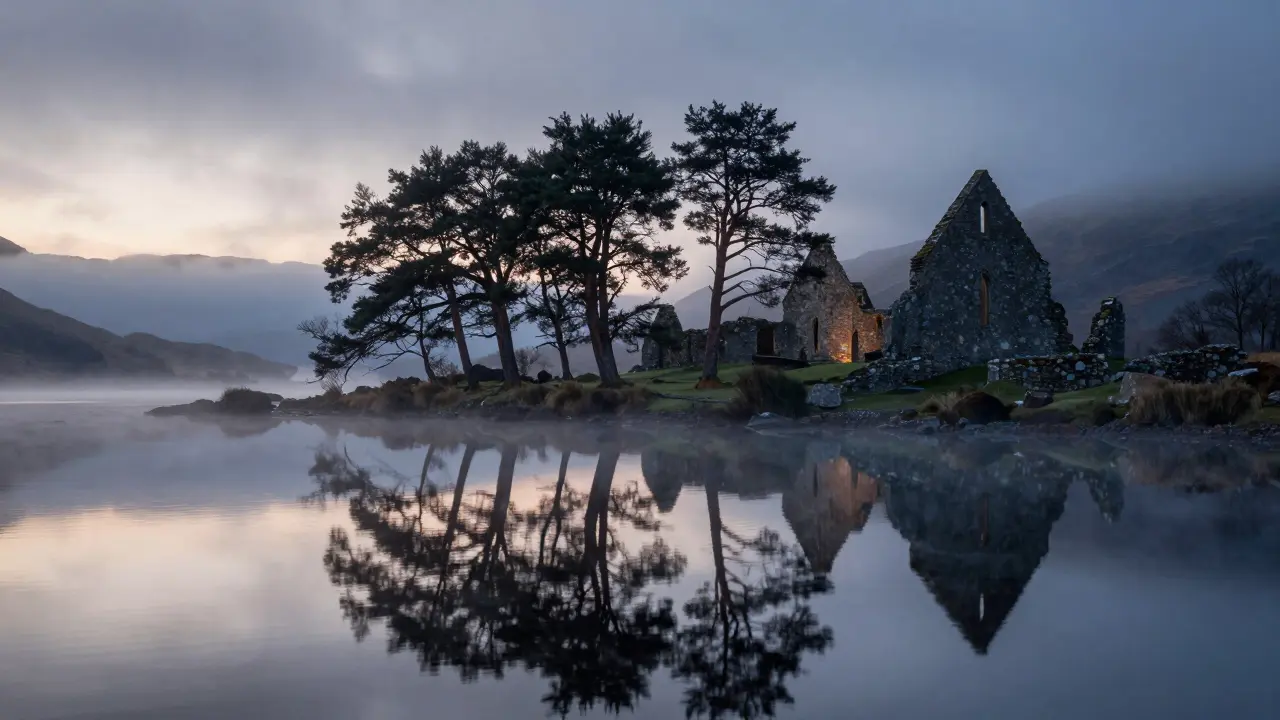
- Loch Maree: This is the longest freshwater loch in Wester Ross. It’s home to brown trout and salmon, and the waterside trail leads to the ruins of Kilmore Church, a medieval site hidden in the trees. It feels quiet and mysterious, especially when mist rolls off the water.
Navigating the North Coast 500
Once you leave Wester Ross and head toward Ullapool, you enter the heart of the North Coast 500 route. This 500-mile loop takes you through some of the most sparsely populated areas in Britain. The key to enjoying this route is pacing yourself. Trying to do it in two days is a mistake. You’ll spend more time in the car than enjoying the scenery. Plan for at least five to seven days to really absorb the atmosphere.
| Region | Main Feature | Best For | Accessibility |
|---|---|---|---|
| Wester Ross | Coastal drives and beaches | Photography and relaxation | Good road network, some single-track |
| Sutherland | Vast moorlands and dunes | Hiking and wildlife spotting | Remote, limited services |
| Cromarty Firth | Historical towns and sea lochs | History buffs and seafood lovers | Easy access from Inverness |
In Sutherland, you will encounter Duncansby Head is the northeasternmost point of mainland Britain, featuring dramatic cliffs and seabird colonies. This is where the land ends and the ocean begins. The cliffs here drop straight into the sea, and on clear days, you can see Orkney Islands in the distance. It’s a powerful place to stand and think about how small we are compared to nature.
Don’t skip the smaller villages. Places like Thurso is the northernmost town in mainland Scotland, serving as a hub for ferry connections to Orkney and offering local amenities and Wick is a historic port town in Caithness known for its maritime heritage and traditional architecture offer real community vibes. They aren’t polished tourist traps. They have pubs that have been there for generations, shops that sell local produce, and residents who are happy to chat if you strike up a conversation. These interactions add depth to your trip beyond just seeing pretty views.
Hidden Gems Beyond the Main Route
If you want to avoid the crowds, look away from the main A-roads. The magic of this region lies in its side tracks. Here are a few lesser-known spots that deserve attention.
- Stroma Island: Located just off the coast near Wick, this tiny island is only accessible by a small ferry. It has fewer than 30 residents but boasts a unique ecosystem with rare plants and birds. Walking around the island takes less than an hour, but it feels like stepping into another world.
- Castle Stalker: While technically south of the main North Coast 500 loop, this castle sits on a rocky island in Loch Laich. Unlike Eilean Donan, it’s not restored to grandeur. It’s a ruin, which adds to its charm. The reflection in the loch makes for incredible photos, especially during sunrise.
- Rheanna Duibh Hills: Near Applecross, these hills offer challenging hikes with rewards that match the effort. The views over the Kyle of Tongue and the distant Cuillin mountains are breathtaking. It’s a place for experienced hikers who don’t mind rough terrain.
- Tongue Harbour: This fishing village on the Kyle of Tongue has a quirky character. It’s known for its colorful boats and the annual seafood festival. The harbor itself is picturesque, with boats bobbing gently against a backdrop of towering peaks.
Practical Tips for Remote Travel
Traveling in remote areas requires preparation. You can’t rely on having a café or gas station every ten minutes. Here’s what you need to keep in mind.
- Fuel Up Early: Gas stations become scarce as you move north. Fill your tank whenever you see one, even if it’s half full. Running out of fuel in the middle of nowhere is stressful and dangerous.
- Cash is King: Many small shops, cafes, and attractions in rural Scotland prefer cash. Credit cards are widely accepted in larger towns, but don’t count on them everywhere. Carry enough pounds for meals and souvenirs.
- Mobile Signal: Coverage is patchy. Download offline maps before you leave civilization. Apps like Maps.me or Gaia GPS work well for navigating single-track roads and hiking trails.
- Wild Camping Rules: Scotland has a Right to Roam law, allowing wild camping almost anywhere. However, you must be responsible. Camp away from houses and livestock, take all your trash with you, and avoid damaging vegetation. Respect the land, and it will welcome you.
- Wildlife Awareness: Red deer, golden eagles, and otters are common sights. Keep your distance. Do not feed animals, and always secure food in your car to avoid attracting foxes or rats.
Why Go Now?
The appeal of Wester Ross and the North Coast is timeless, but timing matters. June offers long days and relatively mild temperatures. Wildlife is active, with bird nesting seasons peaking and young animals visible. The midges-those tiny biting insects notorious in Scotland-are less aggressive in June than in July and August, though they can still be present. Bring repellent just in case.
This region doesn’t shout for attention. It waits quietly, letting those who seek it discover its beauty. Whether you are driving along the coast, hiking through ancient forests, or simply sitting by a loch watching the clouds drift by, you will find a sense of peace that is hard to come by in busy modern life. Pack lightly, drive slowly, and leave room for spontaneity. That’s the best way to experience the true spirit of the Scottish Highlands.
How many days do I need for the North Coast 500?
Ideally, plan for five to seven days. This allows you to enjoy the scenery without spending all your time driving. Rushing through the route defeats the purpose of experiencing the remote landscapes and hidden gems.
Is it safe to drive single-track roads?
Yes, if you follow the rules. Pull into passing places to let faster or larger vehicles pass. Keep left unless overtaking, and be prepared for unexpected obstacles like livestock crossing the road. Drive defensively and patiently.
What should I pack for a trip to Wester Ross?
Pack waterproof clothing, sturdy hiking boots, layers for changing temperatures, a camera with extra batteries, cash for small purchases, and a reliable map app. Don’t forget sunscreen and sunglasses, as the sun can be strong despite the cool air.
Are there good places to eat in remote areas?
Options are limited but often high quality. Look for local pubs offering traditional Scottish dishes like haggis or fresh seafood. Some farms also offer direct sales of meat and cheese. Planning ahead and carrying snacks is wise.
Can I camp anywhere in Scotland?
Under the Land Reform (Scotland) Act 2003, you have the right to wild camp responsibly. Avoid private gardens, enclosed fields, and areas near dwellings. Always leave no trace and respect local guidelines to maintain access rights.
Comments (10)
-
Caitlin Donehue June 6, 2026
I went up there last summer and honestly the single track roads were way more stressful than I expected. You really have to keep your eyes peeled for those passing places or you get stuck behind a tractor for twenty minutes.

-
Stephanie Frank June 8, 2026
the whole 'uk route 66' thing is just marketing bs designed to suck tourists in like flies. its not remote if theres a gas station every ten miles but sure lets pretend its rugged wilderness when its basically just a slightly longer drive with worse cell service

-
Marissa Haque June 10, 2026
Oh my gosh! I am literally planning this trip right now!! The photos of Achnashellach Beach are absolutely stunning!!! I’m so excited but also a little terrified of the midges!!! Has anyone found a repellent that actually works?? Please tell me yes!!!

-
Keith Barker June 10, 2026
isolation is not emptiness it is presence. the land does not care about your schedule. you go there to be small. to remember that you are temporary. the rain falls whether you are watching or not.

-
Lisa Puster June 12, 2026
stop romanticizing poverty. these places are isolated because they are economically depressed and lack infrastructure. calling it 'hidden gems' is elitist nonsense. real wealth is having good roads and hospitals nearby not driving on dirt tracks to see sheep

-
Joe Walters June 12, 2026
i drove the nc500 in a rental fiat 500 and nearly died on the bealach na ba. dont listen to the hype guys. if u cant handle hairpin turns in a small car stay away. also the wifi sucks big time lol

-
Robert Barakat June 12, 2026
there is a certain quietude in the highlands that one cannot find in the cities. it forces a confrontation with the self. the vastness of the moorland reflects the vastness of our own internal landscapes. we travel to understand ourselves through the terrain.

-
Michael Richards June 12, 2026
You need to stop treating this like a vacation and start treating it like an expedition. If you don't have offline maps downloaded before you leave civilization you are an idiot. Cash is mandatory. Do not expect modern conveniences. Prepare accordingly or stay home.

-
Laura Davis June 14, 2026
Hey everyone! Let's keep this positive! The scenery is incredible and supporting local businesses in places like Thurso is amazing! Just remember to respect the locals and the environment! Leave no trace and enjoy the journey! You got this!

-
Lisa Nally June 16, 2026
The socio-economic implications of tourism in peripheral regions are often overlooked by casual observers. While the aesthetic appeal is undeniable, the infrastructural strain on communities like Wick and Thurso requires nuanced analysis. One must consider the carrying capacity of these ecosystems before advocating for mass visitation.
