
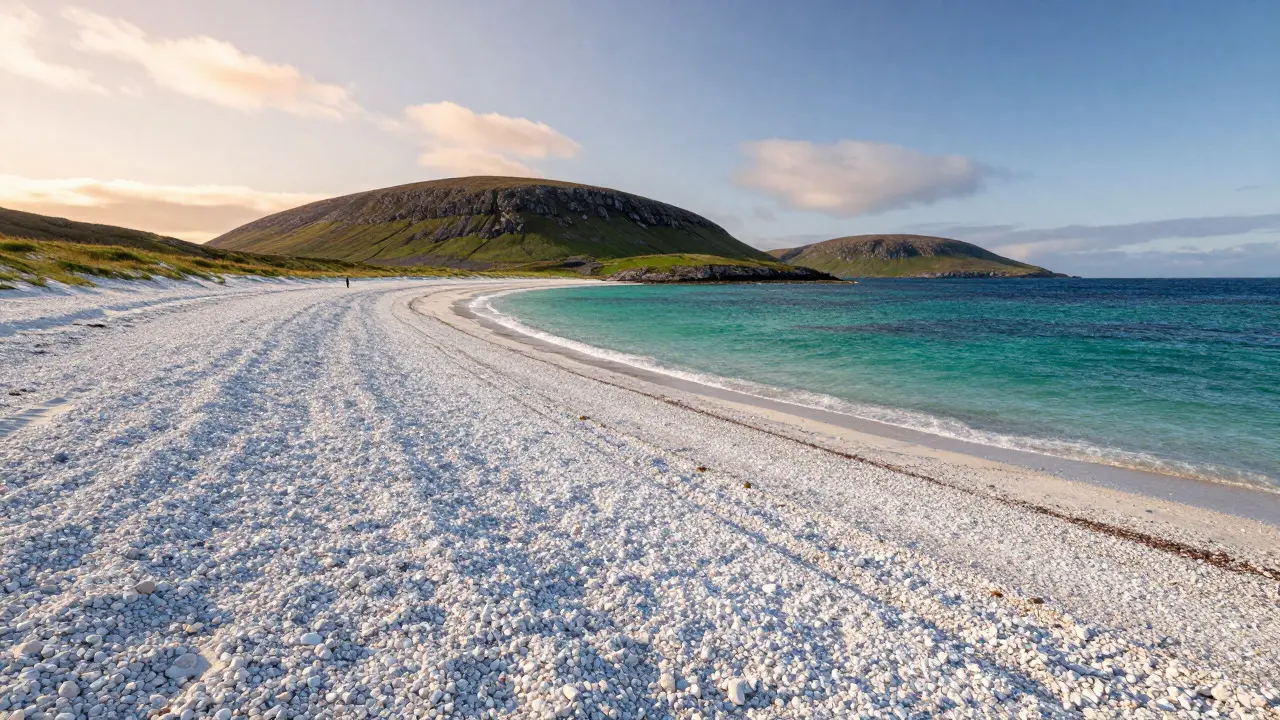
There is a specific shade of white that only exists in the Outer Hebrides. It’s not just sand; it’s crushed quartz that glows under the Scottish sun, stretching out like a frozen sea. If you have ever looked at photos of Luskentyre is a world-famous beach on the Isle of Harris known for its vast expanse of white sand and clear turquoise water. or the rugged beauty of Seilebost is a secluded, wild beach on the west coast of Harris offering dramatic views of the Atlantic Ocean., you know exactly what I mean. But seeing these places in person is a different story. The wind hits you first. Then the smell of salt and seaweed. Finally, the sheer scale of the landscape makes you feel small.
Planning a trip to these three iconic beaches-Luskentyre, Seilebost, and Scarista is a long, remote beach on the Isle of Lewis famous for its birdlife and quiet atmosphere.-requires more than just packing swimwear. You need to understand the tides, the weather, and the logistics of getting there. This guide cuts through the fluff to give you the practical details you need for a successful visit in 2026.
Why These Three Beaches?
You might wonder why we are focusing on these specific spots. The Outer Hebrides, also known as the Western Isles, are a chain of islands off the west coast of Scotland. While the mainland has its charms, the Hebrides offer a raw, untouched coastline that feels miles away from modern life. Luskentyre, Seilebost, and Scarista represent the best of this coastline: pristine sand, dramatic scenery, and a sense of isolation that is rare in Europe today.
These beaches are not just pretty pictures. They are active environments. Luskentyre is part of the North Harris Links golf course. Seilebost is a haven for seabirds. Scarista is one of the longest beaches in the UK. Each offers a unique experience, but they all share the same requirement: respect for nature and preparation for the elements.
| Feature | Luskentyre | Seilebost | Scarista |
|---|---|---|---|
| Location | Isle of Harris | Isle of Harris | Isle of Lewis |
| Sand Type | White Quartz | White Quartz/Golden | Dark Sand/Shingle |
| Crowd Level | High (Summer) | Low/Moderate | Very Low |
| Best For | Swimming, Golf Views | Photography, Solitude | Birdwatching, Walking |
| Parking | Small Car Park | Roadside Pull-in | Small Car Park |
Luskentyre: The Iconic White Sands
Luskentyre is the most famous beach in the Outer Hebrides, and for good reason. Stretching about four kilometers along the coast of Harris, it looks like something from the Caribbean. The water is often crystal clear, especially when the wind is low. However, don’t let the Instagram photos fool you into thinking it’s a relaxed resort destination. This is wild Scotland.
The beach sits directly next to the North Harris Links golf course. This means you will see golfers playing against a backdrop of ocean and sky. It’s a surreal sight. If you plan to visit in summer, expect crowds. The car park fills up early, sometimes by 9 AM. Arriving later can mean circling the road for an hour or leaving your car illegally, which risks a fine. My advice? Get there before dawn if you want solitude. Or, embrace the crowd and enjoy the energy.
Swimming here is possible, but the water temperature rarely exceeds 14°C (57°F) even in August. Locals swim year-round, but tourists usually stick to wading. The sand is incredibly soft, making it easy to walk long distances. Just remember to check the tide times. At high tide, the beach shrinks significantly, and some areas become inaccessible. Download a tide app before you go.
Seilebost: The Wild Alternative
If Luskentyre is the celebrity, Seilebost is the introvert. Located further north on the Harris coast, near the village of Tolsta, Seilebost offers a similar white-sand experience but with far fewer people. The beach is narrower and backed by dunes and machair (coastal grassland). This makes it perfect for photography and quiet walks.
The access to Seilebost is less developed. There is no large car park. Instead, you pull over onto a small lay-by on the A865 road. Be careful where you park; don’t block farm gates or narrow sections of the road. From the parking spot, a short path leads down to the sand. The view from the top of the dunes is stunning, looking out towards the Small Isles in the distance.
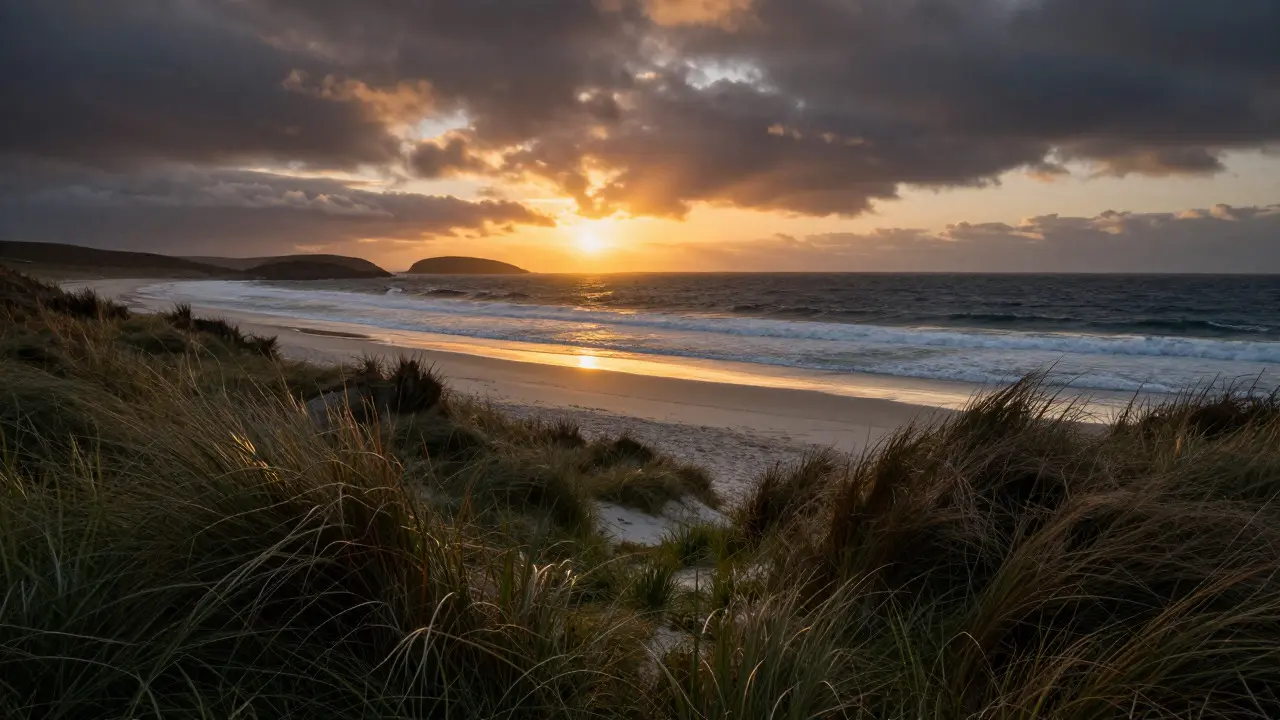
Seilebost is particularly beautiful at sunset. The light hits the sand and turns it gold. It’s a favorite spot for local artists and photographers. Because it’s smaller, it fills up quickly too, but the turnover is faster since people tend to stay for shorter periods. Bring a picnic and find a spot in the dunes. The wind can be fierce here, so bring a windbreaker even if the sun is shining.
Scarista: The Longest Beach in the UK
Scarista is different from the other two. Located on the Isle of Lewis, it doesn’t have the white quartz sand. Instead, it features darker sand and shingle. But its claim to fame is its length. At over eight kilometers long, it is one of the longest beaches in the United Kingdom. It stretches from Loch Roag to the northern tip of Lewis.
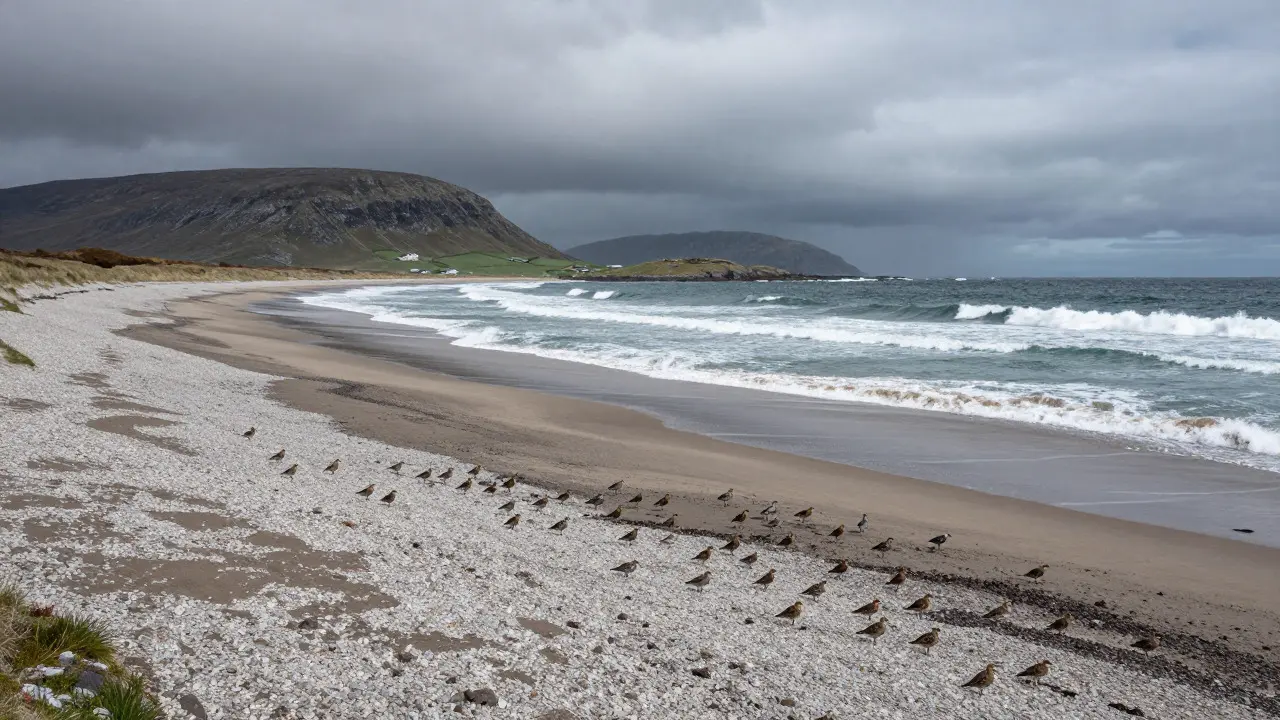
This beach is a paradise for birdwatchers. It’s a designated Special Protection Area (SPA) because of its importance to migratory birds. In spring and autumn, you can see thousands of waders and wildfowl. Keep dogs on leads during the breeding season (March to August) to protect the nesting birds. Signs at the entrance will remind you of this rule.
Scarista is remote. The nearest village is Balivanich, which is quite a drive away. There are no shops or cafes nearby. Bring everything you need with you. The beach is exposed to the Atlantic Ocean, so waves can be large and powerful. Swimming is not recommended unless you are an experienced open-water swimmer and aware of rip currents. The main activity here is walking. You can walk for hours without seeing another soul. It’s a place for reflection and connection with nature.
Practical Tips for Visiting in 2026
Visiting the Outer Hebrides requires planning. Here are some essential tips to make your trip smoother.
- Transport: You will need a car. Public transport is limited and unreliable for reaching these remote beaches. Rent a car in Stornoway or Ullapool. Driving in the Hebrides is fun but challenging. Roads are narrow, and livestock often roam free. Drive slowly and keep left.
- Weather: The weather changes rapidly. One minute it’s sunny, the next it’s raining sideways. Always carry waterproof clothing and layers. Check the Met Office forecast before heading out. Wind chill can make it feel much colder than the actual temperature.
- Tides: Tides affect beach access and safety. High tide can cut off parts of Luskentyre and Seilebost. Use a reliable tide table app. Plan your visit around low tide for the best experience.
- Toilets: Facilities are scarce. Luskentyre has basic toilets near the car park. Seilebost and Scarista do not. Use facilities in nearby villages before heading to the beach. Carry hand sanitizer and wet wipes.
- Leave No Trace: These beaches are fragile ecosystems. Take all your trash with you. Don’t disturb wildlife or vegetation. Respect private property boundaries.
When to Visit
The best time to visit depends on what you want to do. Summer (June to August) offers the warmest weather and longest days. Midnight sun allows you to explore late into the evening. But it’s also the busiest time. Prices for accommodation are higher, and parking is harder to find.
Spring (April to May) and Autumn (September to October) are excellent alternatives. The weather is cooler, but the landscapes are vibrant. Spring brings blooming wildflowers in the machair. Autumn offers dramatic skies and migrating birds. Fewer tourists mean more peace and quiet. If you don’t mind chilly swims, winter can be magical too, with stormy seas and empty beaches.
Getting There
Most visitors fly into Stornoway Airport on Lewis or take the ferry from Ullapool on the mainland to Stornoway. From Stornoway, driving to Luskentyre takes about two hours. To Scarista, it’s about an hour. Seilebost is close to Luskentyre, so you can easily visit both in one day. Plan your route carefully to minimize driving time. Fuel up in Stornoway or Tarbert, as petrol stations are sparse in the remote areas.
Use GPS apps like Maps.me or offline maps, as mobile signal can be weak in coastal areas. Tell someone your plans before heading out. Emergency services are available but may take longer to reach remote locations.
Respecting Local Culture
The Outer Hebrides have a rich Gaelic culture. Many place names are Gaelic, and you’ll hear Gaelic spoken in shops and pubs. Learn a few phrases like "Hello" (Halò) and "Thank you" (Tapadh leat). It goes a long way in building rapport with locals. Support local businesses by buying food and crafts from island producers. Your spending helps sustain the community.
Be mindful of noise levels, especially near residential areas. The Hebrides are a place for relaxation, not partying. Respect the tranquility that residents cherish.
Is Luskentyre Beach crowded in August?
Yes, Luskentyre is very crowded in August, especially between 10 AM and 4 PM. The car park fills up quickly, and the beach can feel packed. To avoid crowds, arrive early in the morning or late in the evening. Alternatively, consider visiting Seilebost or Scarista for a quieter experience.
Can you swim in Seilebost Beach?
Yes, you can swim in Seilebost, but the water is cold year-round. Temperatures rarely exceed 14°C (57°F). Strong currents and sudden weather changes make swimming risky for inexperienced swimmers. Always check tide times and weather forecasts before entering the water. Wear a wetsuit if you plan to stay in for more than a few minutes.
Are dogs allowed on Scarista Beach?
Dogs are allowed on Scarista Beach but must be kept on a lead from March to August to protect nesting birds. Outside this period, dogs can be off-leash but should still be under control. Always clean up after your pet and dispose of waste properly. Signs at the beach entrance provide updated information on dog regulations.
What is the best time of day to visit Luskentyre?
The best time to visit Luskentyre is early morning (before 9 AM) or late afternoon (after 5 PM). These times offer fewer crowds, better lighting for photography, and calmer winds. Sunrise and sunset are particularly spectacular, with golden light reflecting off the white sand. Avoid midday in summer to escape the peak tourist rush.
Do you need a car to visit these beaches?
Yes, a car is essential for visiting Luskentyre, Seilebost, and Scarista. Public transport options are limited and infrequent. Buses may stop near Luskentyre in summer, but accessing Seilebost and Scarista reliably requires your own vehicle. Renting a car in Stornoway is the most convenient option for exploring the Outer Hebrides independently.