
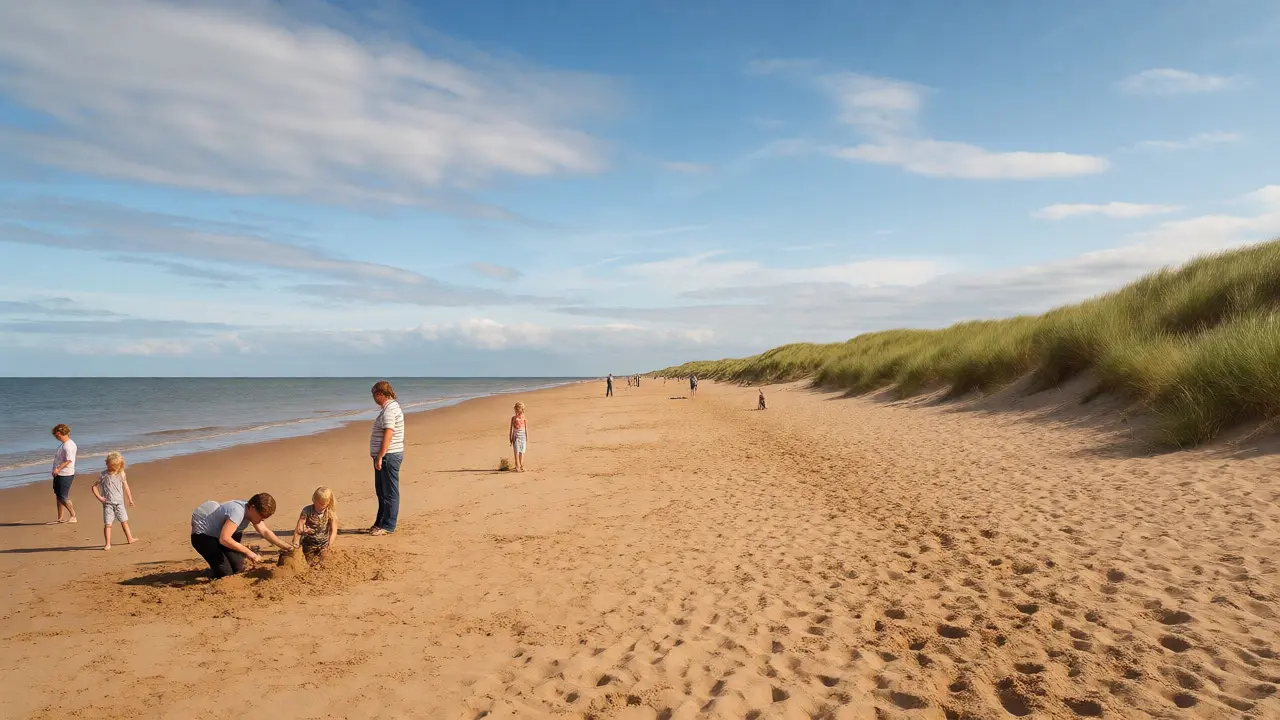
Most tourists flock to Edinburgh’s Royal Mile or the crowded shores of St Andrews, missing out on one of Scotland’s best-kept secrets. Just a short drive east lies Yellowcraig, a vast expanse of golden sand backed by dunes that feels worlds away from the city hustle. If you’re looking for a day trip that balances history, nature, and easy access for kids, the stretch between Yellowcraig and Dirleton is your answer. It’s not just about the beach; it’s about exploring a landscape shaped by ice ages, medieval lords, and modern conservation efforts.
You might be wondering if this spot lives up to the hype seen on social media. The short answer? Yes, but with caveats. Parking fills up fast in summer, and the tides can turn quickly. This guide breaks down exactly how to navigate the area, what trails are safe for toddlers versus teenagers, and where to find the best views without breaking a sweat.
Why Yellowcraig Is Perfect for Families
Yellowcraig Beach is part of the larger Gullane Bay system, managed by the National Trust for Scotland. Unlike many Scottish beaches that are rocky or exposed to harsh winds, Yellowcraig offers sheltered waters protected by the Bass Rock archipelago offshore. This creates a microclimate that’s often warmer and calmer than neighboring coasts.
The beach itself spans over three miles of soft sand. For families, this means space. You can set up a picnic far from other groups, let kids run free without worrying about traffic, and still have room for building sandcastles that actually stay standing. The dunes behind the beach act as natural windbreaks, making it comfortable even on breezy days. Plus, the shallow gradient into the water means younger children can paddle safely without sudden drop-offs.
| Feature | Details | Best For |
|---|---|---|
| Beach Type | Sand and shingle mix | Toddlers, dogs, swimming |
| Parking | National Trust car park (free) | Families with strollers |
| Accessibility | Mobility mats available | Wheelchair users, strollers |
| Facilities | Toilets, cafe (seasonal) | Long visits, hot meals |
Exploring Dirleton Castle: History Made Easy
After shaking off the sand, head inland to Dirleton Castle. Built in the 13th century, this ruin isn’t just a pile of stones-it’s a playground for imagination. Managed by Historic Environment Scotland, the castle features a well-preserved gatehouse, a deep dungeon, and gardens that date back centuries. Kids love climbing the stairs and peeking into the dark chambers, while adults appreciate the architectural details and panoramic views.
The castle grounds include the Dirleton Gardens, which feature rare trees and shrubs planted during the Victorian era. Walking through these gardens provides a calm contrast to the energetic beach. There’s also a small shop and tea room, perfect for refueling before tackling the coastal trails. Entry fees are reasonable, and National Trust members get free admission, which makes combining both locations a cost-effective outing.

Coastal Trails: From Gentle Walks to Adventurous Hikes
The real magic happens when you connect the beach and the castle via the coastal paths. These trails vary in difficulty, so you can tailor the experience to your group’s energy levels.
- The Dune Loop: A flat, easy walk along the boardwalks and sandy paths. Ideal for pushchairs and young children. Takes about 30 minutes at a leisurely pace.
- The Gullane Trail: Leads from Yellowcraig towards Gullane. This path follows the coastline and offers stunning views of the Firth of Forth. Watch for seals basking on rocks near low tide.
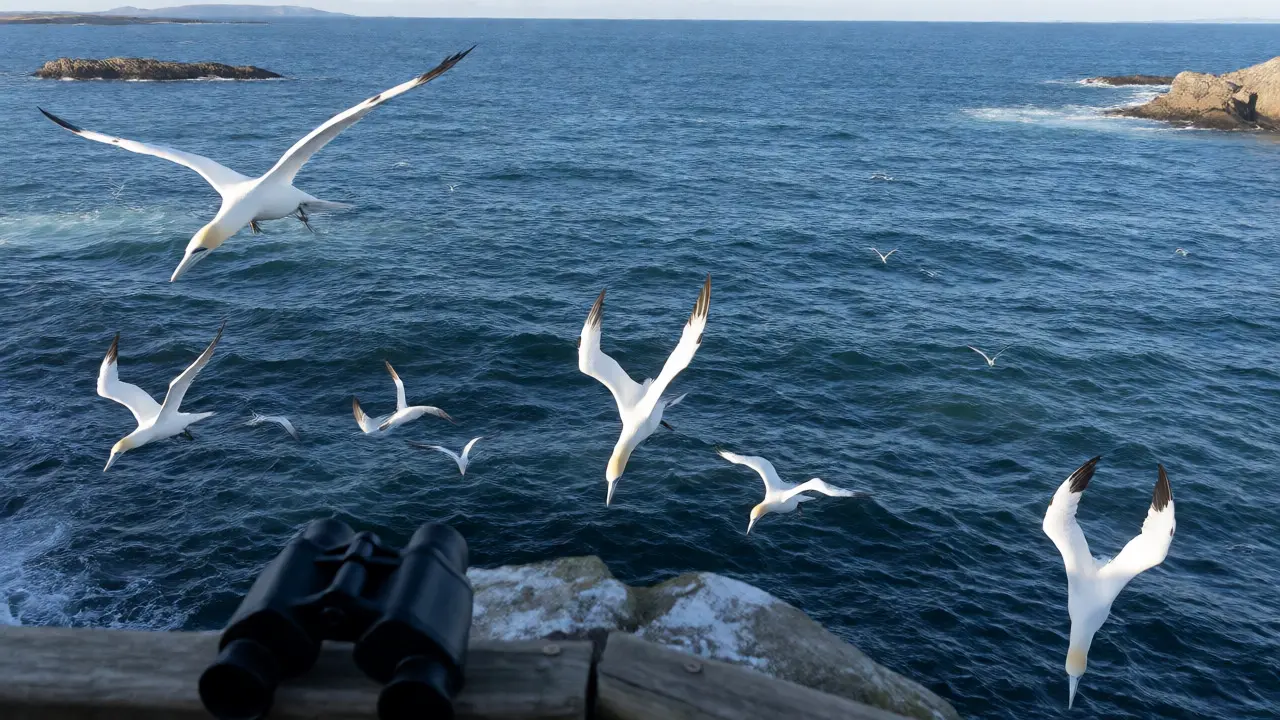
- Bass Rock Viewpoint: A slightly more strenuous hike leads to points where you can see Bass Rock, home to the world’s largest colony of northern gannets. Binoculars are highly recommended here.
One tip: wear sturdy shoes. While the beach is sandy, the trails between dunes and cliffs can be muddy after rain. The National Trust maintains clear signage, so getting lost is unlikely, but staying on marked paths protects the fragile dune ecosystems.
Practical Tips for Your Visit
Timing matters. Arrive early-before 10 AM-to secure parking. The car park fills up rapidly on weekends and school holidays. If you miss the spot, there’s overflow parking further up the hill, but it involves a steep walk down to the beach. Check tide times online before heading out; high tide cuts off some lower paths and reduces the usable beach area.
Weather in East Lothian can change quickly. Even if it’s sunny in Edinburgh, fog or wind can roll in along the coast. Pack layers, waterproof jackets, and extra socks. Sunscreen is essential too-the reflection off the sand and water intensifies UV rays.
For food options, the seasonal cafe at Yellowcraig serves decent coffee and snacks. However, bringing your own picnic is often better. Local shops in nearby villages like North Berwick offer fresh bread, cheese, and fruit. Eating on the beach while watching gannets dive for fish is an unforgettable experience.
Wildlife Spotting: What to Look For
This area is a haven for birdwatchers and marine life enthusiasts. Keep an eye on the sky for Northern Gannets, seabirds that plunge-dive from heights of up to 40 meters. Their white bodies against the blue sea make them easy to spot. On land, look for rabbits burrowing in the dunes and lizards sunning themselves on warm rocks.
In the water, grey seals are common residents. They often haul out on rocks near the Bass Rock or closer to shore. Respect their space-keep at least 50 meters distance if they come ashore. Dolphins occasionally pass through the Firth of Forth, though sightings are less predictable. Bring binoculars to enhance your chances of spotting wildlife without disturbing it.
Final Thoughts: Why This Trip Works
Yellowcraig and Dirleton offer a balanced day out that appeals to all ages. You get the physical activity of walking, the educational value of historical ruins, and the relaxation of a beautiful beach. It’s accessible enough for beginners yet rewarding enough for seasoned hikers. By planning ahead for parking and weather, you’ll avoid common pitfalls and enjoy a seamless adventure.
Consider pairing this visit with nearby attractions like Tantallon Castle or the Scottish Seabird Centre in North Berwick if you have extra time. But honestly, most families find that Yellowcraig alone provides enough entertainment for a full day. It’s a reminder that sometimes the best travel experiences aren’t the most famous ones-they’re the ones that feel personal and peaceful.
Is Yellowcraig Beach suitable for toddlers?
Yes, it is very toddler-friendly. The sand is soft, the water entry is gradual, and mobility mats help with pushing strollers across the dunes. Always supervise children near the water due to changing tides.
How long does it take to walk from Yellowcraig to Dirleton Castle?
The walk takes approximately 45 minutes to an hour depending on your pace and stops. The route is mostly flat but includes some uneven terrain and steps, so wear appropriate footwear.
Can I bring my dog to Yellowcraig Beach?
Dogs are welcome year-round. However, please keep them on leads near livestock and wildlife areas. Clean up after your pet to maintain the beach’s cleanliness for other visitors.
Is there public transport to Yellowcraig?
Public transport options are limited. Buses stop in nearby towns like Gullane or Dirleton, but you’ll need to walk or taxi from there to the beach. Driving is the most convenient option for most families.
What is the best time of year to visit?
Summer offers the warmest weather and longest days, ideal for swimming. Spring and autumn provide fewer crowds and excellent birdwatching opportunities, especially for seeing gannets nesting on Bass Rock.