
You’ve probably heard the buzz about V&A Dundee is a world-class design museum located on the waterfront of Dundee, Scotland.. It’s not just another gallery in a historic building. This place is an architectural statement, a cultural hub, and honestly, one of the best reasons to visit the city right now. If you’re planning a trip or just curious about what all the fuss is about, you need more than just a map pin. You need to know how it works, why it looks like that, and what’s actually worth your time inside.
I live here in Dundee, and I’ve walked these halls enough times to tell you exactly what to expect. No fluff, no tourist traps-just the real deal on navigating this iconic space.
The Quick Takeaways
- It’s Free: General admission to the permanent galleries and most temporary exhibitions costs nothing.
- Architecture is the Exhibit: Designed by Kengo Kuma, the building itself mimics the cliffs of Angus and is as important as the art inside.
- Location Matters: Situated on the Tay Road Bridge approach, it’s easily accessible but requires specific parking knowledge.
- Family Friendly: The Design Studio offers hands-on activities for kids, making it a viable day out for parents.
- Book Ahead: While entry is free, timed slots are often required during peak seasons to manage crowds.
Why the Building Looks Like That
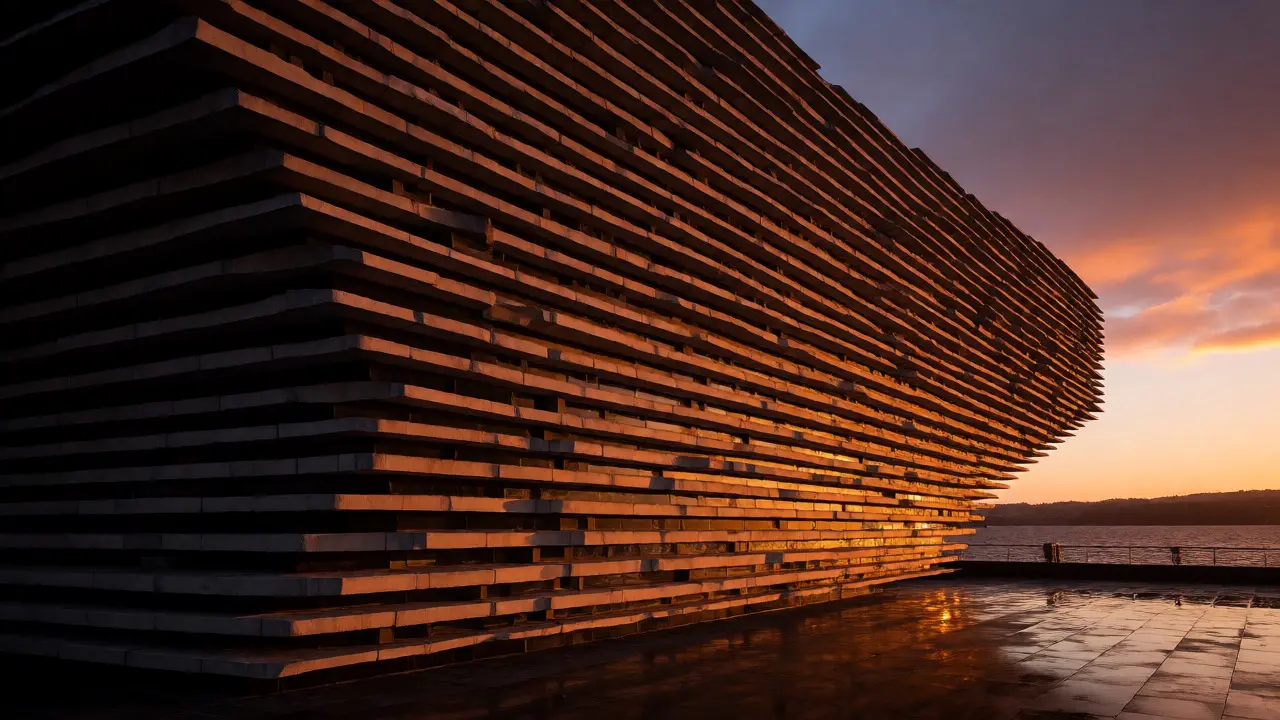
Let’s get the obvious question out of the way: Why does it look like a jagged rock? The V&A Dundee was designed by Japanese architect Kengo Kuma to reflect the dramatic coastal landscapes of Scotland. He didn’t want a glass box. He wanted something that felt rooted in the land.
Kuma studied the cliffs of Angus, specifically the layered rock formations near Arbroath. He translated those natural strata into precast concrete panels. When you walk around the exterior, especially at sunset, the shadows play across these layers, creating a dynamic texture that changes with the weather. It’s not just aesthetic; it’s a dialogue between human-made structure and natural geology.
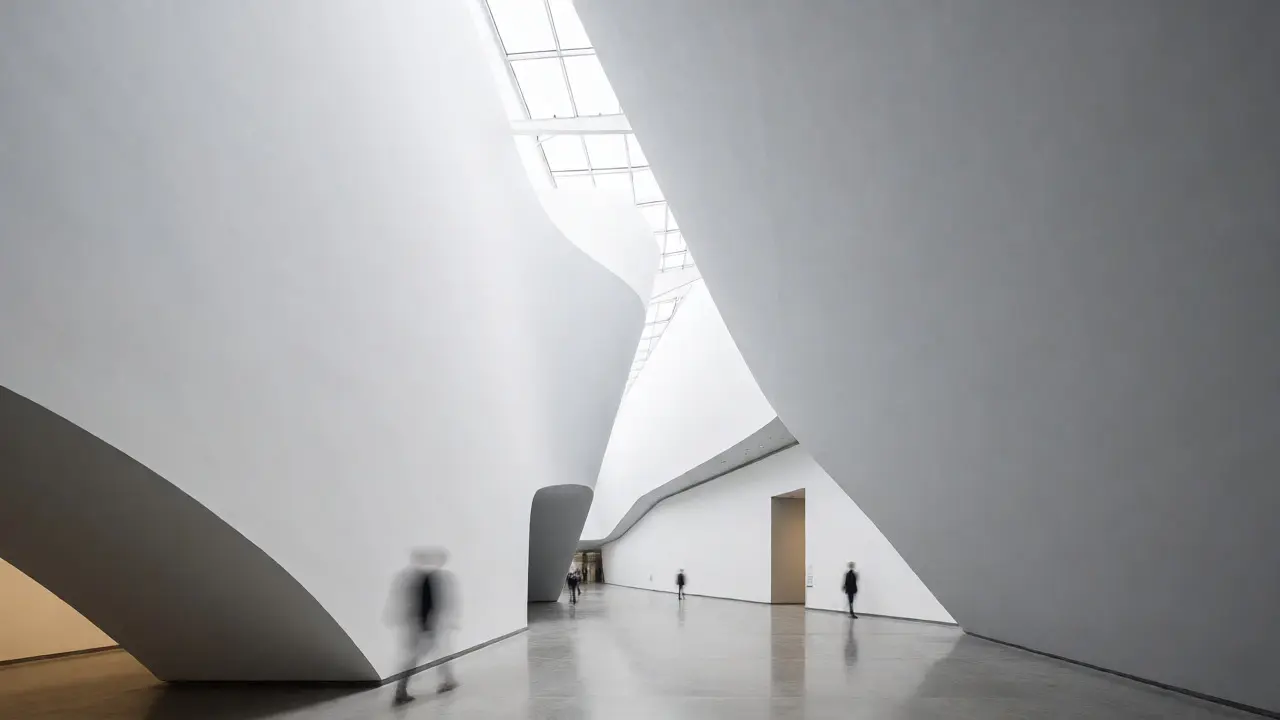
Inside, the contrast is stark. The exterior is rugged and heavy, but the interior features light-filled atriums and flowing curves. This juxtaposition is intentional. It prepares you mentally for the transition from the wild Scottish landscape to the curated world of design. If you only have ten minutes, spend them outside looking up. The interplay of light and shadow on the concrete facade is arguably the best exhibit you’ll see.
Navigating the Galleries Without Getting Overwhelmed
Walking into the main atrium can be disorienting. The space is vast, open, and filled with people. Don’t try to see everything at once. The layout follows a loose chronological and thematic path, but you don’t need to follow it strictly.
Start with the Permanent Collection. This is where you’ll find objects ranging from ancient tools to modern tech prototypes. Look for the section on Scottish innovation. You might spot early prototypes of the PlayStation or designs by James Watt. These aren’t just dusty relics; they show how local engineering influenced global culture.
Then, move to the temporary exhibitions. These change every few months and are usually the highlight of any visit. In late 2026, keep an eye out for themes focusing on sustainable fashion or digital interfaces. These exhibits are tightly curated, so read the introductory panels. They provide context that turns random objects into a coherent story.
Pro tip: Avoid the weekends if you hate crowds. Tuesday and Wednesday mornings are quietest. You can actually hear yourself think, which helps when engaging with complex design concepts.
Practical Logistics: Parking, Transport, and Timing
Dundee has improved its transport links significantly, but getting to the V&A still trips people up. Here’s the breakdown.
| Mode | Time from City Centre | Cost | Notes |
|---|---|---|---|
| Walking | 15-20 mins | Free | Pleasant route along the waterfront, but check weather. |
| Taxi | 5-10 mins | £8-£12 | Direct drop-off available at the entrance. |
| Bus | 10-15 mins | £2-£3 | Stagecoach buses stop nearby; check current routes. |
| Car | Varies | Parking fees apply | Limited on-site parking; use public car parks. |
If you’re driving, do not rely solely on the museum’s small parking area. It fills up fast. Instead, head to the Slessor Gardens car park or the Overgate Centre multi-story. From there, it’s a short walk. Remember, the waterfront is exposed. If it’s raining, bring a hooded jacket. Umbrellas are a pain in the wind off the River Tay.
For train travelers, Dundee Station is surprisingly close. A direct taxi ride takes less than ten minutes. Walking is possible but involves crossing busy roads and walking through industrial areas that aren’t particularly scenic until you hit the water.
Eating and Resting: Where to Refuel
Museums are tiring. Your feet will hurt after two hours. The Café Bar inside the V&A is convenient, offering decent coffee and light bites. However, if you want a proper meal, step outside.
The surrounding Waterfront District has exploded with food options since the museum opened. For quick, high-quality food, try the independent cafes along the promenade. Many offer vegan and gluten-free options without making it their entire identity. If you prefer a sit-down dinner, book ahead. Places fill up quickly on Friday and Saturday nights.
One local favorite is grabbing fish and chips from a takeaway shop and eating it on the benches facing the bridge. It’s casual, cheap, and gives you a great view of the building lit up at night. Just watch out for seagulls-they are aggressive and opportunistic.

Is It Worth Visiting With Kids?
Absolutely. But you need to go in with a plan. Teenagers might get bored staring at static displays, but younger children thrive here because of the interactive elements.
Head straight to the Design Studio. It’s a dedicated space for workshops and play. Kids can build structures, experiment with materials, and engage with design principles without being told "don't touch." Staff are trained to facilitate rather than instruct, which keeps engagement high.
Also, check the schedule for family-friendly tours. These are shorter, more visual, and focus on storytelling rather than dates and names. Parents appreciate the seating areas scattered throughout the galleries, allowing you to rest while kids run around nearby.
Beyond the Walls: What Else Is Nearby?
The V&A isn’t an isolated island. It’s part of a larger regeneration project. Once you’re done inside, explore the surroundings.
The Discovery Point is just a five-minute walk away. It houses the RRS Discovery, Captain Scott’s Antarctic ship. If you liked the design angle of the V&A, you’ll appreciate the engineering marvels on display there. It’s a different vibe-more historical, less conceptual-but equally compelling.
Further along the waterfront, you’ll find the Verdant Works, a jute mill turned museum. It tells the story of Dundee’s industrial past. It’s gritty, raw, and fascinating. Combining the V&A with Verdant Works gives you a full picture of Dundee: from its industrial roots to its creative future.
Final Thoughts Before You Go
V&A Dundee is more than a collection of pretty things. It’s a catalyst for a city’s transformation. It proves that design isn’t just about aesthetics-it’s about function, history, and community. Whether you’re a design nerd, a architecture buff, or just looking for a rainy-day activity, it delivers.
Just remember: check the website for special events before you go. Sometimes a major exhibition opening draws huge crowds. And wear comfortable shoes. The floors are polished concrete, and they don’t forgive bad footwear.
Is there an entry fee for V&A Dundee?
General admission to the permanent galleries and most temporary exhibitions is free. However, some special events or behind-the-scenes tours may require a ticket. Always check the official website for current pricing on specific programs.
Do I need to book tickets in advance?
While walk-ins are often accepted, booking a timed slot online is recommended, especially during school holidays, weekends, and major exhibition launches. This guarantees entry and reduces waiting times.
How long should I plan to stay at the museum?
A typical visit lasts between 2 to 4 hours. This allows enough time to explore the permanent collection, view a temporary exhibition, and perhaps participate in a workshop. Architecture enthusiasts may want to allocate extra time for photographing the exterior.
Is V&A Dundee accessible for visitors with disabilities?
Yes, the museum is fully accessible. There are ramps, elevators, and accessible toilets throughout the building. Wheelchairs are available for loan at the information desk. Audio guides and tactile tours are also offered for visually impaired visitors.
Can I take photographs inside the galleries?
Non-flash photography is generally permitted for personal use in most permanent galleries. However, rules vary for temporary exhibitions due to copyright agreements with lenders. Look for signage at the entrance of each exhibition hall.
What is the best time of day to visit?
Weekday mornings (Tuesday to Thursday) are typically the quietest. Late afternoon visits offer beautiful lighting conditions for photography, both inside and out, but can be busier as workers finish their day.
Are there lockers available for bags?
Yes, secure lockers are available near the entrance. Large bags and backpacks must be stored in lockers before entering the galleries to protect the exhibits. Small handbags and camera bags are usually allowed in.