
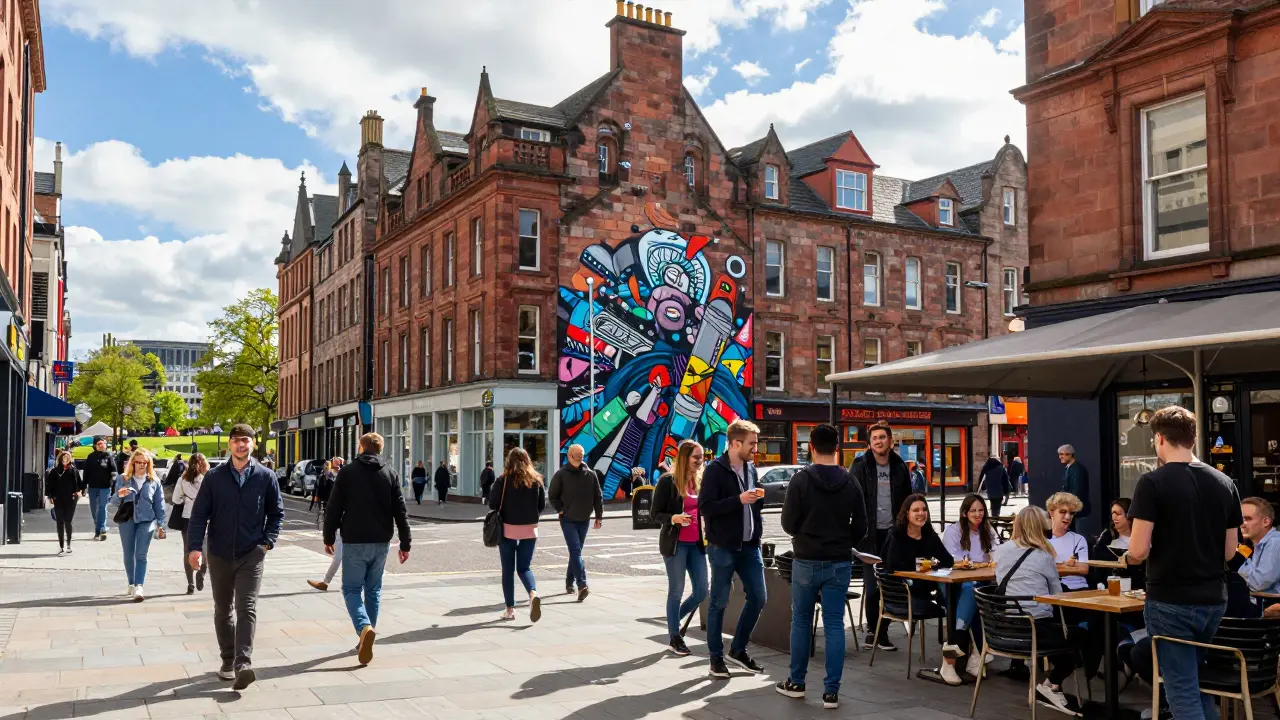
Walking down Sauchiehall Street in May, you might miss the hum of creativity just around the corner. Glasgow isn't just a city with buildings; it’s a living organism that breathes through its art, music, and street culture. If you’re planning a trip or looking for your next weekend escape, knowing Glasgow’s event calendar is the difference between a tourist stroll and a local experience. The city doesn’t sleep on culture-it schedules it meticulously.
The Pulse of Spring: May and June Highlights
Right now, as we move through mid-May, the energy shifts from winter introspection to outdoor celebration. This is when the city opens up. The primary draw this month is usually tied to the lead-up to summer festivals, but there are specific gems happening right now.
Tramway, located in the heart of the West End near the University of Glasgow, is often hosting cutting-edge contemporary art installations. In May, they typically feature international collaborations that challenge traditional gallery spaces. It’s free entry, which lowers the barrier for spontaneous visits. You can spend an hour here without breaking a sweat, followed by a coffee at a nearby independent cafe.
As June approaches, look out for Greenbelt Festival. While technically held at Bellshill (just north of Glasgow), it draws thousands into the city for pre-festival parties and related workshops. It’s a blend of music, environmental activism, and community building. For those staying within the city limits, Glasgow International Comedy Festival usually kicks off in early June. Venues like The Stand Comedy Club and smaller pubs across the South Side fill up fast. Book weeks in advance if you want to see headliners.
- May Focus: Contemporary art galleries and late-night cinema screenings at Barbican Centre.
- June Transition: Outdoor comedy gigs and green-focused community events.
- Pro Tip: Check the Glasgow Life website weekly; they update listings every Monday morning.
Summer Spectacle: July and August
Summer in Glasgow is unpredictable weather-wise but consistent culturally. This is peak season for large-scale festivals. The biggest name on the block is SECC (Scottish Event Cycles Centre)-hosted events, ranging from trade shows to massive concerts. But the real soul of summer lies in the streets.
Celadon and similar boutique galleries in the Merchant City often host summer open-house weekends. These are less about formal viewing and more about mingling with artists. You’ll find painters, sculptors, and digital creators discussing their work over wine. It’s a relaxed way to engage with the local art scene without the pressure of a museum tour.
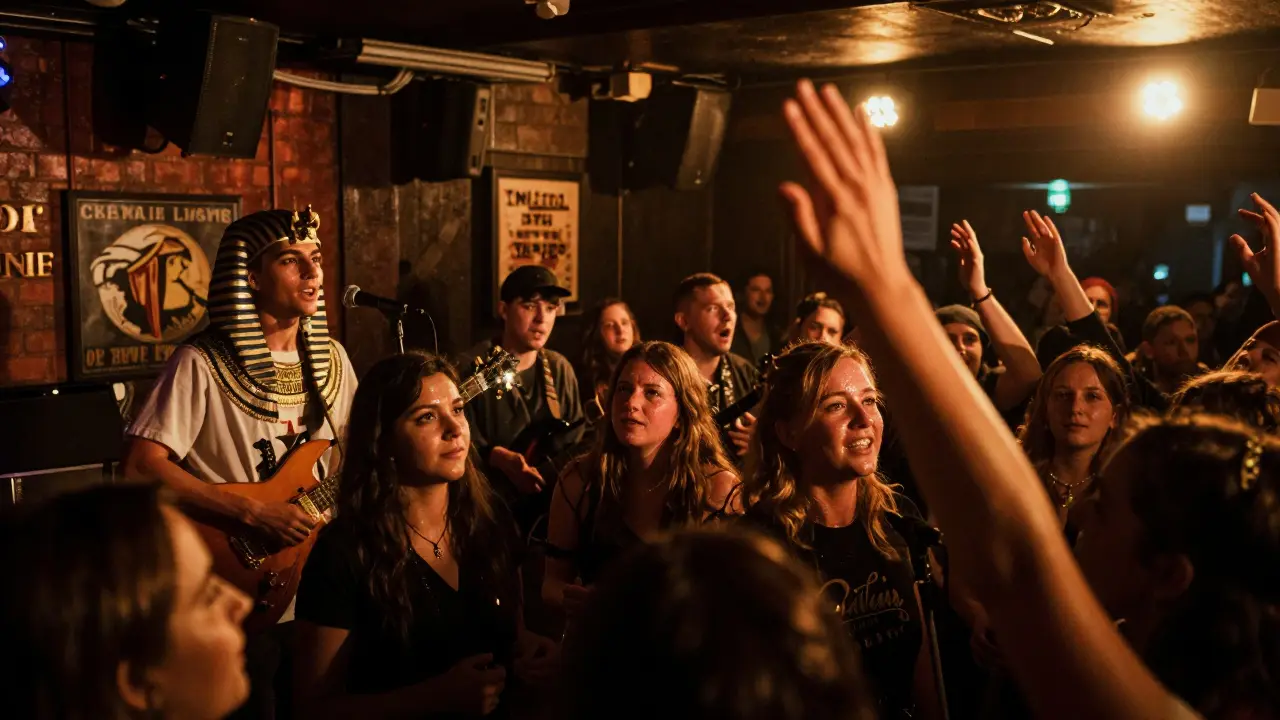
Don’t overlook King Tut’s Wah Wah Club. While famous for launching bands like Oasis and Snow Patrol, in July and August, it hosts intimate gigs featuring emerging Scottish talent. Tickets are cheap, and the atmosphere is electric. It’s a reminder that Glasgow’s music history isn’t just in textbooks; it’s alive in small venues.
| Event/Venue | Type | Best Time to Visit | Cost Estimate |
|---|---|---|---|
| SECC Concerts | Live Music/Conference | July-August | £30-£150 |
| Merchant City Gallery Walk | Art Exhibition | Weekends, June-August | Free |
| King Tut’s Gigs | Live Indie/Rock | Evenings, All Summer | £8-£15 |
| Riverside Museum Workshops | Educational/Family | School Holidays | Free (Donation) |
Autumn Arts: September and October
When the leaves turn, Glasgow turns inward. Autumn is serious art season. The Gallery of Modern Art (GoMA) on George Street usually launches major retrospectives in September. These exhibitions often feature global icons, drawing crowds from Edinburgh and London alike. The architecture of GoMA itself-a former post office-is worth the visit even if you skip the exhibit.
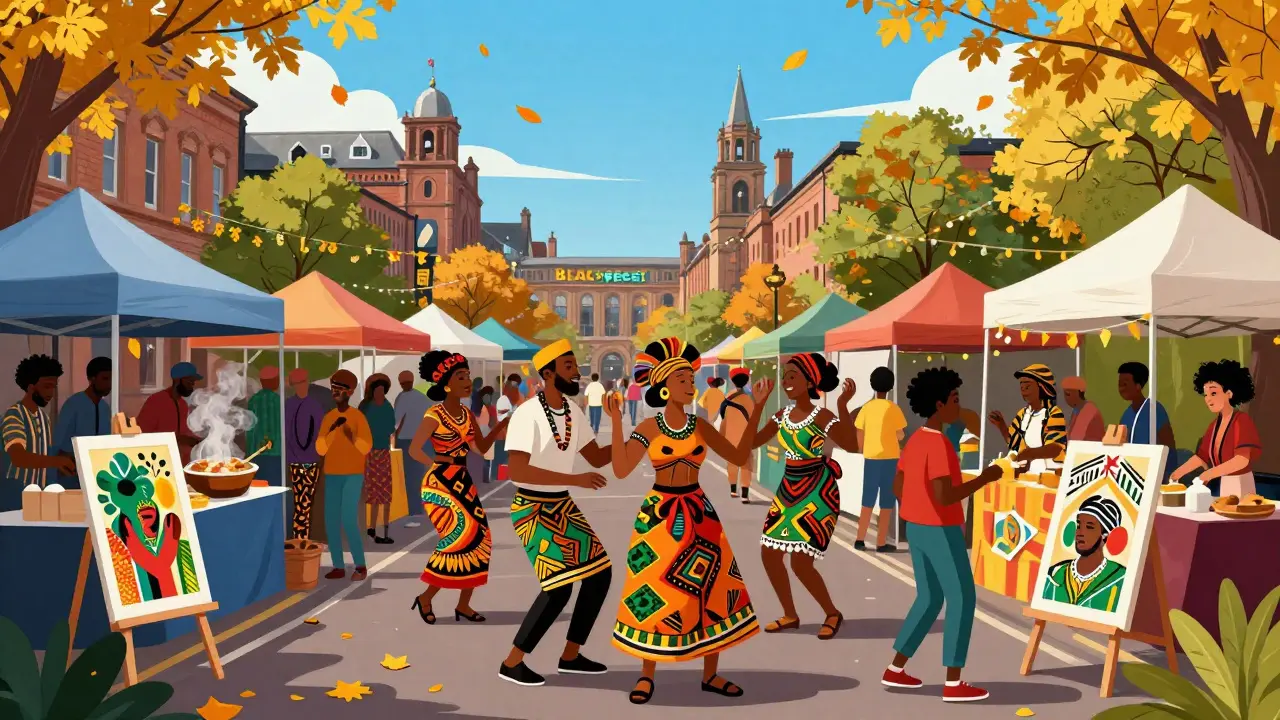
October brings Blackfest, one of Europe’s largest African and Caribbean festivals. Held in the East End, primarily around City of Glasgow College and local parks, it celebrates diaspora culture through food, dance, and visual arts. It’s vibrant, loud, and deeply communal. You don’t need a ticket for the main street events, making it accessible to everyone.
Also, keep an eye on People's Palace & Winter Gardens. In autumn, they host historical talks and craft fairs that highlight Glasgow’s industrial heritage. It’s a quieter, reflective experience compared to the summer frenzy.
Winter Warmth: November and December
Winter in Glasgow can be dark and damp, but the city compensates with indoor brilliance. Renfrew Street Cinema becomes a sanctuary. They screen classic films alongside new releases, often with live musical accompaniment. It’s a nostalgic experience that feels worlds away from modern multiplexes.
December is dominated by Glasgow Christmas Market in George Square. While commercial, it’s wrapped in cultural performances-choirs, street theater, and light installations. Beyond the market, Buchanan Theatre and Sephardi Synagogue (now a concert venue) host high-end classical concerts and holiday specials.
For a unique twist, visit Tramway again in December. They often curate year-end reviews of local art, offering a critical perspective on what the city produced that year. It’s intellectual, thought-provoking, and a great way to end the cultural year.
Navigating the Calendar: Practical Tips
You don’t need to memorize dates. Use these heuristics to plan:
- Follow the Seasons: Spring/Summer = Outdoor/Festivals. Autumn/Winter = Indoor/Galleries/Theater.
- Check Local Listings: Glasgow Life is the official hub. For indie vibes, check Music Glagow’s social media.
- Transport Links: Most major venues are linked by the Glasgow Subway or tram lines. Plan routes around stops like Buchanan Street, Central Station, and West End.
- Student Discounts: If you’re under 25, always ask. Many venues offer reduced rates, especially during term time.
Glasgow’s culture isn’t static. It evolves with its people. Whether you’re catching a punk gig in the Southside or viewing oil paintings in Kelvingrove, the key is to show up. The calendar is full, but the best moments are often unplanned.
What is the best free art attraction in Glasgow?
Kelvingrove Art Gallery and Museum is the top choice. It houses everything from Renaissance paintings to natural history specimens. Entry is free, though donations are appreciated. It’s centrally located near the West End and easily accessible by tram.
When does the Glasgow International Comedy Festival take place?
It typically runs for two weeks in early June. Venues range from large theaters like Sephardi Synagogue to small pub stages. Booking early is essential as popular acts sell out quickly.
Are there any major music festivals in Glasgow in 2026?
Yes, Greenbelt Festival occurs in late July/early August nearby. Within the city, TRNSMT often takes place in August, featuring major pop and rock acts in the SECC area.
How do I get to most cultural venues in Glasgow?
The Glasgow Subway and Glasgow Tramway network covers most central and West End venues. For East End events like Blackfest, buses are more reliable. Always check Transport Scotland updates for service changes.
Is Glasgow safe for tourists attending night events?
Generally, yes. Main areas like the West End and Merchant City are well-lit and busy until late. Stick to main streets after midnight and use licensed taxis or Uber. Avoid isolated shortcuts in industrial zones late at night.