
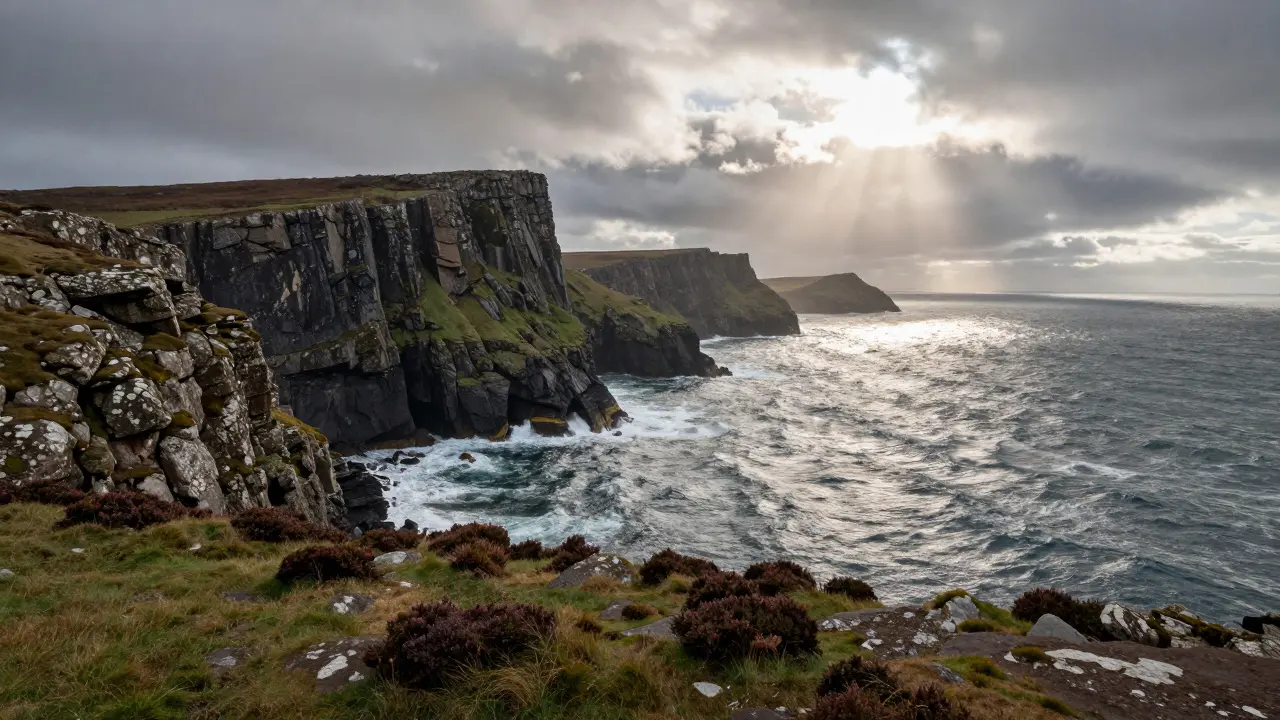
There is a moment when the map stops making sense. You drive north past Inverness, then past Thurso, and suddenly the roads seem to hang over the edge of the world. This is Caithness and Sutherland, the rugged crown of mainland Britain. It isn't just another stop on a Highland loop; it is a distinct landscape where granite meets the Atlantic, and history feels carved into the stone itself.
If you are planning a trip to the far north in 2026, you need more than just a list of sights. You need to understand the rhythm of this place. The light here behaves differently. The weather changes in minutes, not hours. And the castles? They aren't just tourist traps; they are anchors in a sea of wild moorland. Let’s walk through what makes this region unforgettable, how to navigate its dramatic cliffs, and which historic sites actually deserve your time.
The Landscape: Where Granite Meets the Sea
Caithness and Sutherland share a border but offer two different flavors of wilderness. Caithness is often called the "Garden of the North" because its soil is surprisingly fertile, dotted with small farms and quiet villages. But look closer, and you see the raw power of the coast. The geology here is ancient-some of the oldest rock formations in Europe.
Sutherland, by contrast, feels larger, emptier, and more imposing. It is home to Strathpeffer spa town and vast tracts of moorland that belong to estates like Dunrobin Estate. The difference in feel is subtle but real. In Caithness, you might find a cozy café in Wick or Thurso. In Sutherland, you might drive for an hour without seeing another car, only the wind sweeping across the heather.
- Geology: Both regions feature Precambrian rocks, visible in the dramatic cliffs along the east coast.
- Wildlife: Look for otters, red deer, and seabirds like puffins and gannets nesting on offshore islands.
- Weather: Expect rapid changes. Even in summer, pack layers. Rain can turn a sunny morning into a misty afternoon quickly.
Castles That Tell Real Stories
You cannot talk about this region without mentioning its fortifications. These aren't just ruins; they are living pieces of architecture that have survived centuries of clan warfare and royal intrigue.
Dunrobin Castle stands out immediately. Located near Golspie in Sutherland, it is the largest castle in Scotland. Unlike many medieval keeps that look like storm clouds, Dunrobin looks like a fairy-tale palace. Its white limestone facade and turrets were added in the 19th century, giving it a French château vibe. But don’t let the pretty exterior fool you. The interiors are grand, filled with art and antiques from the Sutherland family. Walking through the State Rooms feels less like visiting a museum and more like stepping into a period drama.
Then there is Tarbat Ness in Caithness. While not a castle in the traditional sense, this headland holds some of the most significant archaeological finds in northern Scotland. Recent excavations have revealed evidence of human activity dating back to the Neolithic period. It’s a reminder that people have been drawn to these cliffs for thousands of years, seeking shelter and food from the sea.
Don’t miss Brodgar and Mesolithic sites nearby. The Standing Stones of Brodgar form part of the Heart of Neolithic Orkney World Heritage Site (just a short ferry ride away), but the connection to Caithness’s own prehistoric past is strong. The area around Loch Olabhat is particularly mystical, shrouded in legend and fog.
| Site Name | Location | Type | Best For | Visitor Tip |
|---|---|---|---|---|
| Dunrobin Castle | Golspie, Sutherland | Royal Residence | Architecture lovers, families | Visit the gardens in spring for rhododendrons. |
| Tarbat Ness | Near Wick, Caithness | Archaeological Headland | History buffs, hikers | Check tide times before exploring the beach. |
| Halkirk Museum | Halkirk, Caithness | Local History | Understanding local culture | Small entry fee supports preservation efforts. |
| Cromarty Castle | Cromarty, Ross & Cromarty | Medieval Keep | Photography, quiet reflection | Located in a scenic park with river views. |

The Cliffs: Dramatic Coasts and Hidden Coves
The coastline here is where nature shows off. The cliffs of Caithness and Sutherland are not just high; they are jagged, colorful, and constantly changing. The erosion patterns create shapes that look like sculptures left behind by giants.
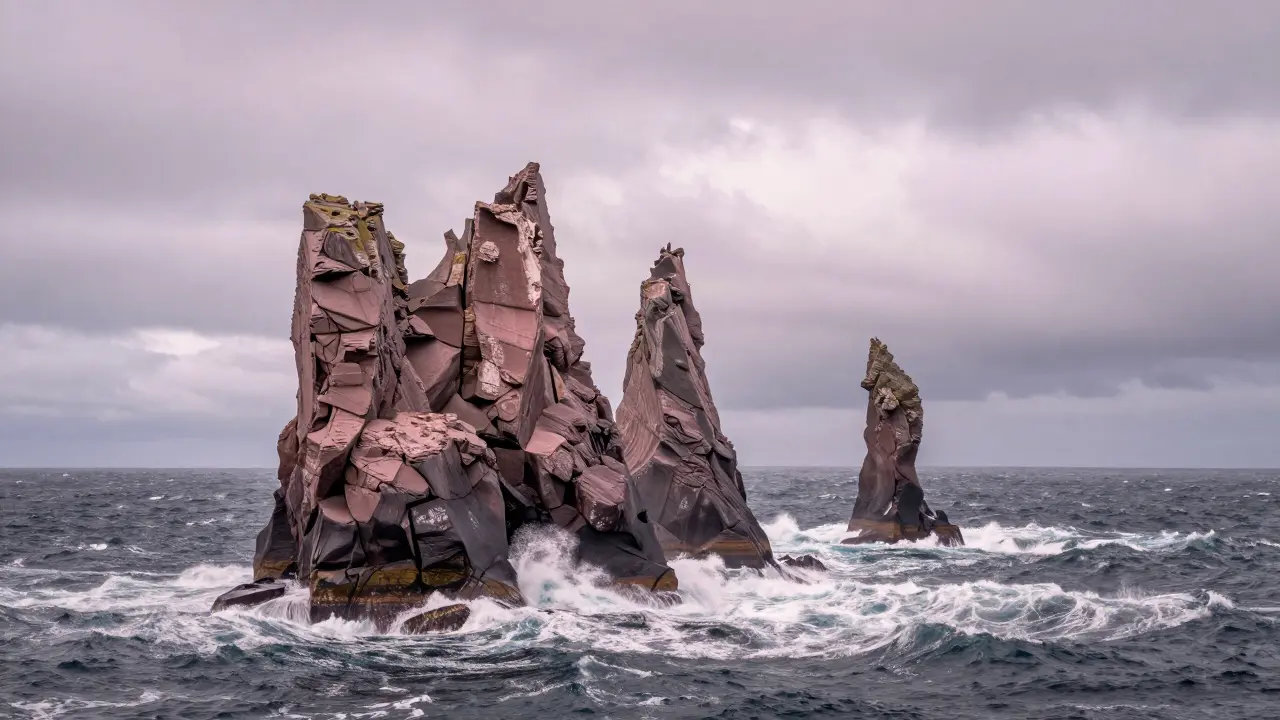
Duncansby Stacks are perhaps the most famous natural landmark in Caithness. These towering sandstone pillars rise from the sea near Duncansby Head. To see them properly, you need to hike down the steep path to the beach below. It’s a short but intense walk, and the reward is a view that feels otherworldly. The stacks change color with the light-pink at sunrise, grey in storm clouds, golden at sunset.
In Sutherland, the Black Isle coast offers a gentler but equally beautiful experience. The cliffs here are lower but lined with pine forests. Drive along the A862 and pull over at any viewpoint. The contrast between the dark green trees and the blue-grey sea is striking. If you enjoy walking, the Sutherland Coastal Path provides miles of uninterrupted scenery, though sections can be rough underfoot.
One hidden gem is Smoo Cave, located just south of the region in Caithness proper. It’s one of the largest sea caves in the UK. At low tide, you can walk inside and hear the roar of the ocean echoing off the walls. It’s eerie, powerful, and completely free to visit.
Practical Tips for Visiting in 2026
Planning a trip to the far north requires some specific preparation. Things work differently up here compared to Edinburgh or Glasgow.
- Transport: Renting a car is essential. Public transport exists but is infrequent. Roads are narrow and winding. Drive slowly, especially if it rains. Fuel stations are sparse outside major towns like Thurso, Wick, and Bonar Bridge.
- Accommodation: Book early. Summer is peak season, and self-catering cottages fill up months in advance. Consider staying in smaller villages rather than just the main towns for a quieter experience.
- Food: Try local seafood. Smoked salmon from the rivers Spey or Oykel is exceptional. Visit farmers' markets in places like Helmsdale or Lairg for fresh produce.
- Connectivity: Mobile signal can be patchy in remote areas. Download offline maps before you go. Wi-Fi is available in most hotels and cafes, but don’t rely on it for navigation.
Why This Region Matters
Caithness and Sutherland are not just scenic backdrops. They are places where history, nature, and community intersect in unique ways. The people here are proud of their heritage and eager to share it. Whether you are standing on the cliffs watching the sun set over the North Sea or wandering through the halls of Dunrobin Castle, you are connecting with a story that has unfolded over millennia.
This part of Scotland doesn’t shout for attention. It invites you to slow down, look closely, and listen to the wind. If you do, you’ll leave with more than photos-you’ll leave with a sense of place that stays with you long after you’ve returned south.
What is the best time to visit Caithness and Sutherland?
The best time is from May to September. During these months, the days are long, providing ample daylight for sightseeing. July and August are warmest but also busiest. For fewer crowds and still good weather, aim for late May or early September. Winter visits are possible but require careful planning due to short days and harsh weather conditions.
Is Dunrobin Castle worth visiting?
Yes, absolutely. As the largest castle in Scotland, it offers a unique blend of architectural styles and rich history. The grounds alone are worth the ticket price, featuring extensive gardens and deer parks. Allow at least three hours to explore both the interior and exterior fully.
How do I get to Duncansby Stacks?
You must drive to Duncansby Head and then hike down a steep, unmarked path to the beach. The hike takes about 20-30 minutes each way. Wear sturdy boots as the terrain is rocky and uneven. Always check tide times before descending, as high tides can cut off access.
Are there any guided tours available?
Yes, several local operators offer guided hikes, wildlife watching tours, and historical walks. Companies based in Thurso, Wick, and Golspie provide services ranging from half-day excursions to multi-day adventures. Booking in advance is recommended, especially during summer.
What should I pack for a trip to the Far North?
Pack layers! Weather can shift rapidly. Include waterproof jackets, comfortable hiking shoes, sunglasses, sunscreen, and a camera. Even in summer, bring a light fleece or sweater for cooler evenings. Don’t forget a power bank for your phone, as charging opportunities may be limited in remote areas.
Comments (11)
-
Caitlin Donehue June 2, 2026
That bit about the light behaving differently is so true, I swear the sun just hangs there forever in July.

-
Saranya M.L. June 4, 2026
The geological assessment provided here is fundamentally sound, though it lacks the requisite academic rigor one would expect from a professional travelogue. The distinction between the Precambrian formations of Caithness and the broader stratigraphic context of Sutherland is noted, yet the failure to cite specific lithological units renders the discussion somewhat superficial for those with even a rudimentary understanding of earth sciences. Furthermore, the suggestion that Dunrobin Castle possesses a 'French château vibe' is a reductive oversimplification of its Victorian Gothic Revival architecture, which clearly draws from multiple European influences rather than a singular French aesthetic. It is imperative that future iterations of this guide incorporate more precise terminology regarding the tectonic history of the region to avoid misleading the layperson into thinking these landscapes are merely 'scenic backdrops' rather than complex geological archives.

-
om gman June 4, 2026
oh look another guide telling us how to feel about rocks and castles like weve never seen stone before. dunrobin is literally a tourist trap wrapped in fairy tale packaging and youre acting like its high art. the whole 'rhythm of the place' nonsense is just marketing speak for 'its cold and empty'. save your money and stay home

-
Oskar Falkenberg June 4, 2026
I totally get what Saranya is saying about the geology but honestly if you go up there you dont need to know the rock names you just need to feel the wind. I went last year and got lost near Thurso because my phone died which was actually really nice because I ended up finding this tiny cafe that had the best scones ever. You should definitely book early though because everyone wants to see the stacks and if you dont have a car you are basically stuck. Also the weather changes so fast you will be sweating then freezing in five minutes so layers are not just a suggestion they are a law of physics up there.

-
Jeanne Abrahams June 6, 2026
Oh, how quaint. Another British enclave pretending to be mysterious while charging premium prices for damp air and old stones. I’ve seen better cliffs in Cape Town without the pretentious castle tours. But sure, keep telling yourself it’s ‘unforgettable’ while you pay three times the price for a sandwich in Wick.

-
Bineesh Mathew June 7, 2026
The soul of the north is not found in the stone but in the silence that follows the storm. To walk among the Duncansby Stacks is to confront the insignificance of human ambition against the eternal indifference of the sea. We build our castles and call them grand, yet the tide erodes them all, leaving only the raw truth of the granite. This place does not care for your itinerary or your camera settings; it demands your humility. Those who seek only photos leave with nothing, while those who listen to the wind find a reflection of their own inner void staring back at them from the mist.

-
Patrick Dorion June 9, 2026
If you're planning to hike down to Duncansby Stacks, make sure you check the tide tables on the official Coast Guard site, not just some random blog. The path gets slippery when wet, and I've seen people get cut off by the rising water because they didn't account for the spring tide surge. It's a beautiful walk, but respect the terrain. Also, Smoo Cave is free, but parking can be tricky on weekends, so arrive early or be prepared to park further out and walk.

-
Marissa Haque June 9, 2026
OMG!!! I cannot believe I missed this!! 😱 The part about the light is SO important!! I went in August and the sun barely set!! It was magical!! 🌟 And Dunrobin Castle?? Absolutely stunning!! 👑 You HAVE to see the gardens!! 🌸 Everyone needs to go!! 🚗💨 #TravelGoals #Scotland #MustSee

-
Keith Barker June 10, 2026
the map stops making sense because reality dissolves into myth up there. time is not linear in the far north it is circular like the tides around Tarbat Ness. we visit seeking history but we find ourselves instead stripped bare by the wind and the weight of millennia pressing down on the heather. do not go if you fear emptiness for that is all that remains when the noise of the world fades away.

-
Lisa Puster June 11, 2026
this article is full of generic fluff. anyone who has actually lived in the highlands knows that caithness is just windy and sutherland is just expensive. dunrobin is a tacky imitation of french chateaux built by people who wanted to pretend they were aristocracy. the real beauty is ignored in favor of tourist traps. stop romanticizing poverty and isolation as 'mystical'

-
Stephanie Frank June 13, 2026
Let's break down the logistical failures in this narrative. First, claiming public transport is 'infrequent' is an understatement; it's practically non-existent outside of scheduled bus routes that run twice a day. Second, the advice to 'drive slowly' is obvious and adds no value. Third, suggesting farmers' markets in Helmsdale as a primary food source ignores the fact that most locals buy from supermarkets due to cost and variety. This guide prioritizes aesthetic experience over practical survival, which is dangerous for unprepared tourists who might underestimate the harshness of the climate.
