
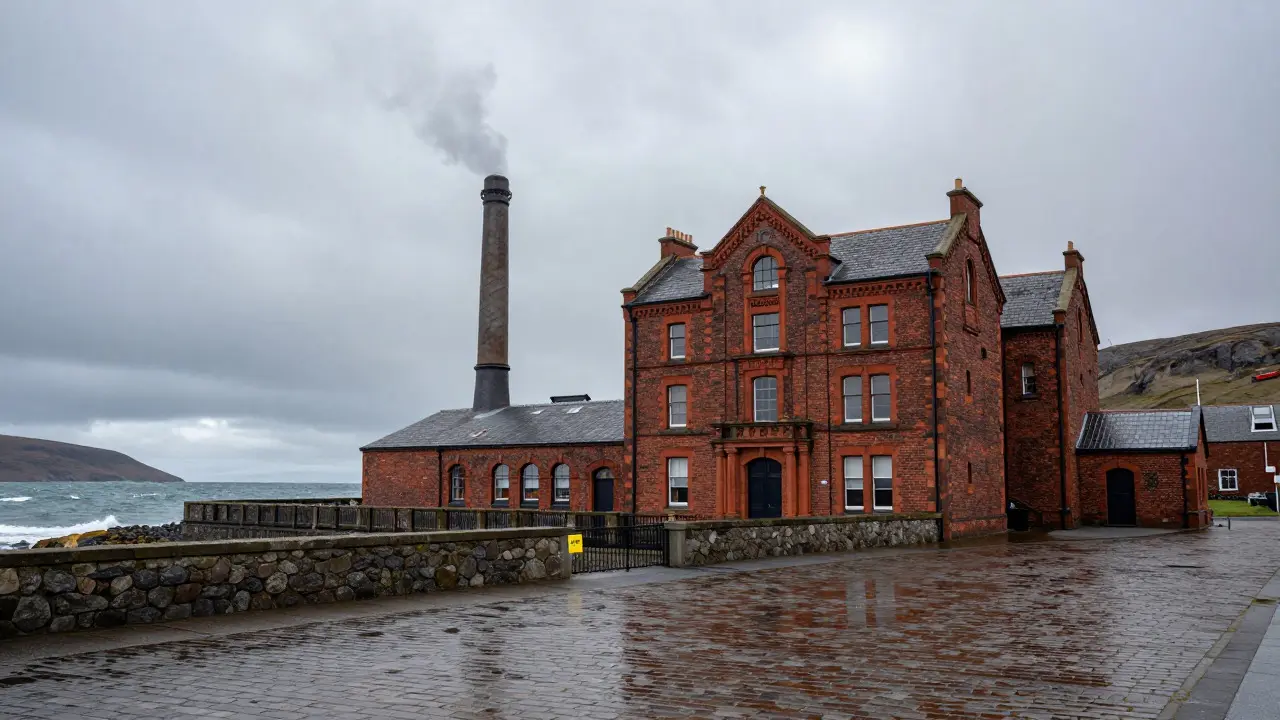
There is a smell that hits you before you even see the building. It’s thick, medicinal, and unmistakably smoky. If you’ve ever stood near the Ardbeg Distillery, a renowned Scotch whisky producer located in Uig on the Isle of Islay, famous for its heavily peated single malt whiskies, you know exactly what I mean. This isn’t just another stop on a generic tour bus route. For whisky lovers, this place is ground zero. But getting there, understanding what you’re drinking, and actually enjoying the experience requires a bit more than just showing up with an empty stomach.
I’ve spent years navigating the Scottish whisky scene, from the quiet corners of Dundee to the rugged coasts of Islay. The difference between a good visit and a great one usually comes down to preparation. Whether you are a novice who thinks "peat" sounds like dirt or a seasoned dram chaser looking for the rarest casks, here is everything you need to know about tackling the Ardbeg experience without getting overwhelmed by the smoke.
Why Ardbeg Stands Apart on Islay
You might wonder why Islay, a small island off the west coast of Scotland known for producing some of the world's most distinctive peated whiskies gets so much attention. The answer lies in the water and the peat. The water used at Ardbeg comes from local springs, rich in minerals that influence the spirit's character. But it’s the peat that defines the brand.
Peat moss, when dried and burned, creates smoke. Ardbeg uses peat with a high phenol content-often around 43 parts per million (ppm) for their core range. To put that in perspective, many non-peated whiskies have less than 5 ppm. This high level gives Ardbeg its signature flavor profile: tar, iodine, seaweed, and dark chocolate. It’s not subtle. It’s bold. And if you don’t expect it, it can be shocking. Understanding this intensity helps you appreciate the craftsmanship rather than just grimacing at the taste.
| Expression | Age | Phenol Level | Key Flavor Notes | Price Range (Approx.) |
|---|---|---|---|---|
| Ardbeg Ten | 10 Years | ~43 ppm | Smoke, citrus, vanilla | £40 - £50 |
| Ardbeg Weighdown | N/A | High | Bourbon sweetness, intense smoke | £60 - £80 |
| Ardbeg Uigeadail | 10 Years | ~43 ppm | Creamy, sherry spice, smoke | £70 - £90 |
Booking Your Visit: Timing Is Everything
Here is the hard truth: Ardbeg tours sell out. Especially in summer. If you wait until you arrive in Uig, the main village and port on the Isle of Islay where the Ardbeg Distillery is located to book, you will likely be turned away. You need to plan months ahead.
The standard tour is called the "Classic Experience." It lasts about 90 minutes and includes a guided walk through the production floor, a look at the stills, and a tasting session. During peak season (June to August), slots fill up three to six months in advance. My advice? Book as soon as your travel dates are fixed. Even if plans change, cancellation policies are generally reasonable if you give notice.
If you miss out on the classic tour, check for the "Whisky Experience" or private group bookings. These often offer deeper insights into the maturation process and access to older stocks. However, they come at a higher price point. Consider your budget early. A standard ticket might cost around £25-£30, while premium experiences can exceed £100 per person. That money buys you access to bottles you won’t find on regular shelves.
What to Expect During the Tour
When you arrive, you’ll notice the industrial aesthetic. Ardbeg has retained much of its original Victorian architecture, but the machinery is modern and efficient. The guide will explain the malting process. This is crucial. Unlike many distilleries that buy pre-malted barley, Ardbeg traditionally malts its own barley on-site using peat fires. This direct contact with the smoke infuses the grain deeply before fermentation even begins.
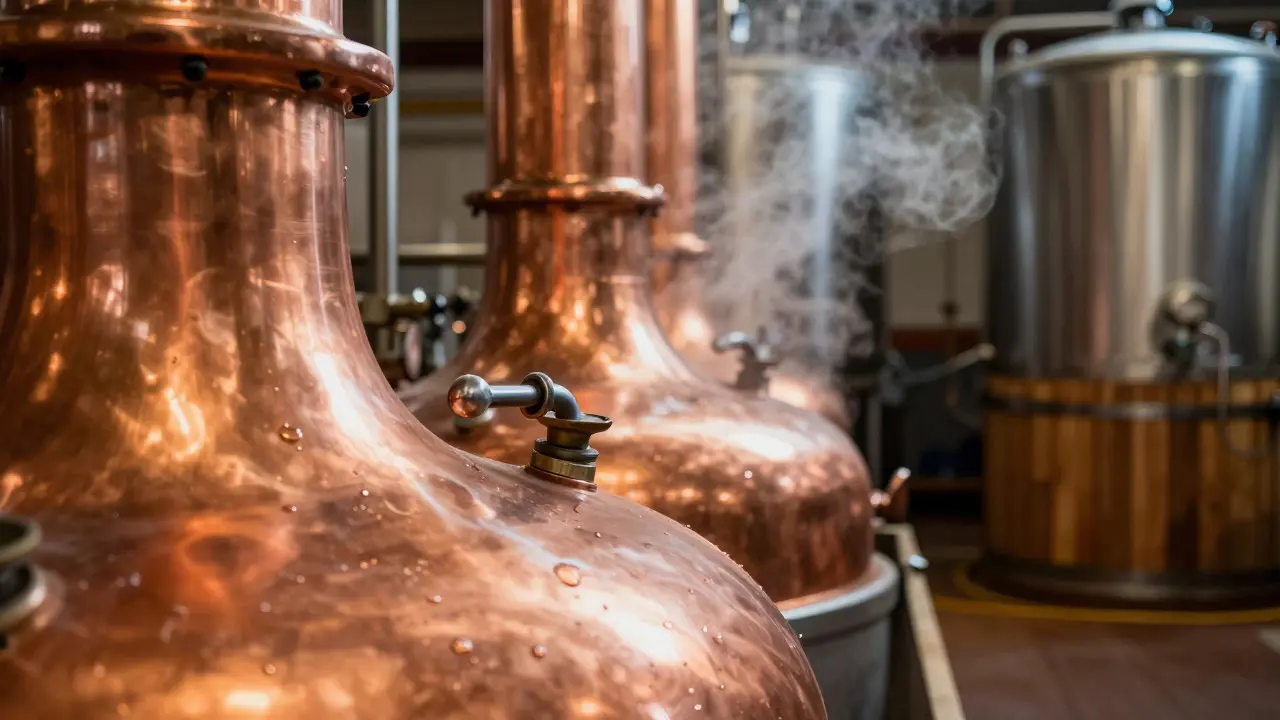
You’ll see the mash tun, where the barley is mixed with hot water to convert starches into sugars. Then, the wash stills and spirit stills. Ardbeg uses pot stills, which allow for greater control over the vapor flow and flavor retention. The shape of these stills matters. Tall, slender necks tend to produce lighter spirits, while shorter, wider ones create heavier, oilier liquids. Ardbeg’s design strikes a balance, contributing to that robust body.
The highlight, obviously, is the tasting. You typically sample three expressions. Start with the youngest, work your way up. Don’t rush. Sip slowly. Notice how the smoke changes on your palate. At first, it’s aggressive. As it warms in your mouth, notes of fruit and spice emerge. Water can help open up the flavors, so use it wisely. One drop is enough; too much dilutes the complexity.
Tasting Like a Pro: Practical Tips
Many people struggle with peated whisky because they treat it like gin or vodka. They take a big gulp and immediately regret it. Here’s how to handle it:
- Smell First: Take a gentle sniff. Don’t inhale deeply right away. Let your nose adjust to the phenols. Identify the smoke, then look for secondary notes like lemon zest or oak.
- Small Sips: Take a tiny sip. Hold it in your mouth for five seconds. Swish it around to coat your tongue. This activates different taste receptors.
- Breathe Through Your Nose: After swallowing, exhale gently through your nose. This retro-nasal olfaction reveals aromas you missed initially.
- Add Water Sparingly: If the alcohol burn is too strong, add a few drops of water. It breaks down the ethanol bonds, releasing more aromatic compounds.
- Pair With Food: If you’re visiting the shop or nearby cafes, try pairing your dram with sharp cheese, dark chocolate, or smoked salmon. These foods complement the smoky profile rather than clashing with it.
Navigating the Shop and Local Area
After the tour, you’ll enter the gift shop. This is where budgets often go to die. Ardbeg releases limited editions frequently, such as the annual "Summer Storm" or special anniversary bottlings. These are collector’s items. Prices can double or triple compared to standard releases. Only buy if you truly want to drink it or if you understand the investment potential.
Don’t leave Uig without exploring the surrounding area. The distillery sits near the harbor, offering stunning views of the sea. On clear days, you can see the Mull islands in the distance. There’s a small cafe on-site that serves light meals. While not gourmet, it’s convenient for refueling after the tour. For a proper meal, head into Uig village. Try the local seafood-it’s fresh, affordable, and pairs beautifully with whisky.
Transportation is key. Islay doesn’t have a train station. You’ll need to fly into Islay Airport (ILY) or take a ferry from Jura or Oban. Once on the island, renting a car is highly recommended. Buses exist but run infrequently. Having wheels allows you to visit other distilleries like Lagavulin, another iconic Islay distillery known for its smooth yet smoky single malt whisky or Caol Ila, a distillery on the east coast of Islay producing robust, maritime-influenced whiskies in the same trip. Just remember: designate a driver. Or hire a local taxi service.

Common Mistakes to Avoid
I’ve seen plenty of tourists make the same errors. Don’t let them be you.
- Arriving Hungry: An empty stomach amplifies the alcohol effect. Eat a solid meal before your tour.
- Ignoring Hydration: Drink water throughout the day. Whisky dehydrates you quickly.
- Rushing the Tasting: You paid for the experience. Slow down. Ask questions. Engage with the guide.
- Buying Blindly: Read the labels. Understand what you’re purchasing. Limited editions aren’t always better suited to your taste.
- Missing the Weather Window: Islay weather changes fast. Check forecasts. Bring waterproof gear. The view is worth it, but comfort matters.
Frequently Asked Questions
How far in advance should I book an Ardbeg tour?
For peak season (June-August), book 3-6 months ahead. Off-season, 1-2 months is usually sufficient. Tours sell out quickly due to high demand and limited daily capacity.
Is Ardbeg suitable for beginners?
Yes, but approach with caution. The heavy peat can be intense. Start with small sips and ask the guide for guidance. Many beginners grow to love the flavor once they learn to identify the nuances beyond the smoke.
Can I drive to Ardbeg Distillery?
Yes, but parking is limited. Arrive early. Alternatively, use local taxi services or organized tour buses from major towns like Port Ellen or Bowmore. Public transport options are very limited.
What is the best time of year to visit Islay?
May to September offers the best weather and longest daylight hours. However, this is also the busiest period. Shoulder seasons (April, October) provide fewer crowds and lower prices, though weather may be unpredictable.
Are there age restrictions for the tour?
Visitors must be 18+ to participate in tastings. Children under 18 can join the tour portion but cannot consume alcohol. Proof of ID may be required upon entry.