
Planning a trip to Scotland is exciting, but if you use a wheelchair or have mobility issues, the reality can be daunting. You picture misty glens and historic castles, but then you see the steep stairs and narrow doorways in photos online. It doesn't have to be that way. Scotland has made huge strides in recent years to make its landscapes and cities more welcoming for everyone. Whether you are visiting Edinburgh’s Old Town or exploring the Highlands, knowing where to go makes all the difference.
This guide cuts through the noise. We aren’t just listing places; we’re focusing on what actually works for accessible tourism in Scotland. We’ll cover real step-free routes, reliable transport options, and tips from someone who lives here and navigates these spaces daily. Let’s get you moving with confidence.
Understanding Accessibility Standards in Scotland
Before booking tickets, it helps to know how accessibility is measured here. The UK uses specific standards that differ slightly from other countries. For instance, a "step-free" label usually means no steps at the entrance, but it might still mean a long ramp or a lift that requires staff assistance. Always check for "level access," which implies a flat, easy entry without ramps or lifts.
Many venues now display their accessibility information clearly online, often linked to organizations like VisitScotland. Look for detailed floor plans rather than just a generic icon. If a site says "partially accessible," ask specifically about the bathroom situation and parking proximity. These small details determine whether your day is relaxing or frustrating.
Edinburgh: Navigating the Capital
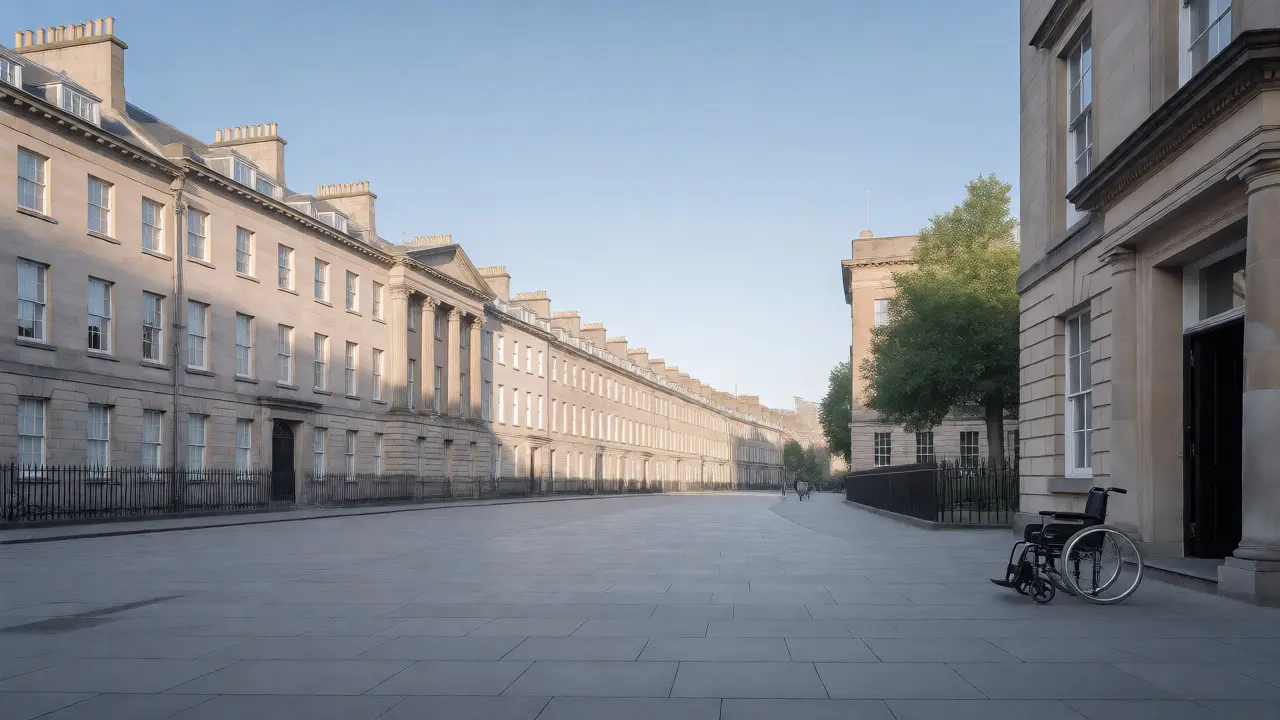
Edinburgh is beautiful, but its geography is tricky. The city sits on hills, and the Old Town is famous for its closes-narrow alleys with uneven cobblestones. However, the New Town is largely flat and paved, making it much easier for wheelchairs and strollers.
Calton Hill offers one of the best compromises. While the main summit has steps, there is a paved path leading up to the lower terrace. This area provides stunning views of the castle and Arthur’s Seat without requiring you to climb hundreds of steps. It’s a perfect spot for photography and enjoying the breeze.
For museums, the National Museum of Scotland is a standout. Located on Chambers Street, it features level entrances throughout, spacious galleries, and excellent accessible toilets. Staff are trained to assist visitors, and the layout allows for easy maneuvering between exhibits. You can spend hours here without hitting a barrier.
Avoid the Royal Mile’s busiest sections if possible. The crowds and uneven surfaces can be overwhelming. Instead, explore George IV Bridge, which runs parallel and offers similar historical vibes with better pavement conditions.
Glasgow: Urban Accessibility Done Right
If you prefer a flatter terrain, Glasgow is often easier to navigate than Edinburgh. The city center is relatively compact, and many major attractions are within walking distance or a short taxi ride. Glasgow prides itself on being inclusive, and this shows in its infrastructure.
The Kelvingrove Art Gallery and Museum is a must-visit. It sits on a slight hill, but there is a dedicated drop-off point right at the entrance. Inside, the floors are smooth, and elevators connect all levels. The acoustic environment is also managed well, which helps those with sensory sensitivities.
Transport links in Glasgow are robust. The subway system, known as the "Clockwork Orange," has been upgraded significantly. Most stations now have step-free access via lifts, though you should always check station status before traveling, as maintenance can temporarily disable lifts. Buses are low-floor and equipped with ramps, making them a viable option for getting around.
Highlands and Islands: Nature Without Barriers
Thinking the Highlands are only for hikers? Think again. Several key sites offer boardwalks and viewing platforms that bring you close to nature without the trek.
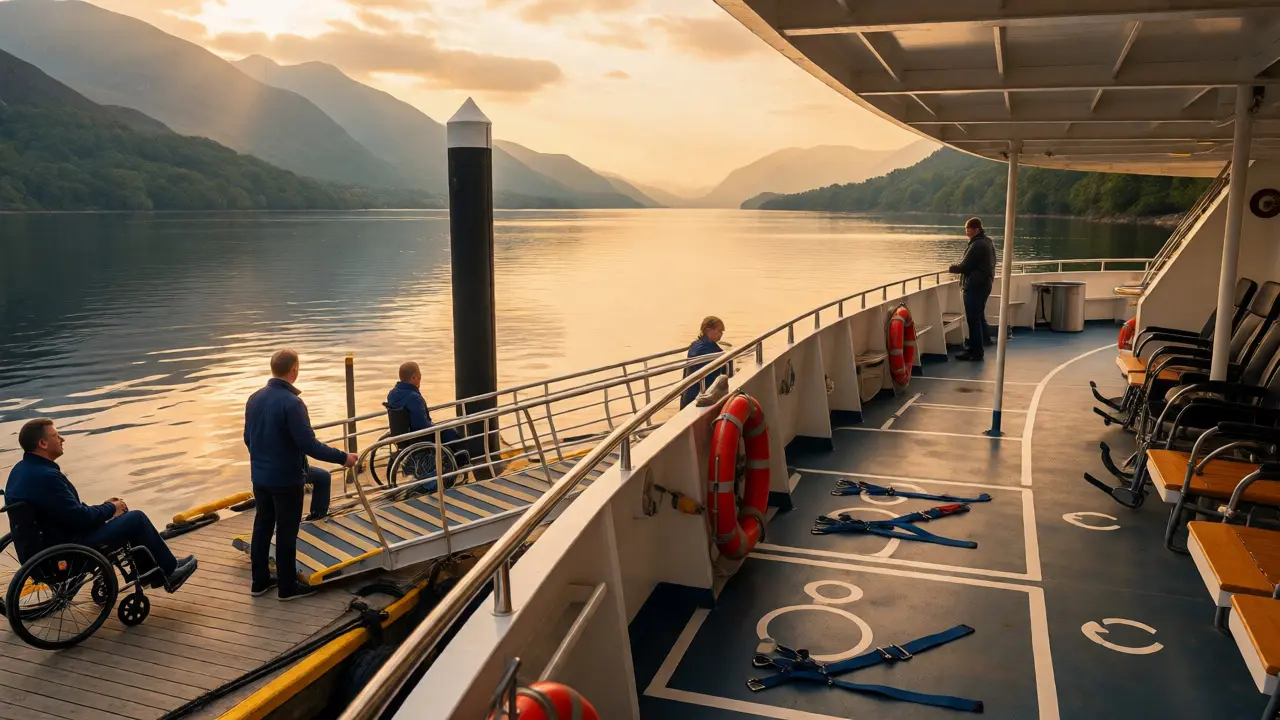
Loch Lomond is surprisingly accessible. The visitor centers at Balloch and Tarbet provide level access to piers where you can board cruise boats designed for wheelchairs. These boats allow you to experience the loch’s beauty from the water, bypassing the rugged shoreline entirely.
In the far north, Dunrobin Castle offers a different kind of access. The gardens are mostly flat and paved, allowing for an easy stroll among fountains and exotic plants. The castle interior has some steps, but ground-floor rooms are accessible, giving you a taste of aristocratic life without the full climb.
Isle of Skye presents challenges due to its single-track roads and rocky terrain. However, the Fairy Glen near Waternish has a viewing platform that lets you see the unique rock formations from a safe, accessible vantage point. You don’t need to scramble down into the valley to appreciate the view.
Transportation: Getting Around with Ease
Getting between cities is often the biggest hurdle. Here is what works best for travelers with mobility needs.
| Mode | Accessibility Features | Best For | Pitfalls |
|---|---|---|---|
| ScotRail Trains | Most stations have lifts/ramps; onboard assistance available | City-to-city travel (e.g., Edinburgh to Glasgow) | Lift breakdowns; book assistance 24 hours in advance |
| Scottish Citylink | Low-floor coaches with wheelchair bays; securement systems | Long-distance routes (e.g., Glasgow to Inverness) | Must reserve wheelchair space; not all stops are level |
| Taxis (Uber/Local) | Wheelchair-accessible vehicles (WAVs) available in cities | Last-mile connectivity; rural areas | Limited availability in remote Highlands; higher cost |
| Car Rental | Adapted vehicles with hand controls or hoists | Total freedom; exploring remote coasts | Narrow country roads; limited parking in cities |
When using trains, always book assistance through ScotRail’s contact center. They will meet you at your departure station and help you board and alight. Do not assume the train will stop exactly level with the platform; sometimes a portable ramp is needed. This service is free but requires planning.
For longer journeys, Scottish Citylink coaches are a solid choice. Their newer fleet includes designated wheelchair areas with safety belts. However, you must call ahead to ensure your coach has a working wheelchair bay. Rural stops may lack dropped curbs, so plan your final leg carefully.
Accommodation Tips for a Stress-Free Stay
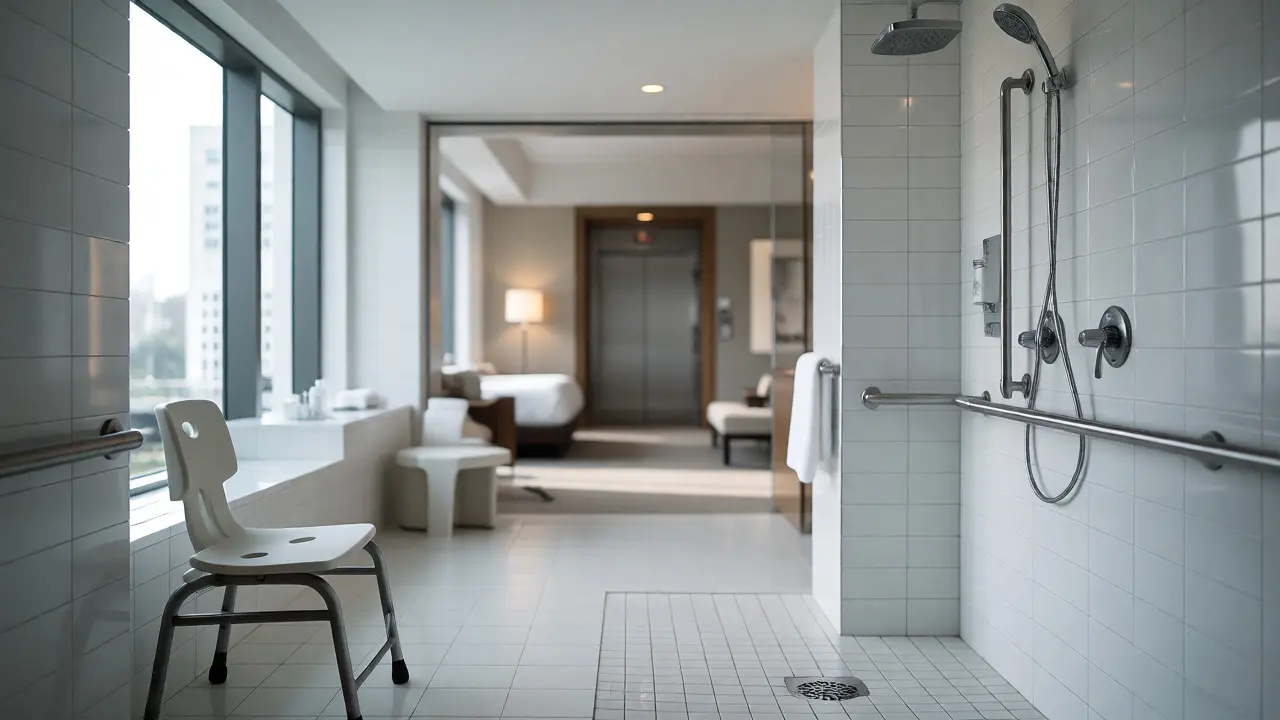
Hotels vary wildly in their actual accessibility. A room labeled "accessible" might just mean it has wider doors, not necessarily a roll-in shower. When booking, ask three specific questions:
- Is the shower a wet room with a drain in the floor, or does it have a threshold?
- How far is the accessible room from the elevator and the main entrance?
- Are there grab rails installed in both the toilet and shower areas?
Chain hotels like Premier Inn and Travelodge generally adhere to strict accessibility standards across their Scottish locations. Independent B&Bs can be charming but risky; they are often older buildings with unexpected steps. Check reviews from other disabled travelers on platforms like TripAdvisor for honest insights.
Practical Advice and Local Insights
Weather plays a big role. Rain makes cobblestones slippery and gravel paths muddy. If you are using a manual wheelchair, consider renting a power-assist attachment or choosing destinations with paved paths during wet months. Summer is generally safer for outdoor exploration, but winter brings shorter days, so plan indoor activities for afternoons.
Don’t hesitate to ask locals for help. Scots are famously friendly. If a route looks unclear, ask a shopkeeper or passerby. Often, there is a hidden accessible entrance around the back that isn’t marked on maps. Carrying a small card explaining your needs can save time when dealing with staff who might be unfamiliar with disability etiquette.
Finally, download offline maps. Signal can be patchy in the Highlands, and relying on GPS for turn-by-turn directions can leave you stranded. Having a paper backup or pre-downloaded route ensures you stay on track.
Are Scottish castles accessible for wheelchairs?
It depends heavily on the specific castle. Many ruins are difficult due to uneven stone floors and lack of lifts. However, larger estates like Stirling Castle and Edinburgh Castle offer virtual tours or ground-floor exhibits. Some, like Glamis Castle, have accessible ground floors and gardens. Always check the Historic Environment Scotland website for specific venue details before visiting.
Can I rent a wheelchair in major Scottish cities?
Yes, most major hospitals and some tourist information centers in Edinburgh and Glasgow offer wheelchair hire. Additionally, companies like Hire-a-Wheelchair operate nationwide delivery services. For short-term visits, checking with your hotel first is wise, as many keep loaner chairs for guests.
Is public transport in rural Scotland accessible?
Rural bus services are improving but remain inconsistent. While newer buses are low-floor, many rural stops lack dropped curbs or shelters. Taxis or adapted car rentals are often more reliable for exploring remote areas like the Cairngorms or Wester Ross. Always verify stop accessibility with local council transport teams.
What is the Blue Badge scheme in Scotland?
The Blue Badge is a parking permit for people with disabilities. Visitors from outside the UK can often use their equivalent national badge in Scotland under international agreements. This allows you to park closer to attractions and avoid paid zones. Display the badge clearly on your dashboard.
Are toilets accessible in rural cafes?
Not always. Many independent cafes in villages have cramped facilities. Larger chains and tourist hubs like Loch Lomond Shores have standard accessible toilets. Carry a RADAR key if you visit National Trust properties, as many use locked accessible toilets requiring this universal key.