
You’ve walked down Buchanan Street. You’ve seen the Necropolis from across the Clyde. Maybe you even queued for hours at the Kelvingrove Art Gallery. But ask ten locals about their favorite quiet spot in Glasgow, and none of them will mention those places. They’ll point you toward a dusty archive room, a converted tenement flat, or a library that smells like old paper and rain. Hidden Glasgow is not just a marketing buzzword; it’s a specific collection of cultural spaces that operate outside the tourist radar. These are the spots where history feels tangible rather than curated.
If you’re planning a trip to Scotland’s largest city in late 2026, you might find yourself overwhelmed by the "Top 10" lists online. The problem with those lists is they treat Glasgow like a checklist. You check off the Cathedral, you take a photo of the Finnieston Crane, and you leave. But Glasgow’s soul isn’t in its landmarks; it’s in its archives, its community halls, and its forgotten industrial corners. This guide skips the obvious. We’re going to show you where to find the stories that don’t make it into the brochures.
The City of Archives: Beyond the Central Library
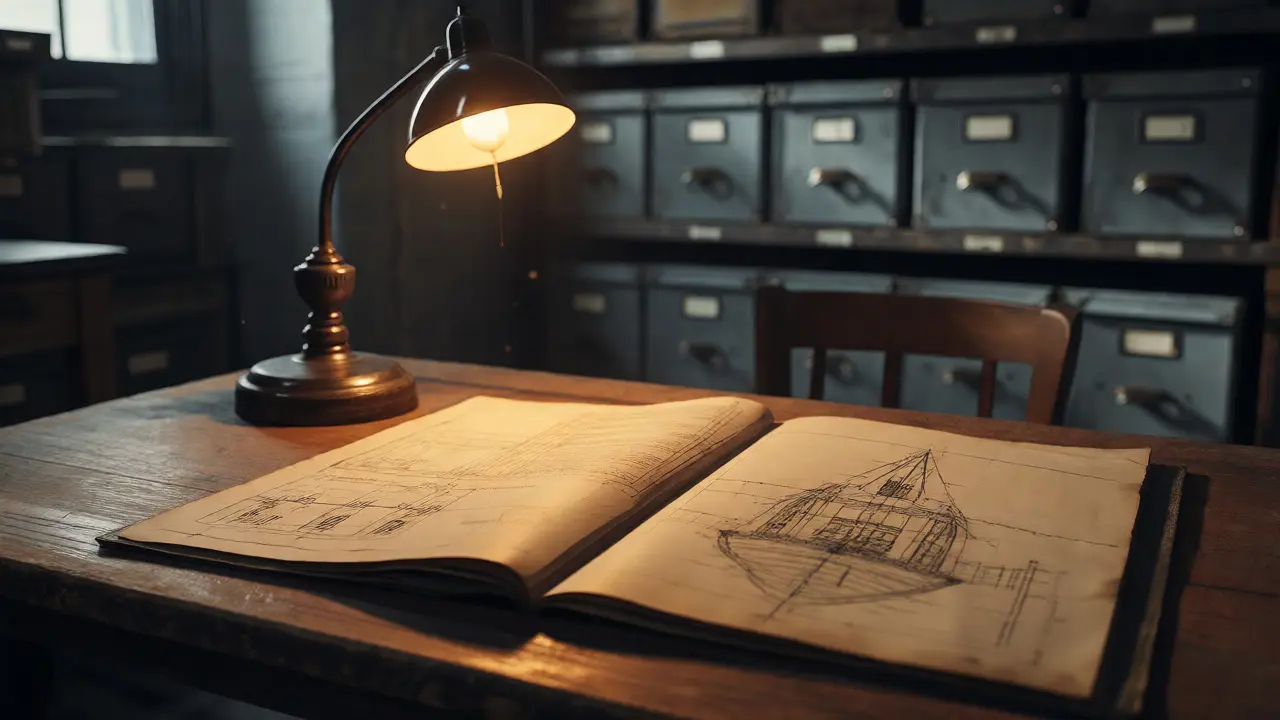
Most visitors know the Glasgow Central Library on George Square. It’s beautiful, yes, with its grand dome and classical columns. But it’s also crowded. If you want to see how Glasgow actually records its memory, head two streets over to the Glasgow City Archives. Located in Mitchell Lane, this building looks unassuming from the outside-almost brutalist in its plainness-but inside, it holds the DNA of the city.
This isn’t just a place for genealogists digging through census records, though they are there. It’s a research hub that preserves everything from shipyard blueprints to protest flyers from the 1980s. Why does this matter to a casual visitor? Because you can request specific documents and sit in a reading room that feels like stepping back into the mid-20th century. There’s no gift shop. No audio guide. Just you, a desk lamp, and a folder containing letters written by people who lived through the Blitz or worked in the heavy engineering yards that once dominated the East End.
- Pro Tip: Check their calendar for "Archive Talks." These are often free lectures by historians focusing on niche topics like the Glasgow Rent Strikes or the decline of the Singer Sewing Machine factory.
- Accessibility: The reading rooms are quiet zones. Phones must be silenced. It’s a stark contrast to the noise of the nearby shopping district.
Museums That Don’t Feel Like Museums
When we say "museum," you probably picture glass cases and velvet ropes. In Glasgow, some of the most compelling collections are housed in places that defy that definition. Take the People’s Palace in Glasgow Green. Yes, it’s technically a museum, but it’s located in a Victorian park pavilion that doubles as a community center. The lower floors cover social history, but the real draw is the upper floor, which houses the Mackintosh House reconstruction.
Wait, Mackintosh House? Isn’t that in the Hunterian? Partly. The original interiors were dismantled and stored when the University of Glasgow demolished the townhouse at 78 Southpark Avenue in the 1960s. The reconstruction in the People’s Palace allows you to walk through the living room, dining room, and studio exactly as Charles Rennie Mackintosh designed them. It’s intimate. You feel like you’re intruding on a private life, not viewing public art.
| Feature | Mainstream Site (e.g., Kelvingrove) | Hidden Gem (e.g., Tenement House) |
|---|---|---|
| Ambience | Bustling, educational, bright | Quiet, immersive, dimmer lighting |
| Interaction | Passive observation | Active exploration (touching objects allowed in some areas) |
| Crowd Level | High, especially weekends | Low, requires prior booking |
| Cost | Free entry | Small fee (£5-£8), supports preservation |
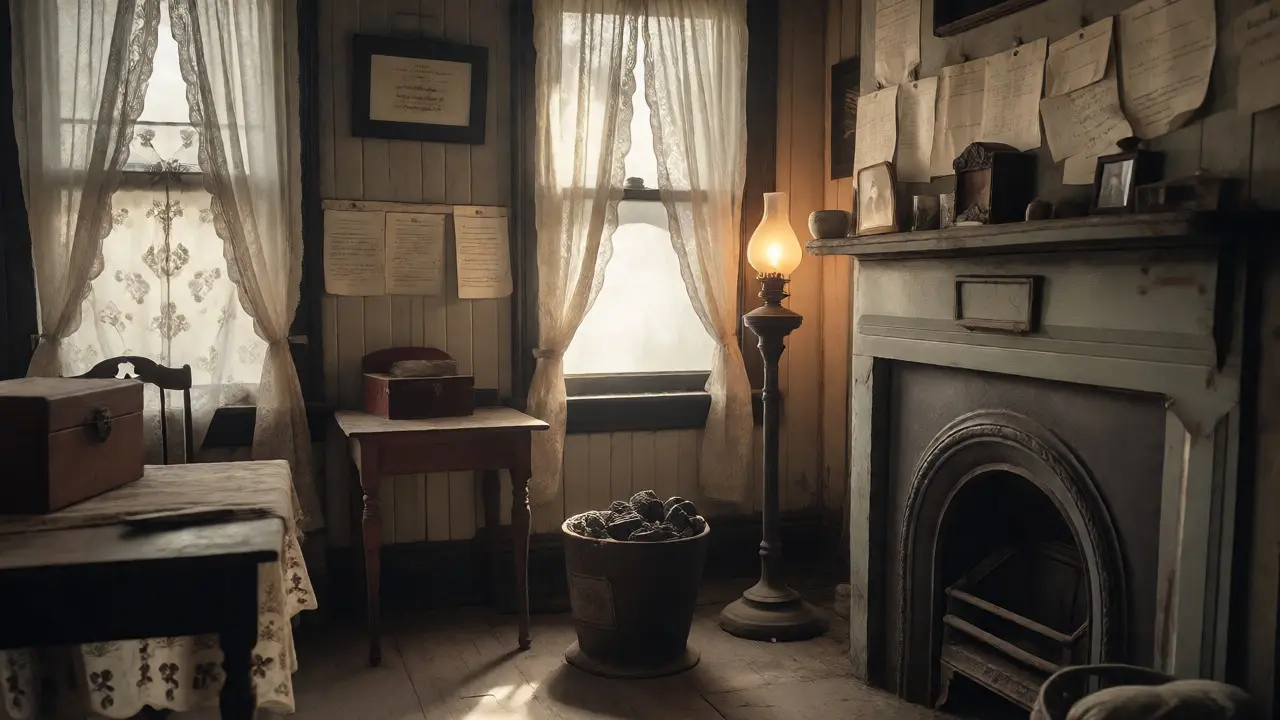
Another standout is the Tenement House on McPhater Street. Owned by the National Trust for Scotland, this isn’t a generic house museum. It’s preserved exactly as it was left by Agnes Towell, a woman who lived there alone from 1911 until her death in 1965. She never modernized. No electricity rewiring, no bathroom updates. When she died, the contents were sealed. Today, you can see her coal scuttle, her handwritten recipes, and the dust motes dancing in the light of a gas lamp. It’s a time capsule that hasn’t been polished for tourists.
Libraries as Living Hubs
Glasgow has a unique relationship with libraries. Unlike many UK cities where libraries have closed due to austerity, Glasgow kept them open, and in doing so, turned them into vital community anchors. While the Central Library gets the glory, the neighborhood branches hold the secrets.
Visit the Pollokshields Library. Tucked away in the south side, it serves one of the most diverse communities in the city. The architecture is modest, Edwardian red sandstone, but the programming is cutting edge. They host poetry slams, coding workshops for seniors, and language cafes. If you’re looking to understand the demographic shift in Glasgow-from its Scottish roots to its vibrant Polish, Italian, and South Asian communities-this is where you see it happen in real time.
Then there’s the Glasgow School of Art Special Collections. Access is restricted, requiring a reader’s pass, but if you’re an architecture student or a design enthusiast, it’s worth the effort. The collection includes rare books on typography and original sketches from the Glasgow Style movement. It’s not open to the general public for browsing, but staff are incredibly helpful if you email ahead with a specific research interest. It’s a reminder that knowledge in Glasgow is often guarded, not because it’s elitist, but because it’s fragile.
Historic Sites Off the Map
Everyone knows Glasgow Cathedral. Fewer people know what lies beneath it. The Necropolis tours are popular, but the Cathedral Crypt is often overlooked. It’s damp, cold, and filled with medieval carvings that have survived centuries of weathering. Guides here don’t just recite dates; they tell ghost stories that are grounded in actual burial records found in the parish registers.
Move east to the Gorbals. Once synonymous with poverty and high-rise slums, it’s now a mix of new builds and surviving tenements. Here you’ll find the Gorbals Story, a small heritage center run by volunteers. It’s not funded by massive government grants. It’s run by former residents who remember the clearances. They show you photographs of the old close doors, the communal toilets, and the street games children played before cars took over the roads. It’s raw, emotional, and far more powerful than any glossy exhibition.
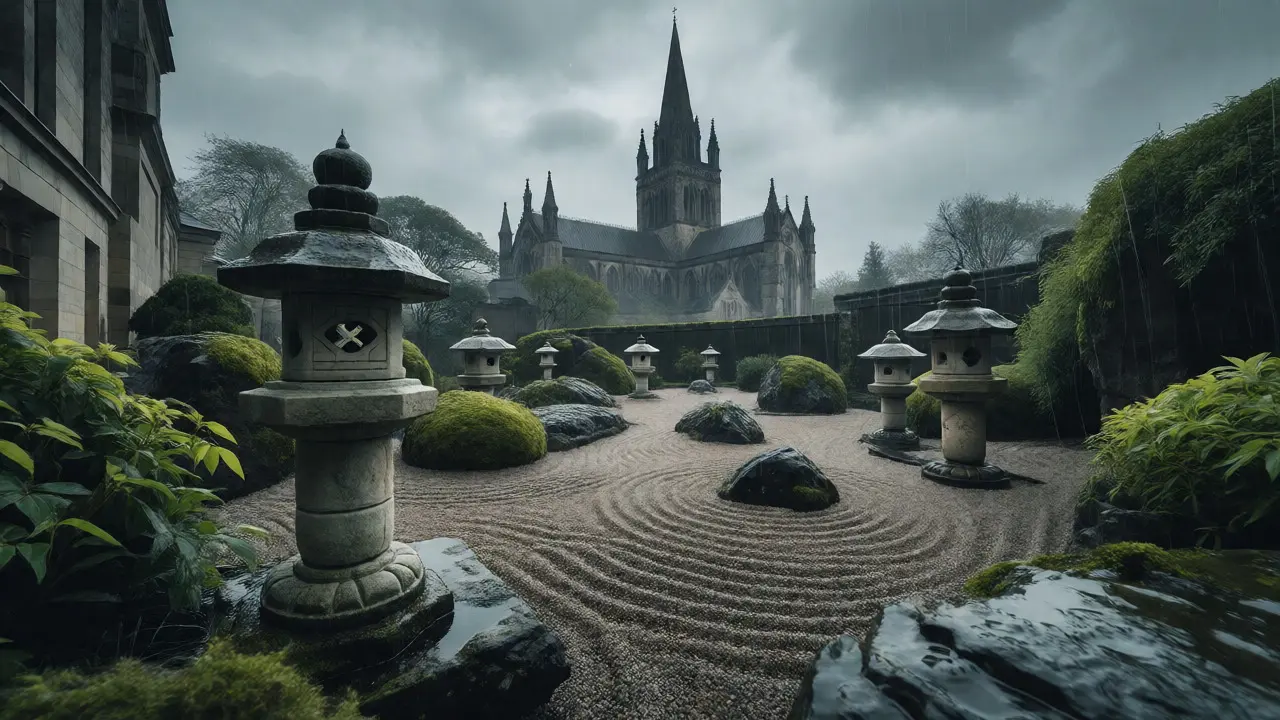
For something completely different, check out the St Mungo Museum of Religious Life and Art. Attached to the Cathedral, it’s free, but most tourists skip it because it doesn’t look like much from the outside. Inside, it explores religion globally, not just Christianity. The garden behind it is a Zen-inspired space with raked gravel and stone lanterns, offering a moment of silence amidst the city chaos. It’s a subtle nod to Glasgow’s growing interfaith dialogue.
Practical Tips for Exploring Hidden Glasgow
Exploring these hidden spots requires a different approach than standard tourism. You can’t just wander in. Many of these places operate on limited hours or require bookings.
- Book Ahead: Places like the Tenement House and the Mackintosh House have strict capacity limits to protect the artifacts. Book online at least two weeks in advance, especially during the summer months.
- Check Opening Hours: Community-run centers like the Gorbals Story may only be open three days a week. Always verify times via their social media pages, which are often updated faster than official websites.
- Dress for Weather: Some historic sites, like the Cathedral Crypt or older tenement flats, are not well-insulated. Bring a jacket even in September. The damp chill in Glasgow is real.
- Talk to Staff: Volunteers at these smaller sites are often local historians or retired teachers. Ask them questions. They’ll give you tips on other nearby spots that aren’t listed anywhere online.
Transportation is easy. Most of these locations are within walking distance of each other or accessible via the Glasgow Subway. The subway itself is a historic artifact, dating back to 1896, and riding it is part of the experience.
Are these hidden sites free to enter?
Not all of them. Major institutions like the Kelvingrove and the St Mungo Museum are free. However, smaller, specialized sites like the Tenement House or guided tours of the Mackintosh interiors usually charge a small fee (between £5 and £10) to help with maintenance and conservation costs.
Do I need to book tickets in advance for the Glasgow City Archives?
You do not need a ticket to enter the reading rooms, but you do need to register as a reader if you plan to handle original documents. This process is quick and can often be done online before your visit. For special talks or events, pre-booking is recommended as seats are limited.
Is the Tenement House suitable for children?
It depends on the age. Older children who enjoy history and storytelling often love the Tenement House because it feels like a detective story. Younger children might find it boring because they cannot touch most objects, and the house is quite small. It’s best suited for curious minds aged 10 and up.
What is the best way to get around to these hidden locations?
Walking is the best option for the city center clusters (like the Cathedral and Necropolis). For sites further out, such as Pollokshields Library or the Gorbals, the Glasgow Subway or local buses are efficient and cheap. Consider buying a Day Ticket for unlimited travel if you plan to visit multiple dispersed sites.
Are these sites wheelchair accessible?
Newer renovations and major sites generally are. However, historic buildings like the Tenement House and parts of the Cathedral Crypt have stairs and narrow doorways that pose challenges. Always check the specific accessibility page of each site before visiting. Staff are usually happy to advise on the best routes or alternative experiences.