
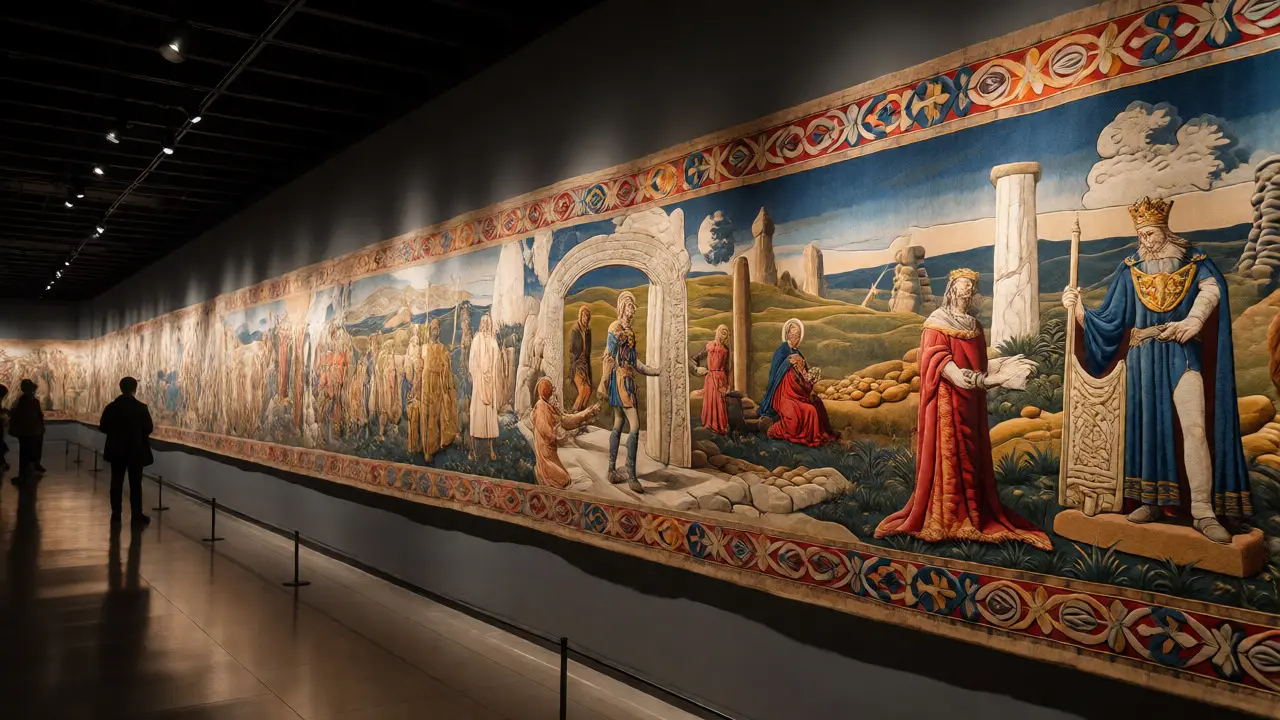
Imagine standing before a piece of art that stretches over 50 meters long. You’re not looking at a painting on canvas, but a woven narrative stitched by thousands of hands across every corner of Scotland. This is the Great Tapestry of Scotland, a monumental artwork that captures the nation’s history from ancient times to the present day. If you’ve ever wondered how a community project can become a national treasure, this is your chance to see it in person. Whether you are planning a trip to Edinburgh or just curious about what makes this exhibition so special, we’ve got everything you need to know about the story behind the stitches, where to find it, and how to get your tickets without any hassle.
The Story Behind the Stitches
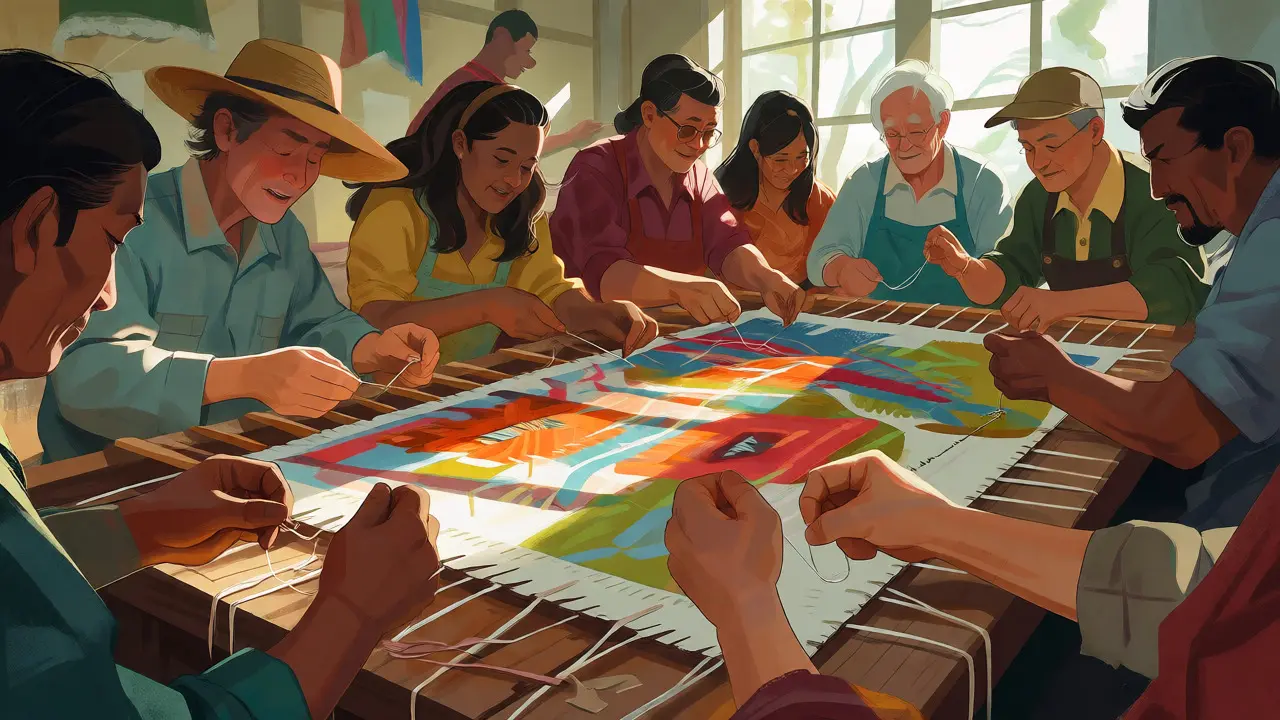
It started with a simple idea in 2010. Alex McVey, a local artist, wanted to create something that would celebrate Scotland’s rich past. But he didn’t want to do it alone. He envisioned a project where ordinary people could contribute their skills and stories. The result was extraordinary. Over 3,000 volunteers from all 32 council areas of Scotland came together. They weren’t professional embroiderers; they were teachers, farmers, students, and retirees. Some had never held a needle before. Others had been stitching for decades.
The project was coordinated by the charity Common Ground. They provided the materials and the design templates. Each volunteer group took a specific panel representing their region or theme. For instance, one panel might focus on the Jacobite risings, while another highlights the industrial revolution in Glasgow. When these panels arrived in Edinburgh, a team of skilled embroiderers joined them together. The final product is a continuous scroll that tells the story of a nation. It’s raw, honest, and deeply personal. You can see the different styles, the occasional mistake, and the love poured into every square inch.
This isn’t just an art exhibit; it’s a social experiment that worked. It proved that when people feel connected to their heritage, they will invest time and effort to preserve it. The tapestry doesn’t just show dates and battles. It shows faces, landscapes, and moments that define Scottish identity. It’s a physical manifestation of collective memory.
What You’ll See in the Exhibition
The exhibition space is designed to let the tapestry breathe. You don’t rush through it. You walk alongside it. The lighting is soft, allowing you to appreciate the texture of the wool and silk threads. As you move along the length of the work, you travel through time. Early sections depict prehistoric Scotland, with patterns inspired by stone circles and ancient carvings. Then come the medieval kings, the Reformation, and the Union with England.
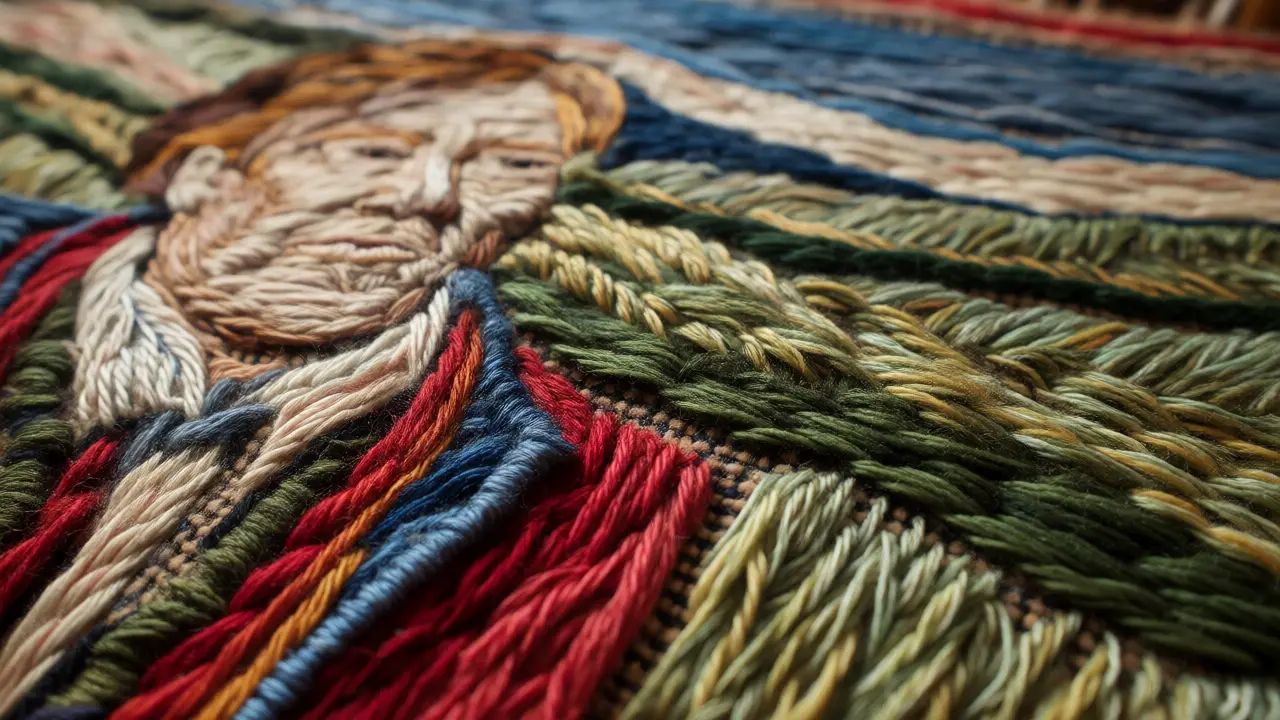
One of the most striking aspects is the diversity of techniques used. In one section, you might see intricate satin stitch depicting a portrait of Robert Burns. In the next, bold appliqué represents the rugged Highlands. There are even panels dedicated to modern issues like climate change and independence debates. This chronological journey ensures that no matter your interest-whether it’s military history, literature, or social progress-you’ll find something that resonates.
Interactive elements enhance the experience. Audio guides provide context for each panel, explaining the historical events depicted. Some exhibitions also include digital screens where you can zoom in on details too small to see with the naked eye. You might spot a hidden message stitched into a border or a tiny reference to a local legend. These details reward close observation and make repeat visits worthwhile.
Where to Find the Great Tapestry
Originally, the tapestry traveled around Scotland, visiting libraries, community centers, and schools. This mobile approach allowed communities who contributed to the work to see their own panels displayed locally. However, as the project matured, the need for a permanent home became clear. Today, the primary location for viewing the full tapestry is the Scottish National Museum of Flight area or specifically housed within dedicated gallery spaces depending on current touring schedules.
Currently, the most consistent venue is often associated with major cultural hubs in Edinburgh or Glasgow, though specific locations can shift based on temporary exhibitions. Always check the official website before traveling, as the tapestry may be undergoing conservation or moving between partner venues. For those living near Dundee, keep an eye out for regional displays in Tayside, as the project maintains strong ties to its founding communities.
| Feature | Details |
|---|---|
| Length | Approximately 50-60 meters (varies by display configuration) |
| Creators | Over 3,000 volunteers from across Scotland |
| Duration of Visit | 45 minutes to 1 hour recommended |
| Accessibility | Generally wheelchair accessible; audio guides available |
| Photography | Usually permitted for personal use (check flash rules) |
Tickets and Practical Tips
Getting tickets is straightforward, but timing matters. Because the tapestry is often part of a larger museum entry or a specific timed exhibition, booking online in advance is wise, especially during peak tourist seasons like summer or Hogmanay. Prices vary depending on whether you are a resident, a student, or a senior. Children under five usually enter free.
If you’re visiting as part of a family group, look for bundle deals. Many venues offer discounted rates for two adults and two children. Students should always carry ID, as discounts are standard. If you live in Scotland, check if your local library offers free passes or if there are "locals' days" where admission is reduced.
Here are some practical tips to make your visit smoother:
- Wear comfortable shoes: You’ll be standing and walking slowly for nearly an hour. Cobblestones or museum floors can be tough on feet.
- Go early or late: Midday crowds can obscure smaller details. Morning slots often offer a quieter atmosphere for contemplation.
- Use the audio guide: Don’t skip this. The stories behind the stitches add depth that visual inspection alone misses.
- Check for workshops: Some venues host embroidery sessions where you can try adding a stitch yourself. It’s a great souvenir activity.
Why It Matters More Than Ever
In an age of digital distractions, the Great Tapestry stands out because it’s tangible. You can smell the wool. You can feel the weight of the history. It reminds us that culture isn’t just consumed; it’s made. Every stitch represents an hour of someone’s life given to a shared cause. That sense of community pride is infectious.
For educators, this is a powerful tool. Teachers bring classes here to discuss history, art, and civic engagement. Students see that their contributions matter, no matter how small. For tourists, it offers a deeper connection to Scotland than typical sightseeing spots. You’re not just seeing a landmark; you’re witnessing a collaborative act of love for a country.
The project has also inspired similar initiatives worldwide. From Australia to Canada, communities have adopted the model of large-scale participatory textiles. This global ripple effect proves that the desire to connect through craft is universal. By visiting the exhibition, you support the preservation of this unique artifact and encourage future community arts projects.
Frequently Asked Questions
How long does it take to view the entire Great Tapestry?
Most visitors spend between 45 minutes and one hour viewing the tapestry at a leisurely pace. If you stop to read the information panels and listen to the audio guide for each section, you might need up to 90 minutes. Rushing through it takes about 20 minutes, but you’ll miss the intricate details and the emotional impact of the individual panels.
Is the Great Tapestry suitable for children?
Yes, absolutely. Children are often fascinated by the bright colors and recognizable images, such as famous landmarks or animals. Many venues provide child-friendly audio guides or scavenger hunt sheets to keep younger visitors engaged. It’s a great educational outing for families interested in history and art.
Can I take photos inside the exhibition?
In most cases, yes. Photography for personal use is generally allowed without flash. However, policies can vary by venue, especially if the tapestry is part of a temporary loan exhibition. Always look for signage upon entry or ask a staff member to confirm current photography rules to avoid any inconvenience.
Are there discounts for residents of Scotland?
Yes, many hosting venues offer discounted admission rates for Scottish residents. You will typically need to show proof of address, such as a utility bill or driver's license. Additionally, some museums participate in "locals' days" or annual pass programs that provide free or reduced entry throughout the year.
Is the exhibition wheelchair accessible?
The vast majority of venues displaying the Great Tapestry are fully wheelchair accessible. The layout is designed to allow easy movement along the length of the tapestry. Ramps are usually provided if there are any level changes, and seating is available at intervals for rest breaks. It’s advisable to contact the specific venue ahead of your visit if you require assistance.
Comments (12)
-
Quintin Franzese September 25, 2026
so basically its a giant blanket people stitched together to feel better about their country. nice.

-
Elizabeth Brooks September 25, 2026
Hey! Just wanted to add that if you're planning a trip, the audio guide is honestly non-negotiable. Without it, you're just looking at fabric and might miss the context for some of the more obscure historical references. Also, don't forget to check out the community workshops if they are running during your visit-it’s a really cool way to engage with the craft aspect directly. Hope this helps!

-
Tamara Miller September 25, 2026
It is frankly disappointing that such a significant cultural artifact requires so much hand-holding in terms of visitor etiquette. People seem to think they can treat a museum like a playground. If one more person touches the display case or blocks the path with their oversized backpack, I am going to lose my mind. The respect for communal effort seems entirely absent from modern society.

-
alex kobri September 25, 2026
i wonder what happens when the thread rots. does the history rot with it? or does it become something else... something that wasn't intended by the makers. there's a strange melancholy in preserving a moment that was meant to be fleeting.

-
michelle veluz September 26, 2026
Finally someone acknowledges the truth!!! They are hiding the REAL story behind these stitches!! Why do you think they chose wool?? It’s not just material!! It’s symbolism!! They are trying to bury the fact that Scotland was never truly independent in the way we were taught!! Wake up sheeple!!

-
john randall September 26, 2026
Interesting take on the preservation aspect. It feels less like a static exhibit and more like a living document. The idea that thousands of hands contributed makes it feel democratic in a way that traditional statues or paintings often fail to achieve.

-
Anthony Miller September 27, 2026
Oh please spare me the philosophical musings about thread decay. You clearly have never handled archival textiles. The conservation methods used are state-of-the-art. Your lack of expertise is showing. This isn't a poetry slam; it's a museum exhibit. Learn the facts before you post.

-
Jacob Baby Official September 28, 2026
Actually, the premise of 'community pride' is deeply flawed. It’s performative altruism. The organizers get credit, the volunteers get a pat on the back, but the actual artistic merit is diluted by committee. It’s art by consensus, which usually means art by lowest common denominator. But hey, enjoy your blanket.

-
Savara Gunn September 29, 2026
That sounds a bit harsh, but fair point on the dilution risk. Still, seeing the variety of skill levels is part of the charm for me. It reminds us that art belongs to everyone, not just the elite.

-
Deb Kortyna, MBA October 1, 2026
I must express my profound admiration for the logistical triumph this project represents. To coordinate over three thousand individuals across thirty-two council areas is no small feat. It speaks volumes about Scottish organizational capacity and civic engagement. One cannot help but feel a sense of awe when considering the sheer volume of labor hours invested. It is a testament to human cooperation at its finest.

-
Zach Loescher October 2, 2026
yeah i guess its cool. havent been yet though. seems like a lot of walking for me lol

-
Susan Cole October 3, 2026
I appreciate the focus on accessibility mentioned in the guide. As someone who values quiet spaces, the suggestion to go early or late is very helpful. It allows for a more personal connection with the artwork without the pressure of crowds.
