
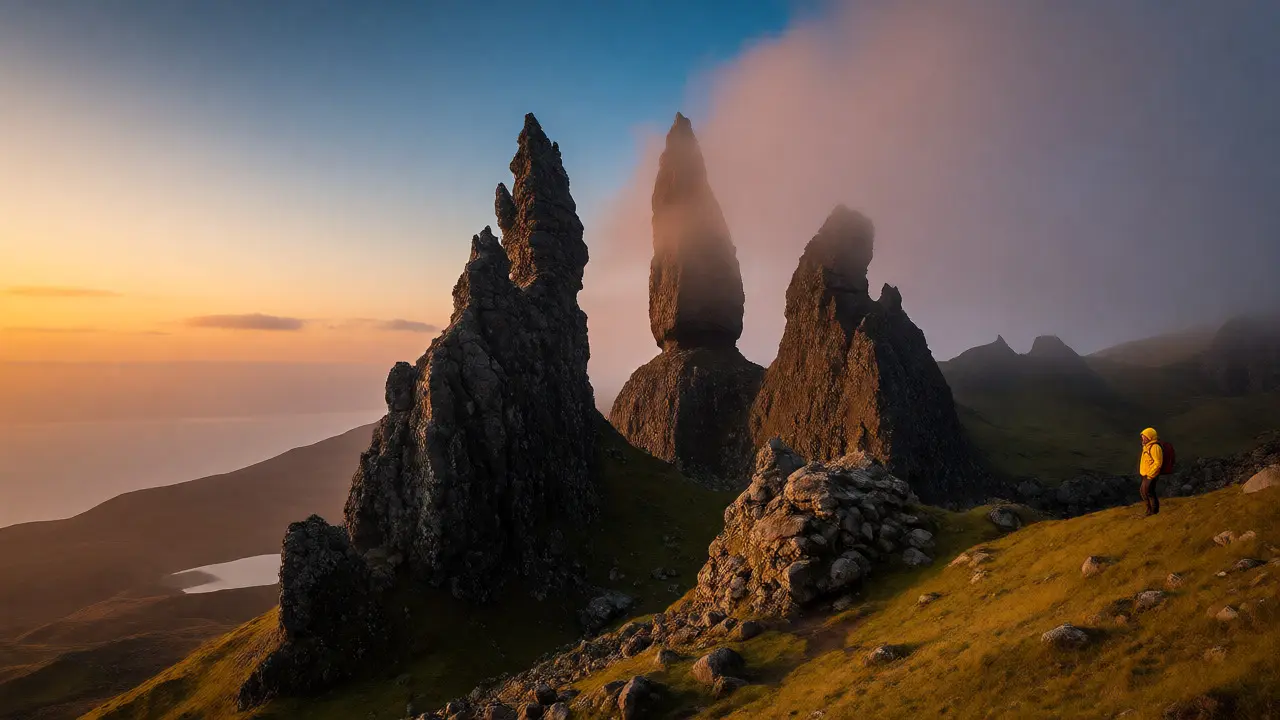
You’ve seen the photos. The jagged Cuillin mountains piercing the clouds, the surreal fairy pools, and those iconic red phone boxes against a backdrop of endless green. But here’s the thing about Isle of Skye: it doesn’t care about your Instagram feed. It cares about your raincoat. As someone who lives in Dundee, just a short drive from the bridge, I see tourists roll up every day expecting a sunny holiday and leaving with wet socks and wide eyes. That’s because Skye is wild, unpredictable, and absolutely brilliant.
This isn’t just another list of pretty spots. If you’re planning a trip to the largest island of the Inner Hebrides, you need a strategy. The weather changes hourly, roads are single-track nightmares for the unprepared, and accommodation sells out months in advance. Whether you’re chasing the Northern Lights or hiking the Old Man of Storr, this guide breaks down exactly when to go, where to sleep without breaking the bank, and how to navigate the island without losing your mind.
When to Visit: Chasing Weather vs. Crowds
Let’s be honest: there is no "bad" time to visit Skye, but there are definitely bad times for specific activities. Your choice depends entirely on what you want to do.
Summer (June to August) is peak season. The days are incredibly long-sunlight lasts until nearly 10 PM in June-which means you can hike late into the evening. This is when the ferry lines are longest and Portree is packed. If you hate crowds, avoid mid-July. However, if you want to climb the Black Cuillin ridge, summer is safer due to better visibility and drier rock conditions.
Spring (April to May) is my personal favorite. The gorse turns the hillsides bright yellow, and the wildlife wakes up. You’ll spot seals in the Sound of Sleat and puffins returning to the cliffs. It’s quieter than summer, but still mild enough for comfortable walking. Just pack layers; April can bring snow one day and sunshine the next.
Autumn (September to October) offers dramatic skies and fewer tourists. The heather blooms purple across the moors, creating some of the most photogenic landscapes of the year. It’s also prime time for spotting deer rutting behavior in the glens. Rain increases significantly, so waterproof gear becomes non-negotiable.
Winter (November to March) is for the brave and the photographers. Yes, it gets dark by 4 PM. But the storms rolling off the Atlantic create moody, cinematic light that summer never matches. Many hotels close, but those that stay open offer cozy fireside experiences. Road closures are more common due to ice and wind, so check Transport Scotland before setting out.
| Season | Best For | Crowd Level | Weather Risk |
|---|---|---|---|
| Summer | Hiking, Ferries, Festivals | High | Low (but windy) |
| Spring | Wildlife, Photography, Quiet Hikes | Moderate | Moderate |
| Autumn | Landscapes, Deer, Storm Watching | Low-Moderate | High (Rain/Wind) |
| Winter | Aurora, Solitude, Cozy Retreats | Very Low | Very High (Ice/Closures) |
Where to Stay: From Luxury Lodges to Camping Pods
Accommodation on Skye is scarce and expensive. If you haven’t booked six months ahead, don’t panic-but start looking now. The main hub is Portree, the capital, which has the most options. But staying elsewhere can save money and give you better access to trailheads.
Portree is convenient. You have supermarkets, restaurants, and bus connections. Look for B&Bs along the harbor for views, though they charge a premium. If you’re on a budget, consider hostels like the Skye Backpackers in Broadford, which offers clean dorms and private rooms at fair rates.
The West Coast (Dunvegan, Carbost) puts you closer to the Fairy Pools and Neist Point. These areas are rural, so you’ll need a car. Small guesthouses here often feel more authentic and less touristy. Prices drop slightly compared to Portree, especially in shoulder seasons.
The South (Broadford, Kyleakin) is near the bridge. If you’re driving from mainland Scotland, staying here saves you an hour of winding roads each morning. It’s practical, not picturesque, but great for early starts.
Camping and Glamping have exploded in popularity. Wild camping is legal in Scotland under the Land Reform (Scotland) Act 2003, provided you follow the Scottish Outdoor Access Code. Stick to established campsites like Sligachan Campsite if you want facilities. For something unique, try a shepherd’s hut or a geodesic dome pod-they’re warm, stylish, and often cheaper than hotels in peak season.
Getting Around: Car, Bus, or Bike?
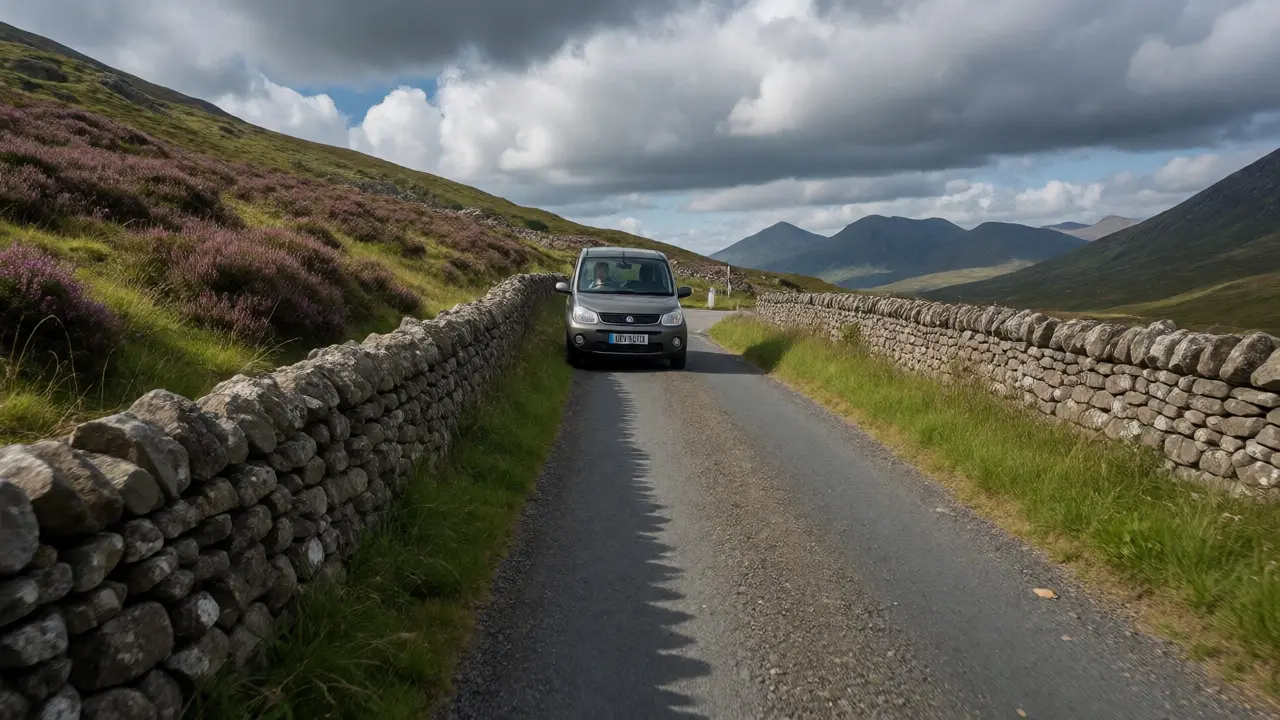
Most visitors rent a car. It’s the easiest way to see the island, but Skye’s roads require respect. Over 70% of Skye’s roads are single-track, meaning one lane shared by two directions. Passing places are marked with white dots on the roadside.
Driving Tips:
- Slow Down: Speed limits are often 30 mph even on open roads. Visibility is poor due to bends and stone walls.
- Use Passing Places: If you meet a car, stop at the nearest passing place. If you’re behind them, wait. Don’t try to squeeze past.
- Parking: Popular spots like the Old Man of Storr fill up by 9 AM. Arrive early or use park-and-ride schemes where available.
Buses run from Portree to major attractions like the Old Man of Storr and Dunvegan Castle. Services are frequent in summer but sparse in winter. Check the Stagecoach Highlands app for real-time updates. It’s affordable, but you lose flexibility.
Bicycles are tough on Skye unless you’re fit and confident. The terrain is hilly, and traffic on single-track roads moves fast. E-bikes make it feasible, but watch for strong crosswinds that can blow you off course.
Taxis exist but are limited. Book in advance if you plan to drink at dinner. Local drivers know the shortcuts, but costs add up quickly.
Must-See Attractions Without the Tour Bus Hassle
You don’t need to tick every box. Focus on three or four key sites per day. Here’s how to tackle the big names.
The Old Man of Storr: This is the postcard shot. The walk to the base takes 45 minutes round-trip. Go at sunrise for empty paths and golden light. Wear grippy shoes-the rocks are slippery when wet.
The Fairy Pools: Located in Glen Brittle, these turquoise waterfalls are stunning but cold. Parking fills instantly. Consider walking in from the nearby village of Carbost instead of driving all the way to the pool entrance.
Dunvegan Castle: The oldest continuously inhabited castle in Scotland. The gardens are beautiful, and the boat trips to see seals are worth the extra ticket price. Book online to skip the queue.
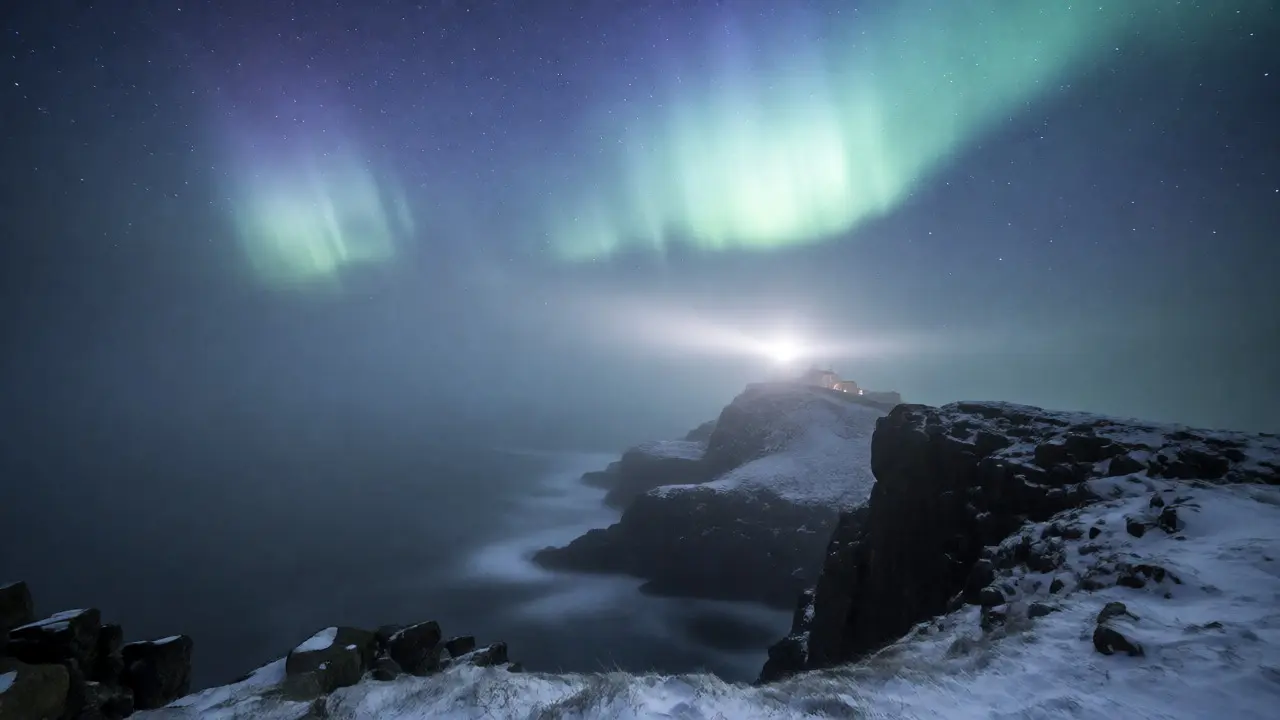
Neist Point Lighthouse: The westernmost point of Skye. The cliff views are breathtaking. There’s a café at the top, but bring snacks. Sunset here is magical, but it gets crowded. Walk further along the coast path for solitude.
Fairy Glen: Near Uig, this landscape looks like a movie set. Be careful-it’s easy to get lost in the mist. Stay on marked trails to protect the fragile moss ecosystem.
Eating and Drinking: Beyond Fish and Chips
Skye has evolved its food scene dramatically. While seafood is king, you’ll find world-class fine dining alongside hearty pub fare.
In Portree, The Oyster Shed serves fresh local shellfish. For a casual vibe, try The Three Chimneys in Colbost-it’s Michelin-recommended and books out weeks in advance. Reserve ahead!
Pub culture is strong. The Portree Hotel bar has live music and a great atmosphere. In Broadford, The Sligachan Inn is legendary among climbers. Expect loud conversations, dog-friendly floors, and excellent pies.
Don’t miss trying Skye whiskey. Distilleries like Talisker in Carbost offer tours. Even if you’re not a whisky fan, the peaty, smoky flavor profile is uniquely Highland.
Practical Tips for a Smooth Trip
Connectivity: Phone signal is patchy outside towns. Download offline maps on Google Maps or Organic Maps before you arrive. Wi-Fi is available in cafes but not always reliable.
Cash: Most places take cards, but small stalls and parking machines may only accept coins. Keep £20 in change handy.
Midges: From May to September, tiny biting insects called midges swarm in calm weather. Buy a repellent containing DEET or Smidge brand spray. They’re annoying but manageable.
Respect the Land: Leave no trace. Take your rubbish with you. Close gates after passing through livestock fields. Farmers work hard to maintain the landscape you’re enjoying.
Do I need a car to visit Isle of Skye?
Not strictly, but highly recommended. Buses cover major routes from Portree, but they lack flexibility for remote trailheads like the Fairy Pools or Neist Point. If you rely on public transport, plan your itinerary around bus timetables and consider hiring bikes for shorter distances.
How many days should I spend on Skye?
Three to four days is ideal. Two days feels rushed, especially if you want to hike. Four days allows you to explore the north and west coasts properly, plus enjoy a leisurely meal or two. Add an extra day if you plan serious mountain climbing.
Is Skye safe for solo travelers?
Yes, very safe. Crime rates are low. The main risks are environmental-slipping on wet rocks or getting caught in sudden storms. Let someone know your route if hiking alone, and carry a charged phone with emergency contacts saved offline.
Can I see Northern Lights on Skye?
Yes, Skye is one of the best places in Scotland for Aurora Borealis sightings, especially during solar maximum years. Head to dark sky locations like Neist Point or the Quiraing on clear nights between September and March. Use apps like My Aurora Forecast to track activity levels.
What should I pack for Skye?
Layering is key. Pack a waterproof jacket, fleece, thermal base layers, sturdy hiking boots, and a hat/gloves even in summer. Sunglasses are useful for glare off the water. Don’t forget insect repellent for midge season.